What Happens To The Imperial Valley If Lake Mead Hits Dead Pool
The Imperial Irrigation District holds the single largest entitlement on the Colorado River, 3.1 million acre-feet a year, of which 2.6 million are Present Perfected Rights carrying a 1901 priority date. That is the highest class of water right in federal law, it predates the 1922 Compact, and under the Law of the River those claims are satisfied first when supplies run short, regardless of state lines. IID's water manager calls them the golden ticket. At dead pool, none of it matters, because seniority decides who gets water that exists and dead pool is about whether any water physically leaves the dam. The valley holds the best paperwork on the river and sits at the very bottom of it.
The Valley Is Downstream Of Everything
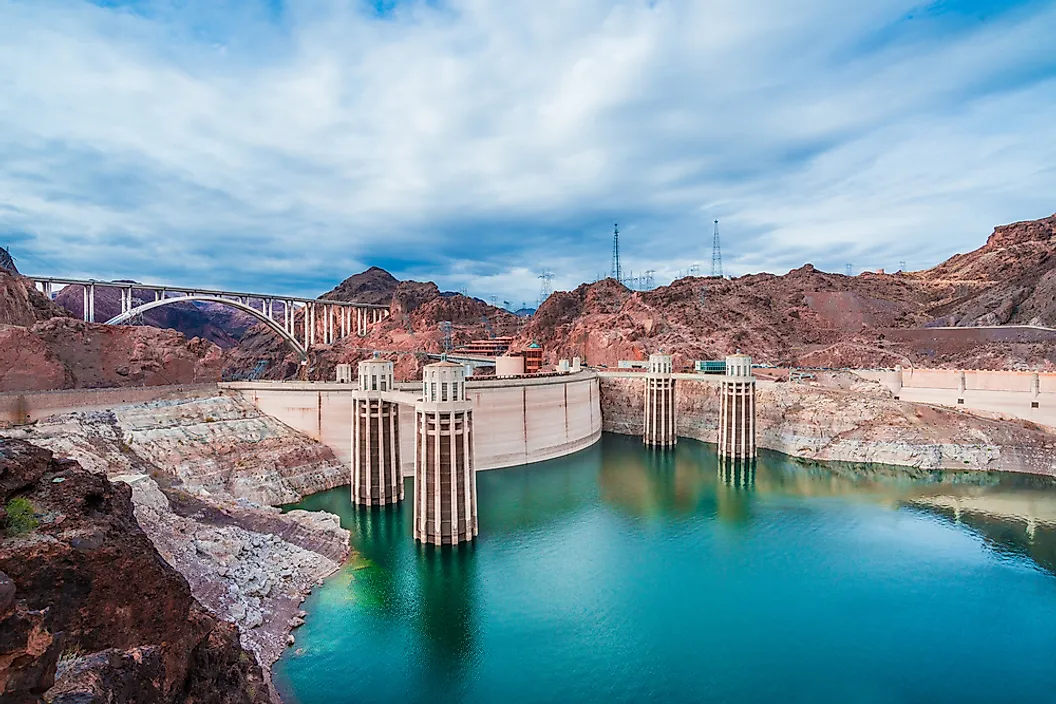
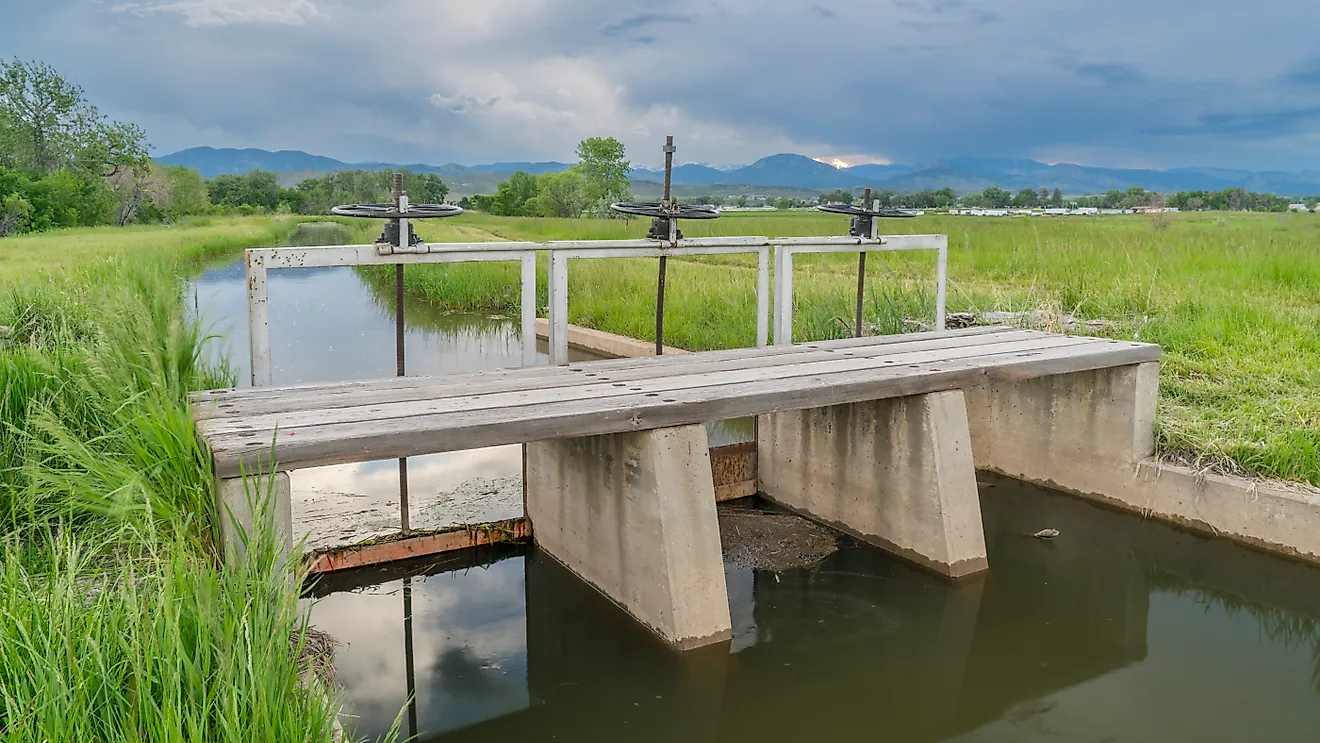
Geography is doing all the work here, and it runs against the legal position entirely. Imperial Valley water leaves the river at Imperial Dam, about 20 miles north of Yuma, Arizona, and travels west along the All-American Canal. Imperial Dam is several hundred miles downstream of Hoover Dam. Every drop the valley receives has already passed through Lake Mead.
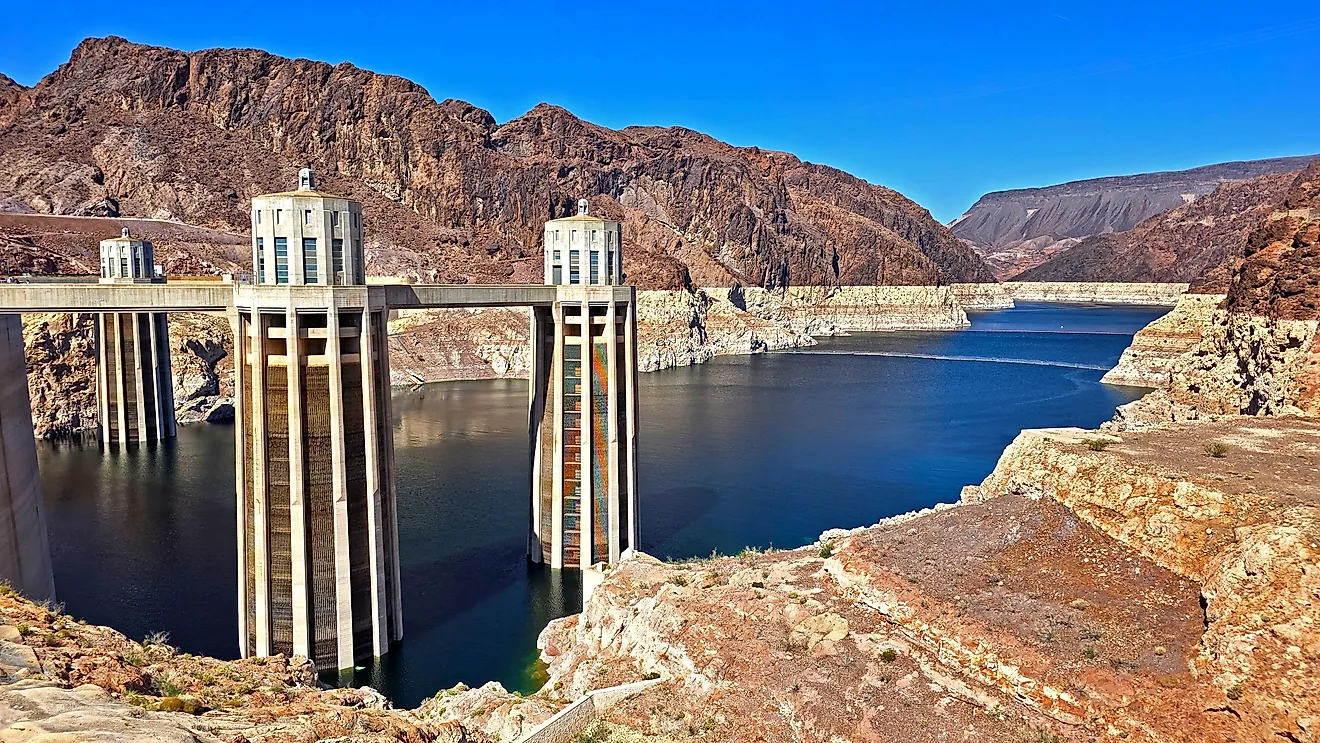
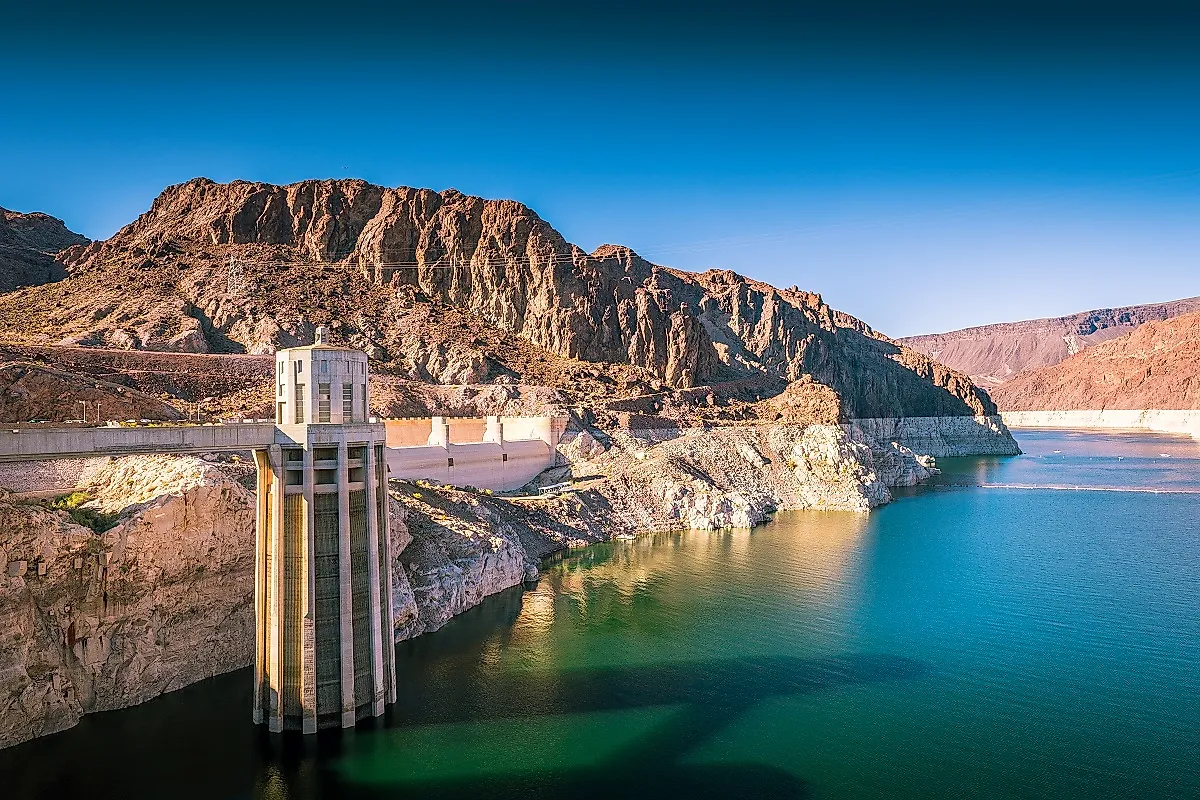
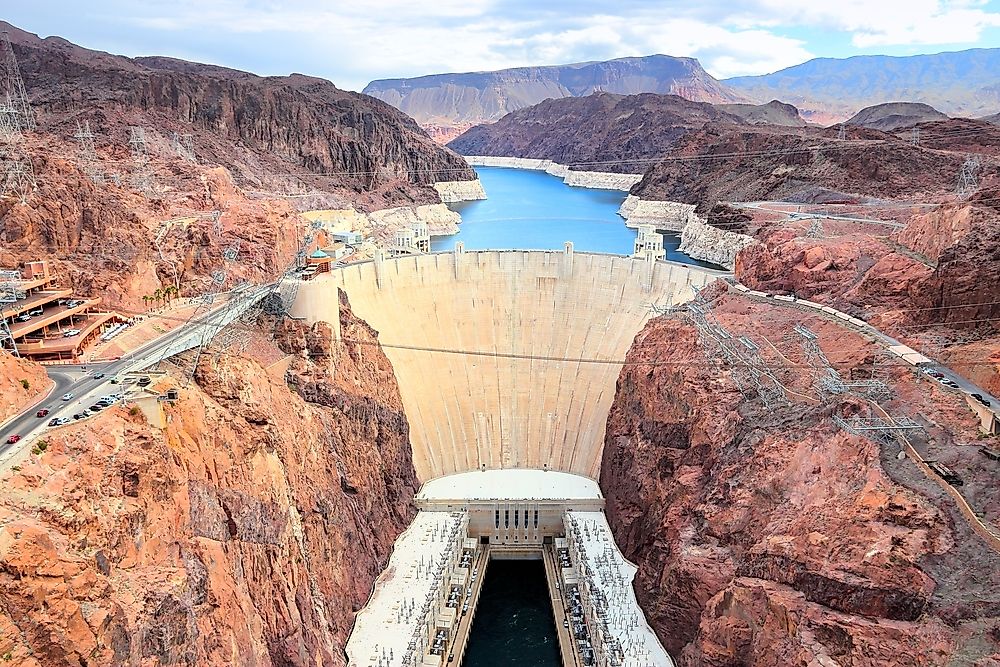
Dead pool at Hoover is elevation 895 feet, the level below which water can no longer pass the dam by gravity. Above that line, seniority governs who gets what. Below it, there is nothing at Imperial Dam to be senior to.
Seniority Is Not Plumbing

This is the distinction the whole article turns on, and it gets collapsed constantly in coverage of the river.
Present Perfected Rights determine the order in which available water is allocated. They are extremely strong, they have survived Supreme Court review, and Reclamation has an obligation to satisfy them before junior claims. What they do not do is move water past a dam that has stopped releasing.
A priority date is a position in a queue. Dead pool is the queue being closed. The most senior right on the Colorado River would be worth precisely as much as the most junior one.
There Is No Backup
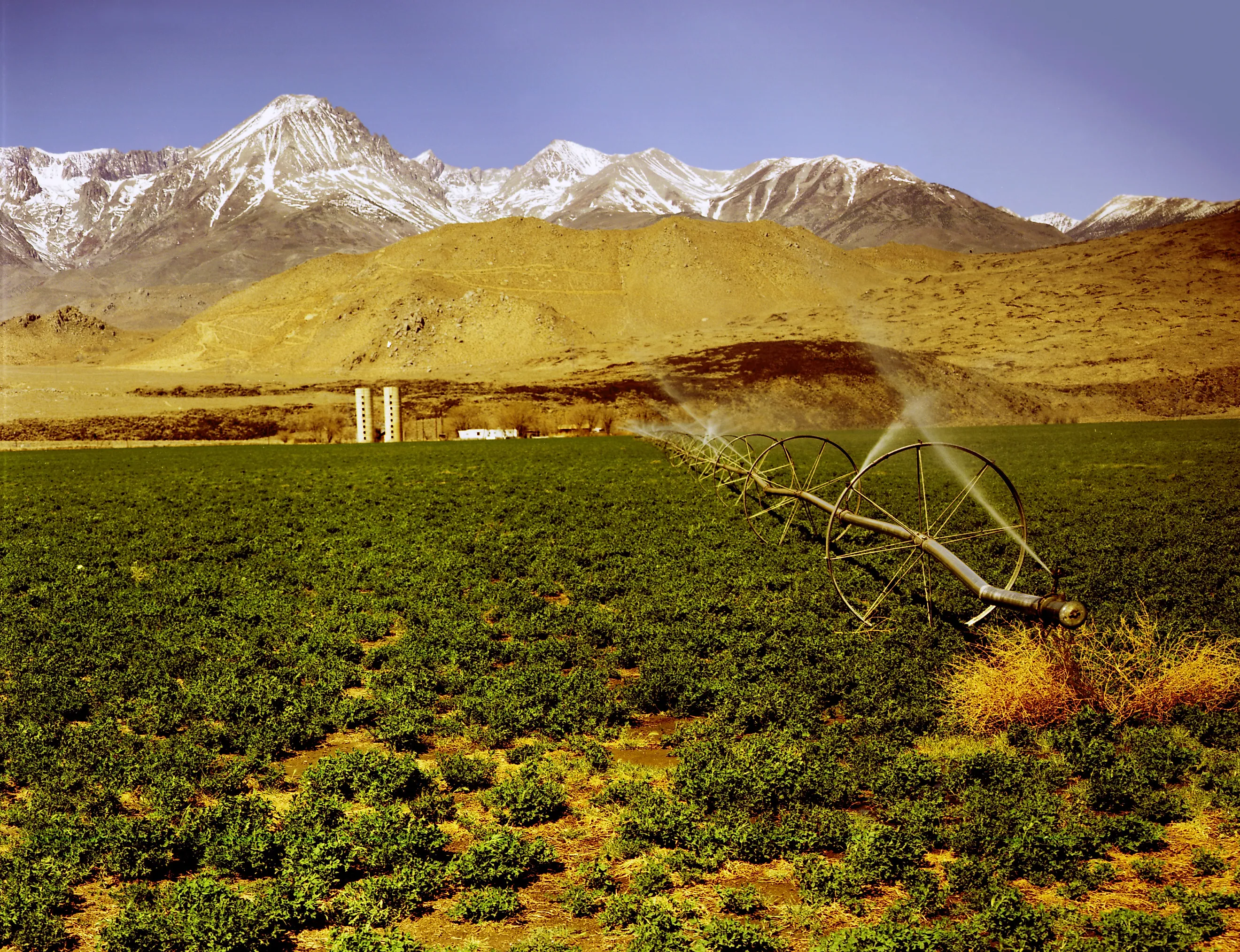
Most agricultural regions facing a surface water cut fall back on groundwater. The Imperial Valley cannot. It has very little rainfall and no usable groundwater, which makes the Colorado its only source. IID's water manager Tina Shields has put it as directly as anyone could: that is our lifeblood.
So the comparison with somewhere like Phoenix, which holds banked groundwater, a separate river system and reclaimed water, does not apply. Imperial has one pipe.
Two Thirds Of America's Winter Vegetables
The scale of what depends on that single pipe is why this matters well beyond California. Roughly 500,000 irrigated acres in the Imperial Valley produce about two thirds of America's winter vegetables, including the lettuce, celery, cilantro, spinach, cabbage, broccoli and carrots that keep fresh produce on shelves from Seattle to Boston between November and March.
There is no comparable substitute acreage in the United States. The valley exists as a winter salad bowl specifically because it is a desert with reliable irrigation and no frost.
The Biggest Crop Is Not A Vegetable
The winter produce framing is accurate and incomplete, and the fuller picture changes how the numbers read.
The valley's dominant crop by acreage is alfalfa, grown on roughly 120,000 acres. Add Bermuda, Sudan and Klein grass and about 60 percent of irrigated acreage in the valley grows feed for animals rather than food for people.
That matters because animal feed is the category most often identified as the flexible one in shortage discussions. The salad is the headline. The hay is the volume.
Conservation Has Already Moved Real Water

Any fair account of the valley has to include what it has already given up, and the figures are substantial.
IID reports conserving more than 9.1 million acre-feet since 2003 through voluntary programs, more than any other individual contractor on the river. In one recent year alone it conserved nearly 700,000 acre-feet, which it calculates raised Lake Mead by roughly four feet.
Those conservation funds paid for laser-leveled fields, drip lines and micro-sprinklers. The district has not been a passive holder of senior rights.
The Criticism Is Also Real
Set against that record is a criticism made since at least the 1990s that has not gone away.
Interior Secretary Bruce Babbitt singled out IID in 1997 for both the quantity of water it used and how it used it. More recently, reporting has noted that twenty families in the valley received 386.5 billion gallons in a single year, more than three Western states combined, and that farmers pay around 20 dollars an acre-foot.
Both things are true at once. The district has conserved more water than anyone else on the river, and it remains the largest single user of a river that cannot supply everybody.
What Would Actually Happen

Working through the sequence is more useful than imagining a single moment of failure.
Dead pool is not a cliff the system falls off without warning. Long before 895 feet, Reclamation would be making deeper mandatory reductions, states would be renegotiating, and the shortage tiers already written into the operating guidelines would be cutting deliveries. The valley would be farming less land well before the reservoir emptied.
If the line were actually reached, deliveries through Imperial Dam would stop because nothing would be arriving. The limiting factor would be physical rather than legal, and no court could order water through a dam that has none to release.
How Close It Actually Is
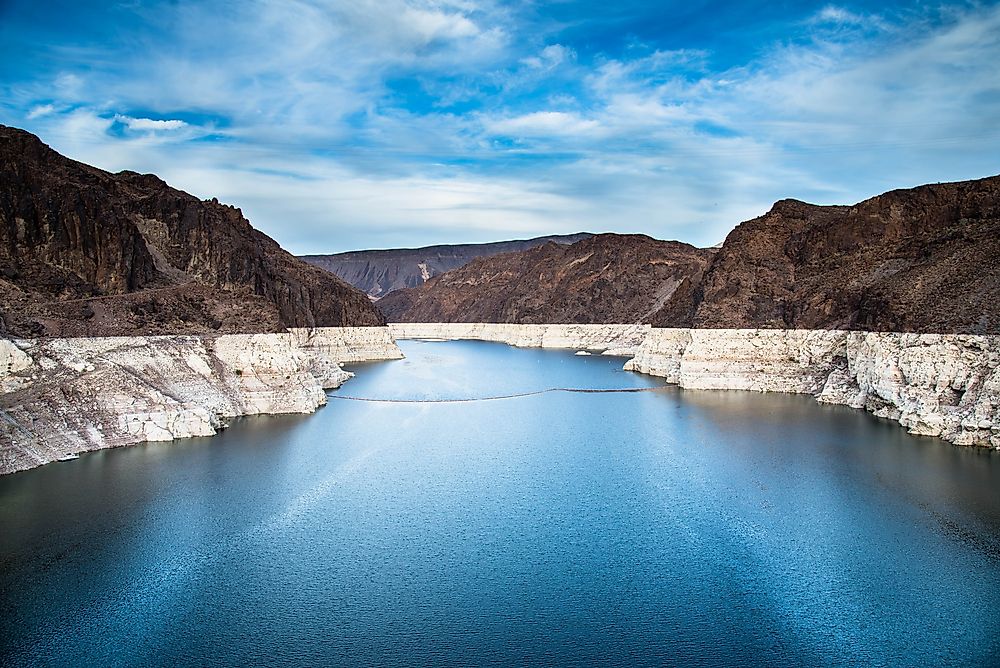
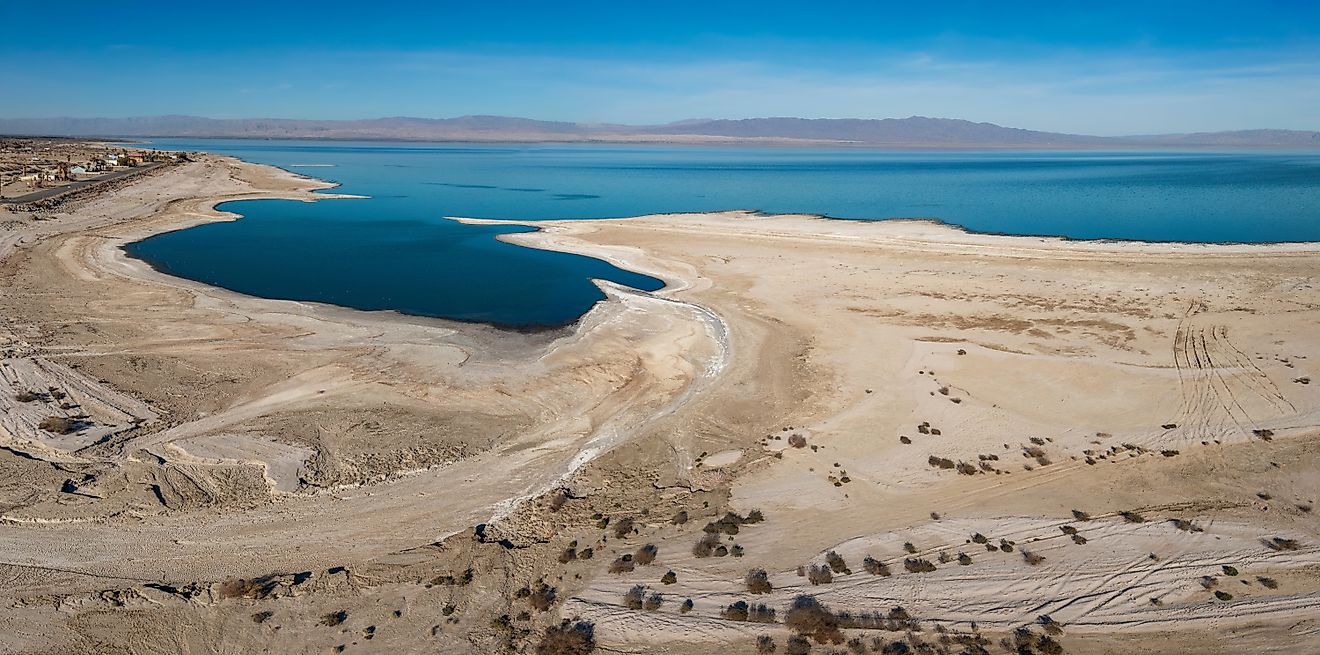
Context is worth having before anybody reorganizes their grocery expectations. Lake Mead sat at about 1,037 feet in Reclamation's mid-October 2026 reading. Dead pool is 895. That is roughly 142 feet of margin, and minimum power pool at 950 would halt electricity generation 55 feet before water deliveries were affected at all.
Power fails well before water does, which is the single most useful thing to know about Hoover Dam's thresholds and the thing most coverage runs together.
The Valley Knows Its Own Exposure
IID's own board resolution makes the point more plainly than any outside analysis has.
The district has stated that no single agency has a greater stake in the continued viability of the Colorado River delivery system at Lake Mead, because the valley has no other source. That is an organization with the strongest legal claim on the river acknowledging that the legal claim is not the binding constraint.
It is also why IID has spent two decades funding conservation that raises Lake Mead. Protecting the reservoir and protecting the water right are the same project.
The Short Answer
If Lake Mead reached dead pool, the Imperial Valley would receive nothing, despite holding 3.1 million acre-feet of the most senior rights on the Colorado River and despite having conserved more water than any other user on it.
Water rights allocate a supply. They do not create one. The valley sits at the bottom of the system with the best paperwork and the least room to maneuver, which is why the district with the strongest claim on the river is also the one working hardest to keep the reservoir above the line.