How Many Freighters Still Sail The Great Lakes
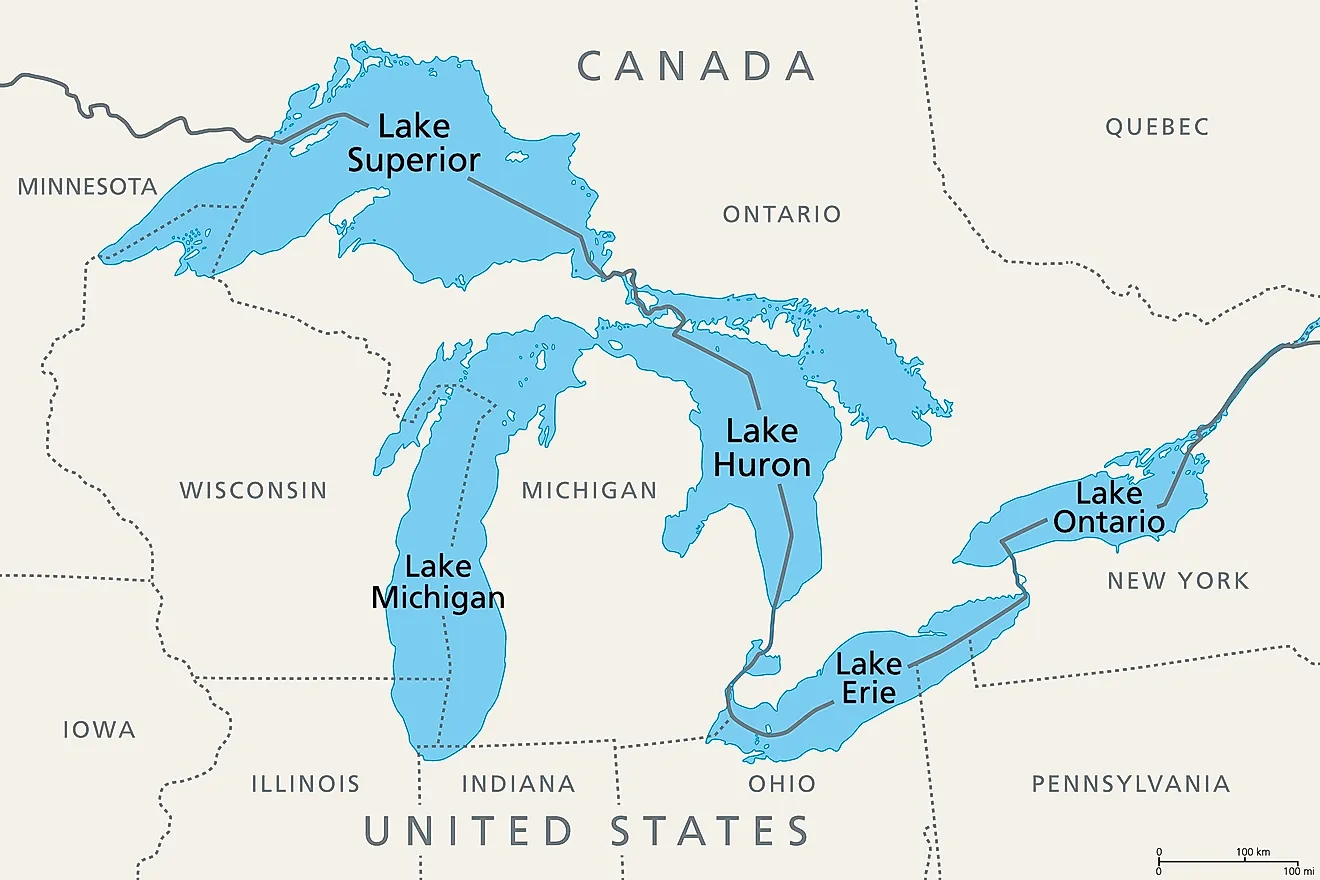
About 100 lake freighters still operate on the Great Lakes, carrying cargo for American and Canadian customers. Ocean-going ships also visit during the shipping season. The U.S.-flag fleet alone moved 71.3 million tons of freight in 2025, including iron ore used in steelmaking and stone for construction. At Detroit, vessels serving these industries pass through the Detroit River, which connects the upper lakes with Lake Erie. The longest freighters cannot fit through the Welland Canal into Lake Ontario. Ships small enough for the locks can continue toward the St. Lawrence River, while winter closures and cargo demand determine how many vessels are underway at any particular time.
43 U.S. Ships Moved 71 Million Tons

American lakers generally carry cargo between U.S. ports. Lake Carriers' Association represents 43 U.S.-flag commercial cargo vessels, including freighters and tug-and-barge units. Additional operators also work on the lakes. Canadian ships carry domestic and cross-border freight and connect Great Lakes ports with the lower St. Lawrence River. Algoma Central's Canadian dry-bulk fleet numbered 19 ships in early 2026, alongside vessels operated by Canada Steamship Lines and McKeil Marine.
Iron ore accounts for much of the American fleet's work. U.S.-flag vessels moved 39.1 million tons of it in 2025, more than half their total cargo. They also carried 20.1 million tons of limestone, used in steelmaking and construction.
105 Feet Wide, Too Big For The Locks

The size of a laker decides how much of the system it can reach. The Welland Canal, which lifts ships around Niagara Falls between Lake Erie and Lake Ontario, runs through eight locks only 80 feet wide. A thousand-foot American laker measures about 105 feet across the beam, so the largest ships on the lakes physically cannot pass. They spend their entire working lives on the upper four lakes, hauling between Lake Superior's loading ports and the industrial docks on the lower lakes.
Smaller vessels can keep going toward the St. Lawrence River and the sea. The ocean-going ships that run the other way, inbound from the Atlantic and known as "salties," reach as far as Duluth, roughly 2,340 miles inland, to load American grain and other exports. They share the lakes with the resident freighters through the shipping season without ever joining the count.
Thirteen Ships Over 1,000 Feet Long

Thirteen vessels in the thousand-foot class remain in service, including the Presque Isle tug-and-barge combination. The longest is Interlake's Paul R. Tregurtha, measuring 1,013.5 feet and dating to 1981. The largest lake freighters can carry more than 70,000 tons of cargo in one voyage.
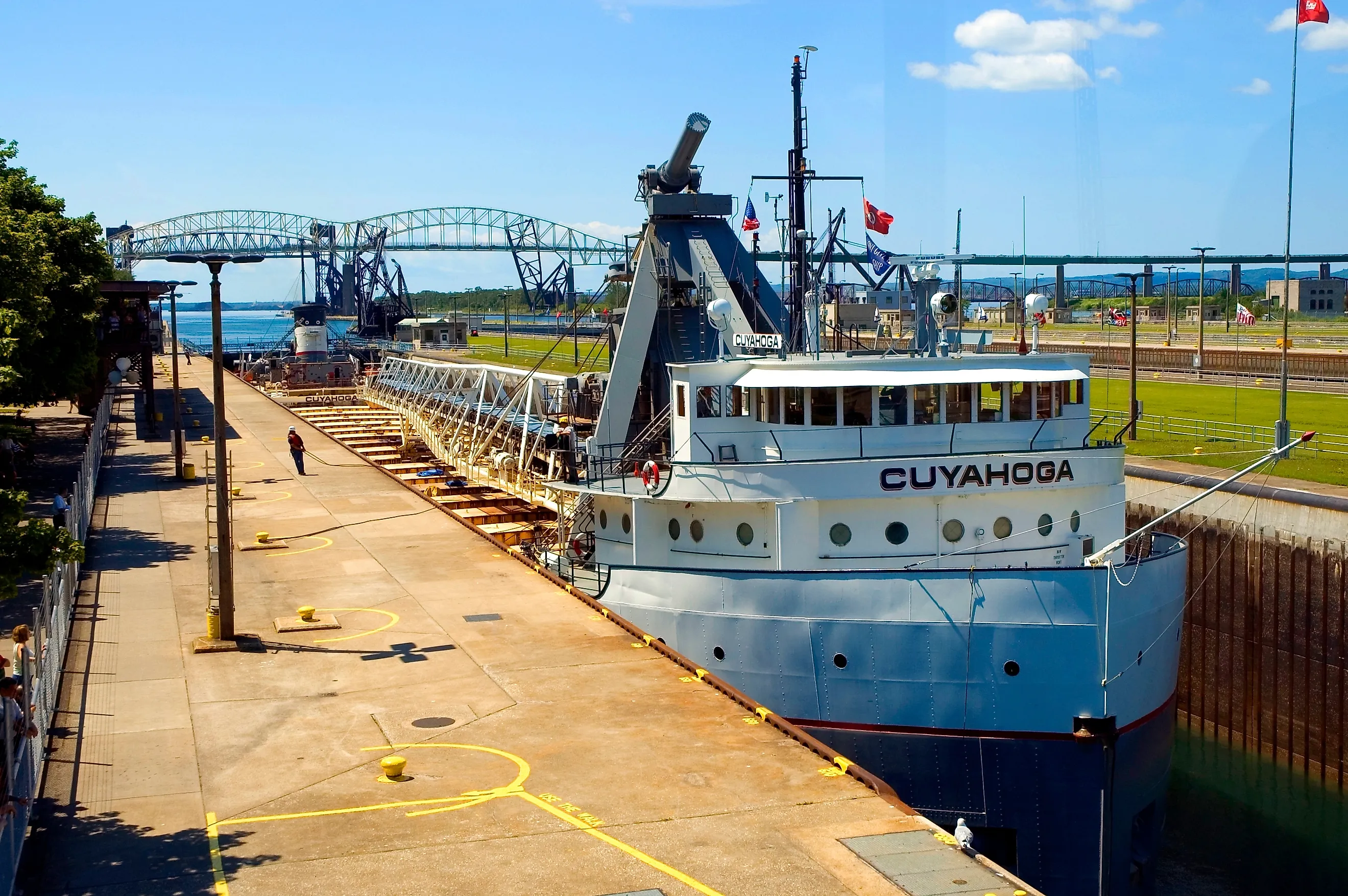
Leaving Lake Superior requires passage through the Soo Locks at Sault Ste. Marie, Michigan. Thousand-footers must use the Poe Lock because the smaller MacArthur Lock cannot accommodate them. The Poe Lock's chamber measures 1,200 feet long and 110 feet wide.
The First New U.S. Laker In Nearly 40 Years

The 639-foot Mark W. Barker began its maiden voyage on July 27, 2022, leaving Sturgeon Bay, Wisconsin, for Port Inland, Michigan. Its first assignment was to load stone for Muskegon, where the material would enter ready-mix concrete production. It was the first new U.S.-flag Great Lakes bulk carrier in nearly four decades.
Smaller ships can reach customers in ports that cannot accommodate the largest hulls. Mark W. Barker also has a square-shaped cargo hold and larger hatch openings designed for large individual loads as well as loose bulk cargo.
The ship was also a product of the industry it joined. Mark W. Barker was built in Wisconsin from Indiana-made steel produced with Minnesota iron ore delivered by ship. Hundreds of shipyard workers built the vessel, and a crew of 21 mariners took it out on its first cargo assignment.
The 740-foot Canadian self-unloader Algoma Endeavour, delivered in early 2025, was the final vessel in Algoma's Equinox Class, the twelfth built since the series began in 2013.
Each Winter, The Soo Locks Close For Ten Weeks

A freighter tied up in February may be preparing for another busy year. The Soo Locks' 2026 maintenance closure was scheduled from January 15 to March 25. Shipowners use this break for repairs that are difficult to fit between cargo assignments. Algoma reports that most of its domestic dry-bulk fleet does not operate during much of the first quarter because of weather and canal closures.
At Fraser Shipyards in Superior, Wisconsin, winter repairs bring a substantial increase in employment. CEO Patrick Kelly described a workforce growing from roughly 200 year-round employees to about 600 during the three-month repair season.
Cargo demand also affects activity. American lakers carried 8.9 percent less freight in 2025 than in 2024. A vessel can remain in an owner's fleet while spending part of a season idle.
Barely 100 Ships Move It All
Interlake had its full fleet of 11 commercial vessels underway by April 10 for the 2026 season, with plans to cross the lakes more than 700 times and deliver over 20 million tons of cargo. Each ship returns to its loading ports again and again, so a fleet of roughly 100 lakers moves far more freight than its vessel count suggests. How many are actually sailing on a given day depends on the calendar: winter lock closures idle much of the fleet, and softer demand can leave individual ships at the dock even in the middle of a season. The number that matters is not how many freighters exist, but how many trips each one makes.