The Rivers The West Would Turn To If The Colorado Failed
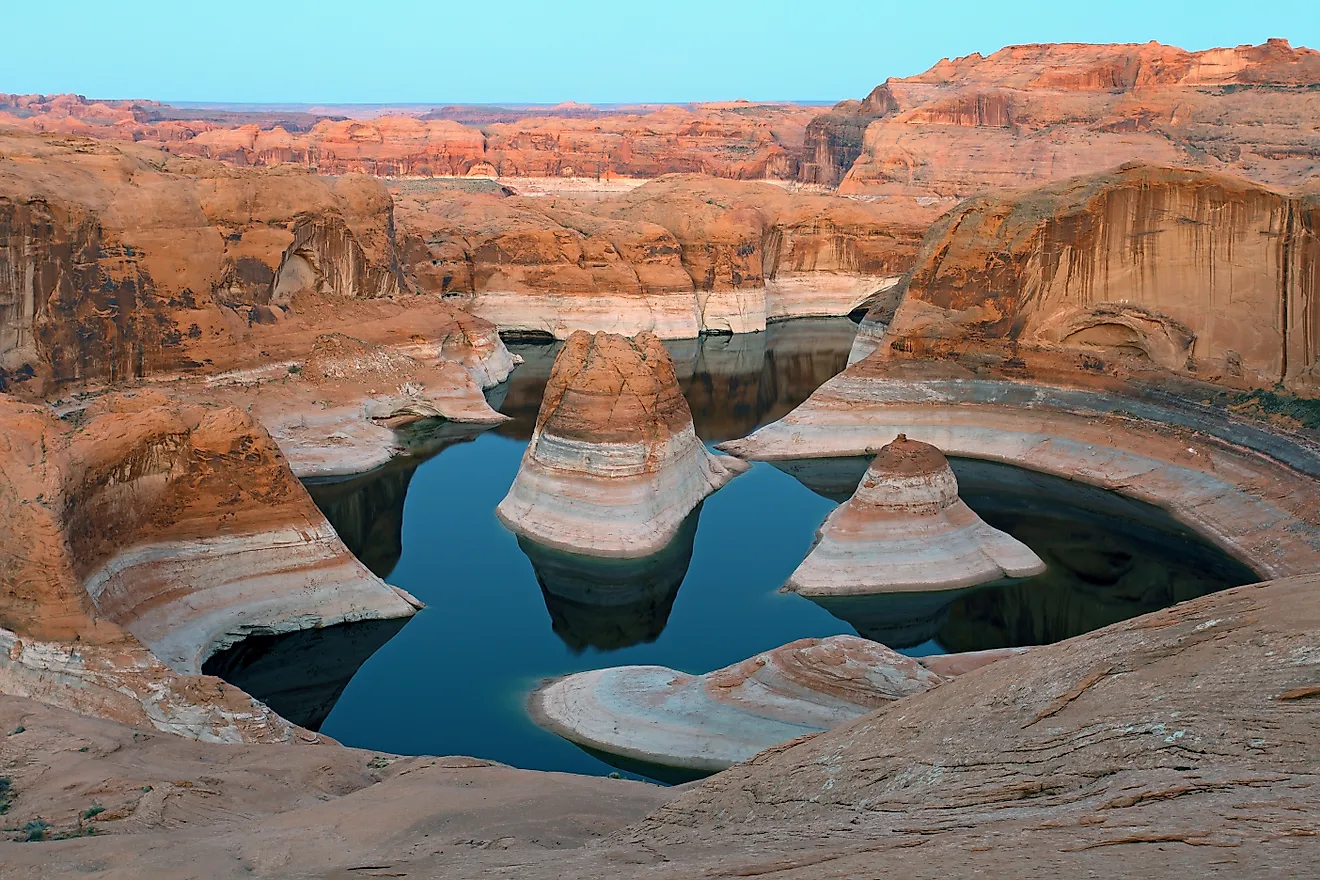
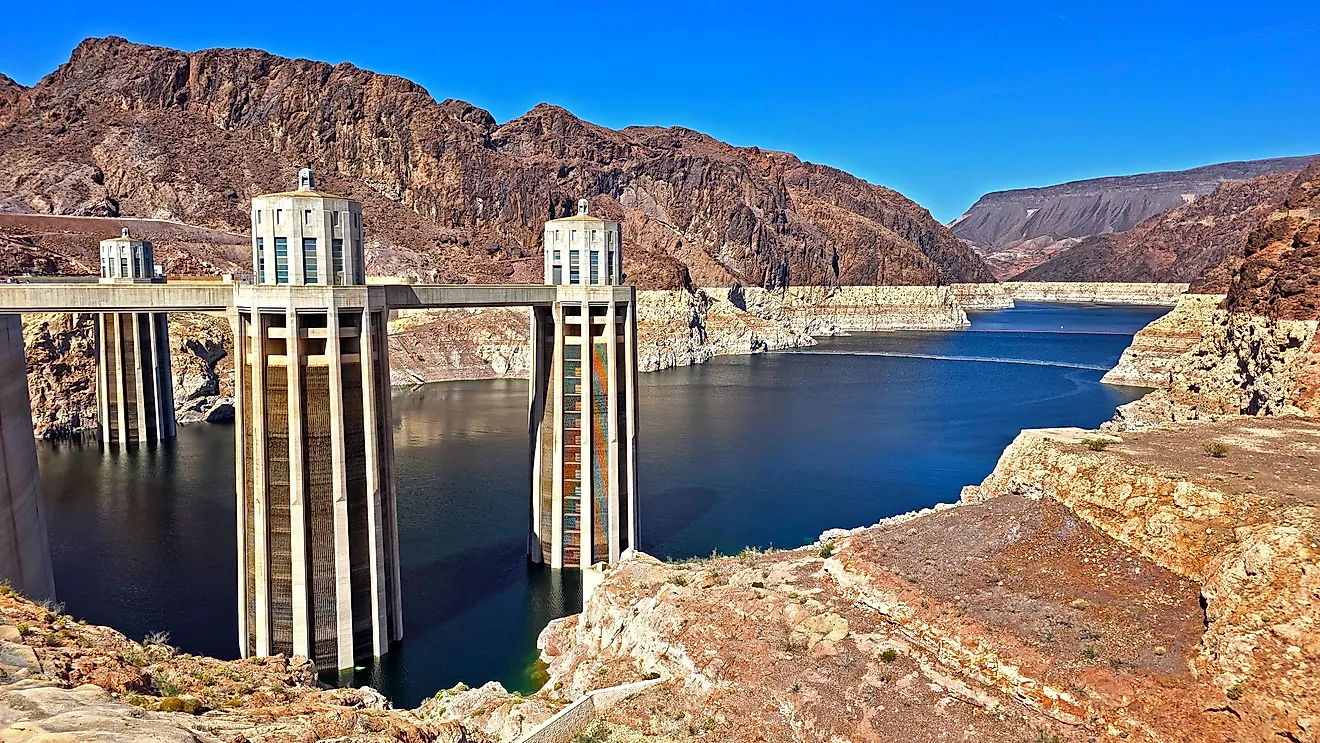
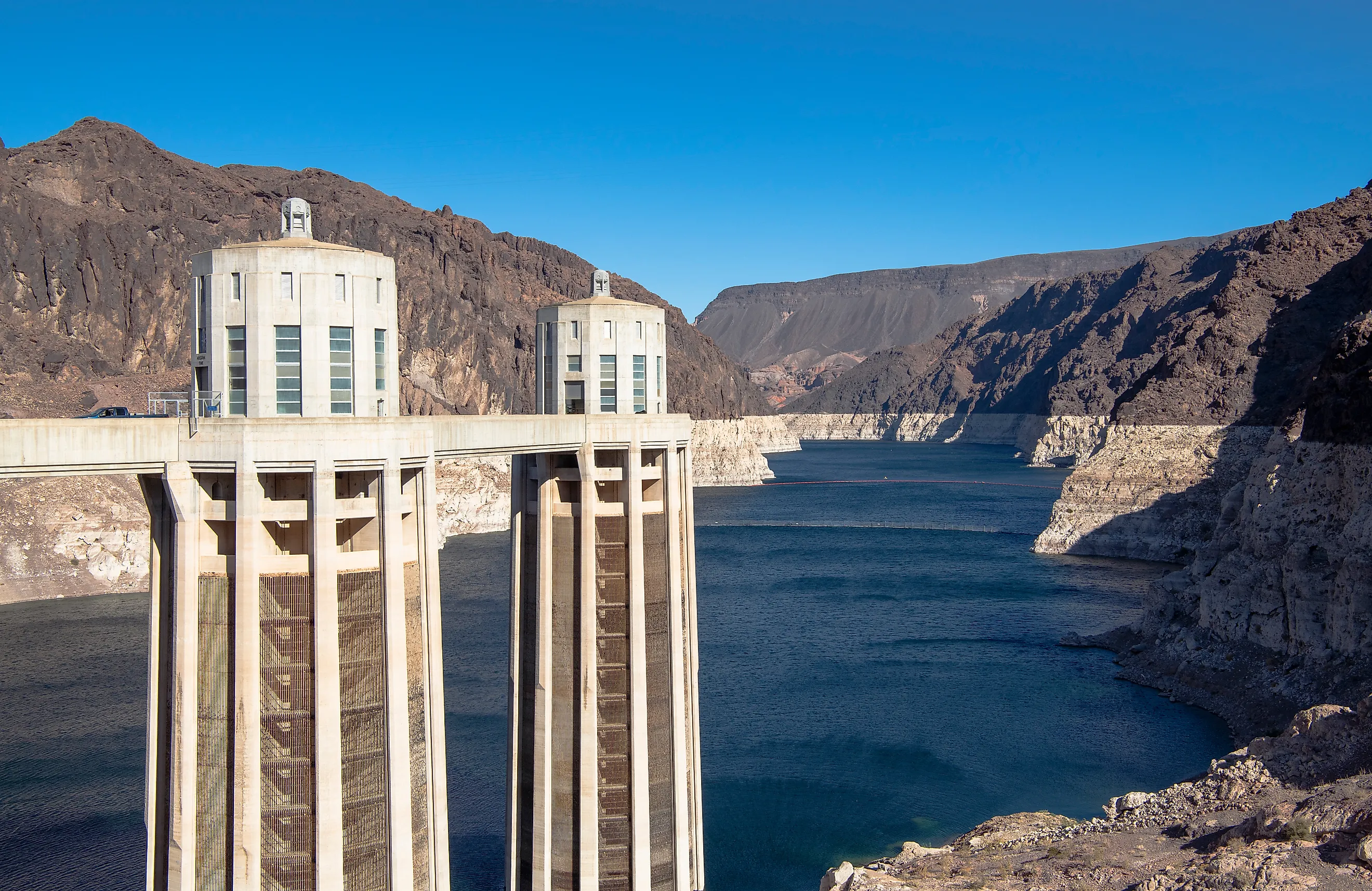
The Colorado River is the hardest-working river in America, supplying water to roughly 40 million people across seven states and Mexico, from Los Angeles and Las Vegas to Phoenix and Denver, as well as a vast swath of the nation's farmland. It is also dangerously stretched thin, over-allocated for a century and shrinking under a long drought. That naturally raises an uncomfortable question: if the Colorado could no longer do the job, where would the West get its water? For more than sixty years, people have dreamed of turning to other, wetter rivers. Here are the ones that keep coming up, and the sobering reasons each is far harder than it looks.
Why There Is No Simple Swap

Before identifying candidates, it's important to recognize the core issue: there's no spare river nearby. The West is inherently arid, and the Colorado River remains dominant because it's one of the few major rivers in a vast dry region. Any genuine alternative water source would need to be transported hundreds or thousands of miles, often going uphill and crossing mountains from wetter areas. Therefore, the serious proposals focus not on finding a new local river but on the bold and costly idea of importing water from distant basins. This concept has intrigued engineers since at least the 1960s, when the North American Water and Power Alliance envisioned a continent-wide network of canals redistributing water from the north to the south.
The Columbia River

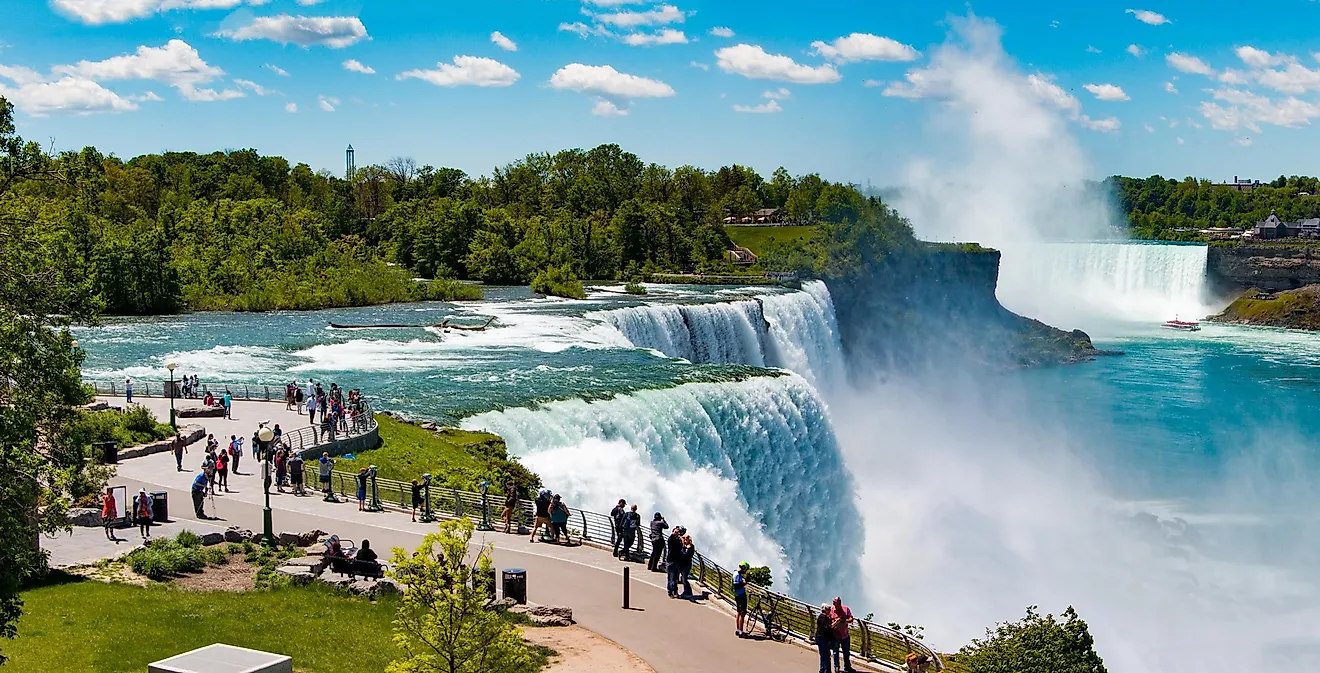
The most tantalizing target is the Columbia River, the giant of the Pacific Northwest, which discharges more water into the ocean than any other river in North America outside the far north. To a thirsty Southwest, watching all that water pour unused into the Pacific can seem almost wasteful, and diverting some of it south has been floated for decades. The obstacles, however, are immense. It would mean pumping vast quantities of water up and over mountain ranges at staggering energy cost, and the Pacific Northwest, along with the tribes and fisheries that depend on the Columbia's flows for salmon, is fiercely opposed to sending its water elsewhere. Politically and environmentally, the Columbia is very much spoken for.
The Mississippi River

Tapping into the Mississippi repeatedly comes up as a common idea. The reasoning seems compelling: the East has plenty of water, and since the river floods nearly every year, there's an argument for redirecting some of that excess westward. Recent proposals include efforts in 2021 where the Arizona legislature encouraged Congress to explore pumping Mississippi floodwaters into the Colorado River system. Other plans have envisioned aqueducts stretching nearly 1,500 miles from Louisiana to Lake Powell. Many engineers agree the project is technically feasible. However, the challenges are the cost, estimated in billions to trillions of dollars, the lengthy construction period, and most importantly, politics, since Midwestern and Southern states along the river would likely resist sharing their water with California and Arizona.
The Missouri, the Snake, and the Rest

A handful of other rivers are named whenever the topic comes up. The Missouri River, the longest in North America and a tributary of the Mississippi, is geographically closer to the West, and a 2012 federal report even proposed a roughly 600-mile pipeline to carry Missouri water to the Denver area. The Snake River in Idaho, a major branch of the Columbia, and Utah's Bear River also come up as smaller regional options. But each carries the same baggage: the water is already claimed by farms, cities, and ecosystems, and the plains and mountain states are no more eager to part with it than anyone else. Notably, the Green River is sometimes mentioned too, but it is a Colorado tributary, so it offers no new water at all.
When You Run Out of Rivers

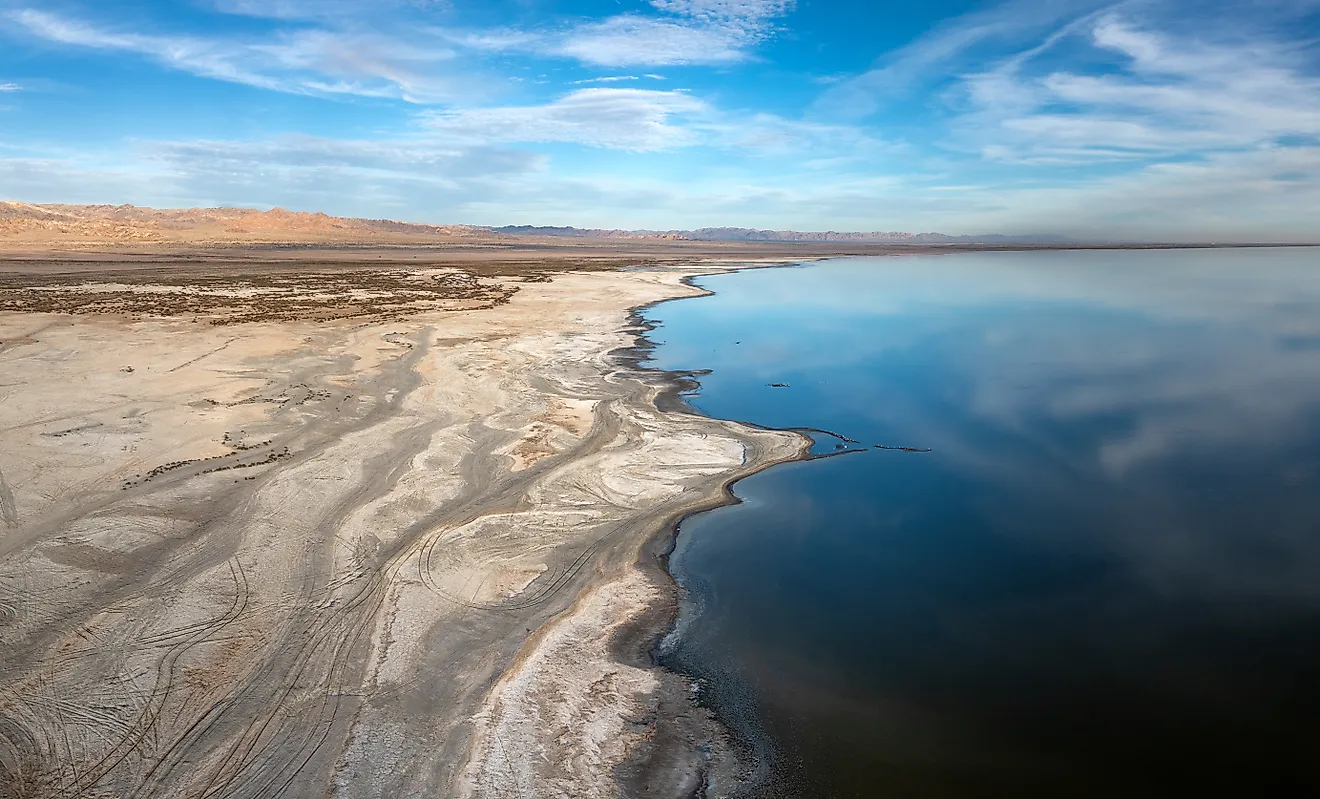
Because importing a distant river keeps hitting the same wall, the most serious attention has shifted away from rivers entirely. Desalination, turning seawater from the Pacific or the Gulf of California into a fresh water supply, is gaining ground, including proposals in which coastal states fund desalination plants in exchange for a larger share of Colorado water. Aggressive water recycling, in which cities treat and reuse their wastewater, is already expanding fast. And groundwater from underground aquifers remains a fallback, though it is being pumped out faster than it can be replenished. None of these is effortless, and all demand real sacrifices, but experts widely consider them far more feasible than a continent-spanning pipeline. The future of Western water looks less like a new river and more like the sea and the tap.
The Measured Bottom Line

Which river could save the West if the Colorado failed? The honest answer is that none realistically would, at least not soon. While every major diversion plan looks feasible on paper, in practice they are impossible in the near future due to costs, energy requirements, legal barriers, and regional reluctance to share water. This isn't a cause for alarm but a reminder that the true solution isn't a dramatic new pipeline. Instead, it lies in the quieter efforts of conservation, efficiency, recycling, and desalination. Learning to live within the water supplies the West currently has. Colorado won't be saved by another river; it will depend on how wisely we manage and use the one we have.