The US States With the Highest Snakebite Rates
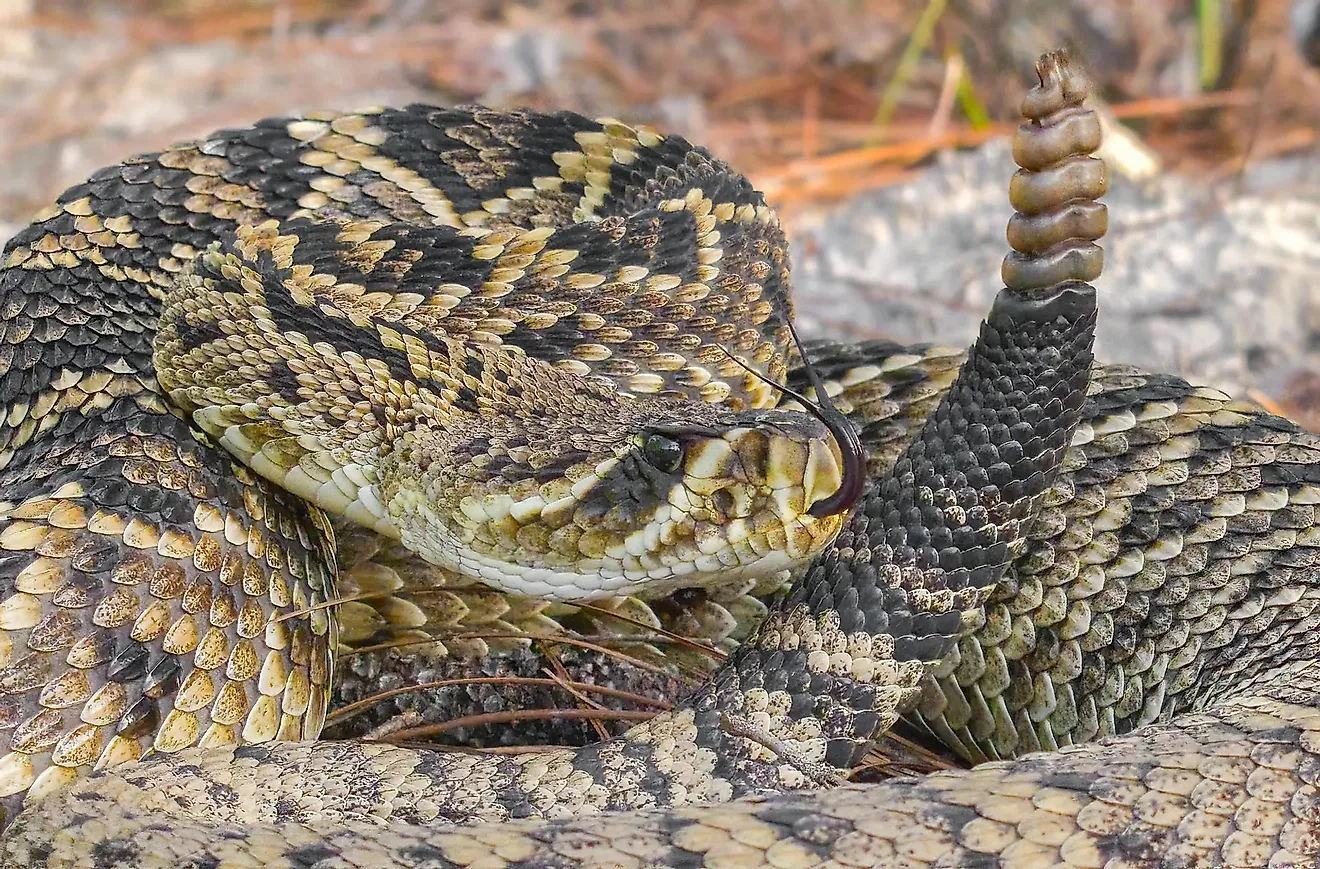
Snakebites are a significant natural hazard in the United States, where snakes are found in every state except for Alaska and Hawaii. According to the Centers for Disease Control and Prevention (CDC), an estimated 7,000 to 8,000 people are bitten by venomous snakes each year in the United States. The country is home to four groups of medically significant venomous snakes: rattlesnakes (Crotalus), copperheads (Agkistrodon), cottonmouths (Agkistrodon), and coral snakes (Micrurus). Of these, rattlesnakes are the most widespread, occurring across much of the contiguous United States, with the notable exceptions of Maine and Rhode Island, which have no venomous snake species. Rattlesnakes, copperheads, and cottonmouths are responsible for 98 percent of snakebites in the United States. But which states experience the most?
The Distribution of Venomous Snakes in the United States

The venomous snakes of the United States are distributed throughout different regions. Rattlesnakes are found throughout the nation, capable of surviving in different habitats such as mountains, prairies, deserts, and beaches. Copperheads inhabit the eastern United States, but can be found as far west as Texas. They live in forests, rocky areas, swamps, and other riparian habitats. Cottonmouths are limited to the southeastern United States. As semiaquatic snakes, they have a strong preference for aquatic habitats or habitats on the edges of wetlands. Coral snakes occupy the wooded, sandy, and marshy areas of the southern United States.
While Arizona has the most venomous snake species of any state, it does not have the most bites of any state.
Which State Has the Highest Snakebite Rates?

North Carolina experiences the most snakebites per year per million people, at 157.8, five times higher than the national average of 30 snakebites per year per million people. Snakebites are so common in North Carolina that by early June 2024, there had already been 268 reported. Around the same time, four years prior in 2020, there had been 259 snakebites according to North Carolina Poison Control officials.

North Carolina is home to the Carolina pygmy rattlesnake (Sistrurus miliarius miliarius), eastern coral snake (Micrurus fulvius), eastern cottonmouth (Agkistrodon piscivorus piscivorus), eastern diamondback rattlesnake (Crotalus adamanteus), southern copperhead (Agkistrodon contortrix contortrix), northern copperhead (Agkistrodon contortrix mokasen), and timber rattlesnake (Crotalus horridus).
North Carolina’s climate ranges from medium continental conditions in the mountainous region of the state to subtropical conditions in the southeast corner of the state. The generally mild year-round weather, paired with the absence of heavy snowfall, creates optimal conditions for snakes.
Other States with High Snakebite Rates

The states with the highest snakebite rates are concentrated largely in the south and south-central United States, where warm climates support healthy populations of venomous snakes. North Carolina is followed by West Virginia at 105.3 bites per million people per year, Arkansas at 92.9, Oklahoma at 61, Virginia at 48.7, and Texas at 44.2.

West Virginia has the second-highest snakebite rate per million people at a rate of 105.4 snakebites per million people. This is three times the national average, yet it is only home to two venomous snakes: the northern copperhead and timber rattlesnake. Arkansas and Oklahoma experience the third and fourth-highest rates of snakebites, respectively. While Virginia only has three venomous snake species, it still receives a rate of snakebites one and a half times higher than the national average. Texas has an interesting figure of snakebite rates, with 44.2 bites, yet it is home to 15 different venomous snake species. So, which snake is constant within all of these states? Copperheads.
Which Snake Bites the Most People?

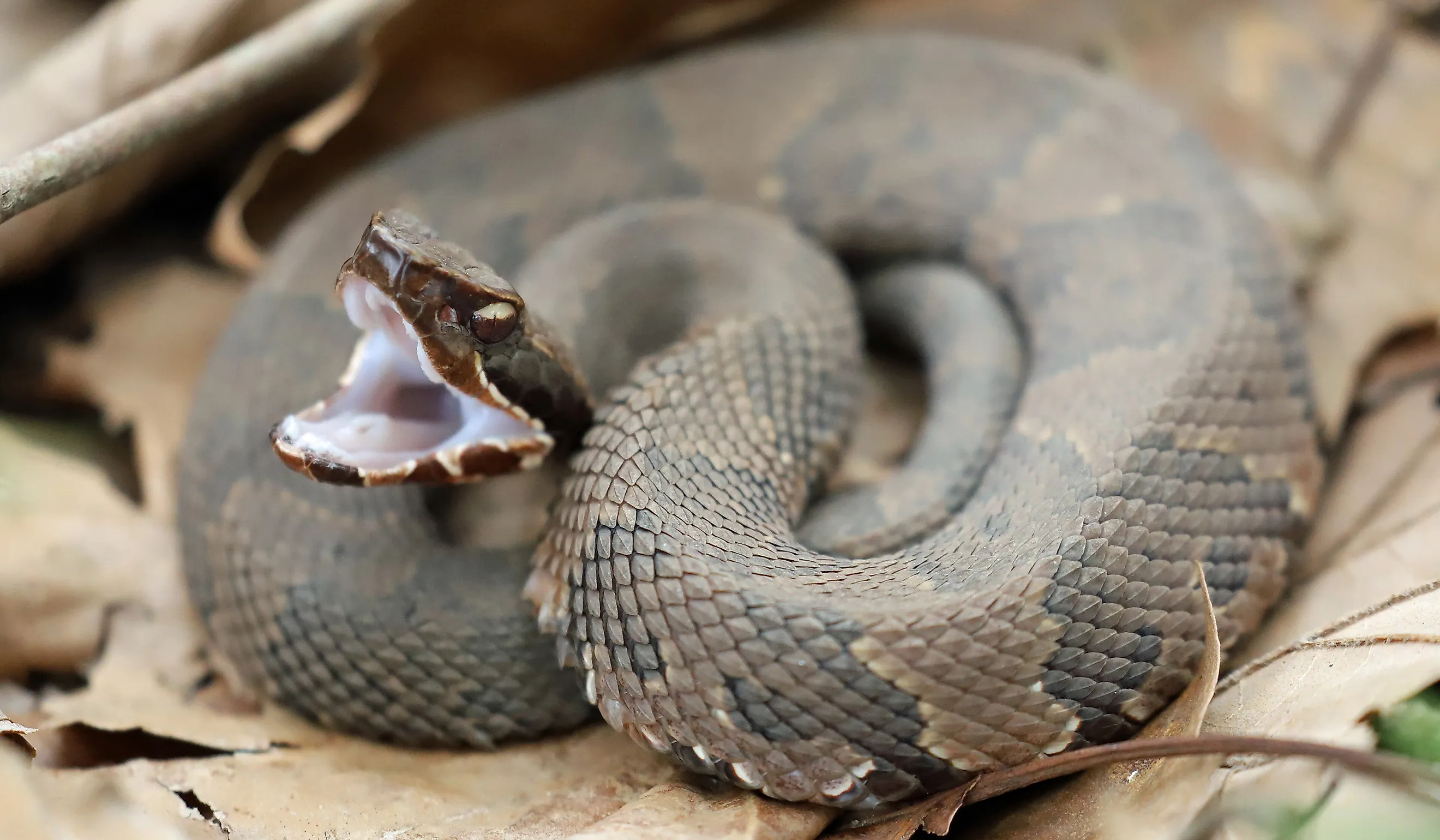
Copperheads are a species of North American pit viper. Pit vipers have heat-sensitive pit organs between the eye and the nostril on either side of their head. These pits act as infrared sensors that help them detect minute differences in temperature in the environment, including sources of heat such as prey items. Copperheads are found within the eastern United States, ranging from the Florida panhandle, extending as far north as Massachusetts and as far west as Nebraska.
Copperheads are also responsible for inflicting more bites on humans than any other species of venomous snake in the United States. An estimated 2,920 people are bitten annually by copperheads, which equates to 16.4 bites per year per million people, or about 40 percent of all snakebites. Copperhead venom contains hemotoxic properties, meaning it breaks down blood and the surrounding tissue. Immediate reactions from copperhead bites are characterized by extreme pain, rapid swelling, discoloration, and some people report a strange metallic taste in their mouth. Thankfully, their venom is mild in comparison to other species of venomous snakes; their bites are seldom fatal; and antivenom is readily available, meaning most people recover from a copperhead bite very promptly.

However, children, the elderly, and individuals with compromised immune systems and preexisting medical conditions may have stronger reactions to copperhead venom.
Unlike other venomous snakes, copperheads exhibit an extreme willingness to bite without presenting any warning signs. If they feel threatened, they will strike immediately. Due to their camouflage, most bites result from carelessly placing extremities too close to a resting copperhead.
Why Do Snakebites Happen?

Most snakebites occur in the victims’ own yards from April to October, when snakes are most active. According to a study, out of 332 media-reported snakebites in the United States between 2011 and 2013, 109 bites were to women, whereas 223 were to men. These bites occurred in 36 states, with the majority of cases in the southern half of the country. Details determining the circumstances around the snakebites were limited to 249 cases. Of these 249, 169 cases were determined to happen because the victim was unaware of the snake’s presence, whereas the remaining 80 occurred because of provocation in which the victim intentionally tried to handle, manipulate, or even possibly harm the snake.
Preventing and Treating Snakebites in the United States

Snakebites may occur depending on where the individual is. In urban areas where snakes have made their way close to people’s homes, it can be helpful to cover holes leading to crawl spaces, keep lawns mowed so snakes cannot conceal themselves, and finally, clear any log piles or other natural debris to prevent snakes from utilizing it as a viable den site.
In wild and natural areas where people may be hiking or recreating outdoors, it is good practice to remain on clear and established trails, as it will be easier to spot snakes crossing from one side of the trail to the other, or simply basking in the middle of the path. Additionally, appropriate footwear should be worn, and consideration should be given when stepping on or over rocks and logs, as snakes could be hiding in or near ground debris like this.
In the instance when people are bitten, it is important to seek appropriate medical attention immediately and try to remain calm. Do not try to treat the bite with attempts to suck out the venom, apply a tourniquet, or perform any other manipulations to the bite site.
Preventing snakebites is determined by where
While there are an estimated 7,000 to 8,000 snakebites in the United States each year, only around 10 to 15 result in death, or around 1 in every 700 bite victims. Death following a bite from any venomous snake native to the United States is uncommon, especially if medical treatment is promptly sought. While copperheads are responsible for inflicting the most bites, envenomation from a rattlesnake is likely to be more fatal. However, as with any species of wildlife, the tried and true method of limiting the chances of conflict with snakes is by leaving them alone and giving them appropriate space.