Meet 12 Incredible Conservation Heroes Saving Our Wildlife From Extinction
The twelve scientists, conservationists, and educators profiled below have made measurable differences for some of the world's most endangered species over the past three decades. The list covers biologists, ecologists, and educators who have founded organizations, helped redraw IUCN species classifications, contributed to the description of new species, and built community-based conservation programs in some of the most difficult terrain and politically charged regions on the planet. Each profile includes the conservationist's organization, target species (with its current IUCN Red List status), and the principal conservation methods they have brought to bear on the problem. Several have been recognized with the Whitley Award, often called the "Green Oscar," and with grant programs from the Indianapolis Prize, the Disney Conservation Fund, the Save Our Seas Foundation, and the Wildlife Conservation Network.
Anne Savage Is Saving Cotton-Top Tamarins In Colombia

"I clearly remember that day when I saw the cotton-top tamarins for the very first time. I was in awe! They were as tiny as a squirrel and remarkably vocal. Their chirps and whistles sounded like those made by birds. Yet, they are primates! And the shock of white hair on their head simply delighted me," said Dr. Anne Savage.

Dr. Savage founded Proyecto Tití in 1985 to study and protect the cotton-top tamarin (Saguinus oedipus) in the tropical dry forests of northern Colombia, where the one-pound primate is endemic and critically endangered. A Proyecto Tití population census found only around 7,500 cotton-top tamarins remaining in the wild, evidence that prompted the IUCN to move the species up to Critically Endangered, the highest pre-extinction risk category. The program combines field research, community education, forest restoration, and the Eco-Mochila initiative (which trains local women to make reusable bags from waste plastic, providing income that reduces pressure on the forest). Savage continues as Executive Director on the US side; Colombian architect-turned-conservationist Rosamira Guillen serves as Executive Director of Fundación Proyecto Tití in Colombia.
Anish Andheria Is Protecting Tigers In India

"The tiger alone plays a huge role in popularizing conservation in India. Without the tiger as a role model, conservation talk wouldn't have been a household matter in the country. The government, scientists and conservationists have merely piggybacked on the charisma of the tiger to secure large forested landscapes and the unlimited ecosystem services that emanate from those forests," said Dr. Anish Andheria.

Dr. Andheria is the President of the Wildlife Conservation Trust (WCT), an Indian NGO working on the conservation of large carnivores and their habitats. WCT operates in and around 160 Protected Areas across 23 Indian states, covering the majority of India's 58 tiger reserves (the network grew from 50 reserves in 2022 to 58 in 2025 with the addition of Madhav National Park in Madhya Pradesh as the most recent reserve). Andheria also helped establish "Kids for Tigers," a conservation education program for Sanctuary Asia that has reached 750 schools and roughly a quarter million children annually. He is a member of the National Tiger Conservation Authority (NTCA), which administers the 2022 all-India tiger census that put the country's wild tiger (Panthera tigris tigris) population at 3,682 (up from 2,967 in 2018), with India holding roughly three-quarters of the world's wild tigers.
Silvana Campello Is Helping The Araguaian River Dolphin In Brazil

"When I first entered Cantão, in the Araguaia River basin of Central Brazil, not only its natural beauty but also its exceptional abundance of fauna, impressed me. Among the most impressive animals was the pink dolphin, a docile and charismatic animal," said Dr. Silvana Campello.
In January 2014, a research team led by Tomas Hrbek of Brazil's Federal University of Amazonas published a paper in PLOS ONE describing the pink dolphin of the Araguaia-Tocantins river basin as genetically distinct from the Amazon river dolphin (Inia geoffrensis), based on nuclear microsatellite DNA, mitochondrial DNA, and skull morphology. The team proposed the name Inia araguaiaensis, making it the first new true river dolphin described to science since 1918. The Society for Marine Mammalogy still considers the species classification provisional given the small sample size used in the original description, but the Brazilian government recognized the new species and assigned it endangered status.

Dr. Campello and her team at Instituto Araguaia, based in Cantão State Park in Tocantins state, focus on the dolphin population in the Araguaia basin (estimated at fewer than 1,000 individuals). Their work has involved reinforcing the genetic distinctiveness of the population, mapping threats from hydroelectric dams, illegal fishing, and poaching, and developing mitigation strategies with local fishing communities. Campello herself has published research on dolphin acoustic communication and population structure in the Araguaia.
Ghana Gurung Is Conserving Snow Leopards In Nepal

"Snow leopards are one of the most enigmatic creatures, residing in challenging terrains. Over the decades, we have been learning new and exciting things about snow leopards. Ground-breaking scientific research and monitoring tools have been introduced in Nepal, such as camera trap monitoring, genetic studies, and satellite telemetry," said Dr. Ghana Gurung.

Dr. Gurung is the Country Representative of WWF Nepal. Growing up in a herder family in the Himalayan foothills, he initially knew snow leopards as the predators that periodically killed his family's livestock. His subsequent training in wildlife biology turned that relationship into research, and his work in Nepal has helped establish camera-trap monitoring grids, satellite telemetry studies, and genetic-sampling programs for the species across the country's high-altitude landscapes. The snow leopard (Panthera uncia), classified as Vulnerable on the IUCN Red List, is threatened by habitat loss, retaliatory killings by herders, poaching for skins and bones, and the upward shift of treelines under climate change.
Elena Bykova Is Saving The Saiga Antelope In Uzbekistan

"Everything about the saiga antelope is fascinating, but what bewilders me most is the way nature has so perfectly designed it to survive in the extreme conditions of its habitat. The unique humped nose of the saiga is its most striking feature. It works as both a natural vacuum cleaner in the dusty summers and as a heater in the chilly winters of its habitat," said Elena Bykova.

Bykova is Executive Secretary of the Saiga Conservation Alliance (SCA), working out of Uzbekistan. Her focus is the population of saiga antelope (Saiga tatarica) on the Ustyurt plateau between Uzbekistan and Kazakhstan, which has been hit harder than most by poaching for the saiga's translucent horn (sold to the traditional medicine market in East Asia). The species suffered catastrophic die-offs in 2010, 2015, and 2017 from bacterial infections triggered by environmental stress, with the 2015 event alone killing more than 200,000 animals (over 60 percent of the global population) in a matter of weeks. Bykova's work centers on anti-poaching coordination with regional governments, alternative-livelihood support for communities adjacent to saiga range, and the protection of seasonal calving grounds.
Nikolai Petkov Is Protecting The Red-breasted Goose In Bulgaria

"Everything about this bird is fascinating. Being a long-distance migrant, it takes astoundingly lengthy flights. Every year it flies around 6,000 km to and fro between the Arctic region and the northwestern shores of the Black Sea. The red-breasted goose is also one of the most splendidly colored species of geese," said Dr. Nikolai Petkov about the bird he is protecting in Bulgaria.
The species winters primarily on the northwestern Black Sea coast in Bulgaria and Romania after breeding on the Russian Arctic tundra near the Taymyr Peninsula. Its global population has fallen sharply since the 1990s due to changes in land use along the migration route, illegal hunting, and climate-driven shifts in agricultural patterns at the wintering grounds.

Dr. Petkov and his team at the Bulgarian Society for the Protection of Birds (BSPB) work to mitigate threats to the red-breasted goose (Branta ruficollis, classified Vulnerable on the IUCN Red List) by protecting key wetland habitats, monitoring populations and bird health, and coordinating anti-poaching enforcement across the species' migration corridor.
Marilyn Connell Is Helping The Mary River Turtle In Australia

The Mary River turtle (Elusor macrurus) is endemic to the Mary River system in Queensland, Australia, and is one of the most distinctive turtles in the world.
"The Mary River turtle takes in oxygen in two ways - through its mouth when it surfaces and through the gill-like structure in its cloaca. Hence, it is colloquially known as the 'bum-breathing' turtle. On occasions, they have also been found with a crop of algae growing on their head, which led to the species becoming called the punk turtle," said Marilyn Connell, who heads the Mary River Turtle Conservation Project.

The Mary River turtle is listed as Endangered on the IUCN Red List, with the primary threats being predation of eggs and hatchlings by introduced foxes and feral pigs, in-stream habitat degradation, and historic collection for the pet trade in the 1960s and 1970s (when up to 15,000 hatchlings a year were shipped out before the trade was banned). Connell's project monitors river nest sites, protects clutches with predator-exclusion cages, and works with landholders along the Mary River on bank restoration.
Rachel Ikemeh Is Conserving The Niger Delta Red Colobus Monkey In Nigeria

Working in one of the most challenging environments for primate conservation anywhere on the planet, against threats from habitat destruction, bushmeat hunting, and the armed insurgency of the broader Niger Delta region, Rachel Ikemeh directs the SW/Niger Delta Forest Project. Her team's research and advocacy have brought international attention to the Niger Delta red colobus monkey (Piliocolobus epieni), contributed to the establishment of new protected areas, and reduced poaching pressure at several sites.

"The Niger Delta red colobus monkey is an important primate species surviving in one of the most volatile environments in the world. They play very vital roles in maintaining the ecosystem. Conserving them will mean conserving their marsh forest habitat and surrounding mangrove. These areas are essential for other wildlife species like fishes, frogs, pangolins, reptiles, and birds and valuable to preserving local livelihoods and cultures," said Ikemeh.
Yoki Hadiprakarsa Is Saving The Helmeted Hornbill In Indonesia

"In 2012, I came across a visually disturbing photograph showing the stacked casques of helmeted hornbills on sale in a black market in Borneo. This haunting image, and later, when I met a villager selling real dried helmeted hornbill heads, shook me up completely. They drove me to profile the crisis facing the helmeted hornbill," said Yoki Hadiprakarsa.

Hadiprakarsa is Founder and Principal Researcher of Rangkong Indonesia, an NGO working on the conservation of the helmeted hornbill (Rhinoplax vigil) and twelve other hornbill species across Indonesia. The helmeted hornbill is classified as Critically Endangered, primarily because the solid keratin "casque" on the bird's head can be carved like ivory and has been targeted by an illegal trade based mostly in mainland China. Hadiprakarsa's team conducts population estimates, partners with local communities on nest monitoring, and advocates internationally for stronger enforcement against the casque trade. He was named a Whitley Award winner in 2020 alongside Jeanne Tarrant.
Jeanne Tarrant Is Protecting Frogs In South Africa

"They are astonishingly diverse, fascinating, and beautiful. Amphibians also play highly important roles in the ecosystem. Unfortunately, today, amphibians are the most threatened group of vertebrates on this planet. According to the IUCN Red List of threatened species, 41% of amphibian species face extinction," said Dr. Jeanne Tarrant.

Dr. Tarrant manages the Threatened Amphibian Programme at the Endangered Wildlife Trust (EWT), the only NGO program in southern Africa focused specifically on frog conservation. Among her team's notable achievements is the 2011 rediscovery of the Critically Endangered Amathole toad, which had not been recorded in the wild for 13 years. South Africa has 135 native frog species, almost two-thirds of which are found nowhere else on Earth. In April 2020, Tarrant won the Whitley Award (often called the "Green Oscar"), worth £40,000, from the UK-based Whitley Fund for Nature, and in 2022 she founded a second non-profit, Anura Africa, to support landscape-scale amphibian conservation across the continent. The 41 percent figure she cites for amphibian extinction risk comes from the most recent IUCN global assessment, which confirmed amphibians as the most threatened class of vertebrates anywhere on the planet.
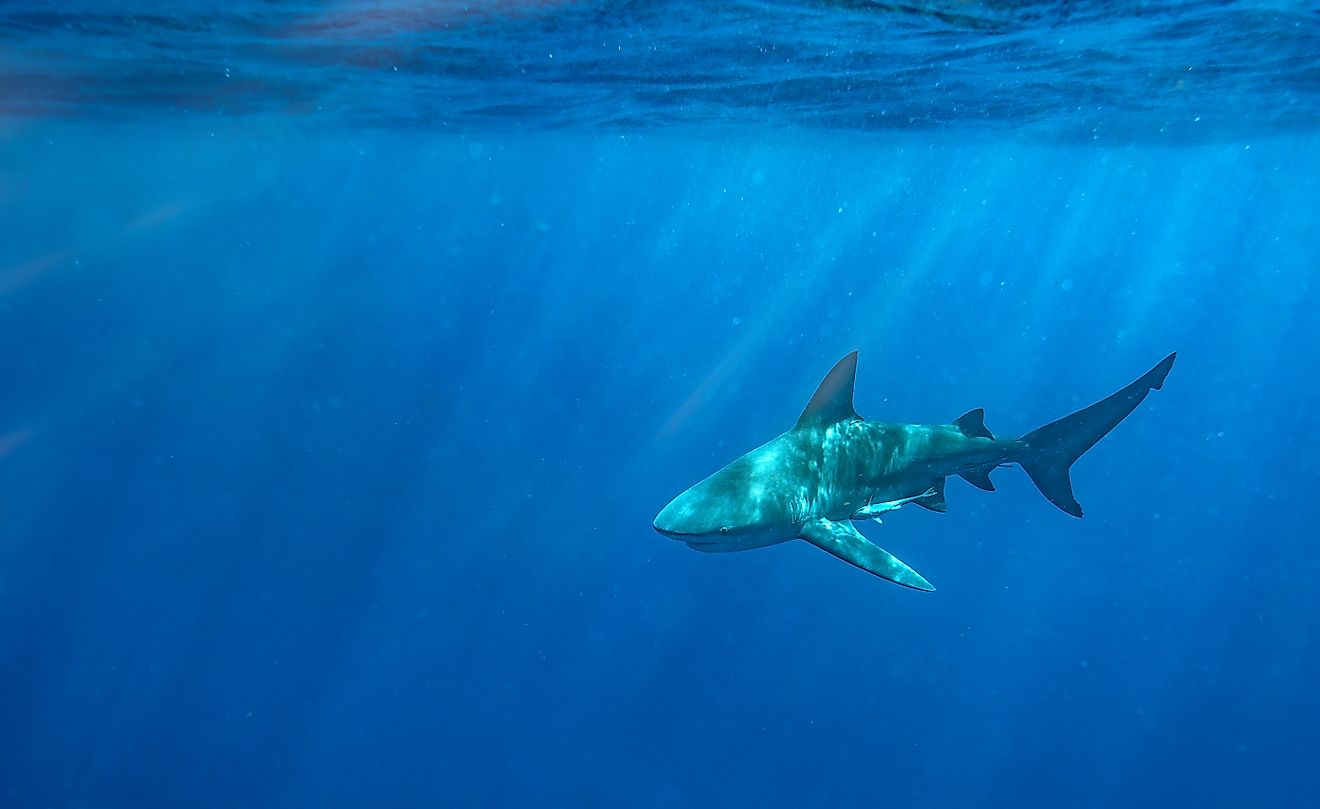
Jillian Morris Brake Is Saving Sharks In The United States

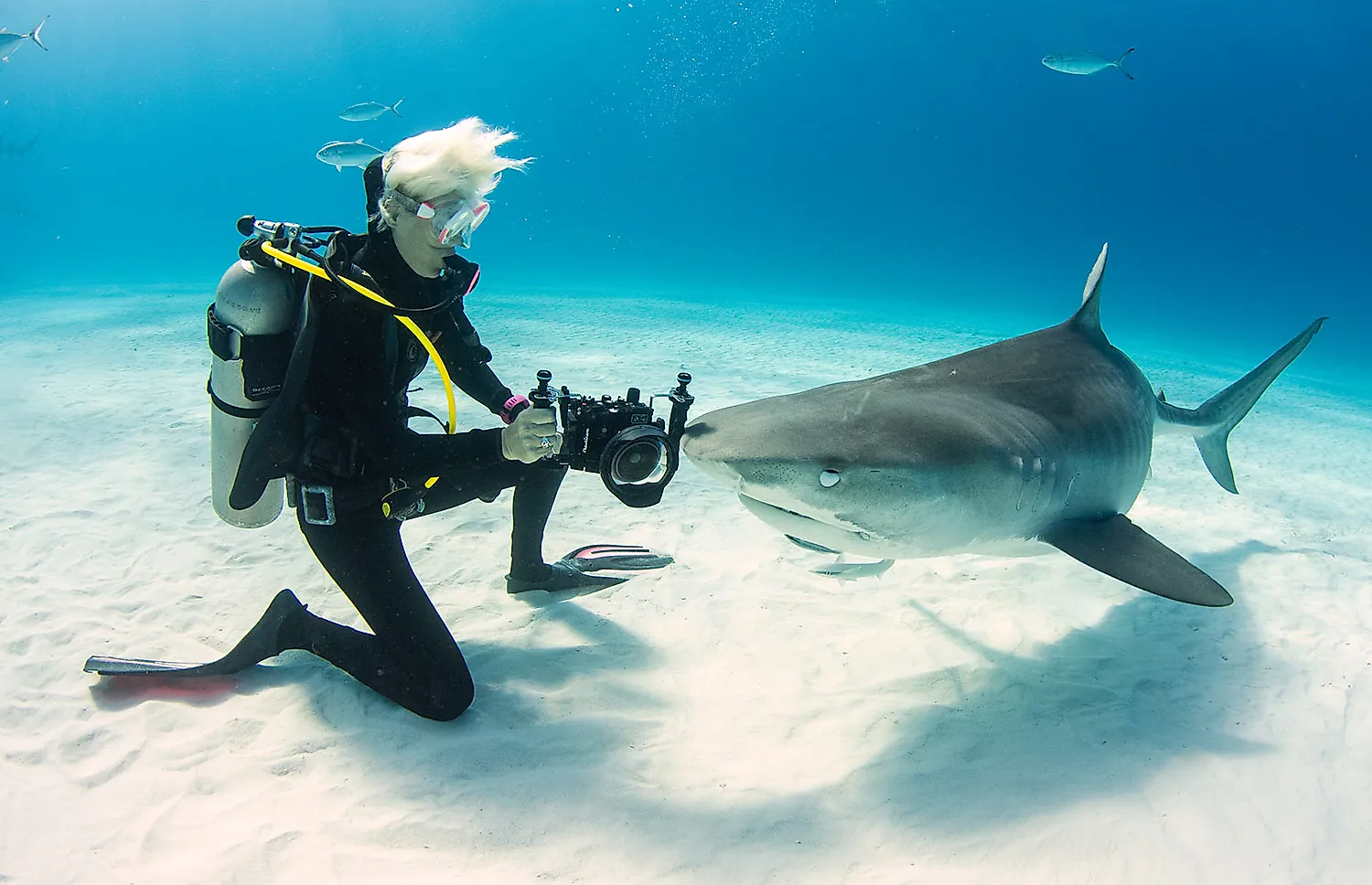
Jillian Morris-Brake grew up exploring tide pools on the Maine coast and snorkeling on family trips to Florida, and later trained as a marine biologist with a focus on sharks. In 2013 she launched Sharks4Kids with her husband Duncan Brake (a videographer and underwater photographer) and shark scientist Derek Burkholder, with the goal of using free curriculum materials and in-person shark-tagging field trips to turn fear of sharks into informed advocacy. Sharks4Kids is now based on the island of South Bimini in the Bahamas and has reached more than 200,000 students in over 76 countries through classroom visits, virtual lessons, and free field trips, with curriculum aligned to Next Generation Science Standards and the UN Sustainable Development Goals.

"Kids give me hope and courage every single day. I created Sharks4Kids because I believe kids can save sharks. They are passionate, empathetic, and are taking action. They are far more powerful than they realize, and they inspire me, no matter how tough some days can be," said Morris-Brake.
Indira Dayang Lacerna-Widmann Is Helping The Philippine Cockatoo In The Philippines

The Philippine cockatoo (Cacatua haematuropygia) is a Critically Endangered parrot endemic to the Philippines, found today in only a handful of remote islands, with the largest remaining population on the Rasa Island Wildlife Sanctuary off Palawan. Decades of trapping for the international pet trade, combined with lowland forest loss, reduced the wild population to fewer than 1,000 individuals by the early 2000s. Indira Dayang Lacerna-Widmann and her colleagues at the Katala Foundation (named for the bird's local Filipino name) have built a nest-protection program around Rasa Island that has employed former trappers as nest wardens, and the Palawan population has roughly tripled from its early-2000s low.

"The look in the eyes of the rescued cockatoos gives me hope. Also, the very thought of protecting a species that numbers less than a thousand instills a sense of great responsibility in me. Even after 20 years, I feel the same excitement I felt initially when I put leg bands on the new batch of hatchlings every year! The simplicity, genuine display of gratitude, extreme honesty, and diligent work attitude of the local people including the ex-poachers and the persons deprived of liberty (PDLs) also serve to inspire me a lot," said Lacerna-Widmann.
Why These Conservation Programs Matter
The species covered in these profiles range from a one-pound Colombian primate to a six-thousand-kilometer migratory goose, but the programs that protect them share common features: long-term local presence, scientific monitoring built on camera traps and population censuses, community involvement that converts former poachers and trappers into wardens and guides, and a willingness to work in difficult terrain over decades rather than years. Of the twelve species profiled here, ten are classified Endangered or Critically Endangered on the IUCN Red List; the Mary River turtle and the snow leopard sit one rung below at Vulnerable, but both have populations small enough that targeted, sustained programs of this kind are the principal reason they remain in the wild at all.