Why the Ottomans Became One of History’s Longest-Lasting Empires
The Ottoman Empire existed from around 1300 to 1922, making it one of the longest-lasting empires in history. This longevity challenges a common perception in the West that the empire was in decline for much of its history. While it faced serious challenges in its later years, its survival for more than half a millennium points to enduring structural strengths within the Ottoman system. These strengths were not accidental. They included military organization, approaches to religion, and advantageous geopolitical and economic positioning, all of which contributed to the empire’s ability to expand, govern, and persist across diverse regions and populations for centuries.
Military Strength

One of the main reasons why the Ottoman Empire existed for so long was its military strength. In its early years, the cornerstone of Ottoman military strength was the Janissaries, an elite corps tied directly to the sultan. Many were recruited through the devşirme system, in which Christian boys from the Balkans were taken from their families, converted to Islam, and trained for imperial service. That upbringing helped ensure their primary loyalty was to the sultan.

As one of the first modern standing armies, the Janissaries were disciplined, professional, and highly respected for their prowess, especially in the 15th and 16th centuries. Ottoman investment in gunpowder weapons and siege artillery gave them key advantages in major battles, including the Conquest of Constantinople in 1453. Together, these factors allowed the Ottomans to expand their territory rapidly in their early history.
Religious Legitimacy and Flexibility

Religion played a central role in the longevity of the Ottoman Empire. Islam served as a guiding and legitimizing principle for the sultan. Sharia influenced many aspects of politics, but it operated alongside kanun, the sultan’s administrative law, including in taxation and the court system. After the Ottomans gained control of the Hejaz, including Mecca and Medina, in 1517, Ottoman rulers claimed the title of Caliph. This strengthened their legitimacy across the Sunni Islamic world and helped unify Muslims across diverse ethnic, cultural, and geographic backgrounds. In later centuries, it also became a useful tool in diplomacy beyond the empire’s borders.

At the same time, the relatively tolerant treatment of religious minorities was also important to the empire’s survival. The millet arrangements gave Jewish and Christian communities autonomy in areas like education and personal-status law, while many disputes still went through Ottoman courts. In return, they paid a special tax known as the jizya and accepted Ottoman political authority. Unlike policies such as Spain’s expulsion of Jews in 1492 and the Morisco deportations beginning in 1609, the Ottoman state generally allowed Jewish and Christian communities to maintain organized religious and communal life, maintain organized communal life, even though they remained legally subordinate. This approach helped limit large-scale resistance and contributed to the empire’s long-term stability.
Decentralization

The relative tolerance of religious minorities was closely connected to one of the Ottoman Empire’s key administrative features: decentralisation. Rather than centrally managing every aspect of governance, Ottoman authorities allowed many local leaders to retain their positions of power. This approach had two main effects. First, it enabled rapid territorial expansion. The Ottomans often governed through local elites and existing structures while introducing key systems such as the timar revenue-for-service framework. Second, it reduced the likelihood of resistance, as many communities experienced continuity in everyday administration, even as Ottoman taxation and land-revenue systems were introduced.
This decentralised system later created difficulties in the nineteenth and early twentieth centuries, when rising nationalist movements challenged imperial cohesion, despite efforts to promote Ottomanism and a shared citizenship. Nevertheless, in the empire’s early and middle periods, decentralisation played an important role in maintaining control over vast and diverse territories.
Economic Advantages

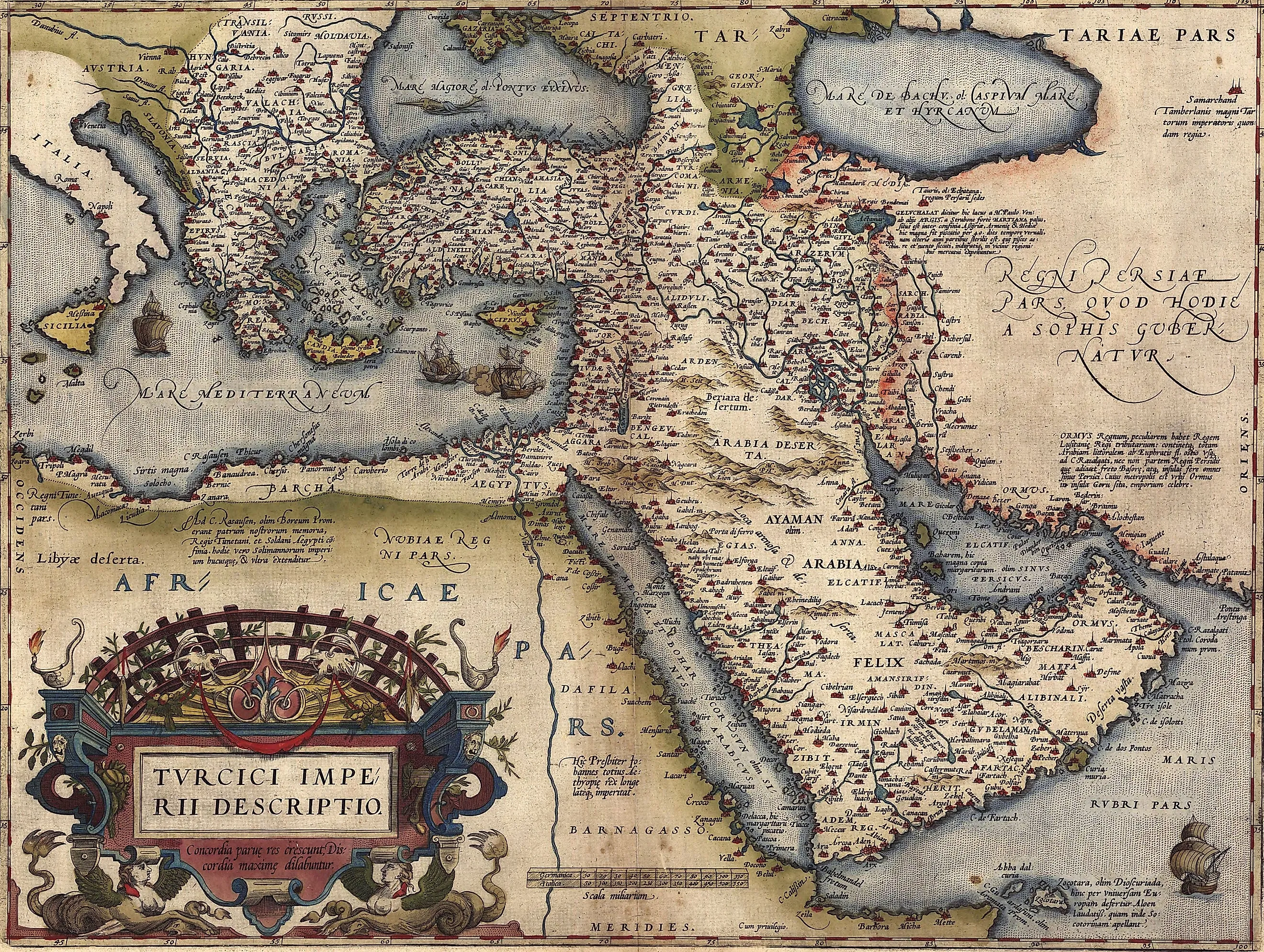
The Ottoman Empire also benefited from several important economic advantages. Its location at the crossroads of Europe, Asia, and Africa made it a major hub for trade. The empire’s size provided access to a wide range of goods, including sugar and cotton from Egypt, grains from Anatolia, oranges and lemons from the Levant, and olives and tobacco from the Balkans. This diversity created numerous trading opportunities and helped ensure that the Ottoman economy was not dependent on a single region or product. Together, these factors supported economic stability and contributed to the empire’s long-term resilience.
Importance and Legacy

There were several reasons why the Ottoman Empire lasted for as long as it did. Early on, the strength of the Janissaries enabled rapid territorial expansion, supported by the decentralised nature of Ottoman governance. The empire’s handling of religion was also central to its durability. Ottoman rulers presented themselves as legitimate leaders of Sunni Islam while allowing religious minorities a degree of autonomy that was uncommon in many other empires of the period. Finally, the sheer size and geographic position of the empire provided significant economic advantages, helping sustain Ottoman power over several centuries.