Why Lake Mead Keeps Dropping Through The Fall
Lake Mead mostly does not drop through the fall, and that is the useful thing to know about it. The reservoir's steepest seasonal declines come in spring and early summer, when downstream demand climbs and releases continue, and autumn is typically when the fall flattens out. The numbers for this year say exactly that. Mead sat at 1,038.06 feet on September 23 and 1,037.76 on October 6, a drop of three tenths of a foot across thirteen days, after months of far faster losses. The reservoir is not falling through the fall. It is leveling off, having already done its falling earlier in the year. Why that happens is the opposite of the story upstream.
Mead Has No Snowmelt

This is the structural difference that drives everything else. Lake Powell is fed by the Colorado and its tributaries, so it rises when the mountains melt in spring and falls for the rest of the year.
Lake Mead is fed by Glen Canyon Dam. Its inflow is a scheduled release decided by Reclamation under operating rules, not a river responding to weather. Snowmelt reaches Mead only after it has passed through Powell, been stored, and been let out on a timetable.
A reservoir whose inflow is a schedule does not have a runoff season. What it has instead is a demand season.
The Demand Season Is Summer
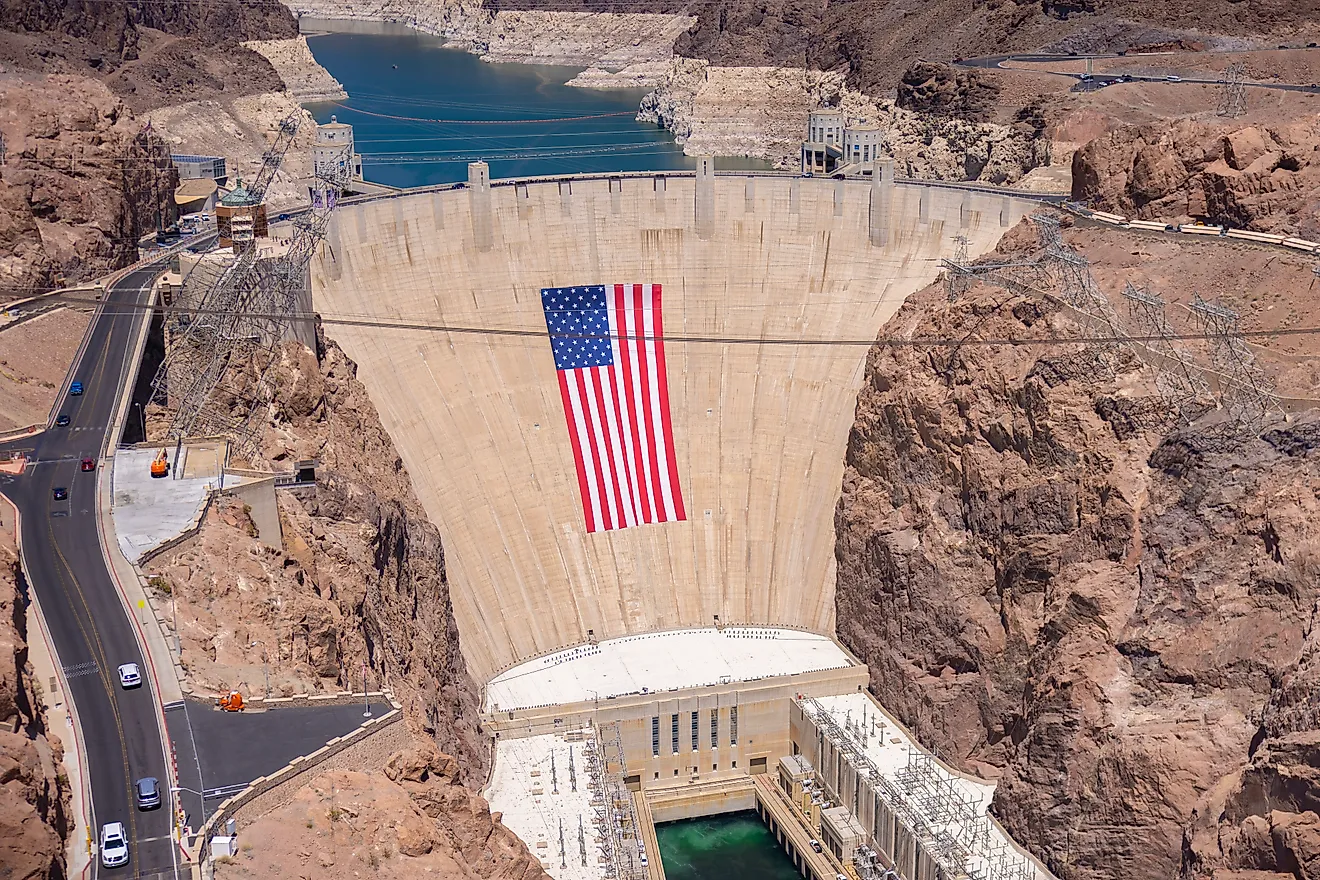
Lake Mead's job is delivering water to Arizona, California, Nevada and Mexico, and the large majority of it goes to agriculture. Irrigation demand peaks through the growing season, which in the Lower Colorado means spring through late summer. Hoover Dam releases more to meet it, the reservoir drops faster, and the steepest part of the annual decline lands months before autumn arrives.
Then the growing season winds down, deliveries fall off, and the curve flattens. That is the part of the cycle the lake is entering now.
Evaporation Follows The Same Calendar
The second seasonal loss works in the same direction across roughly the same months. Mead sits in the Mojave Desert with an enormous surface area, and evaporative demand peaks in high summer. Water leaving as vapor never appears in any delivery schedule and never reaches a farm, but it comes off the top of the reservoir at its fastest rate precisely when the irrigation draw is also at its heaviest.
Two of Mead's three main losses therefore peak together, in the months before autumn.
What 2026 Did Differently
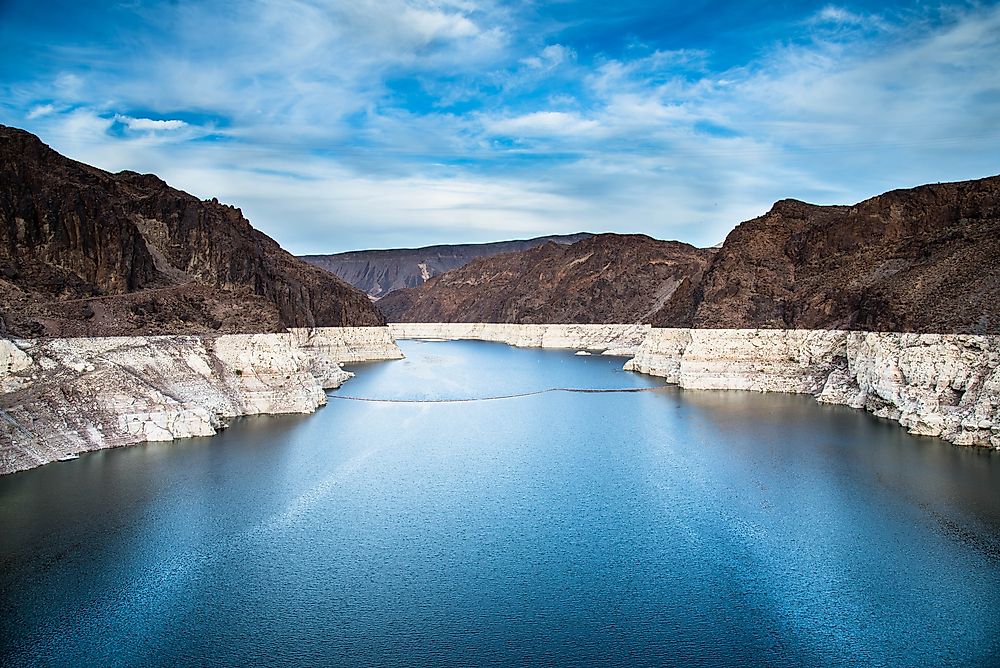
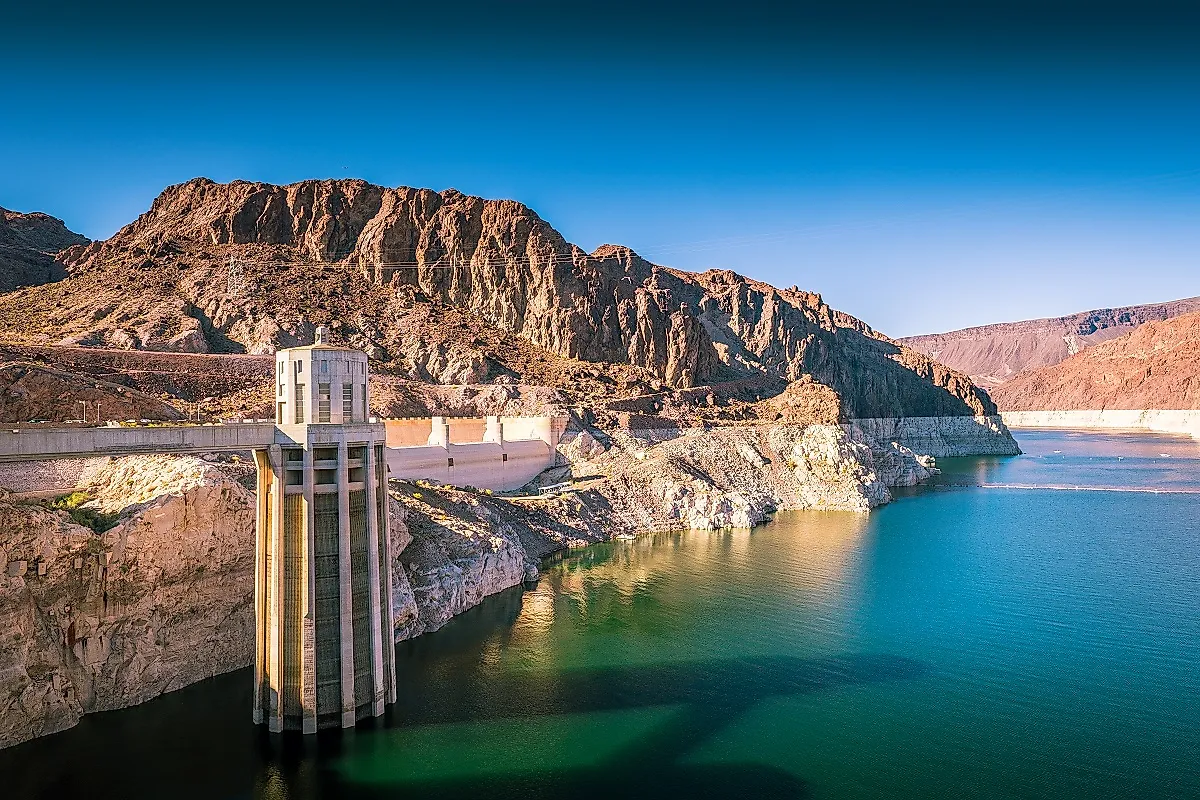
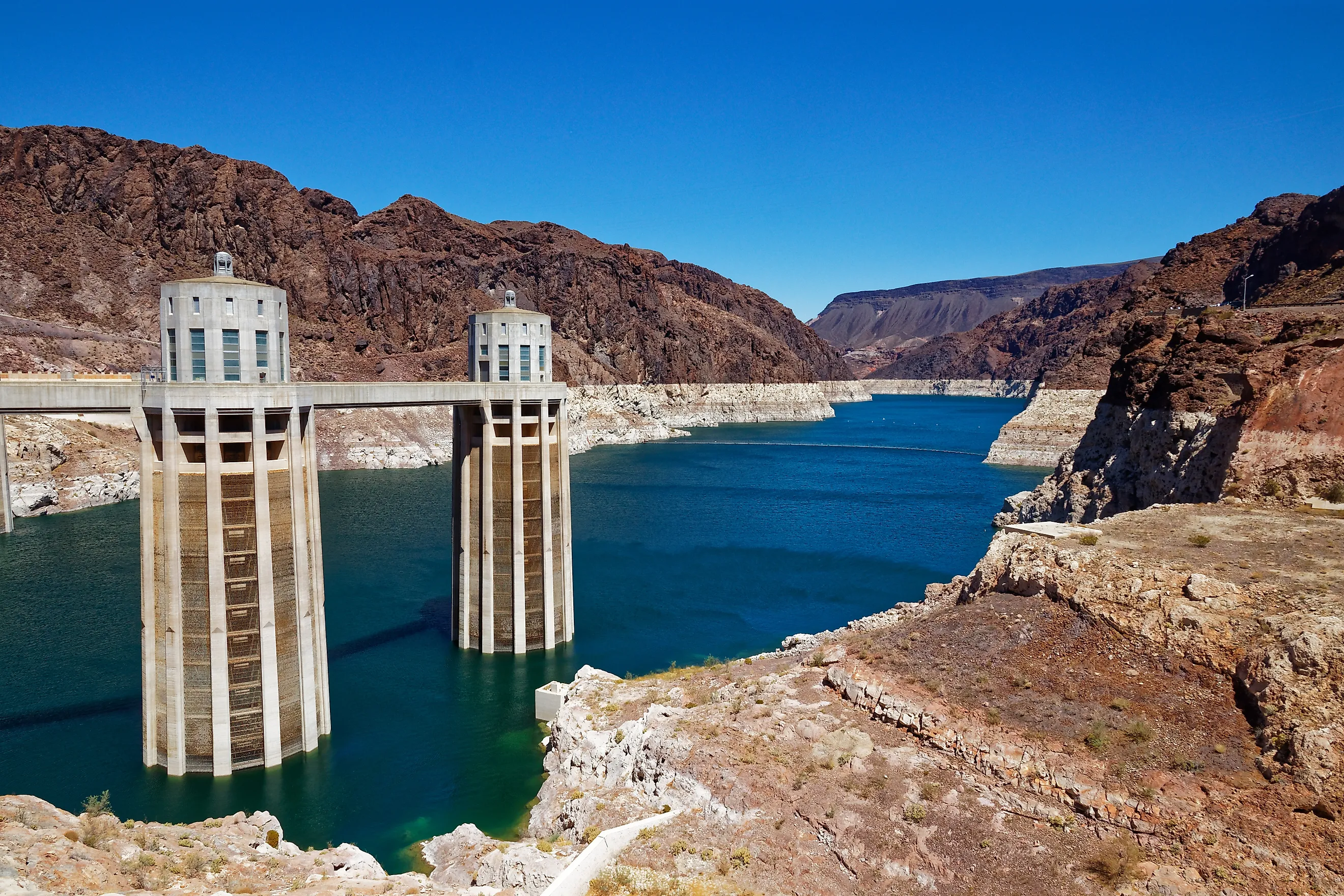
This year the pattern held but ran late, which is why the question in the headline gets asked at all. Mead kept falling deeper into the summer than it usually does. It set a modern record low of 1,040.40 feet on August 7, then carried on down to 1,037.76 by early October, another 2.64 feet below the record it had just set.
The reservoir is now about 26 percent full and sits roughly 191 feet below full pool. The drawdown arrived late and ran long, which makes an autumn that should look flat look like a continuing decline.
Upstream Did Not Help
The other reason this year looks unusual is what Glen Canyon Dam sent down. Powell's scheduled release for water year 2026 under the Mid-Elevation Release Tier was 7.48 million acre-feet. Reclamation cut it to 6.0 million, the lowest the current rules allow, specifically to keep water in Powell.
That decision protects the upstream reservoir and takes directly from the downstream one. Mead's inflow is Powell's outflow, so every acre-foot held back above Glen Canyon Dam is an acre-foot that does not arrive at Hoover.
The Deficit Underneath The Season
Everything above is seasonal. The reason Mead never climbs back to where it started is not.
The Colorado is over-allocated, and water managers call the resulting gap the structural deficit: roughly 1.2 million acre-feet a year more is promised and released downstream than actually arrives. Glen Canyon Dam has historically been required to deliver around 8.23 million acre-feet a year, while Hoover has released over 9 million.
That difference is why Mead's record low in 2022 was followed by a lower one in 2026. The seasonal cycle moves the lake up and down. The deficit moves the whole cycle down.
It Is A Multi-Year Reservoir
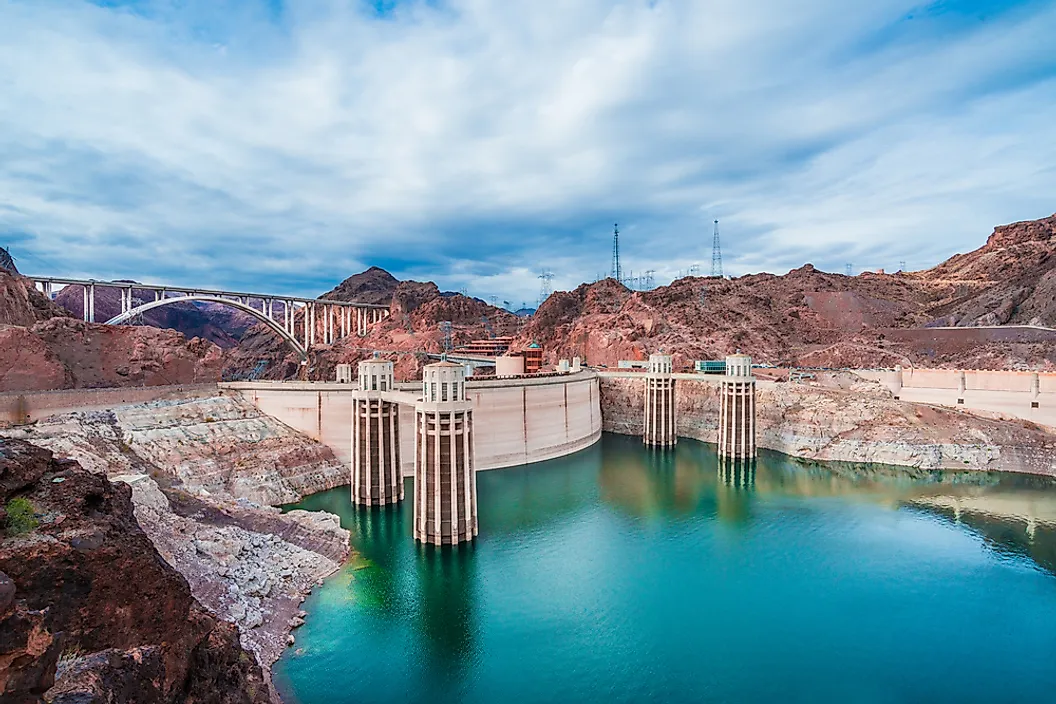
Here is the distinction that explains why Mead behaves so differently from the lakes most people know. A recreation lake fills every spring and empties every autumn, resetting annually. Mead is a multi-year storage reservoir, designed to hold water across years so a dry season can be absorbed without anyone noticing.
That means its level does not reset. A strong winter adds to the balance rather than refilling it, which is why no single wet year can restore the reservoir while the deficit runs.
What Autumn Usually Brings
In an ordinary year the months ahead are the flat part of Mead's curve, and sometimes the recovering part. Deliveries drop with the end of the growing season. Evaporation falls with the temperature. And the snow that will eventually reach the lake begins accumulating in the Rockies, though it will not arrive here until it has melted, flowed to Powell, been stored, and been released months later.
That lag is the thing to hold onto. A good winter in Colorado does not show up at Hoover Dam until well into the following year.
Where It Actually Sits

As of early October 2026, Lake Mead is near 1,037.8 feet and about 26 percent full, having lost roughly three tenths of a foot across the preceding fortnight.
For scale, minimum power pool at Hoover Dam is 950 feet and dead pool is 895, so the reservoir retains something like 88 feet of margin above the elevation at which the turbines stop. That is real headroom, and it is considerably more than Lake Powell currently has upstream.
The Short Version
Lake Mead drops hardest in spring and summer because its losses are driven by irrigation demand and desert evaporation rather than by the end of a runoff season. Autumn is normally when the decline eases.
What makes this year look different is that the drawdown ran later than usual, on top of a reduced release from Powell, on top of a structural deficit that has been lowering the baseline for twenty-five years. The season is behaving roughly as it should. The trend underneath it is the problem.