The Difference Between A Sea And An Ocean
Stand on a beach anywhere in the world and the water in front of you is part of a single connected system, even if the map calls it a sea in one place and an ocean in another. The two words often get used as if they mean the same thing, but they describe bodies of water that differ in size, depth, chemistry, and the life they hold. An ocean is one of the major divisions of that global system, while a sea is usually a smaller, shallower stretch closer to shore, often ringed by land. Those distinctions shape everything from regional weather to where marine life concentrates. Here is a closer look at what separates a sea from an ocean.
Size

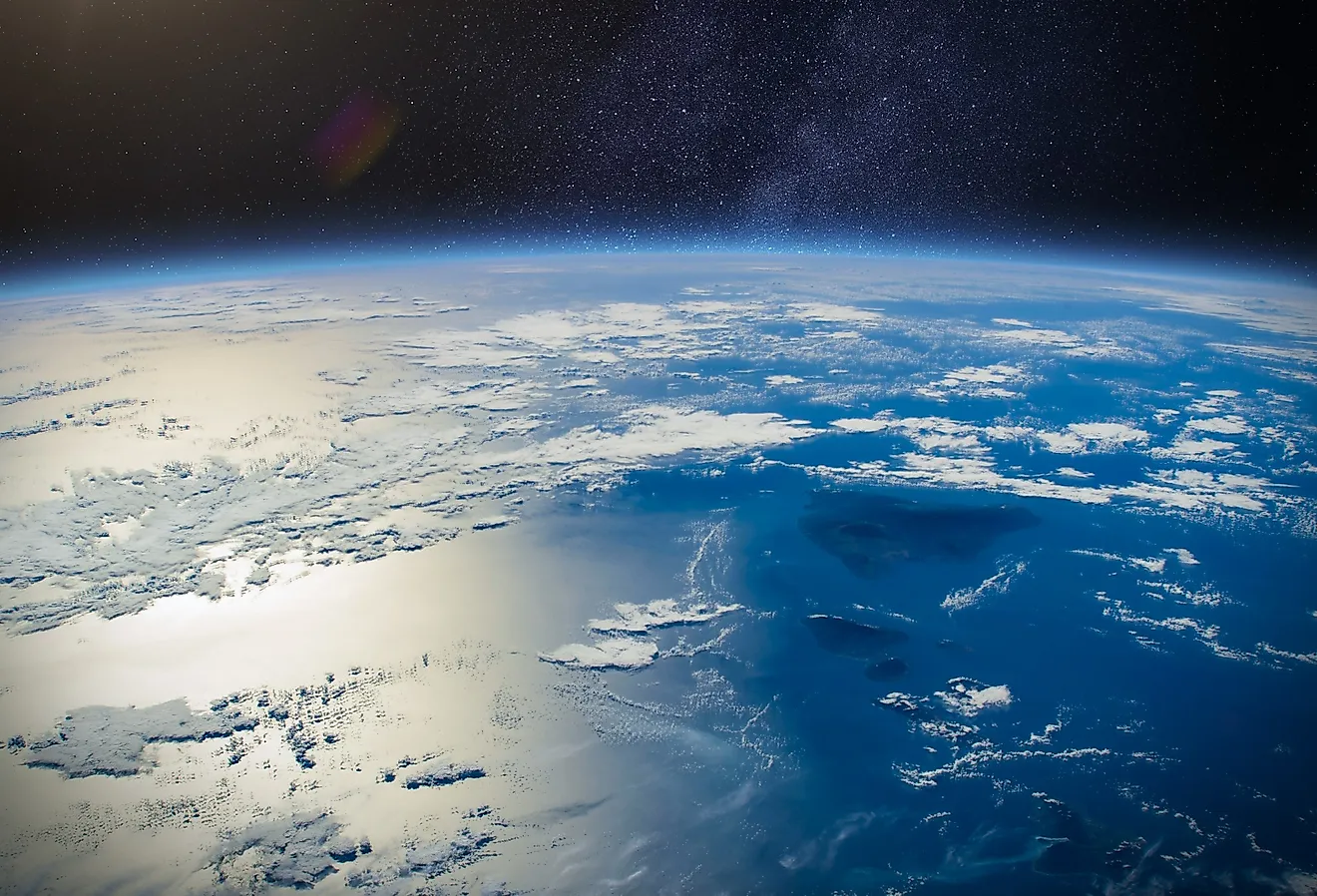
The gap in size between oceans and seas is enormous. The world ocean covers about 139 million square miles and holds roughly 97% of Earth's water. Seas are drastically smaller, with the Philippine Sea, one of the largest, reaching around 2 million square miles. For reference, the Pacific Ocean is more than 60 times the size of the entire Mediterranean Sea, and the Pacific alone is larger than all of Earth's land area combined. That scale is not a trivia point. Because oceans hold such vast volumes of water, they absorb and redistribute enormous amounts of solar heat, which moderates Earth's climate through large-scale circulation. Seas can shape regional weather and climate, but their influence stays more local than that of the open ocean.
Composition and Depth
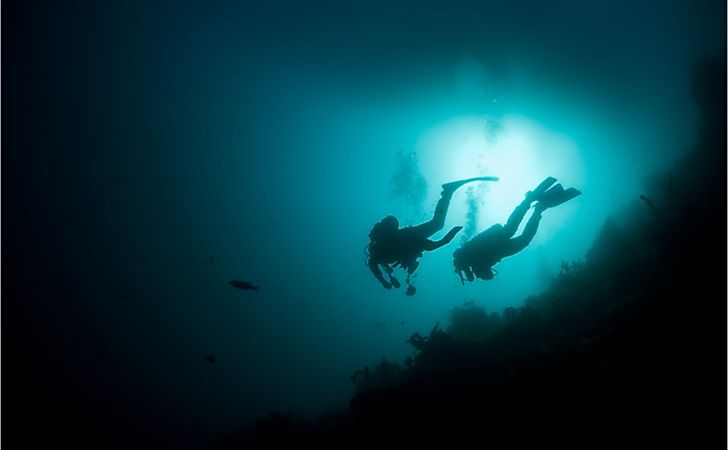
One of the sharpest physical contrasts between seas and oceans lies in their composition and depth. Nearby land shapes many seas more strongly, producing wider swings in depth, salinity, and water chemistry. Many seas sit over relatively shallow continental shelves, though some run much deeper. Oceans are vast and generally deep, and their conditions shift constantly. Average ocean salinity is about 35 parts per thousand, while seas vary far more widely. Evaporation can push some warm, enclosed seas into hypersaline territory, while heavy freshwater input from rivers, precipitation, or melting ice can leave others less salty than the open ocean. That closeness to land also delivers heavier loads of river runoff, agricultural nutrients, sediments, and organic matter into many seas than the open ocean ever receives.
Geographic Borders

One of the clearest geographic differences between seas and oceans is how far land encloses them. Land or continents border or partly ring most seas, while ocean boundaries follow geographic conventions across a continuous global body of water. The Mediterranean Sea, for instance, is almost completely enclosed by Europe, Asia, and Africa. Earth technically has only one interconnected global ocean, and the lines dividing the five recognized oceans rest on features such as continents, coastlines, and lines of latitude or longitude. Lines of longitude mark the boundaries between the Indian and Atlantic Oceans, and a line of latitude sets the Southern Ocean's northern edge.
Oceans and seas differ just as sharply in their vulnerability to human pressure. The immense volume and circulation of the open ocean redistribute heat and dissolved substances around the planet, though salinity still varies considerably across different regions. That same volume and circulation make the ocean a massive carbon sink and a central factor in regulating Earth's climate, and its sheer size is a buffer against local environmental disasters. Seas have no such buffer. With smaller volume and restricted circulation, they are more exposed to human waste, pollution, and chemical runoff, and once contaminants enter a partly enclosed basin they can stay trapped. The result is dead zones like those in the Black Sea, where oxygen-starved water covers much of the depths.
Marine Ecology

The ecological split between seas and oceans comes down to sunlight, nutrients, and sheer scale, the same forces that set sunlit coastal shallows apart from the deep-sea ecosystem. Many seas hold shallow coastal environments fed by nutrients from nearby land, which supports highly productive ecosystems and dense marine life. Where the water is shallow enough for sunlight to reach the seafloor, ecosystems such as kelp forests take hold. Those productive coastal zones can carry remarkable biodiversity, yet their proximity to land also leaves them exposed to pollution, coastal development, and other human pressures.
Oceans are a different world, with conditions that change dramatically as depth increases, and marine life is forced to adapt in kind. The average ocean depth reaches roughly 3,700 meters, so most of the seafloor lies far below the sunlit surface. In many productive regions, upwelling carries nutrient-rich deep water toward the surface, where sunlight lets phytoplankton put those nutrients to use and feed the marine food chain. Deeper down, many organisms depend on marine snow, the organic material that drifts down from surface waters, as a primary food source. Marine animals have evolved a wide range of adaptations to survive these conditions. Large species such as whales, tuna, and sharks range across vast distances in search of sparse feeding grounds, while other deep-sea animals rely on bioluminescence, camouflage, and specialized sensory organs to find food, avoid predators, and communicate in the dark.
Two Names, One Connected System
Seas and oceans both hold vital marine life, support ecosystems, and sustain the planet, yet their differences make each distinct. Seas, smaller in scale and hemmed in by land, can have outsized effects on regional climates and nearby ecosystems, and human impact reaches them quickly. Oceans span a global scale, and their major circulation patterns help keep Earth's climate in balance. Knowing which is which is really a matter of scale, enclosure, and the reach of the water in front of you.