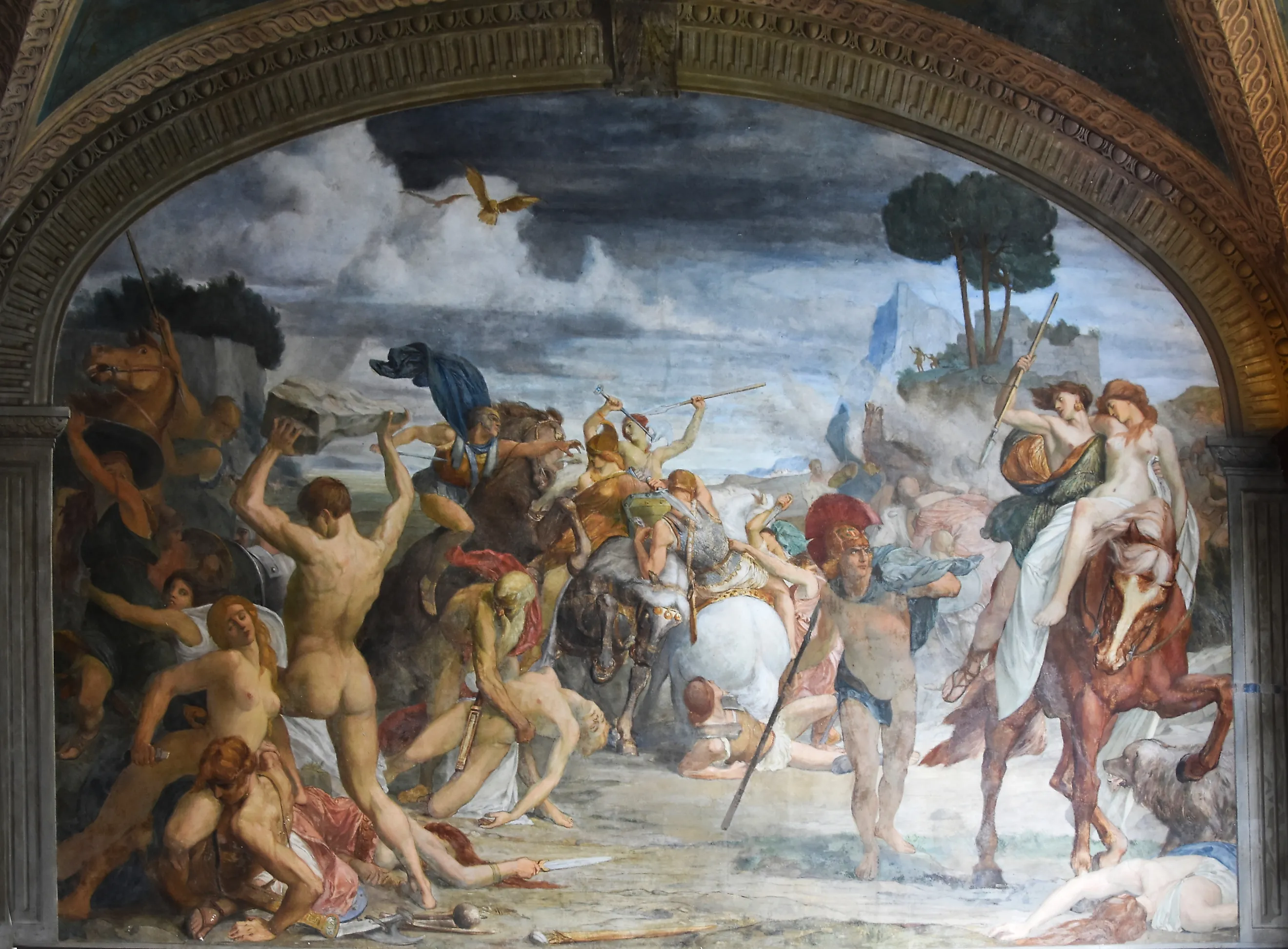
Why Alexander The Great Never Lost A Battle
Perhaps more than any other factor, Alexander the Great remains one of the most famous figures in history due to his military achievements. Indeed, it is popular knowledge that he never lost a battle. Therefore, it is worth exploring how Alexander actually accomplished this feat. Doing so reveals key facts about the superiority of the Macedonian Army, Alexander's tactics, and his charismatic leadership. Finally, while Alexander did, in fact, never lose, he still experienced hardship, suffering enormous losses that shaped the course of his military campaigns. So read on to learn more about this remarkable leader!
A Superior Army

The foundational element that made Alexander so hard to beat was the Macedonian Army. His father, Phillip II, oversaw massive military reforms that made it the most advanced force in the known world. The core of this superiority was the Macedonian phalanx. The phalanx was a tightly packed, rectangular military formation, composed of infantry armed with spears, shields, or pikes. However, unlike in the rest of Greece, the Macedonians utilized the sarissa, an extra-long pike that made frontal assaults by the enemy nearly impossible. They also fought in tight formations, sometimes 16 ranks deep, making their defenses practically impenetrable.

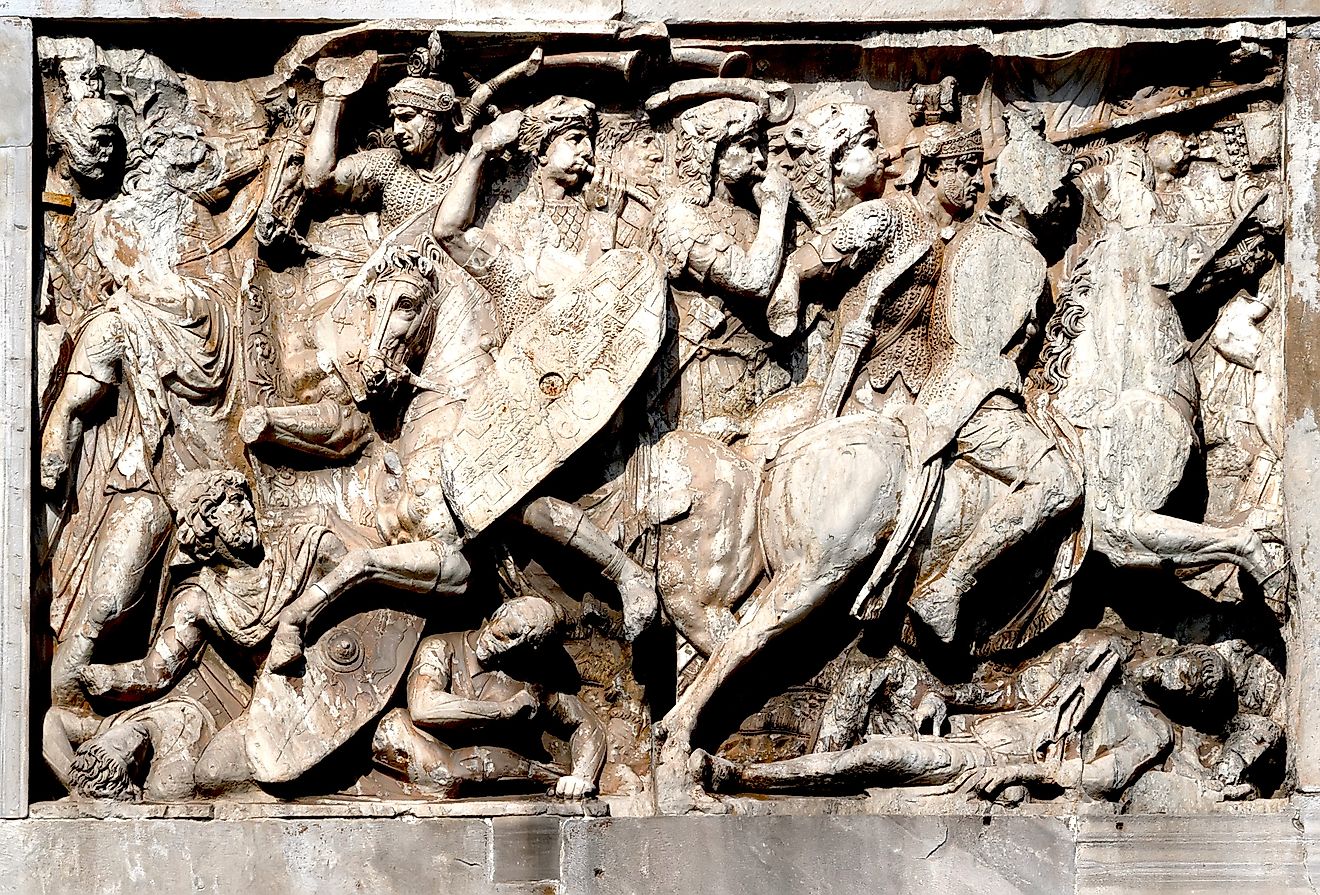
While their phalanx proved effective, the Macedonian army's all-around strength allowed it to utilize cavalry, light infantry, and archer units as well. Perhaps the strongest of these units was the Companion Cavalry. Heavily armed and extensively trained, they directly followed Alexander and proved crucial in breaking through the enemy lines in battles like the Battle of Issus (333 BCE).
Finally, the Macedonian Army became a professional, standing force under Phillip II. This contrasted with the citizen and volunteer-based armies in the rest of Greece at the time. Since they were paid and well-trained, Macedonian troops were better disciplined, more organized, and reacted faster than most other contemporary forces.
Tactical Brilliance

Alexander's tactics allowed him to capitalize on the superiority of the Macedonian army. First, his willingness to utilize a combined arms approach proved enormously effective. In particular, Alexander used a tactic called the hammer and anvil, in which the phalanx (the anvil) held the enemy in place, and the cavalry (the hammer) attacked the weak points. Perhaps the clearest example of this occurred in the Battle of Gaugamela (331 BCE), in which the entire structure of the Persian Army was destroyed due to this strategy. The Achaemenid Empire completely collapsed immediately thereafter.

The hammer and anvil tactic embodied a core component of Alexander's goal on the battlefield: to always fight on his terms. Therefore, the Macedonian army attacked with speed and ferocity to catch the enemy off guard. Furthermore, Alexander extensively planned battles to ensure he had the advantage. For instance, in the aforementioned Battle of Issus, Alexander deliberately fought in a narrow coastal plain, which prevented encirclement by the larger Persian army. He again ensured a Macedonian advantage in the Battle of the Hydaspes (326 BCE) by crossing the dangerous Hydaspes river at night and surprising the Pauravian army (the Pauravas were an ancient tribe in India and Pakistan). In short, Alexander's tactical brilliance served him well, allowing him to win battles across Europe and Asia.
Charismatic Leadership

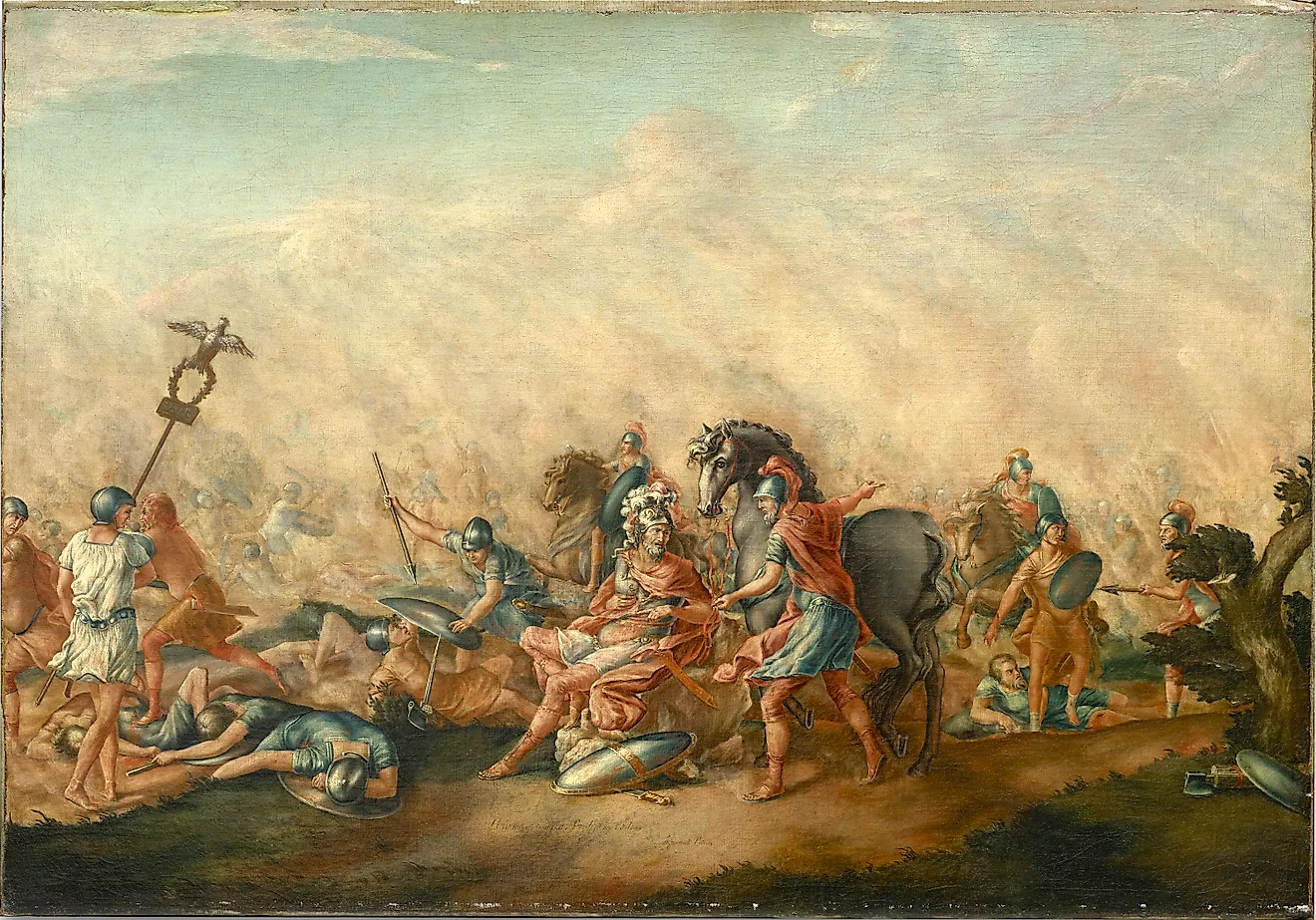
The final main reason why Alexander the Great never lost a battle was his charismatic leadership. Indeed, rather than commanding from the back, Alexander led the attack with the Companion Cavalry. While this was far less safe, and he was wounded several times, it also inspired an intense personal loyalty. This was exemplified in the Battle of the Granicus (334 BCE), the first major engagement between Alexander the Great and the Achaemenid Empire. In the battle, the Macedonian army attempted to cross the Granicus River. Despite facing heavy Persian resistance, Alexander led the assault. Now knowing that their leader was willing to endure enormous hardships, the Macedonian Army did the same for the rest of Alexander's campaigns.
Important Caveats

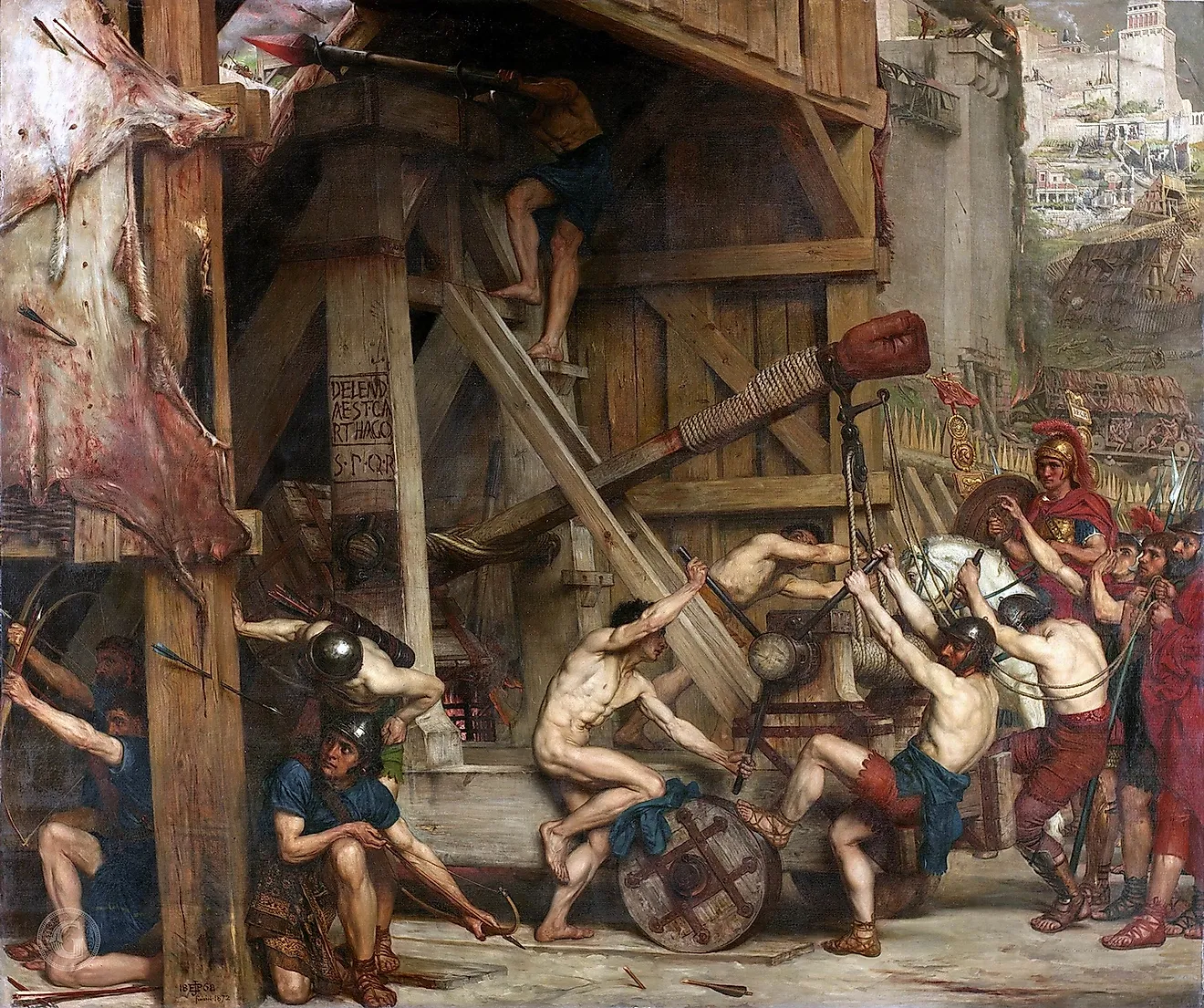
While Alexander the Great never lost a battle, the Macedonian army still experienced hardships under his leadership. For instance, Alexander had difficulties with sieges; the Siege of Tyre in 332 BCE took him seven months, and the Siege of Gaza that same year resulted in him becoming seriously wounded. Furthermore, as he moved into Central Asia, Alexander faced increasingly prolonged conflicts. While he ultimately won, this was the opposite of the quick, decisive victories that had characterized the Middle Eastern Persian campaign. Finally, perhaps the biggest military failure of his life was the Gedrosian Desert crossing (325 BCE). Occurring as the Macedonian Army marched home from India, at least 12,000 died due to the extreme conditions and a lack of food and water. While Alexander and the army ultimately survived this endeavor, it nonetheless showed that the young Macedonian king was not invincible.
Legacy and Importance
Alexander the Great never lost a battle due to a combination of factors. First, the superiority of the Macedonian army, as established by his father, Phillip II, meant that it outmatched most other contemporary forces. Alexander was also a brilliant tactician, using speed, planning, and a combined arms approach to overwhelm his opponents. In conjunction with his charismatic leadership, all this made Alexander arguably the most successful military commander of all time. Nonetheless, his difficulty with sieges and the Gedrosian Desert crossing disaster demonstrate that even Alexander was an imperfect tactician.