Who Were The Most Brutal Tyrants In Ancient Greece?
Ancient Greece was equal parts brutal and enlightened. For every Athens, which embodied democratic and philosophical ideals, there was a Syracuse, where tyrants ruled with an iron fist. The cruelty of some of these leaders is hard to comprehend. From legendary torture devices like the brazen bull to mass executions that left cities severely depopulated, the most brutal tyrants in Ancient Greece made people fearful every time they stepped outside.
Phalaris (570 to 554 BCE)

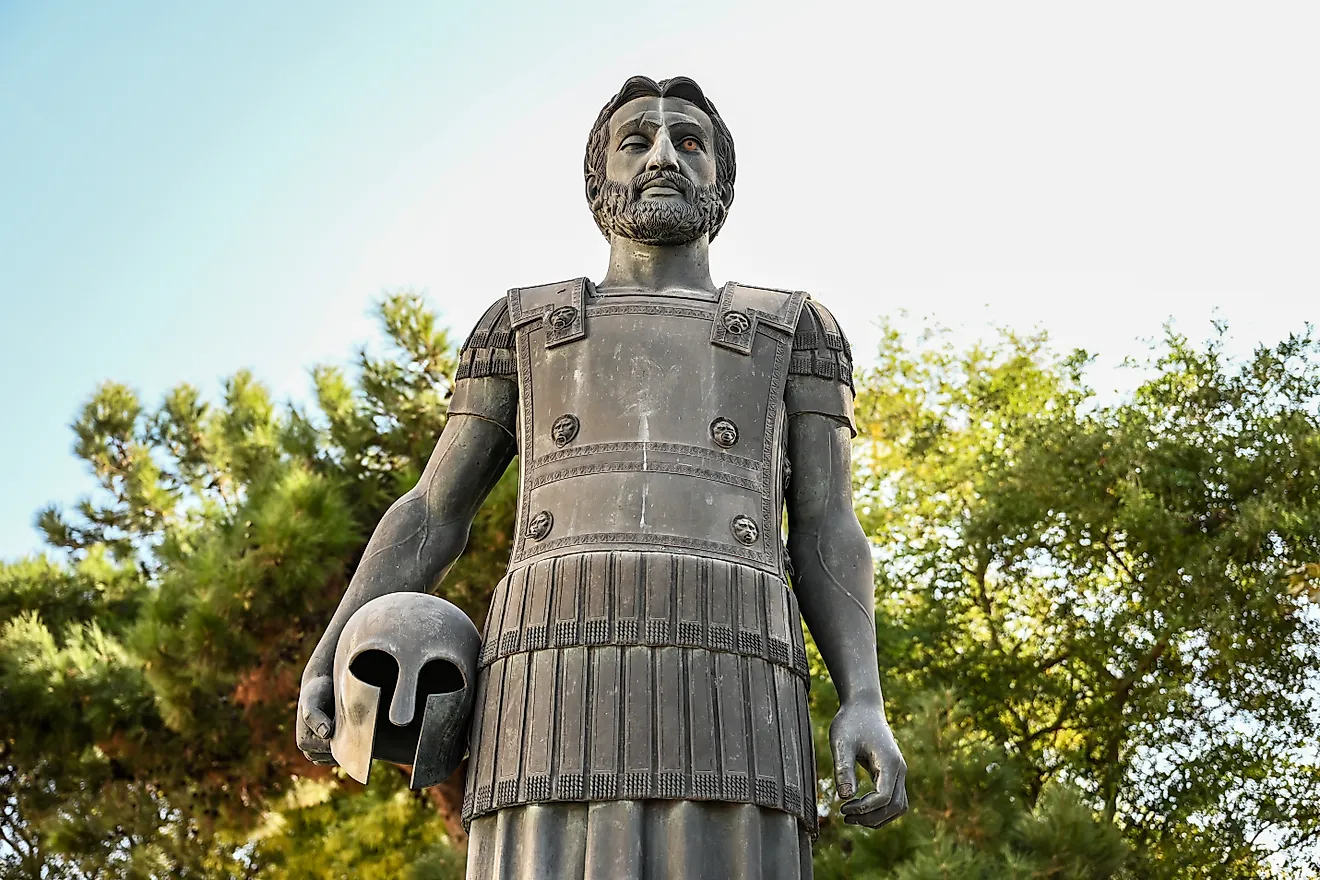
Phalaris was perhaps the most infamous tyrant. He ruled the city of Akragas (modern-day Agrigento in Sicily) and transformed it into a major power. Phalaris strengthened the city’s walls, shored up its water supply, and expanded trade routes. He was also a capable administrator, with famed philosophers and rhetoricians like Aristotle and Polyaenus praising his skills.
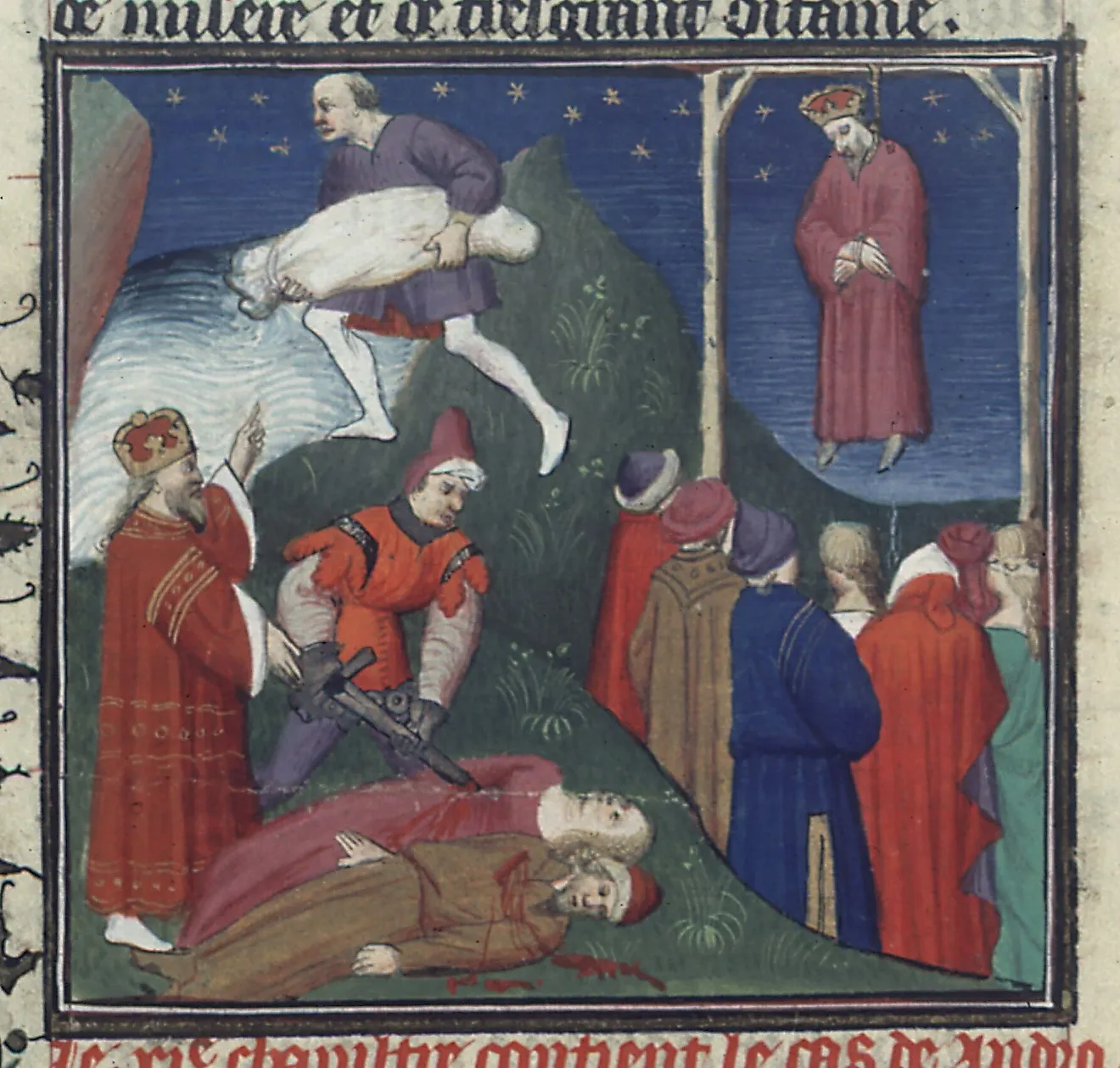
Phalaris’ brutality overshadowed these achievements, however. He executed political enemies and was known for his sadistic punishments. The most famous story associated with Phalaris concerns the brazen bull, a hollow bronze statue allegedly designed by the craftsman Perillus. According to later sources, victims were locked inside while a fire burned beneath them. Modern historians generally regard this account with skepticism because it appears in sources written long after Phalaris lived and lacks contemporary evidence. Nevertheless, the story became inseparable from his reputation and helped cement his image as one of antiquity's cruelest rulers.
The Thirty Tyrants (404 to 403 BCE)

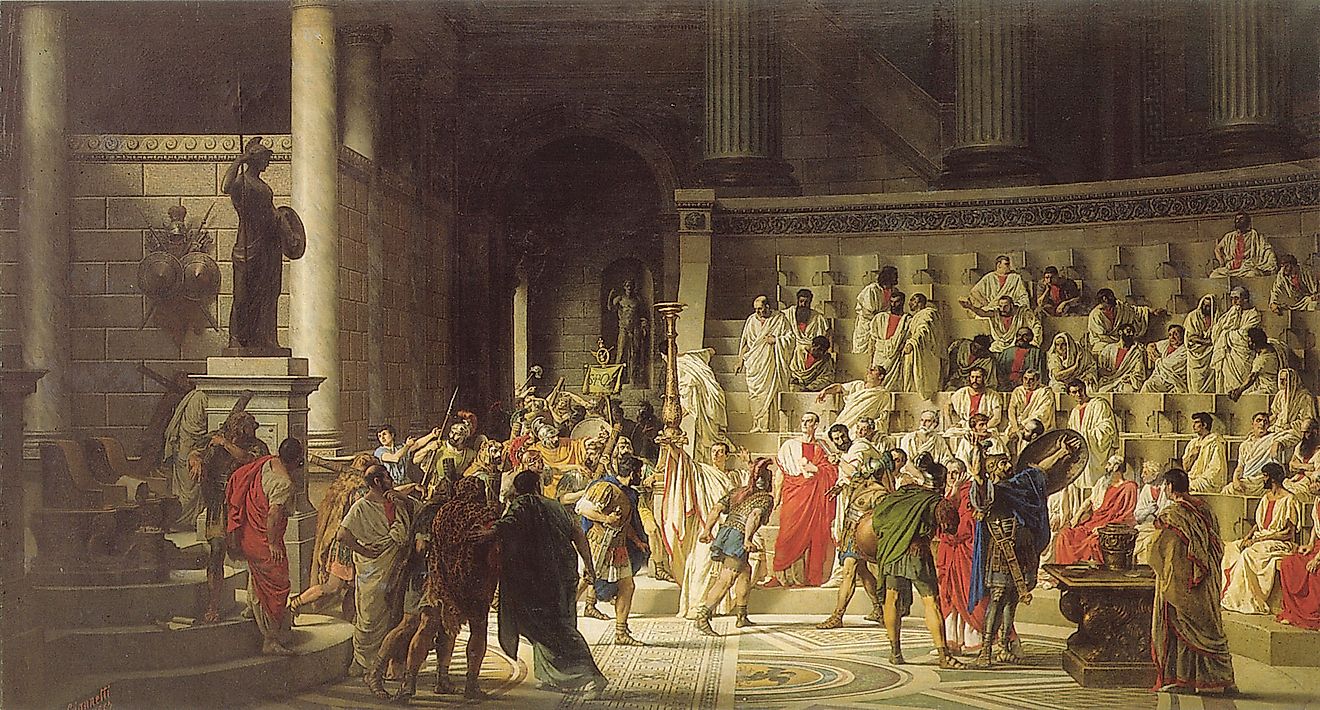
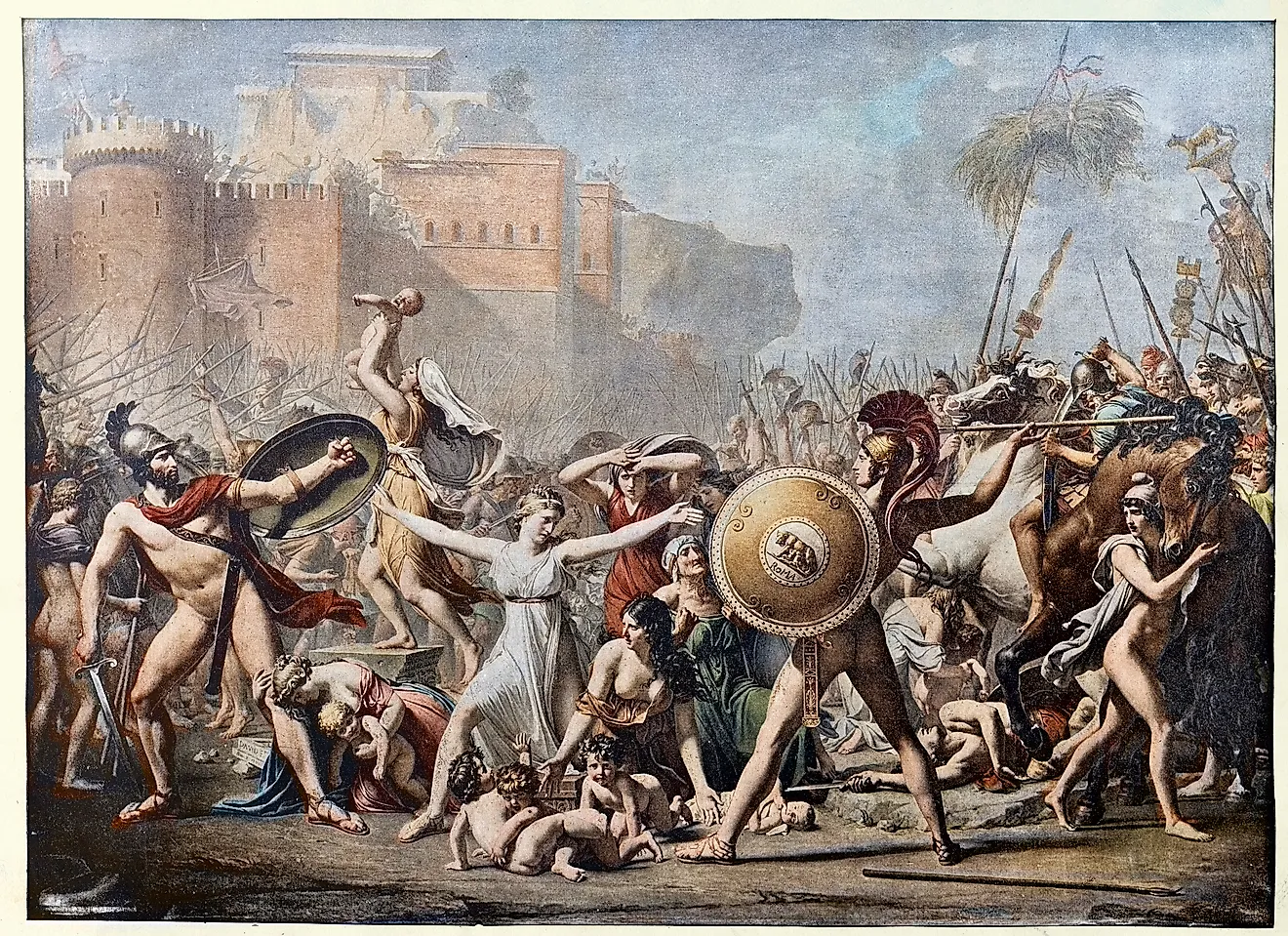
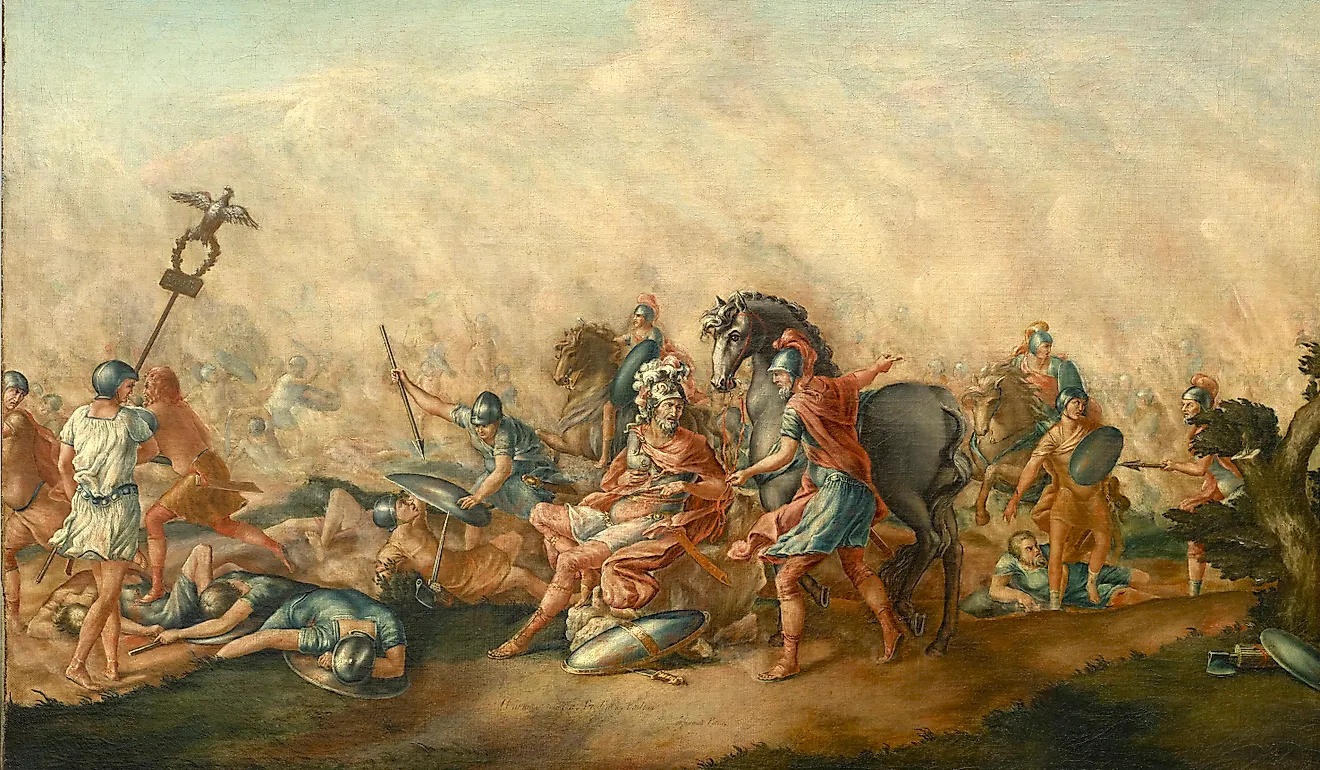
After the Peloponnesian War (431 to 404 BCE), the victorious Sparta installed an oligarchic government in Athens. Known as the Thirty Tyrants, it was the polar opposite of the traditional Athenian political system of direct democracy. Among its most important leaders were Critias, a philosopher and poet associated with Socrates, and Theramenes, a moderate who opposed the regime's excesses. The Tyrants quickly established a system of political terror. They abolished democratic institutions, installed loyalists in places of power, and executed people without trials. Theramenes himself was executed for criticizing the regime.
The Thirty Tyrants didn’t last long. As democratic Athenians fled the city, they began organizing a resistance movement. Eventually, under the leadership of Thrasybulus, they attacked the city. Critias was killed during the fighting, and the regime collapsed without its leader. Democracy was restored and, somewhat remarkably, the regime’s former officials were granted amnesty. This prevented an endless cycle of violence. Regardless, even though it only lasted seven months, the legacy of terror from the Thirty Tyrants loomed large in collective Athenian consciousness for years to come.
Dionysius (405 to 367 BCE)

Dionysius ruled the Sicilian city-state of Syracuse. An effective and shrewd leader, he helped make it one of the most powerful players in the Greek world. A major component of this was three wars against Carthage. The Greeks spent centuries fighting Carthage for control over Sicily, and Dionysius ensured that Syracuse remained independent throughout all of it. At the same time, Dionysius was considered by his contemporaries to be a vindictive, cruel, and violent despot. He regularly purged political opponents and confiscated their property. To fund his war efforts and defensive measures, Dionysius also heavily taxed Syracuse’s citizens.
Dionysius' relationship with Plato became one of the most famous episodes of his reign. Plato visited Syracuse through Dion, a relative and adviser of the tyrant, and hoped to influence the ruler through philosophy. The experiment ended badly. According to ancient tradition, after a series of political and personal disputes, Dionysius arranged for Plato to be sold into slavery. The philosopher was eventually freed when Anniceris of Cyrene purchased and released him. Whether every detail of the story is accurate remains debated, but the episode contributed to Dionysius' enduring reputation as an authoritarian ruler intolerant of criticism.
Alexander The Great (336 to 323 BCE)

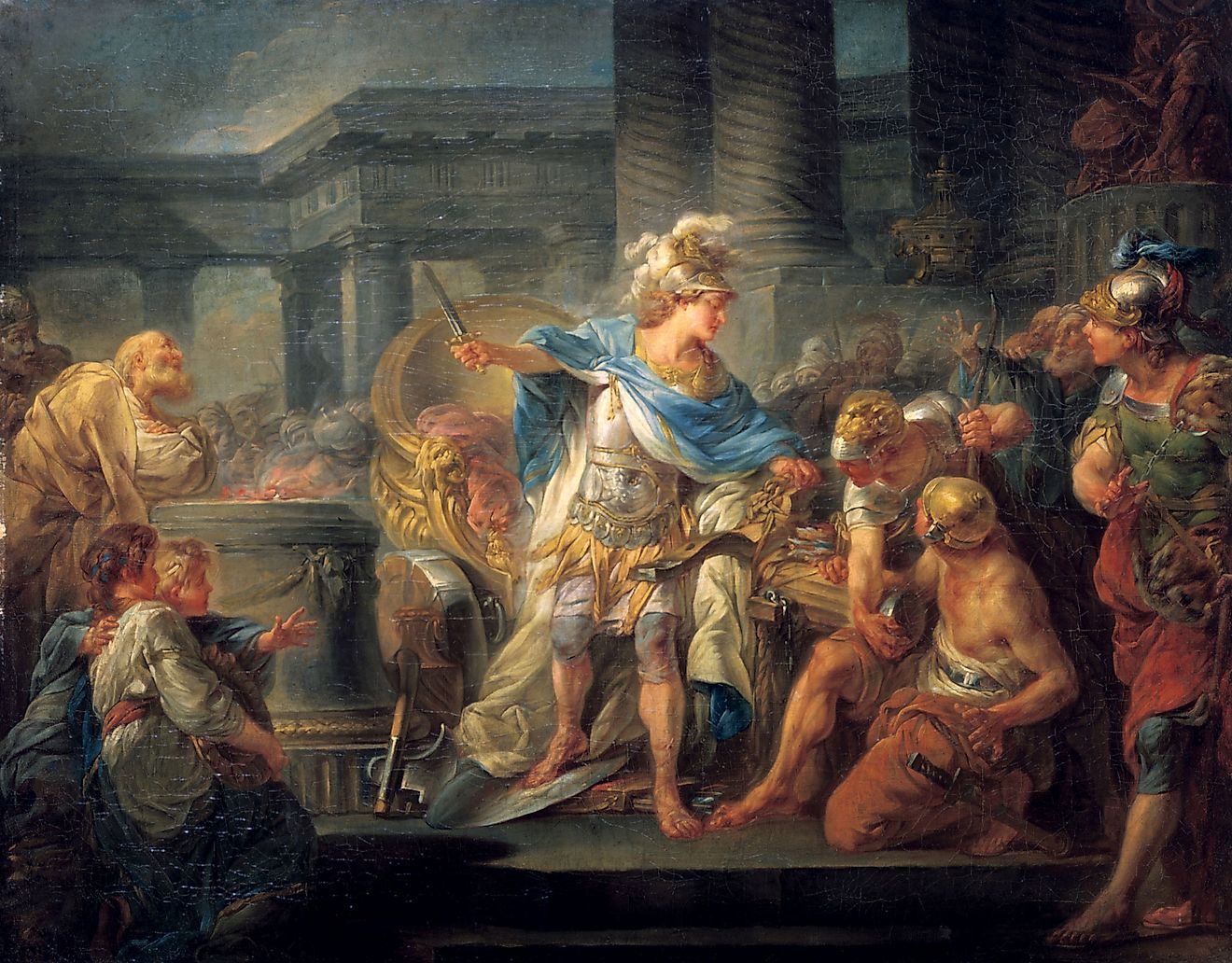
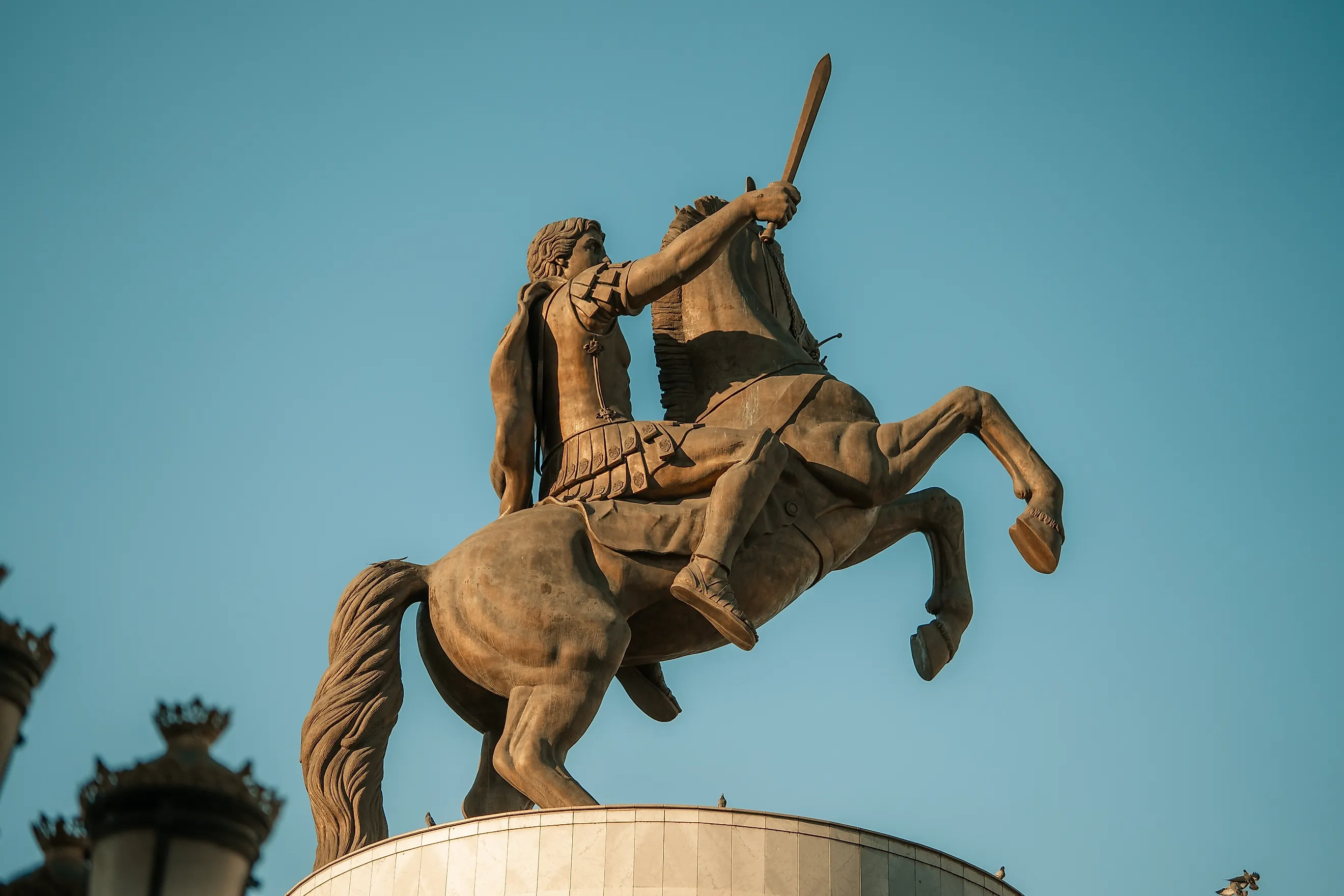
Alexander the Great is a controversial addition to any discussion about the most brutal tyrants in Ancient Greece, largely because of his self-styled image. At a young age, Alexander was tutored by Aristotle, who taught him about critical thinking, philosophy, literature, math, and science. During his numerous military campaigns, Alexander also took a genuine interest in the places he conquered. Rather than eliminating Persian culture, he fused it with Greek practices. Alexander adopted Persian fashion and court traditions. He also married several Persian women. All these measures paint a picture of a cosmopolitan and enlightened leader.
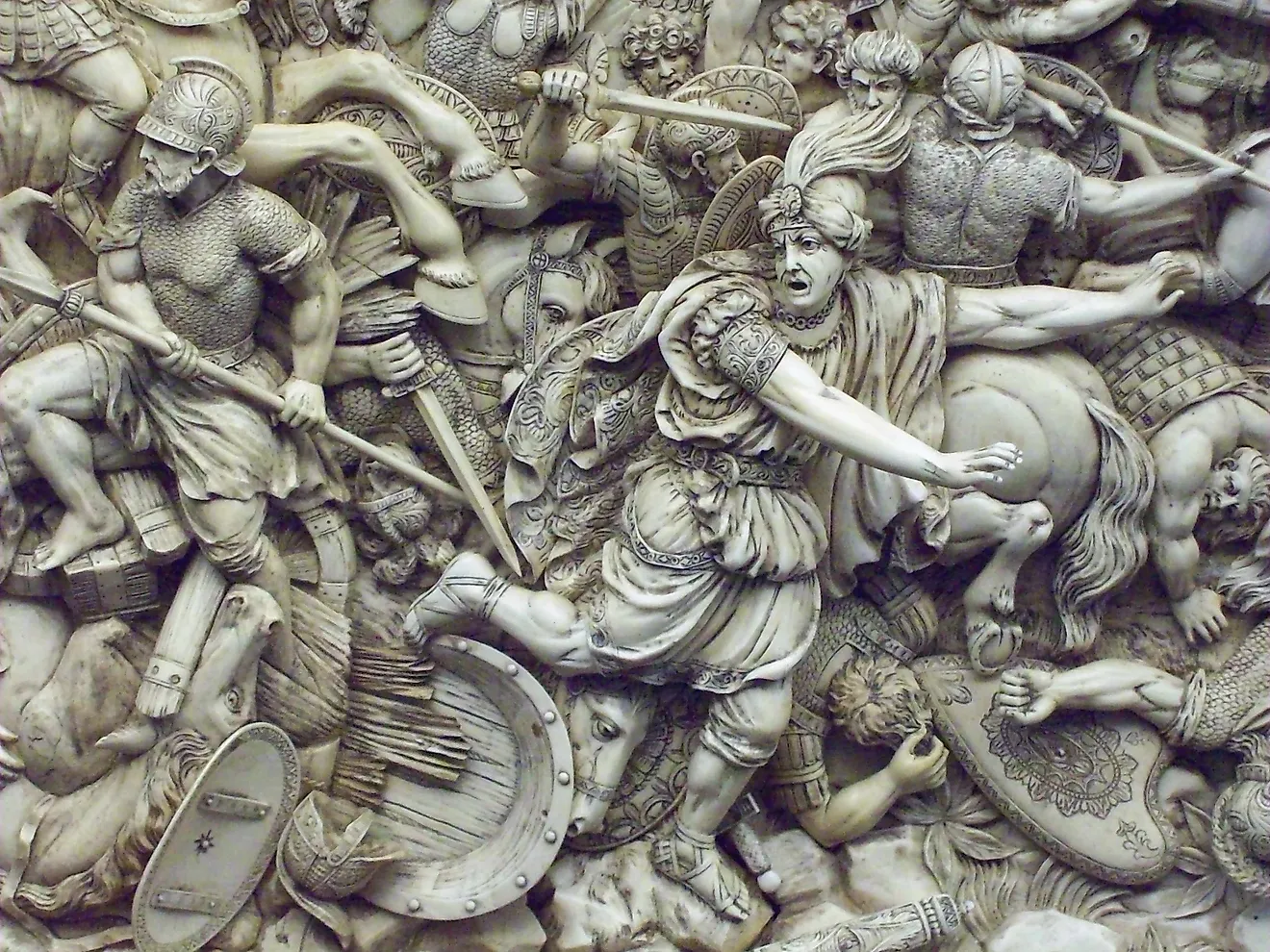
Like in the case of Phalaris, acts of extreme brutality complicate this image, the first of which was the destruction of Thebes (335 BCE). After Alexander became king of Macedonia, several Greek city-states rebelled. While most stopped after being threatened with the wrath of the Macedonian army, Thebes continued. Alexander responded by destroying the city and enslaving or murdering most of its population.
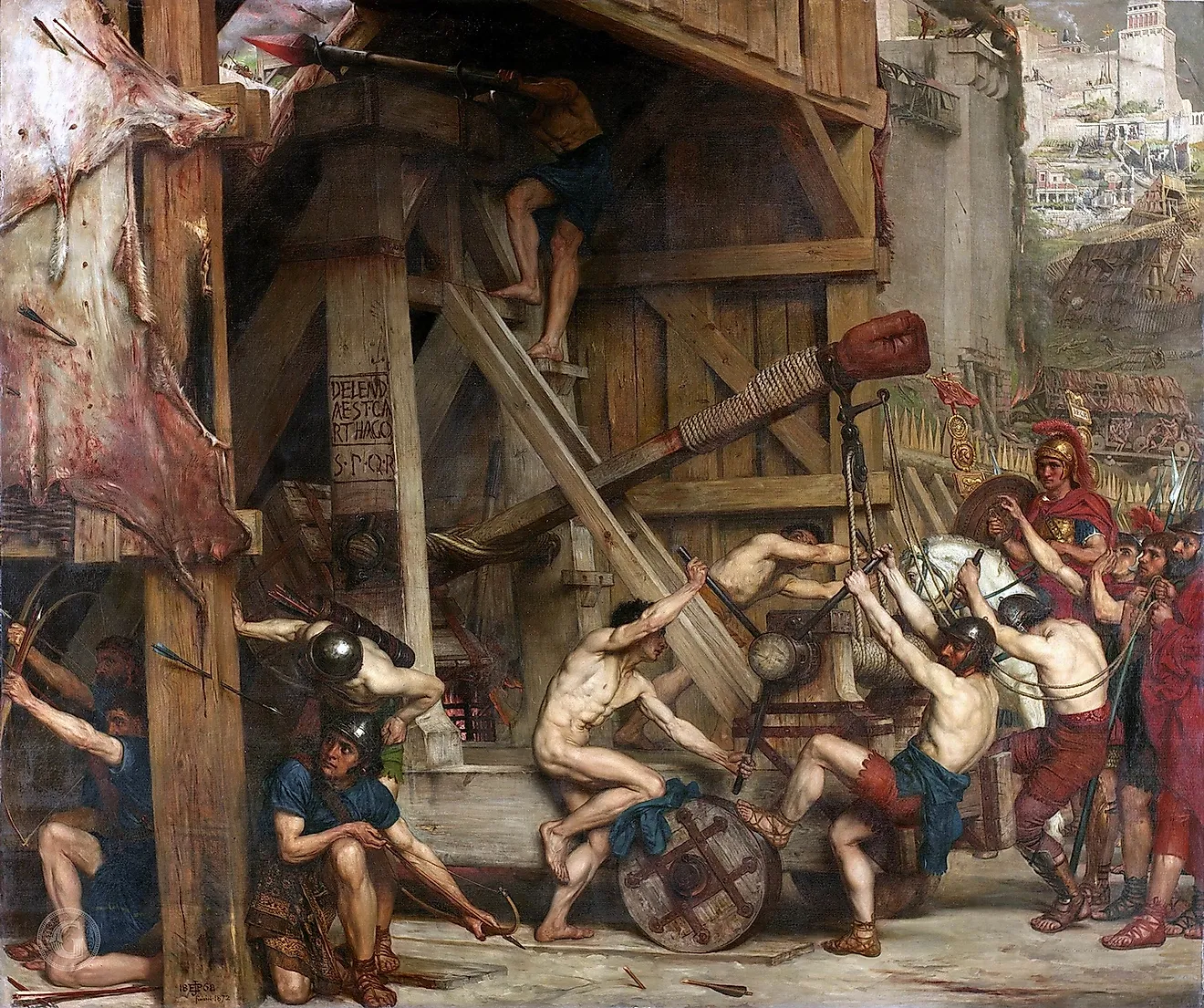
The siege of Gaza in 332 BCE was another horrific event. Occurring in the immediate aftermath of the siege of Tyre, another bloody affair, it lasted two months as Gaza’s leaders stubbornly refused to submit. Alexander was also wounded by an arrow during an attempted assault on the city. When it finally fell, Alexander put thousands of defenders to death and sold many civilians into slavery. He also ordered Gaza’s leader, Batis, to be tied to a chariot and dragged around the city walls until he died. Some posit that this brutality was necessary to discourage future resistance, but even if this were the case, these actions hardly resembled those of a benevolent leader.
The tyrants of Ancient Greece demonstrate that political power could be used for both remarkable achievements and terrible acts of violence. Figures like Phalaris, Dionysius, and Alexander helped build powerful states, while the Thirty Tyrants briefly imposed order on a defeated Athens. Yet their legacies are remembered less for their accomplishments than for the fear, repression, and bloodshed associated with their rule. Whether through legendary acts of cruelty, political purges, or the destruction of entire cities, these rulers revealed the darker side of the ancient Greek world. Their stories serve as a reminder that even in a civilization celebrated for its philosophy and democratic ideals, power often came at a devastating human cost.