The Worst Roman Emperors In History
The Roman Empire was ruled by some of the most capable leaders in history, but also some of the worst. This reality was consequential. When Rome was a republic, separation of powers ensured that no one person could derail the state. However, when Rome became an empire, the emperor was the only one with real power. The five worst emperors in history demonstrated the problem with this dynamic. From Caligula and Nero to Commodus and Honorius, they all did irreparable and unchecked damage to Rome.
Caligula

Caligula often features at or near the top of lists about the worst Roman emperors. He succeeded his great-uncle Tiberius, who was popular for his sound money management, which had resulted in vast surpluses in the state treasury. Tiberius also oversaw a period of general stability. People hoped that Caligula would continue this positive trajectory.
Ruling for only four years (37 CE to 41 CE), his reign started promisingly. Caligula’s first months were characterized by generosity; he granted amnesties, recalled exiled people, and spent some of the money Tiberius had saved on popular public games like gladiatorial shows and stage plays.
A severe illness in late 37 reportedly changed Caligula’s personality. Almost immediately afterward, he descended into insanity and despotism. Caligula revived treason trials to extract wealth from the accused. He also nearly bankrupted the Roman treasury by spending it on lavish construction projects like the Aqua Claudia and Anio Novus aqueducts. Some of the more bizarre stories, including him appointing his horse as consul and dressing up as Roman gods, were likely untrue. Regardless, the myths only added to Caligula’s negative reputation.

After having turned nearly everyone against him, Caligula was murdered by the Praetorian Guard, the elite unit meant to protect the emperor, in 41 BCE. His wife and baby daughter were also killed. The severity of his abuses was so great that the Senate briefly considered resurrecting the Republic. However, Caligula’s uncle, Claudius, was ultimately made emperor.
Nero

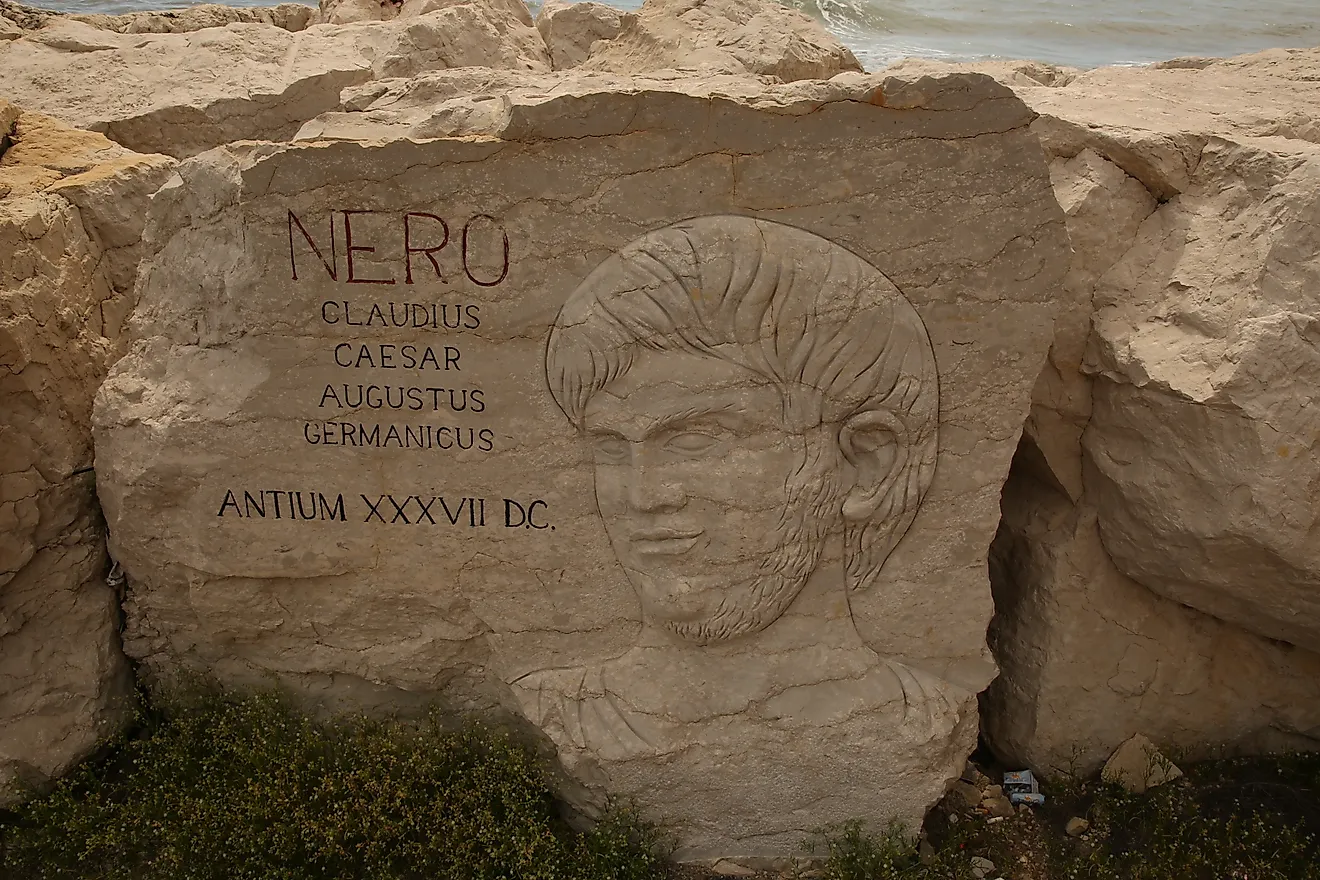
Nero is also frequently considered one of the worst Roman emperors. Ascending to the emperorship in 54 CE at the age of 16, he was impressionable and willing to listen to advisors like his mother, Agrippina. As he got older, Nero increasingly saw her as a threat. This culiminated in him ordering Agrippina’s death in 59 CE. When combined with his interest in the arts and performance, which often overshadowed his governance responsibilities, Nero quickly became unpopular.

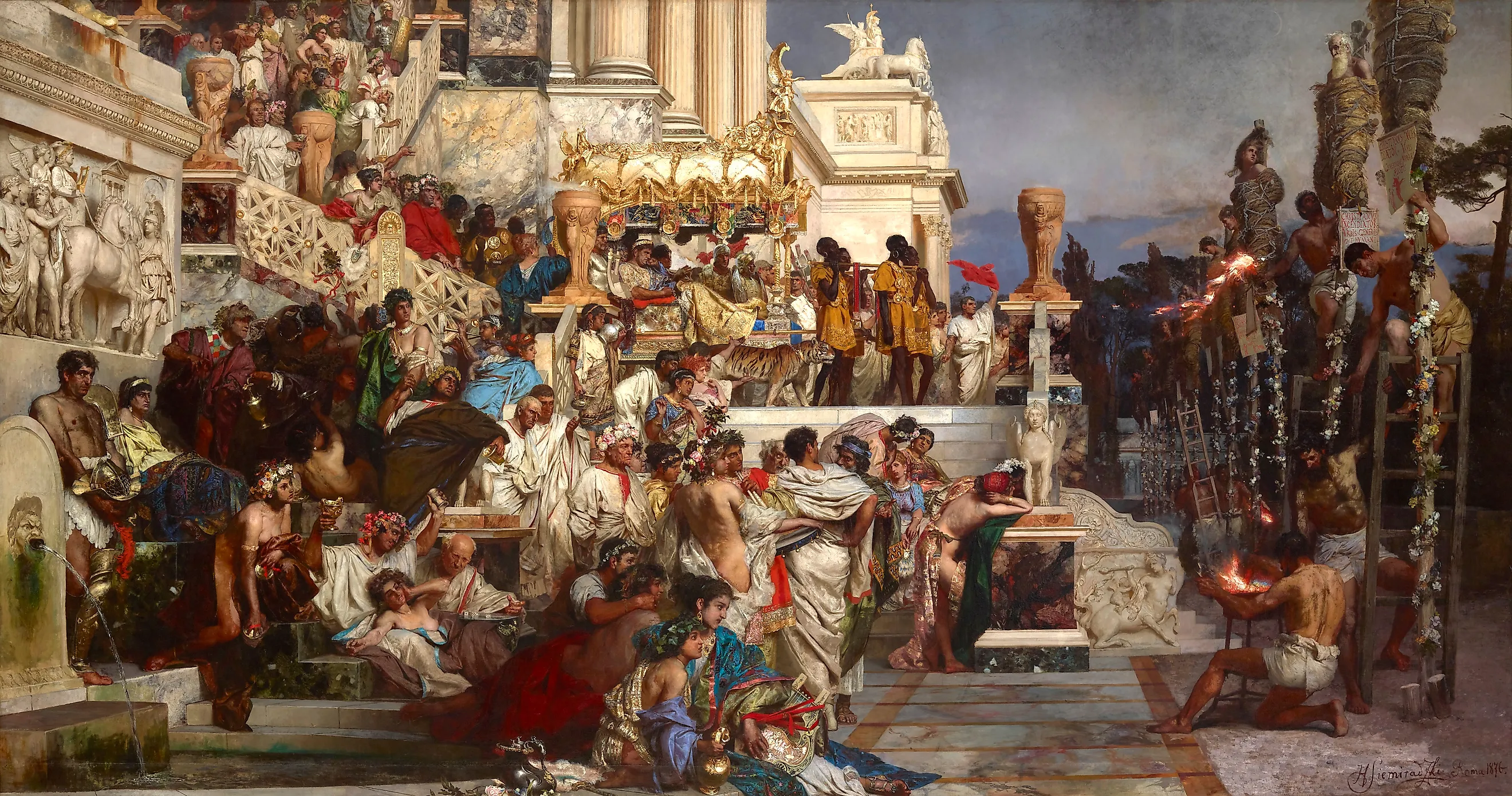
The Great Fire of Rome in 64 CE made his reputation even worse. Legend claims that Nero caused the fire so he could rebuild the city to his liking, but historians argue that the more likely cause was poor city planning and highly flammable construction material. He did, nevertheless, take advantage of the fire by constructing the garish Domus Aurea (Golden House) in the center of Rome. Nero also blamed Christians for the fire and brutally persecuted them.
By 68 CE, the Senate was tired of Nero’s antics and declared him a public enemy. This was accompanied by revolts against him across the empire. Dismayed by his unpopularity, Nero fled Rome and committed suicide.
Commodus

Commodus was arguably the most disappointing ruler in Roman history. The son of one of the best emperors, Marcus Aurelius, his reign began in 177 CE at the age of 16. For the first two years, he co-ruled with his father over a vast and disciplined empire.
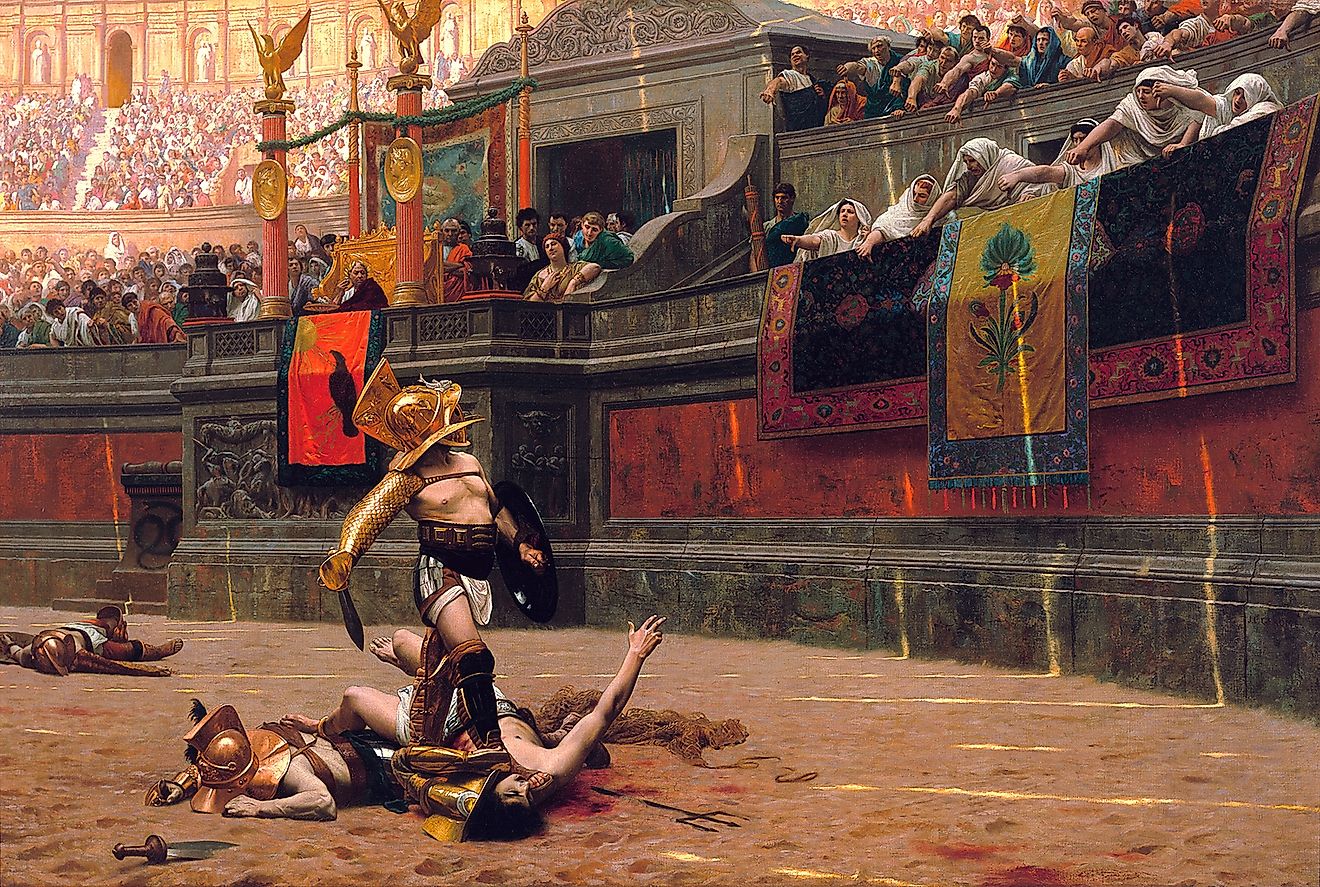
Despite being set up for success, Commodus displayed little interest in governance. He ended his father’s military campaigns and withdrew from frontier wars, ceding crucial territory to Rome’s competitors. Commodus’ real interest lay in the gladiatorial arena. He styled himself as a living god and frequently participated in mock gladiatorial fights. These acts were considered degrading to imperial dignity and made him unpopular amongst the Roman elites.

On December 31, 192 CE, Commodus was assassinated. Rome immediately plunged into civil war as five men claimed to be emperor. This instability signified the end of the Pax Romana, a 200-year Roman golden age characterized by relative peace and prosperity across the empire.
Maximinus

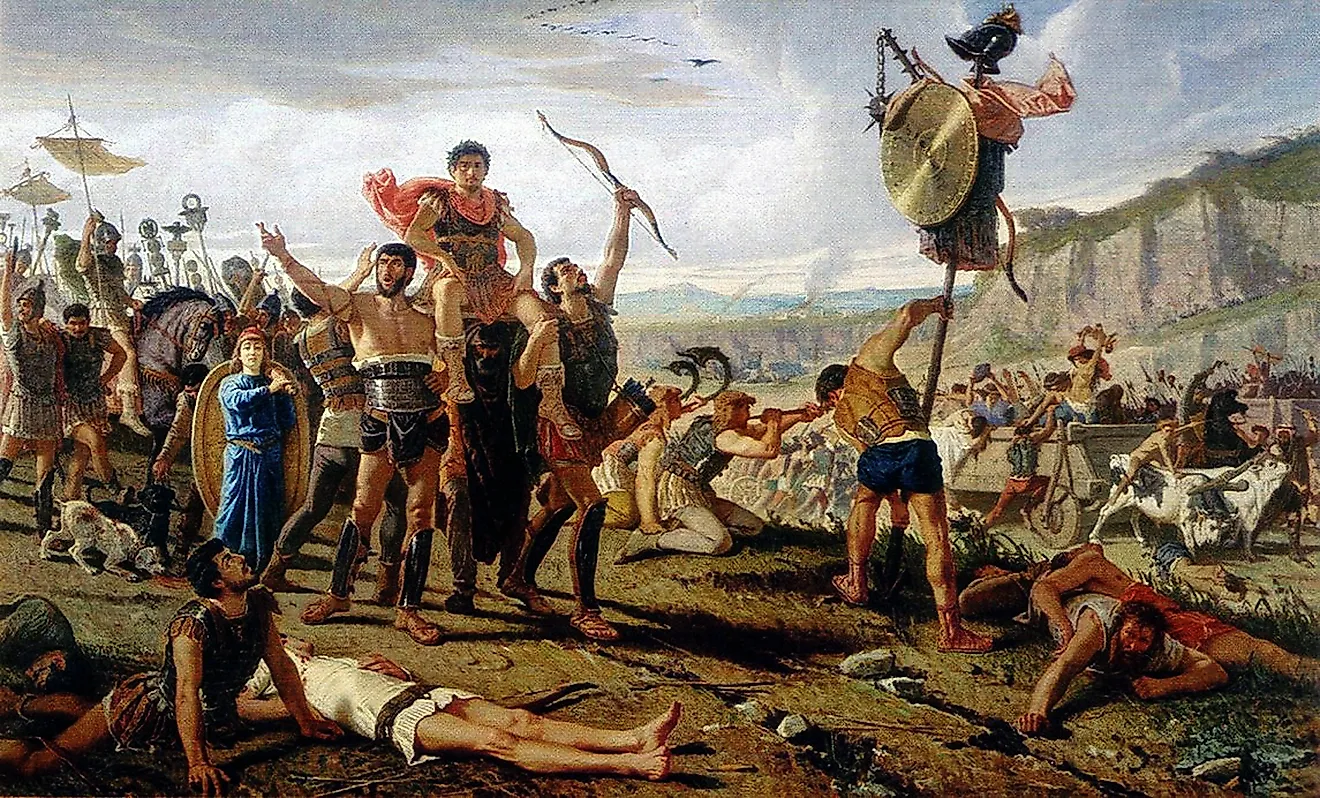
Maximinus Thrax ruled from 235 to 238 CE. Rather than utilising popular support to maintain his authority, he instead primarily relied on military strength. Maximus doubled soldiers’ pay and launched brutal campaigns against Germanic tribes in the north and Sarmatian tribes in the south-east. To pay for these wars, he imposed crippling taxes, angering both landowners and senators. Maximus also never visited Rome itself, instead ruling from the empire’s northern provinces. All this contributed to his political isolation.
In 238 CE, wealthy landowners in Africa rebelled against Maximus, setting off a chain of events that resulted in him and his son being killed. Maximus’ assassination marked the beginning of the Crisis of the Third Century, a nearly fifty-year civil war that exposed structural problems in the Roman Empire. These problems ultimately led to it splitting in two in 395 CE. Maximus was thus, inadvertently, a pivotal figure in this process.
Honorius

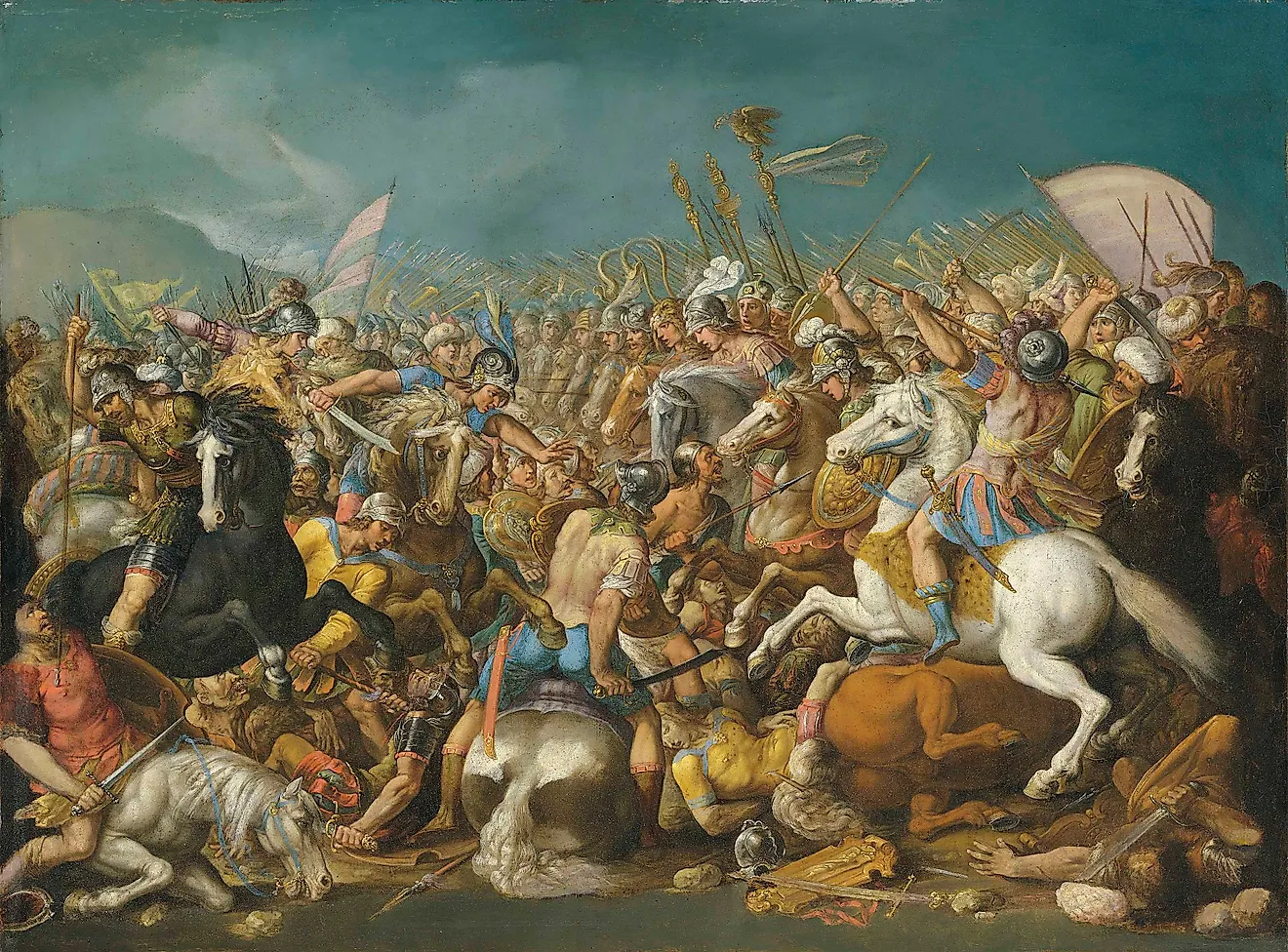
Honorius ruled the Western Roman Empire from 393 to 423 CE. A time of upheaval and crisis, he oversaw the loss of substantial swaths of territory in Gaul, Britain, and Spain. Perhaps the defining moment of his reign was the Visigothic sack of Rome in 410 CE. It marked the first time a foreign enemy had sacked and occupied Rome in nearly 800 years. While the city was eventually recovered, the psychological and reputational damage had been done. Rome was no longer considered an invincible power.
It’s unclear what exactly Honorius could have done to stop this. The factors that led to the sack of Rome, such as barbarian invasions, a weak economy, and a declining population, all predated him. Regardless, he did little to solve these issues and is often blamed for pushing the Western Roman Empire past the point of no return, making its collapse inevitable.