The Rivers Where Steelhead Grow Largest
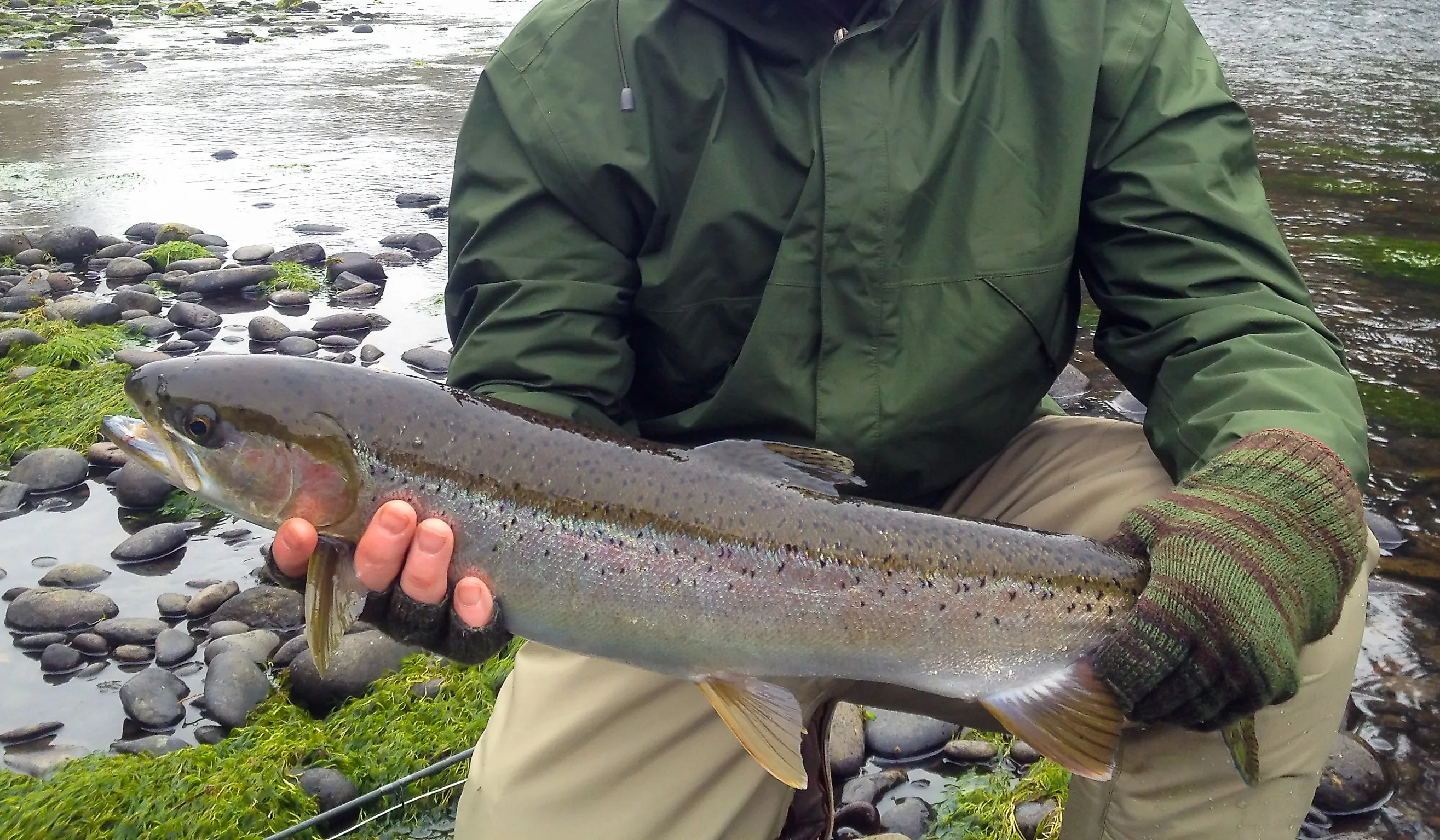
A rainbow trout usually fits in a frying pan. A steelhead is the same fish after a few years at sea, and the largest come home as long as your leg and heavier than a bowling ball. The strange part is that almost every West Coast state record for one was set between 1970 and 1980, and not a single one has been broken since. Part of the reason is a rule, because certifying a record usually meant killing the fish, and today most wild steelhead must be released. The rest is the fish themselves, since every extra year a steelhead spends feeding in the ocean adds weight, and the giants come from the few rivers whose fish make the longest trips to sea and back. Those rivers run through the Columbia Basin and British Columbia's Skeena country, with one unlikely outlier on Lake Erie.
Columbia River, Oregon - 35 Pounds, 8 Ounces
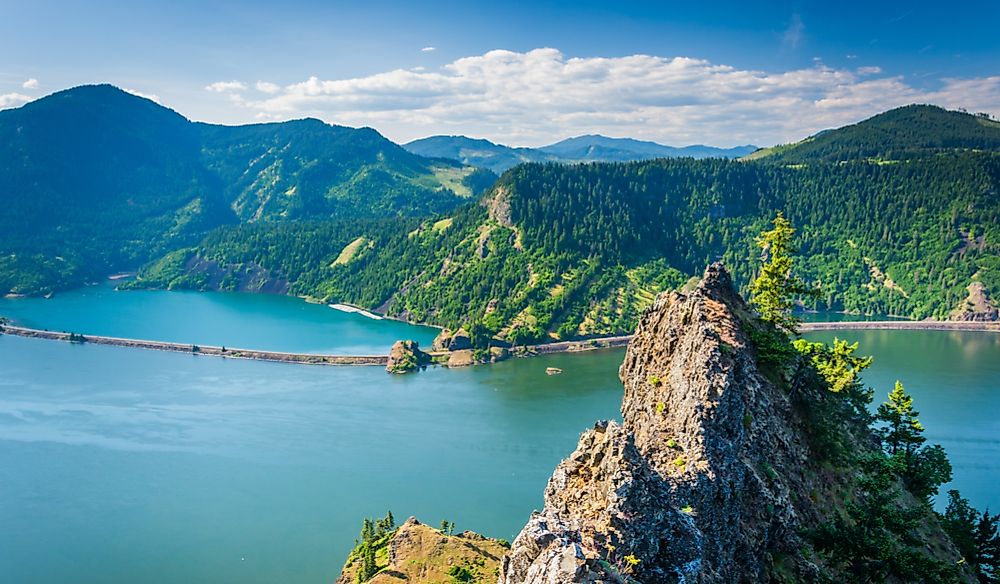
Berdell Todd's 35-pound, 8-ounce steelhead from the Columbia River has topped Oregon's record list since 1970. It remains the heaviest of those four state records, outweighing the high marks in Washington, Idaho, and California.
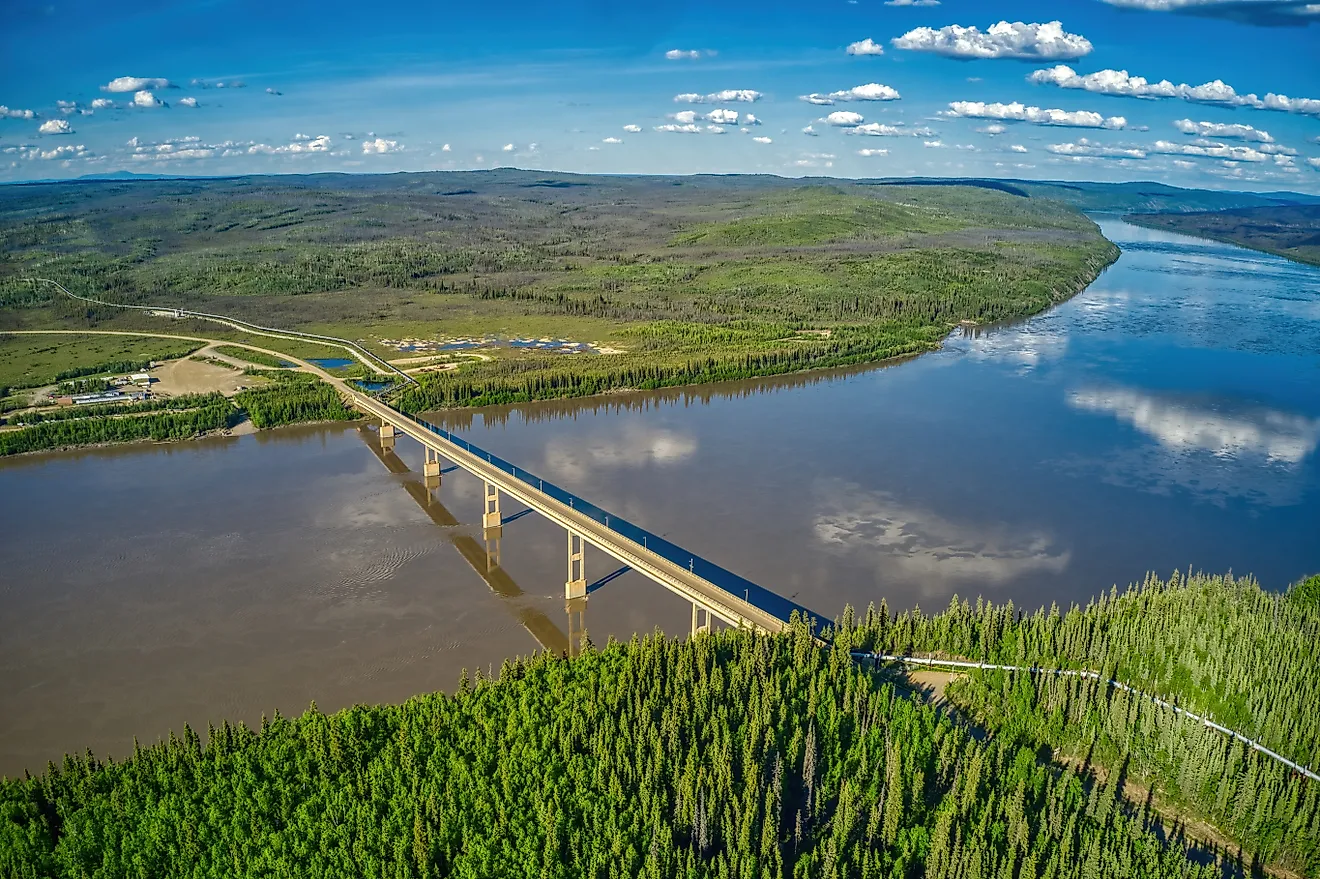
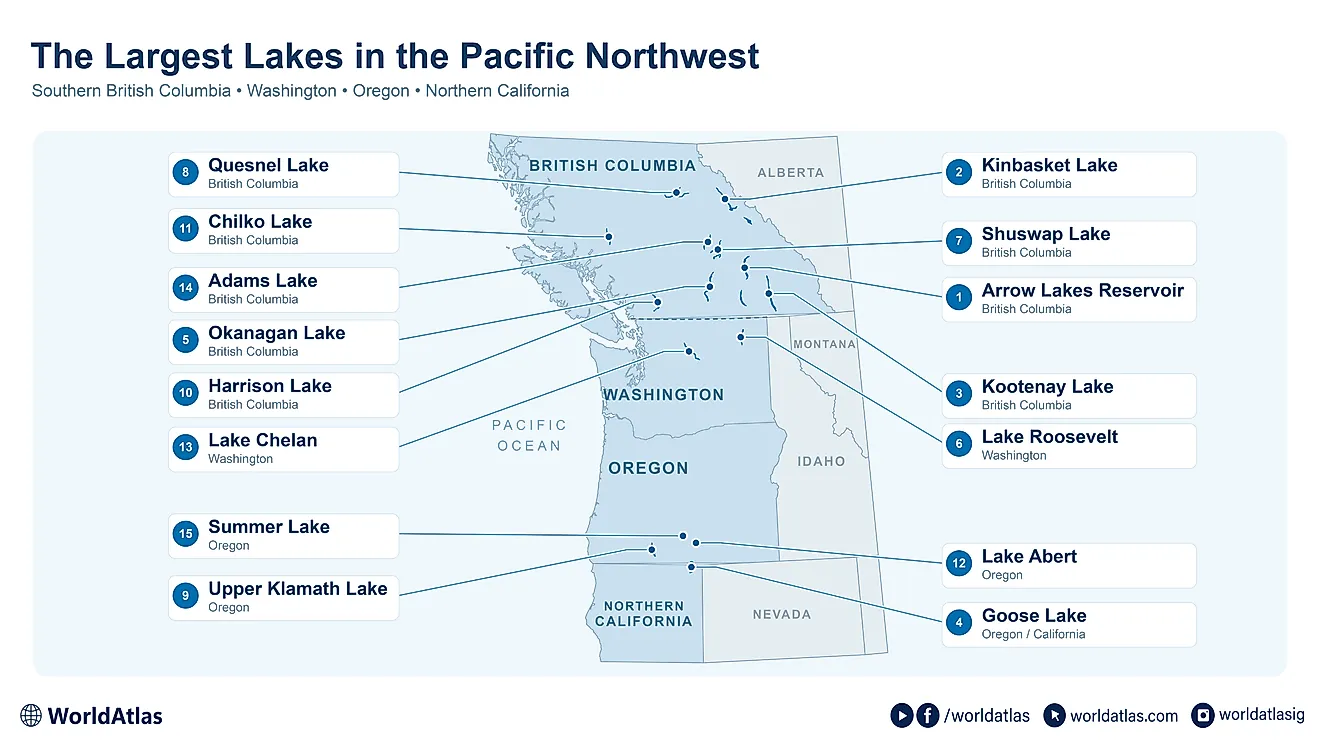
The Columbia is the main-stem route for nearly every steelhead in this part of the continent. Its drainage basin reaches into seven states and British Columbia, and fish bound for Idaho travel more than 400 miles upriver from the ocean before reaching Lower Granite Dam on the Snake River. The fish making that long trip include some of the basin's largest. Interior populations such as Idaho's B-run steelhead typically spend two years at sea, sometimes three, before starting the trip, and so they return far heavier than fish that come home after a single year at sea.
Nobody knows where Todd's fish was headed. Every steelhead bound for the Columbia's many tributaries passes through the main stem first, so a fish caught there could have come from almost anywhere in the basin. Today, Columbia steelhead must pass Bonneville Dam and a string of other hydroelectric projects on their way upstream, and Oregon and Washington have repeatedly tightened fishing rules when summer runs come in low, closing Columbia steelhead fishing in 2018 and extending closures after a record-low run in 2021.
Snake River, Washington - A 35-Pound State Record

Gilbert Pierson's 35.06-pound summer steelhead, caught on November 23, 1973, in Whitman County, remains the largest steelhead in Washington state records. It came from the lower Snake River at a key turning point in the river's history.
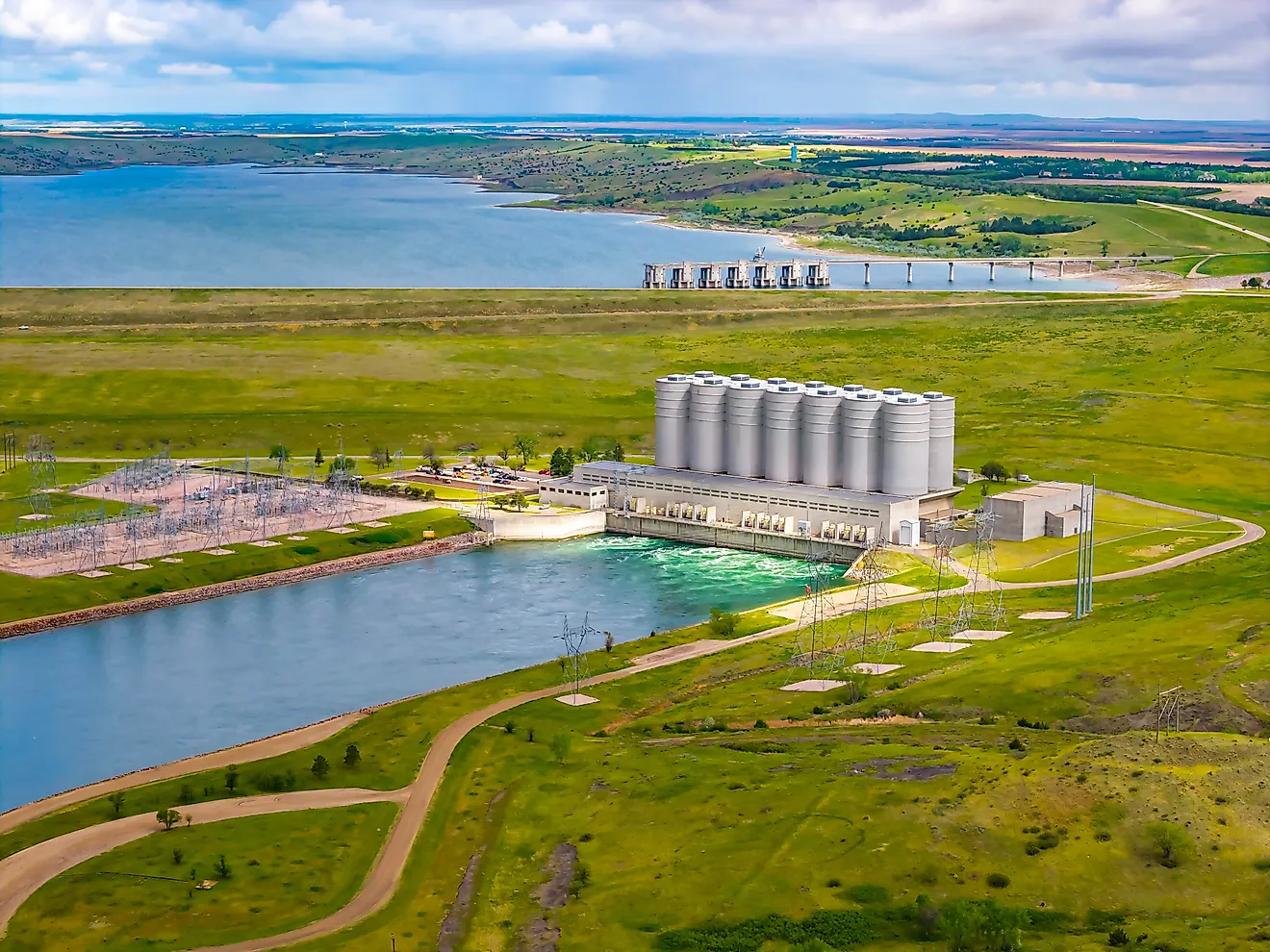
Construction of Lower Granite Dam was already underway, and its reservoir began filling in February 1975. The dam was the last of four built on the lower Snake by the U.S. Army Corps of Engineers, and today Lower Granite Lake backs up about 39 miles to the Snake's confluence with the Clearwater River at Lewiston, Idaho. Pierson caught his fish less than two years before that reservoir began to fill.
Outdoor writer Bill Herzog has suggested the record fish was likely headed for the Clearwater, home of Idaho's largest steelhead, though nobody can confirm where it would have spawned. That theory fits the timing. Idaho's own record, a 30-pound, 2-ounce fish from the Clearwater, was caught the same year. Those Idaho-bound fish now pass through a series of dams and fish ladders on the Snake, and Lower Granite is the final dam adults must climb to reach Idaho.
East Fork Lewis River, Washington - 32 Pounds Of Winter Steelhead

Washington keeps separate records for summer-run and winter-run steelhead, and the winter mark belongs to a small river in Clark County. Gene Maygra caught a 32.75-pound winter steelhead in the East Fork Lewis River on April 14, 1980, and it is still the state's heaviest winter-run fish on record.
The East Fork joins the main Lewis River near Paradise Point State Park, and the Lewis enters the Columbia River, which flows to the Pacific Ocean. Washington's two runs differ. Summer-run steelhead, mostly found east of the Cascades, enter rivers months before spawning and travel far inland. Winter-run fish spawn closer to the ocean and need less travel time, which suits lower Columbia tributaries like this one.
The river has been managed differently since the record. In 2014, the Washington Department of Fish and Wildlife designated the East Fork a wild steelhead gene bank and ended releases of hatchery winter and summer steelhead there. The goal is to let the river's native fish reproduce without competing against hatchery stock. That decision followed years of concern. As early as 1997, the state enacted emergency closures upstream of Sunset Falls to protect very low runs of wild summer steelhead in the East Fork.
Kispiox River, British Columbia - Among The World's Largest
The Kispiox does not hold a certified record, but it has something rarer: decades of measurements from hundreds of adult fish. A 1997 British Columbia government review of Kispiox data collected from 1972 to 1996 found that sampled males averaged 7.37 kilograms (about 16.2 pounds), and the heaviest weighed 14.3 kilograms, roughly 31.5 pounds. The longest measured 114.3 centimeters in fork length, about 45 inches.
The report described Kispiox steelhead as among the largest in the world. Time at sea is a big part of the reason. Most spend two years in the Pacific Ocean, though some stay as long as four. The river also has an unusually high share of repeat spawners. In a 1975 survey, 17.6 percent of sampled fish had spawned before. The report put the figure for the Sustut River, farther up the Skeena system, at 6.2 percent.
The Kispiox runs about 140 kilometers, draining the Skeena Mountains before joining the Skeena River about 16 kilometers north of Hazelton. The same report grouped the Babine and Suskwa, two other Skeena tributaries, with the Kispiox for unusually large average fish. Non-Canadian anglers have traveled here for decades; they accounted for about half of all fishing effort on the river between 1984 and 1996.
Clearwater River, Idaho - A 41-Inch Fish, Released

Idaho's record steelhead weighed 30 pounds, 2 ounces and came from the Clearwater River in 1973. The river also holds the state's separate catch-and-release record, a category Idaho created in 2016 because wild steelhead cannot be kept. On October 6, 2023, Kyriacos Panayiotou swung a fly through the Clearwater and landed a wild buck measuring 41 inches. He measured and photographed the fish, released it, and Idaho Fish and Game later certified it as the state catch-and-release record.
The Clearwater's big fish belong to the B-run, a group of steelhead that Idaho biologists separate from the smaller A-run fish usually found in the Snake and Salmon rivers. A-run steelhead usually spend one year in the Pacific Ocean and return at 4 to 6 pounds. B-run fish typically spend two years at sea, averaging 10 to 13 pounds and 31 to 34 inches. A few stay a third year and return longer than 37 inches, often heavier than 20 pounds.
Even among B-runs, a fish like Panayiotou's is exceptional. Trapping at Lower Granite Dam provides biologists with detailed size data for Idaho's runs. By one Idaho Fish and Game count, only four of 261,706 steelhead trapped there measured 41 inches or longer.
Smith River, California - 27 Pounds, Undammed

California's record steelhead came from the Smith River on December 22, 1976, when Robert Halley caught a 27-pound, 4-ounce fish just above the Highway 101 bridge. The river has produced big fish ever since, with winter steelhead averaging around 12 pounds.
The river's free-flowing condition is part of the reason. The Smith is the largest undammed river in California, reaching the Pacific Ocean just south of the Oregon border. Without dams, steelhead reach their spawning water freely, and the Smith River Alliance has helped add 5,400 acres of former private timberland to the Smith River National Recreation Area, completing the effort in 2016.
The best-known water flows past redwood groves in Jedediah Smith Redwoods State Park, where an eight-mile stretch below the confluence of the South and Middle Forks is known for producing the state's largest steelhead. Big winter fish begin entering the river in December, and their numbers peak in January and February. Halley's record came in that same window, and it has stood for about half a century.
Walnut Creek, Pennsylvania - 20 Pounds, No Ocean

The largest steelhead in Pennsylvania never saw an ocean. The state's record steelhead, a 20-pound, 3-ounce fish caught by Corey T. Brown in 2001, came from Walnut Creek in Erie County, a 22.6-mile tributary of Lake Erie.
Great Lakes steelhead are rainbow trout, mostly stocked by state agencies. They feed in the open water of the Great Lakes in place of an ocean and return to tributaries to spawn. Michigan brought rainbow trout to the region in 1876, using eggs imported from California. Lake Erie's steelhead fishery today depends heavily on stocking by Michigan, New York, Pennsylvania, and Ohio. The fish do not stay within state lines. A 2018 study of fish ear bones found that strays from other states averaged 46 percent of the adult steelhead sampled in five Lake Erie tributaries.
Great Lakes fish rarely reach the size of their Pacific relatives. Michigan's record steelhead, 26.5 pounds, was trolled from Lake Michigan in 1975, and Ohio's 20.97-pound record came from Lake Erie itself in 1996. According to the Pennsylvania Fish and Boat Commission, Walnut Creek is one of the state's largest and most popular steelhead streams, and the commission maintains a marina near its mouth.
What Makes A Giant Steelhead
The pattern across these rivers is time at sea. Kispiox fish that stay two years or more, Clearwater B-runs that wait an extra summer, and the multi-year fish of the Columbia Basin all carry more weight than steelhead that come home after one year. Pennsylvania's Walnut Creek record shows that years of feeding in a large lake like Lake Erie can add much of the same size. The West Coast records date to the 1970s in part because so few large wild steelhead are kept today. Length-based catch-and-release records, like Idaho's 41-inch Clearwater fish, are now one of the few ways new giants enter the books.