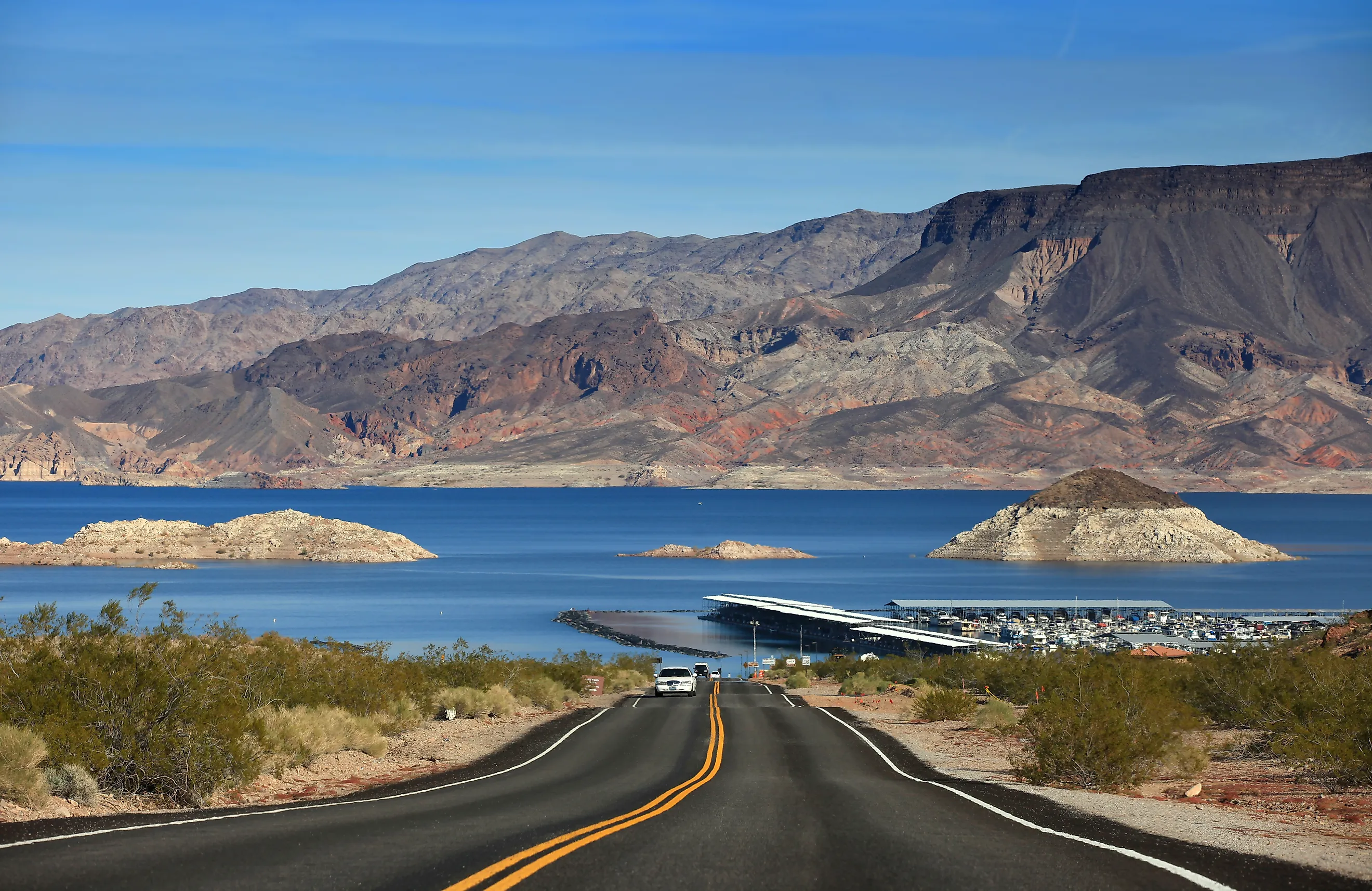
What Happens To Tucson If Lake Mead Hits Dead Pool
Cut the Colorado River off at Hoover Dam, and the canal that supplies Tucson would run dry. For a desert city of a million people that gets most of its water from that one canal, it sounds like the worst case. Tucson's water is pumped out of Lake Havasu, more than 800 feet uphill, and carried 336 miles across the desert to the city. Lake Mead is already at record lows, and the first cuts to Tucson's share are set for 2027. But what happens when the canal runs dry is slower and stranger than it sounds.
At Dead Pool, Water Stops Leaving Lake Mead

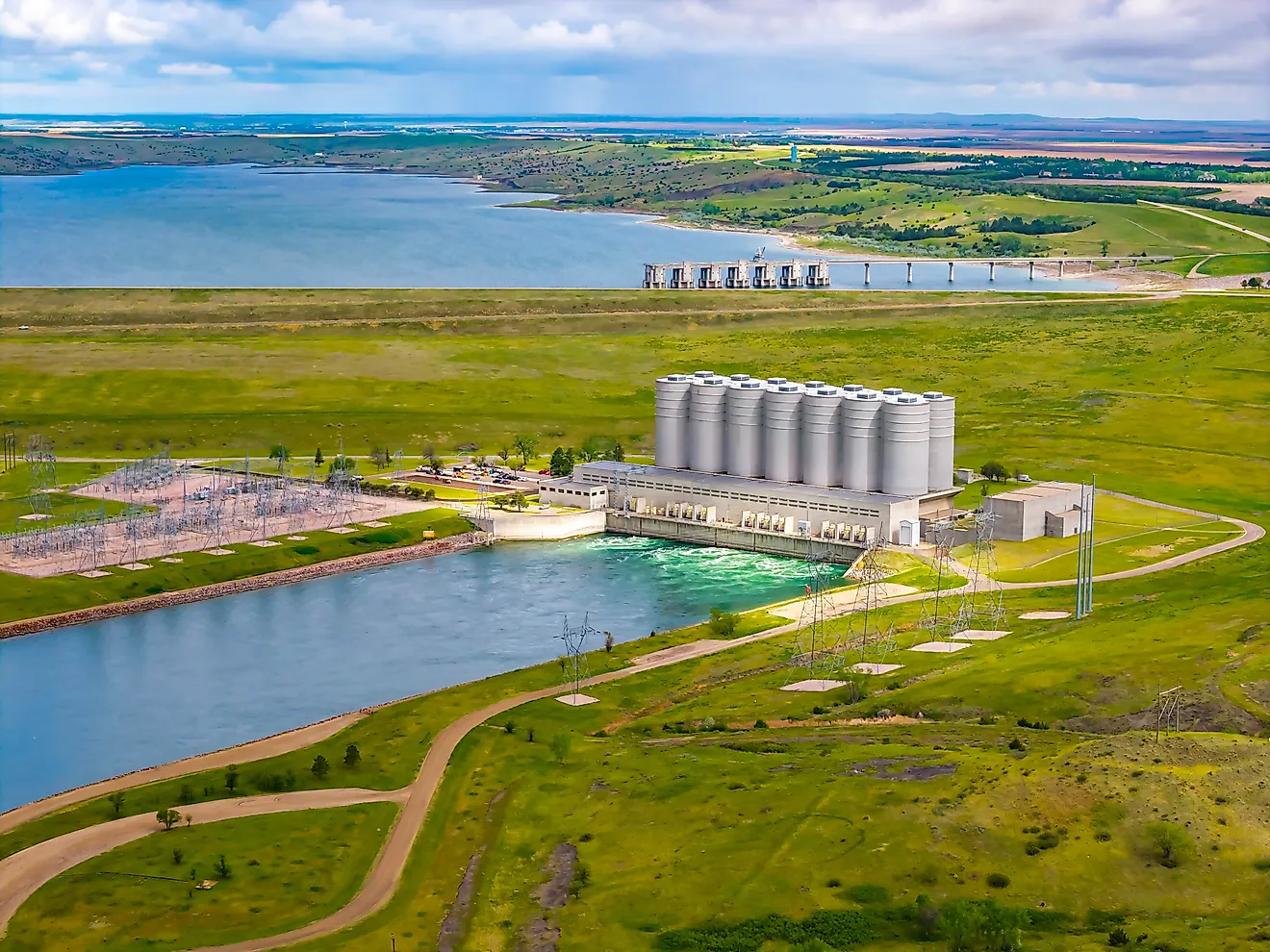
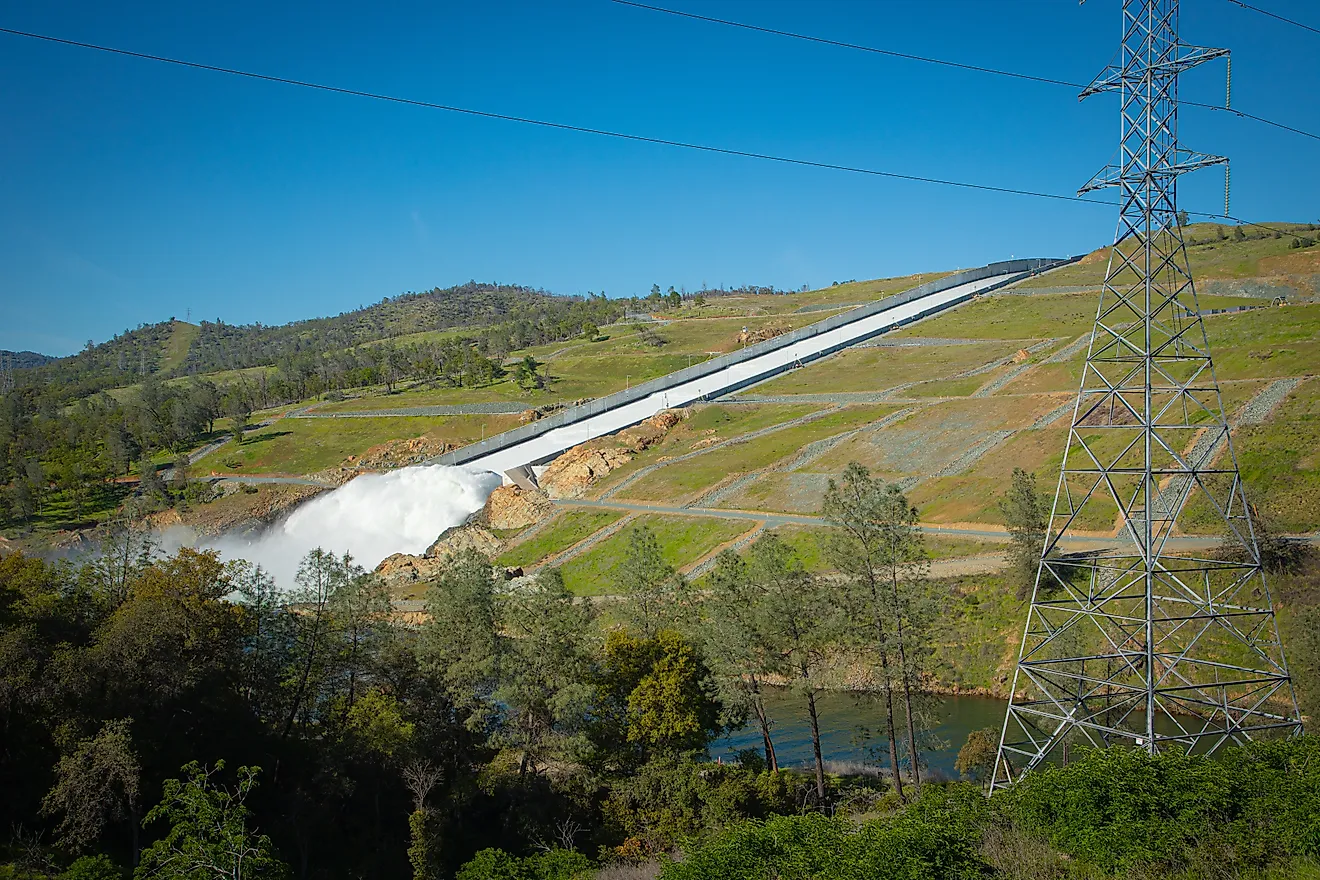
Below Hoover Dam's lowest outlets, at about 895 feet, more than 2 million acre-feet would still be in Lake Mead with no way to flow out by gravity, and no reservoir water would be released into the Colorado River below the dam. Everything released at Hoover passes through Lake Mohave, behind Davis Dam, before it reaches Lake Havasu and Parker Dam on the Arizona-California line. Water is pumped out of Havasu at two big intakes, the CAP's Wilmer plant on the Arizona side and the Whitsett Intake Pumping Plant at the head of Southern California's Colorado River Aqueduct. With Hoover cut off, the main water reaching Havasu would be what was still held in Lake Mohave and released through Davis Dam, plus the Bill Williams River, which flows in near Parker Dam.
Arizona's Canal Water Is First In Line For Cuts
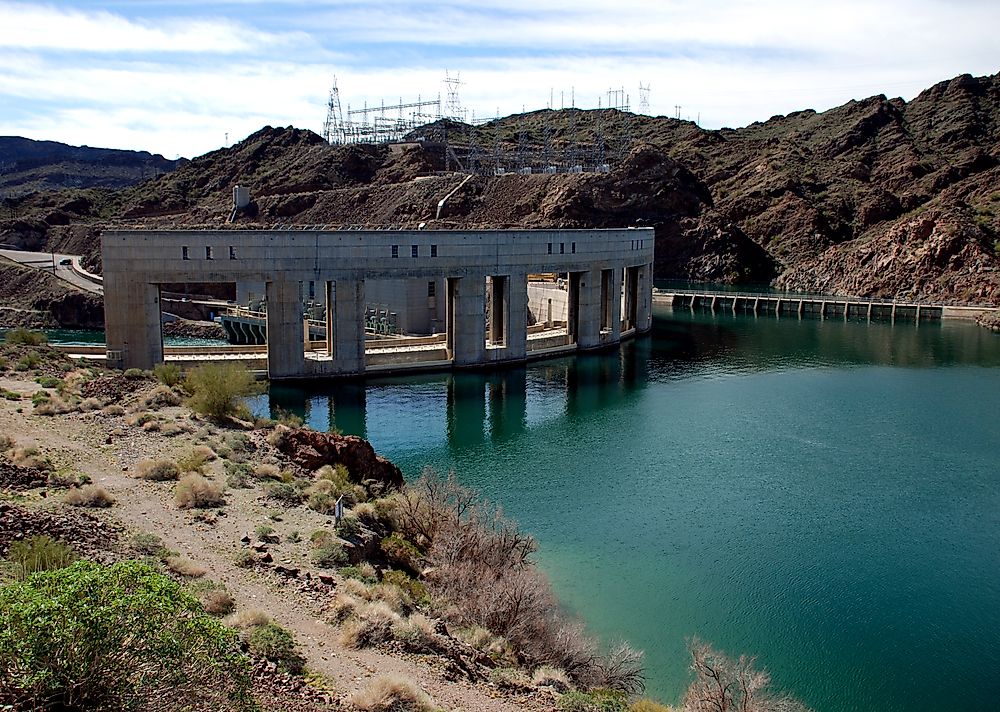
Of the two intakes on Lake Havasu, the Wilmer plant is the one on the junior side of the river's priority system. The 1968 law that authorized the CAP limits Arizona's canal diversions in short years so that California keeps its first 4.4 million acre-feet. The Lower Basin's 2027 deal spreads cuts to California as well, but from 2029 the priority system applies again unless new agreements are reached, so canal deliveries to Phoenix and Tucson would shrink long before the lake reached 895 feet.
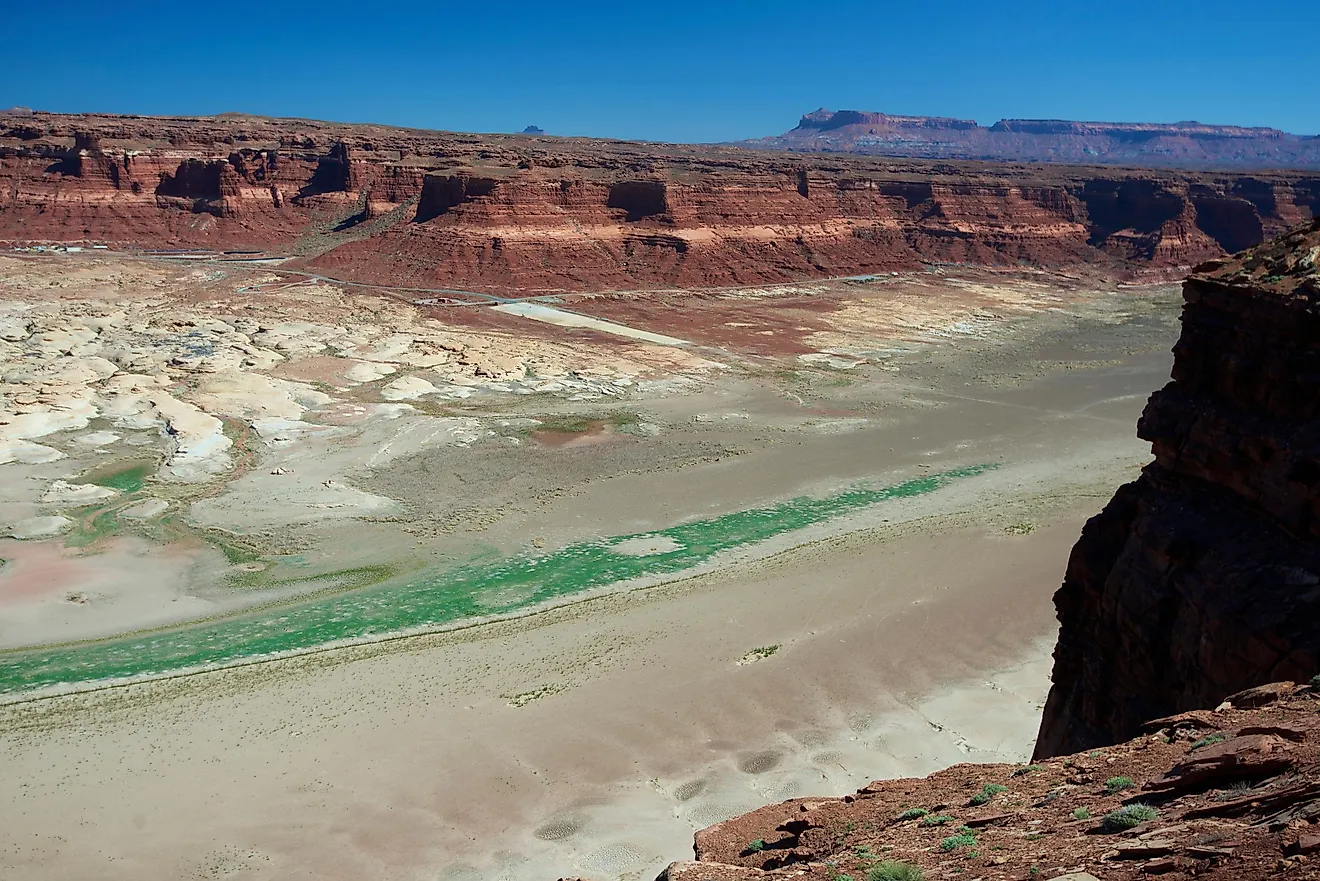
Lake Mead's surface hit 1,037.16 feet on October 22, 2026, the lowest level on record and about 142 feet above dead pool. The level dropped below the July 2022 record low of about 1,040.6 feet in early August and has kept sliding since, with small day-to-day rebounds. In Reclamation's October probable-minimum forecast, its dry-side planning scenario, the lowest projected level is 982.43 feet, in July 2028.
Tucson's preliminary 2027 canal order is about 71,000 acre-feet, a little under half its 144,191 acre-foot allocation, and 50,000 acre-feet of the difference will stay behind Hoover Dam in Lake Mead under a paid conservation deal. Statewide, Arizona's share of the river is set to drop by 760,000 acre-feet in 2027, about 27% of its 2.8 million acre-foot apportionment, if the Lower Basin's proposed sharing arrangement is carried out.
Groundwater Was Once Tucson's Only Supply

In 1984, Tucson was the largest city on the continent supplied solely by groundwater. Pumping, along with diversions and erosion, had already left the Santa Cruz River channel through town dry, and in parts of the basin the water table, once about 25 feet below the surface, fell past 300 feet over the last century.
Canal water reached Tucson homes in 1992, piped directly to about half of Tucson Water's service area, and tens of thousands of complaints about brown, smelly water and corroded pipes followed. Council members voted in 1993 to stop direct delivery, and in 1995 city voters approved the Water Consumer Protection Act, under which the treatment plant built for canal water was effectively idled. The workaround, running at scale by 2001, was to put canal water into the ground first and pump it back out blended with native groundwater.
Tucson's Reserve Is Stored Under Avra Valley

Most of what Tucson would drink at dead pool, for at least the first decade, is Colorado River water already stored underground this way. West of the Tucson Mountains, the Central Avra Valley Storage and Recovery Project has 11 recharge basins on 317 acres, with recovered water reaching customers since 2001, and the Southern Avra Valley project has added nine more basins on 226 acres since 2008. The water sinks into the aquifer and mixes with groundwater, then is pumped back up through recovery wells and piped over the Tucson Mountains into the city system. About 78% of Tucson Water's deliveries today are this recovered supply.
On top of the water recharged and recovered each year, about 600,000 acre-feet of CAP water has been banked underground since 2000, and Tucson Water director John Kmiec has said another 400,000 acre-feet or more is reachable through the Arizona Water Banking Authority. Together that adds up to at least 10 years of supply with the CAP cut off entirely. The first dip into that reserve is scheduled for 2027, when banked credits are to cover a shortfall of 20,000 acre-feet or more in Tucson's canal order, starting with the state water bank's credits at the central Avra Valley site, with the city's own credits as backup.
Wells Inside Tucson Come Next, Under Tighter Drought Rules

The other 22% of deliveries comes from the Central Well Field, inside the city, which is held for peak demand and as a backup. Including the stored canal water, the groundwater available to Tucson Water totals roughly 4.7 million acre-feet, about 47 years of use at the current pace. That pace reflects drinking water use per person of about 110 gallons a day in 2024, compared with about 165 in 2000.
Treated wastewater has gone to nearly 1,000 customers through Tucson's reclaimed system since 1984, including golf courses and school fields, offsetting about 4.7 billion gallons of drinking water a year. Its source is Pima County's Agua Nueva Water Reclamation Facility, where the area's own wastewater is treated, so this supply would continue with the canal dry.
Tucson is in Tier 2 of its drought plan now, and a drought surcharge is among the measures the mayor and council may consider at that stage. The city manager is to recommend Tier 3 once Lake Mead falls below 1,025 feet or canal deliveries fall short of a year's drinking-water demand, and in Reclamation's dry-side forecast the lake drops below 1,025 feet by April 2027. At dead pool both conditions would be met, and at Tier 3 the mayor and council may consider restrictions on customers whose use keeps exceeding water-use guidelines.
Farms And Neighbors Along The Canal Would Lose Water Too

Around Marana and Avra Valley, more than 12,000 acres of farmland lie within the Cortaro-Marana Irrigation District. In 2025 those fields were irrigated with 12,097 acre-feet of canal water, stored there on behalf of Metro Water, Tucson, and others in place of pumped groundwater. That arrangement leaves water in the aquifer and depends on CAP deliveries, so at dead pool any water on those fields would have to come from wells again. Oro Valley's water planners, north of Tucson, have been told to expect a cut of about 20% to the town's CAP water starting in January 2027, and they plan to absorb it by storing less water, with tens of thousands of acre-feet already banked. The canal's last miles run through the Tohono O'odham Nation's San Xavier District, south of the city, and the San Xavier and Schuk Toak districts together have rights to 37,000 acre-feet a year of CAP water under a 1982 settlement amended in 2004, all of it carried by the same canal.
The Basins Can Only Fill While The Canal Runs

Even in Reclamation's dry-side two-year forecast, Lake Mead's surface stays more than 85 feet above dead pool through September 2028, where that forecast ends. Every acre-foot of canal water that Tucson's taps would run on at dead pool has to go into the ground before the lake drops that far. The federally funded expansion of the southern Avra Valley site, which would raise its yearly storage capacity to as much as 140,000 acre-feet, is due in 2032, with first claim on a share of that space reserved for Reclamation. The 20 recharge basins west of the Tucson Mountains can be filled only as long as river water still reaches the Wilmer intake on Lake Havasu, 336 miles up the canal.