What Happens If The Colorado And The Rio Grande Fail The Same Year
The American Southwest leans on two great rivers, the Colorado and the Rio Grande, and both are under real, long-term strain. So what happens in a year when both have a bad run at the same time? It would be a genuine squeeze, no question. But it is worth saying up front: the region has spent decades quietly building backups for exactly this scenario. Here is how it would actually play out.
Two Rivers, One Region
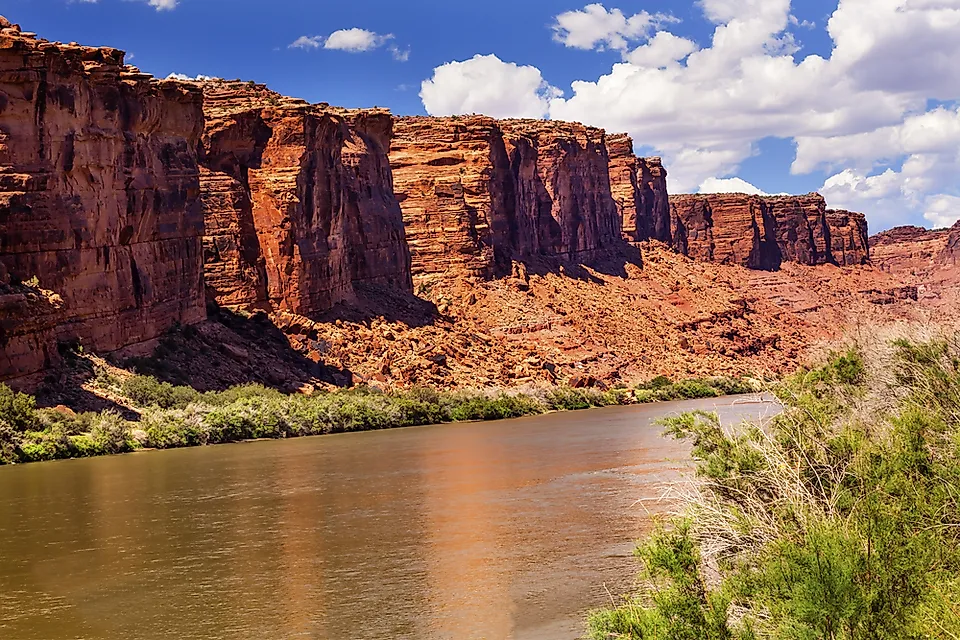
Together, these two rivers water most of the Southwest. The Colorado River is the famous one, supplying roughly 40 million people across Arizona, California, Nevada, and the Upper Basin states. The Rio Grande is the longer, quieter one, running about 1,900 miles from the mountains of Colorado down to the Gulf of Mexico and forming much of the Texas-Mexico border along the way. All told, the Rio Grande serves around 15 million people across Colorado, New Mexico, Texas, and Mexico.
They're Quietly Linked

Here is a detail most people miss: the two rivers are not fully independent. A piece of engineering called the San Juan-Chama Project drills straight through the Continental Divide to move water out of the Colorado River Basin and into the Rio Grande, where it becomes an important supply for Albuquerque and Santa Fe. In other words, part of the Rio Grande's water is really Colorado River water in disguise. That connection means a dry year on the Colorado also nudges the Rio Grande down a little, so the two systems tend to feel their tough years together.
Why a Double Dry Year Hits Harder
In a normal shortfall, one river gets cushioned by the other. Water managers lean a bit harder on the healthier basin, draw down water stored in the reservoirs, or pump some extra groundwater to bridge the gap. When both rivers dip in the same year, those cushions get called on simultaneously rather than one at a time. It is less a sudden cliff than a tighter squeeze, with the whole region reaching into the same backup toolbox at once. The encouraging part is that the toolbox is a great deal deeper than it used to be.
The Backups Kick In

This is where decades of planning pay off, and the taps keep running. Southwestern cities have worked hard to diversify their water so they are not hostage to a single river. Many bank water underground during wet years to pull back out when things turn dry. They recycle wastewater, too; El Paso is building the nation's first direct-to-distribution "pure water" plant, which turns treated wastewater back into clean drinking water. El Paso also runs the largest inland desalination plant in the world, drawing fresh water from salty, brackish groundwater that was once considered unusable, and it has trimmed its overall water use by roughly 40 percent since the 1970s through conservation alone. The point of all of it is simple: when one river has a bad year, the city has somewhere else to turn.
Sharing the Shortage

Just as important as the hardware is the rulebook. Both rivers are governed by long-standing agreements designed to spread shortages out in an orderly, predictable way rather than leaving everyone to scramble. On the Colorado, tiered shortage rules automatically dial back deliveries as reservoir levels fall, so the cuts are planned out years in advance. A single 1944 treaty, meanwhile, coordinates how the United States and Mexico share both rivers across the border. These agreements are actively being updated as conditions change, which is precisely how a shared shortage is meant to be handled, through negotiation rather than through crisis.
How Real Is the Risk?

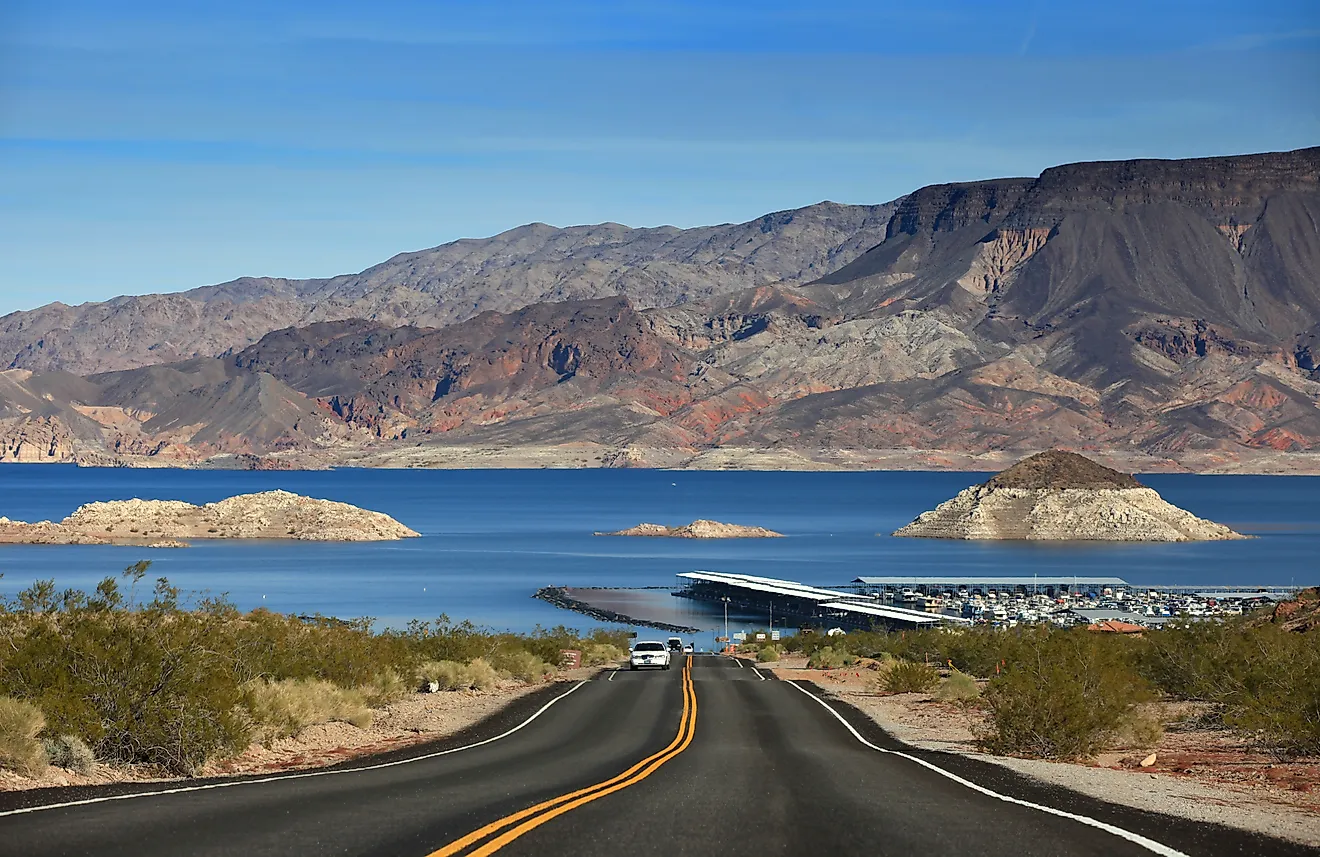
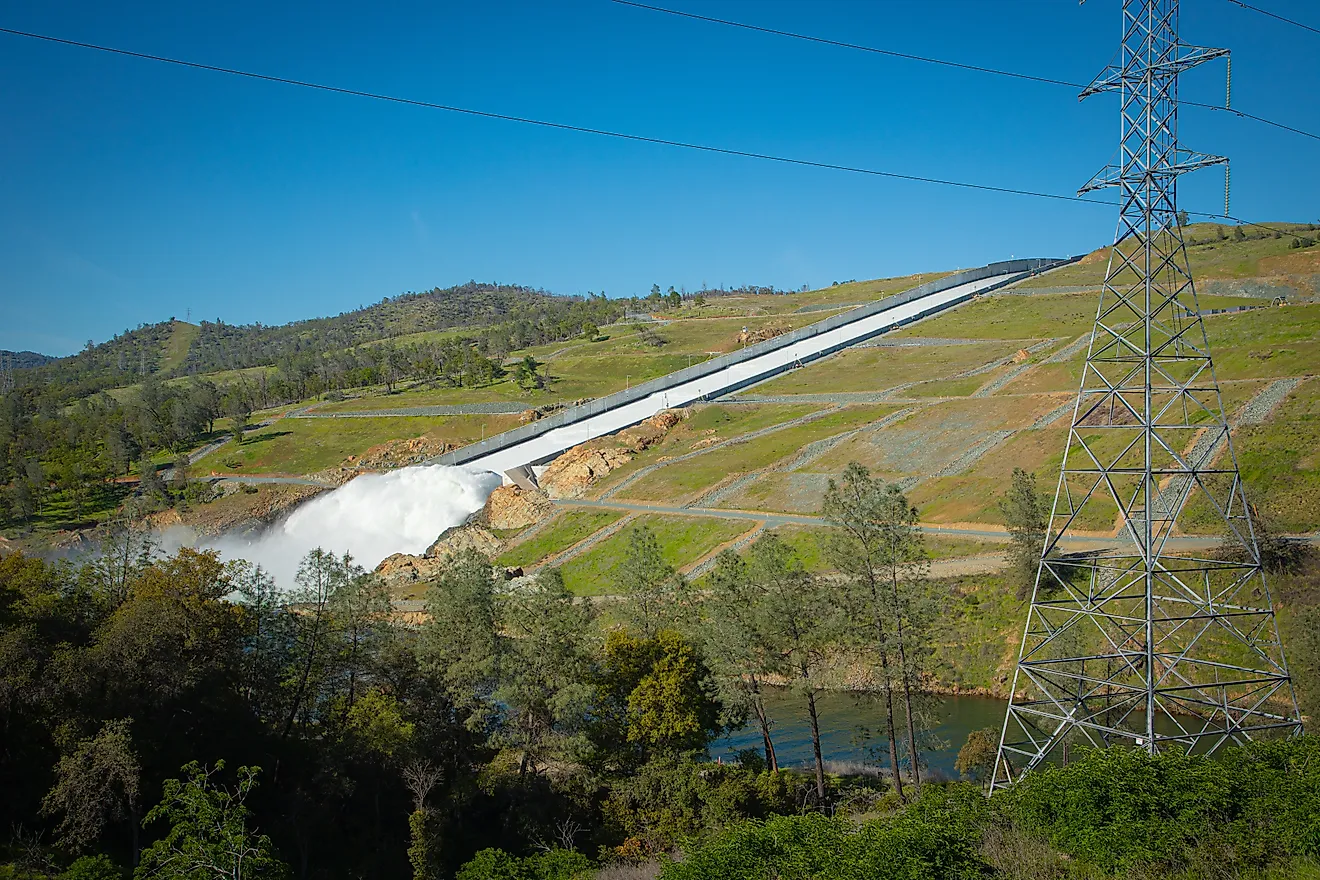
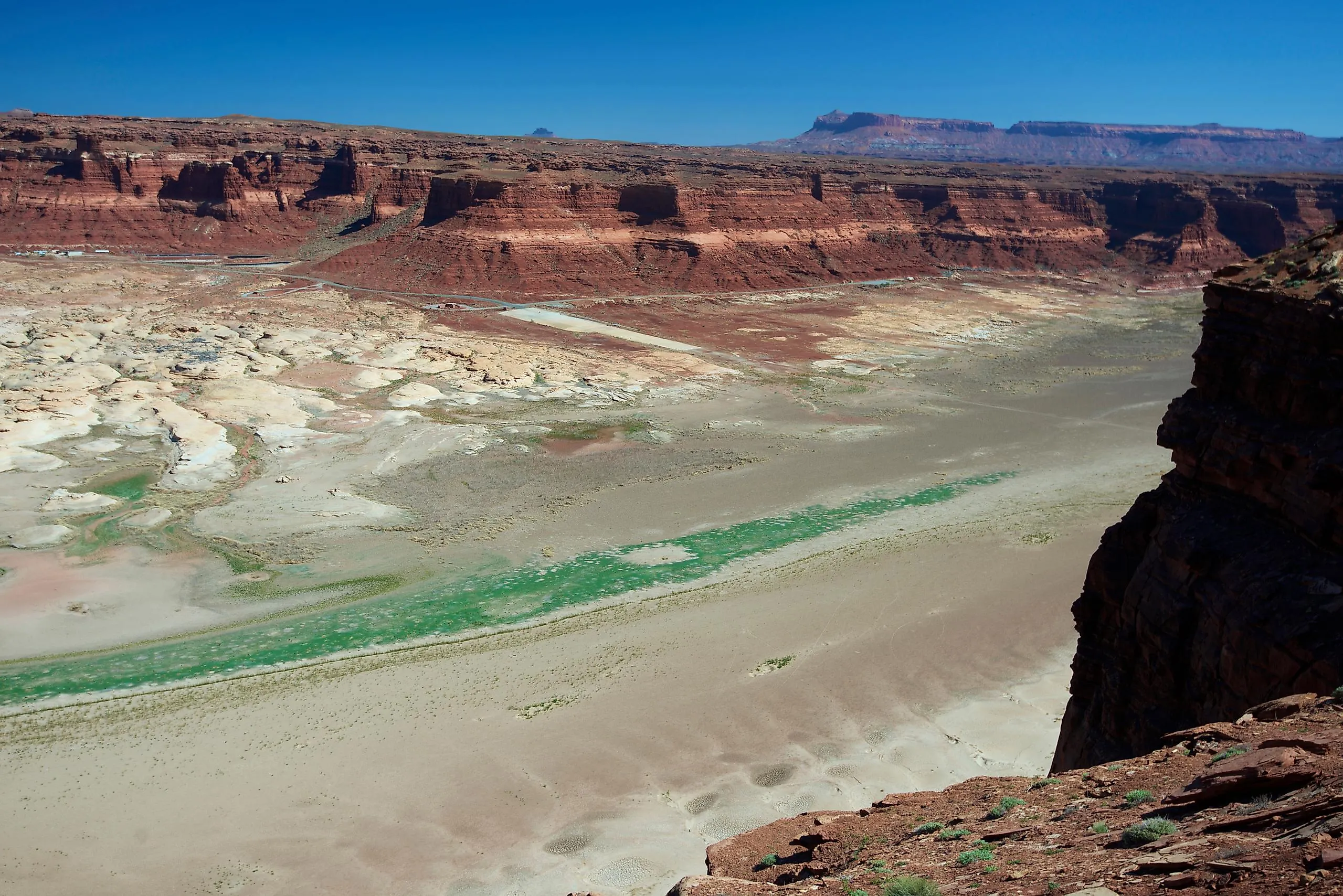
So could both rivers really struggle in the same year? Realistically, yes. Both are in long-term decline, and because they are fed by the same mountains and shaped by the same hot, dry climate patterns, their bad years can line up. In 2026, the Rio Grande's largest reservoir, Elephant Butte, fell to record lows, while the Colorado sat well below full behind dams like the one holding back Lake Mead. But a difficult year is a long way from a disaster. The region's answer, more underground storage, more water reuse, more desalination, smarter conservation, and continually updated sharing agreements, is already well underway. The Southwest's two rivers may both have rough years ahead of them, but the plan for getting through those years is no longer an afterthought.