The Most Snake Infested Rivers In New Jersey
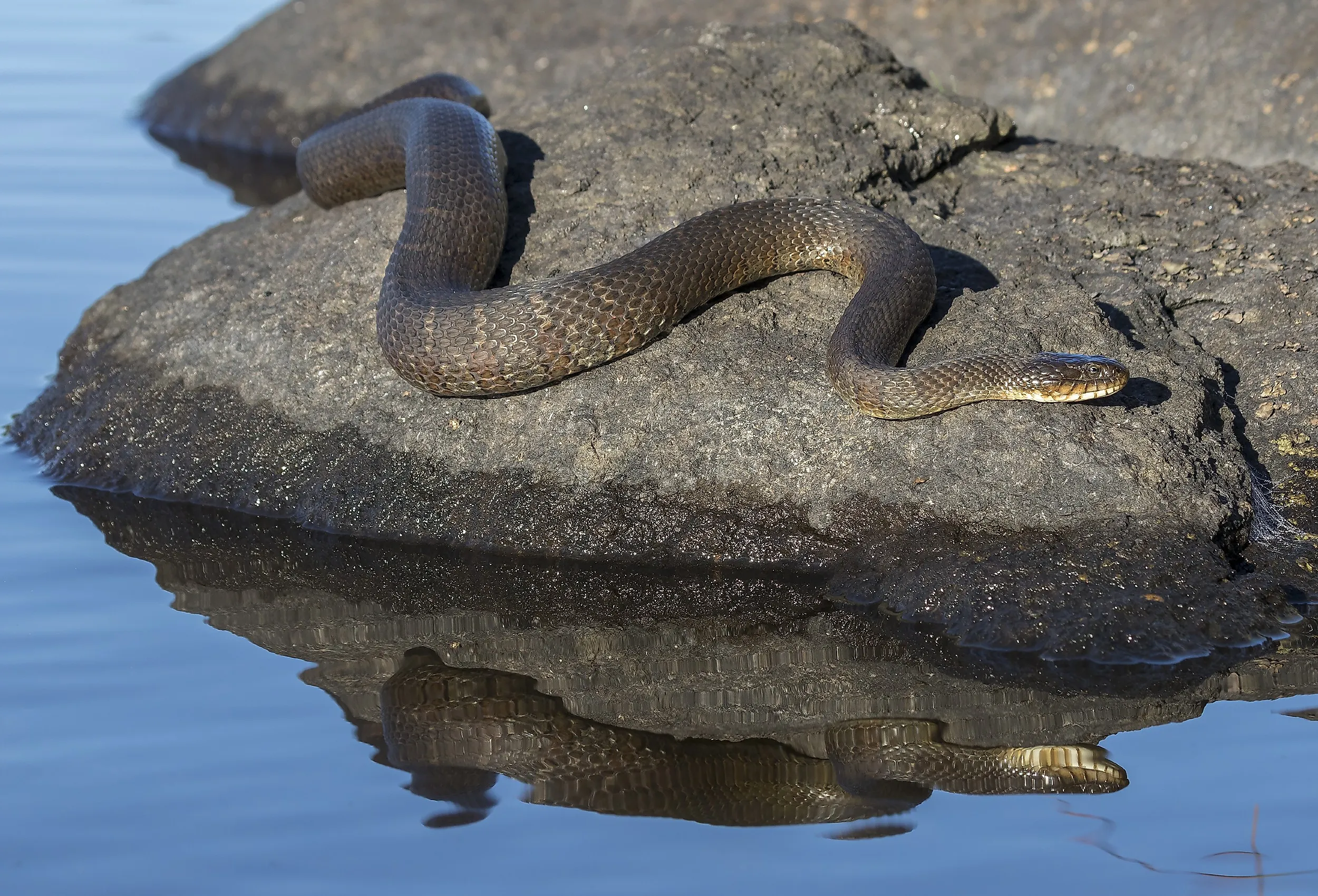
On a warm summer afternoon along almost any New Jersey river, look closely at the sunny rocks and the branches hanging low over the water. There is a good chance a thick, dark snake is stretched out there, soaking up heat. It is almost certainly a northern water snake, and despite what nervous paddlers sometimes claim, it is not a cottonmouth. Cottonmouths do not live anywhere in New Jersey. The state is home to about two dozen native snake species, and only two of them are venomous. Its rivers give the harmless ones plenty to eat, shady banks to hide in, and warm stones to bask on.
Delaware River

The Delaware runs the full western edge of New Jersey, and its main stem has no dams along its entire length, a rarity among the big rivers of the East. Its wildest stretch is inside the Delaware Water Gap National Recreation Area, where the river slices through the Kittatinny Ridge. Here, northern water snakes drape themselves over rocks and fallen logs at the water's edge and slide into the current the moment a canoe gets too close. They hunt fish and frogs in the shallows and, unlike most snakes, give birth to live young in late summer rather than laying eggs.

The ridges above the river hold New Jersey's rarest snake. Timber rattlesnakes den among the rocky slopes of the Kittatinny Ridge in the state's northwest, and they are listed as endangered in New Jersey, which means they are protected by law. They spend their time on dry, sunny hillsides rather than in the river itself, and hikers who give them room almost never have trouble. Down at the water, the northern water snake is the one you will meet, and while it is not venomous, it does not like to be handled. Grab one, and it will bite and smear you with a foul-smelling musk.
Raritan River

The Raritan is the largest river that flows entirely within New Jersey, winding through the center of the state to Raritan Bay. For much of its course, it travels beside the old Delaware and Raritan Canal, whose grassy towpath is now a long, flat trail through Delaware and Raritan Canal State Park. That mix of slow river water, quiet canal, and overgrown banks is ideal snake habitat. Northern water snakes patrol both waterways, and on sunny days walkers often spot them coiled on the canal's stone edges.

The Raritan is also prime country for the common garter snake, the most widespread snake in New Jersey. Garter snakes are not true water snakes, but they love damp ground and often hunt along riverbanks for earthworms, frogs, and small fish, swimming without hesitation when they need to escape. Their yellowish stripes make them easy to recognize, and they are a common sight on the towpath, where cyclists and joggers pass within feet of them all summer.
Passaic River

The Passaic begins its long, looping journey to Newark Bay in the wetlands of Morris County, and its headwaters are some of the best snake habitat in the region. Great Swamp National Wildlife Refuge, a mosaic of marsh, wooded swamp, and meadow in the upper Passaic basin, is a rare patch of wilderness surrounded by suburbs. Boardwalks lead visitors over the wetlands, where northern water snakes and garter snakes are the most common sights, and none of New Jersey's venomous snakes are known to live there.

Look along the marsh edges for the eastern ribbon snake, a slender, striped cousin of the garter snake. Ribbon snakes are thinner, with extra-long tails, and they skim across the surface of the water after frogs and tadpoles with remarkable speed. Farther downstream, the Passaic grows wider and more urban, plunging over the Great Falls in Paterson, yet water snakes still find quiet backwaters and overgrown banks along the way.
Sharing New Jersey's Rivers With Snakes
New Jersey's river snakes are far more likely to flee than to fight. The northern water snake, the garter snake, and the ribbon snake are all harmless to people as long as they are left alone, and they help keep fish, frog, and rodent populations in balance. The best way to enjoy them is from a short distance, especially in spring and summer, when they are most active. If you hike the rocky ridges above the Delaware, watch where you put your hands and feet, and remember that timber rattlesnakes are protected and should never be disturbed.