The US Lakes With The Most Venomous Snakes
Across the United States, some lakes harbor optimal habitat for venomous snakes. This mainly includes warm, densely vegetated bodies of water located within the country's southern half. In Florida's wetlands and Texas' arid reservoirs alike, the lakes we will discuss today can support species such as cottonmouths, eastern diamondback rattlesnakes, timber rattlesnakes, and western diamondback rattlesnakes.
These species are often drawn to nearby marshes, flooded forests, and surrounding grasslands, where they can find shelter, hunt, and warm their cold blood in relative peace. And while encounters with humans are uncommon, these lakes have ecosystems that consistently support large populations of other possibly dangerous reptiles, too, namely territorial American alligators and snapping turtles.
Lake Seminole - Georgia and Florida

Straddling the Georgia-Florida border, Lake Seminole is a 37,500-acre reservoir that sits at the confluence of the Flint and Chattahoochee rivers. It is surrounded by cypress-blanketed swamps, marshes, flooded patches of timber, and weedy shorelines that provide ideal habitat for a varied population of pit vipers.

The most significant venomous species regularly documented around the lake are cottonmouths, also known as water moccasins, which are semi-aquatic snakes that hunt fish, frogs, and other small animals along the water's edge. Eastern diamondback rattlesnakes also occur in the surrounding uplands and pine woods near the lake, while timber rattlesnakes have been recorded in parts of the broader river system, too.
Lake Seminole supports an unusually rich reptile community because its balmy climate, plentiful prey, and year-round wetland habitat allow them to remain active for much of the year. With that, you'll likely also see a plethora of American alligators here as well. The reservoir is also known for excellent bass fishing, and lies adjacent to the Lake Seminole Wildlife Management Area, which protects thousands of acres of important wetland and hardwood forests home to a massive diversity of other flora and fauna.
Lake Okeechobee - Florida

Lake Okeechobee is the largest freshwater lake in Florida, covering about 730 sq mi (1,891 km²). Its shallow, marsh-fringed shores create excellent greenspace for all sorts of snakes and other critters in this southcentral portion of the state.

The species most commonly seen at the lake is the Florida cottonmouth, a thick-bodied pit viper that frequently inhabits local canals, marshes, cattail stands, and vegetated shorelines. They are remarkably strong swimmers and are also often encountered near water-control structures and flooded grasslands where favorite foods, like amphibians, small mammals, and fish, are abundant. But while cottonmouths are the primary water-based venomous snake in the area, eastern diamondback rattlesnakes also occur in the drier upland habitats surrounding parts of the lake.
Okeechobee's connection to the Everglades ecosystem is a major reason snakes in general thrive here. The seasonal water fluctuations typical to the region create a mosaic of wetlands that concentrates prey during dry periods and expands hunting habitat during wetter months.
Lake Okeechobee is also notable for its impressive levee system and its importance to South Florida's water management network. This makes it one of the most ecologically significant freshwater bodies in the southeastern U.S. as well as an important natural feature for nearby towns and cities to function properly.
Lake Sweetwater - Texas

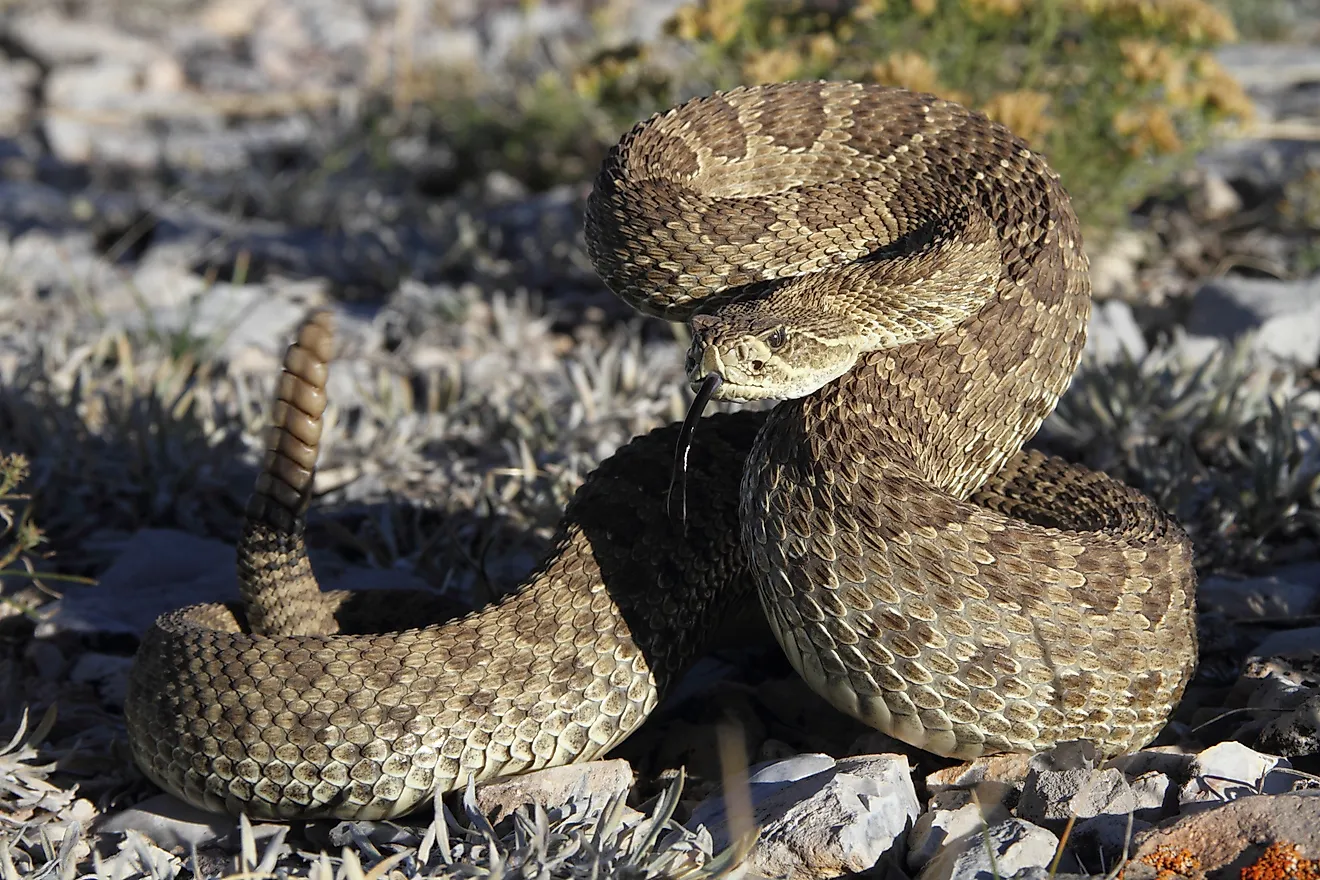
Lake Sweetwater in west-central Texas is flanked by dry grasslands and desert-like scrub habitats favored by several venomous snake species. The reservoir itself is not a typical aquatic snake hotspot like many swampy lakes in the Southeast, but the connected hills and prairies provide wide-open habitat for western diamondback rattlesnakes, the dominant snake associated with the region. Prairie rattlesnakes may also occur in the broader area.

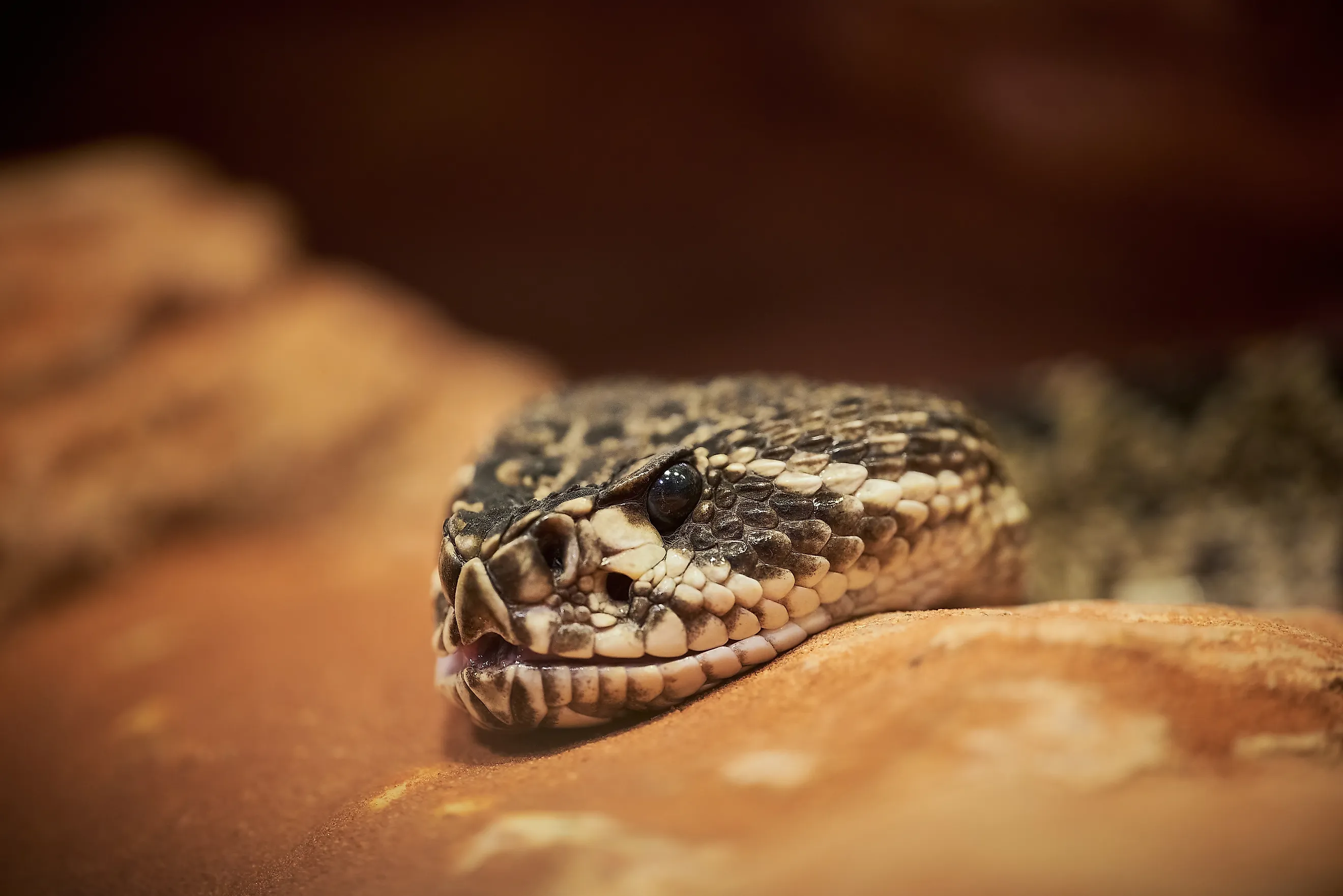
These large, territorial snakes are recognized by their dark diamond-shaped markings and broad heads, often found sheltering in rocky outcrops, brush piles, and abandoned burrows, and hunting rodents and other small animals around the lake's margins. Rattlesnakes are so prominent here that the city of Sweetwater hosts an annual rattlesnake round-up festival, one that has been going for over 68 years and claims to be the biggest of its kind in the world.
Built on Sweetwater Creek, the reservoir also supplies water for the citizens of Sweetwater and has become a popular fishing and boating destination.
Caddo Lake - Texas and Louisiana

Caddo Lake, which spans the Texas-Louisiana border, is widely regarded as one of the most biologically diverse wetland lakes in the Deep South. Its maze of bayous, bald cypress swamps, floating vegetation, and slow-moving backwaters boasts an excellent array of habitat for northern cottonmouths, the venomous snake most frequently sighted within the area. These semi-aquatic pit vipers are well adapted to hunting in shallow water and commonly feed on the abundant local crayfish. Moreover, you'll yet again have a decent chance of spotting a timber rattlesnake, too, which tends to occur in some of the surrounding wooded areas.

The lake's vast amounts of wetland vegetation are the key reason a variety of snakes are so successful here, as the dense cover offers protection from predators, creates secluded basking sites, and provides easy access to prey concentrated in swampy margins. During warm months, Caddo's resident snakes may also be seen more openly resting on logs, low branches, or vegetation mats near the water's edges and along popular paddling routes.
Caddo Lake likewise stands out for containing one of the largest naturally formed cypress forests in all of the United States, with trees often draped in Spanish moss drawing many thousands of sightseers every year despite the robust populations of potentially dangerous snakes and gators.
Reelfoot Lake - Tennessee

Reelfoot Lake rests in the far northwestern corner of Tennessee and is among the most snake-infested natural bodies of water in the Mississippi River floodplain. Formed by a series of powerful earthquakes in 1811-1812, this lake is shallow, heavily vegetated, and surrounded by swamps, flooded forests, and backwater sloughs, much like many of the other Southern waterways on this list.

The primary venomous species found in and around these waters is the northern cottonmouth, which is regularly spotted hanging out along muddy banks, cypress roots, boat launches, and marshy shoreline vegetation. Cottonmouths thrive here because Reelfoot Lake houses ample prey species, with the warm, humid climate and extensive wetland cover further allowing them to remain active throughout much of the year. In addition to cottonmouths, timber rattlesnakes occur in some of the surrounding wooded uplands and floodplain forests, though they are run into less frequently near the water itself.
Also recognized for its towering bald cypress forests and for hosting one of Tennessee's most important wintering populations of bald eagles, Reelfoot is certainly a significant wildlife area across the board.
Lake Gaston - North Carolina and Virginia

Lake Gaston is a river-like, 34-mile-long (54 km) reservoir on the North Carolina-Virginia border. It contains huge stretches of wooded shoreline, flooded coves, marsh-lined inlets, and tributary creeks connected to the Roanoke River system, creating an idyllic living space for northern cottonmouths in particular.

This widespread species favors the lake's warm southeastern climate and the huge swaths of adjacent wetland that provide both prey and cover throughout much of the year. The reservoir's numerous quiet backwaters and connected swampy tributaries give conditions similar to natural coastal plain wetlands, which are also prime copperhead habitat.
While timber rattlesnakes occur in parts of the surrounding Piedmont and forested highlands, too, they are far less associated with this body of water itself than copperheads and cottonmouths. Although it should be noted that timber rattlers are not all that rare a sight in the broader region, where hikers, cottagers, and campers frequently share the space.
Know Where Lakes and Venomous Wildlife Meet
Venomous snakes are a natural part of many U.S. lake ecosystems, thriving where warm temperatures, food availability, and suitable shelter overlap. Bodies such as Lake Seminole, Lake Okeechobee, Caddo Lake, and Lake Sweetwater especially demonstrate the wide range of habitats these predatory reptiles can occupy. Understanding their role can help you appreciate these environments while staying mindful of where you step for your own safety as well.