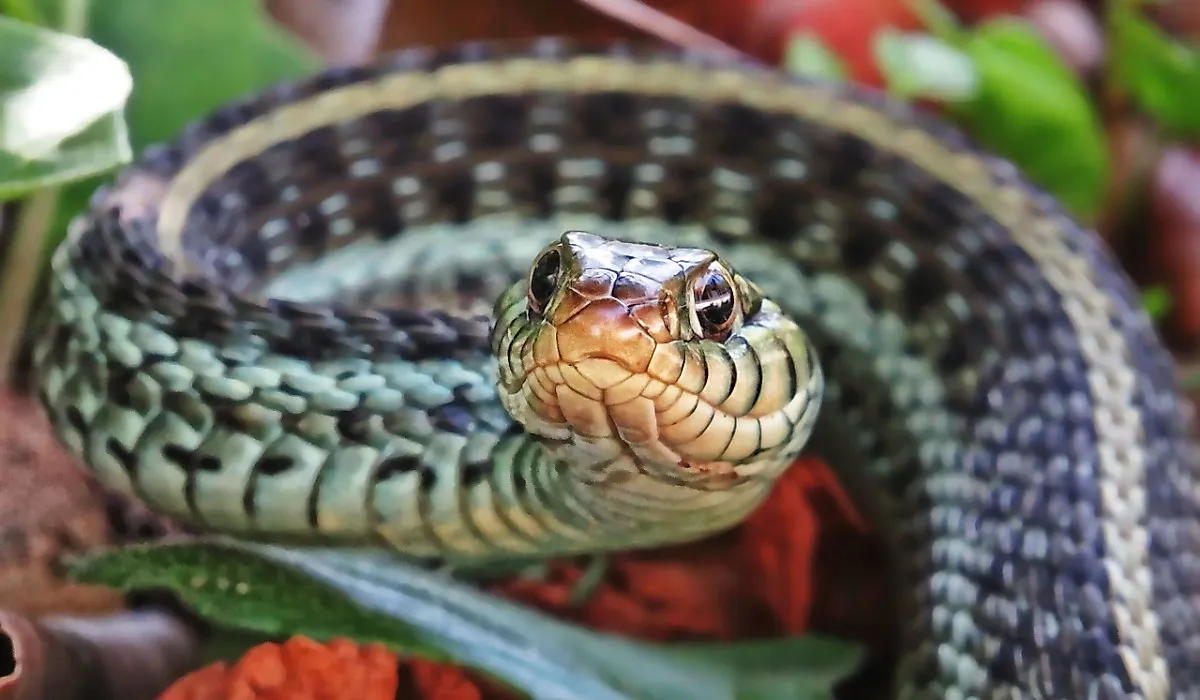
6 Most Snake Infested Rivers In Arizona
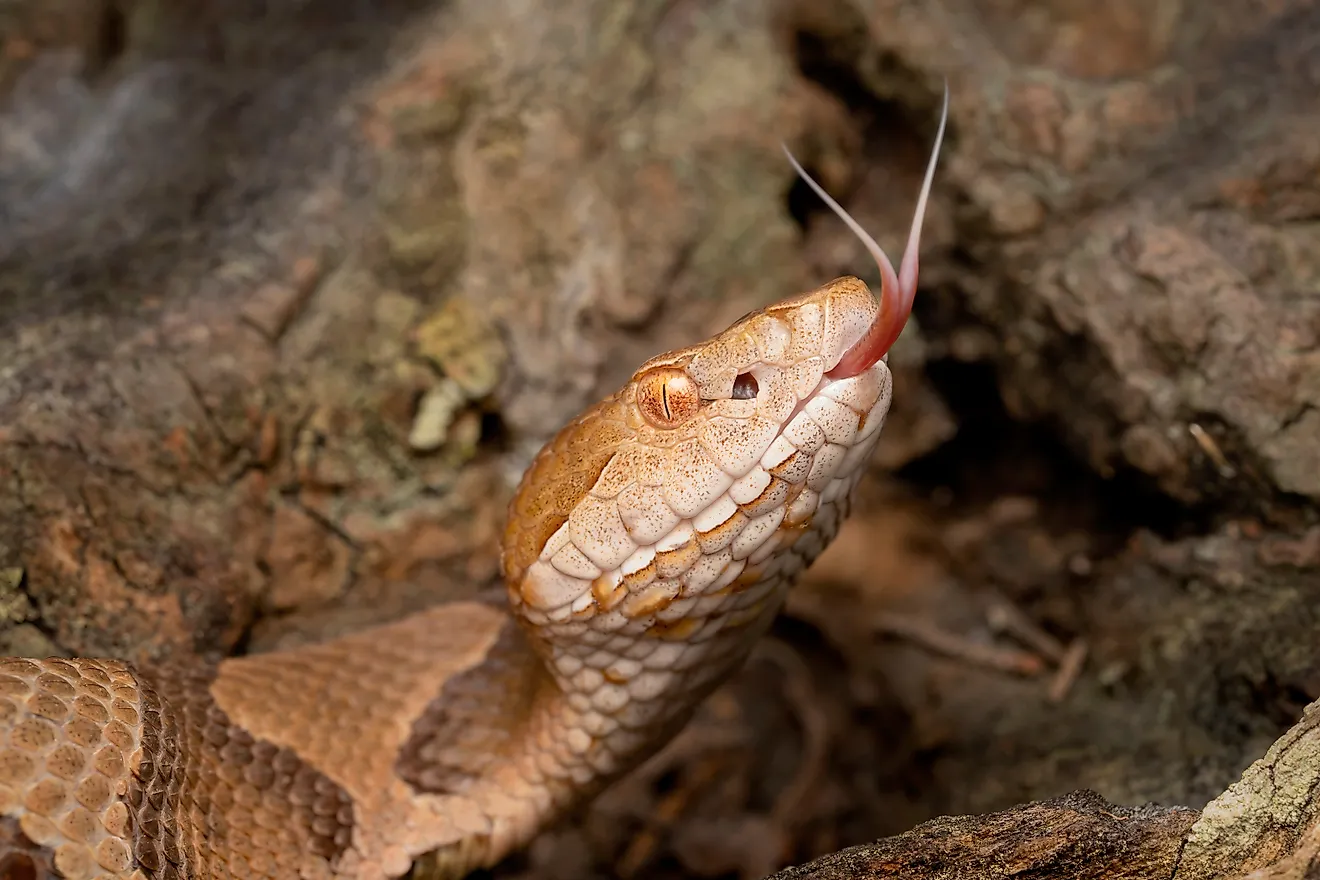
Most rattlesnakes in the Grand Canyon are observed beside springs, streams, and the Colorado River, according to the National Park Service. Arizona has 13 rattlesnake species, more than any other state, and Arizona Game and Fish estimates that up to 80 percent of the state's wildlife species depend on riparian areas for breeding, migration, shelter, and seasonal forage during some part of their lives. Two gartersnakes protected under the Endangered Species Act spend nearly their whole lives in or beside that water. The narrow-headed gartersnake feeds mainly on native fish, and the northern Mexican gartersnake eats tadpoles, minnows, and small fish. Rattlesnakes in Arizona's warm deserts are most active from March through October, and the Banner Poison and Drug Information Center saw more than 100 rattlesnake bites in 2025.
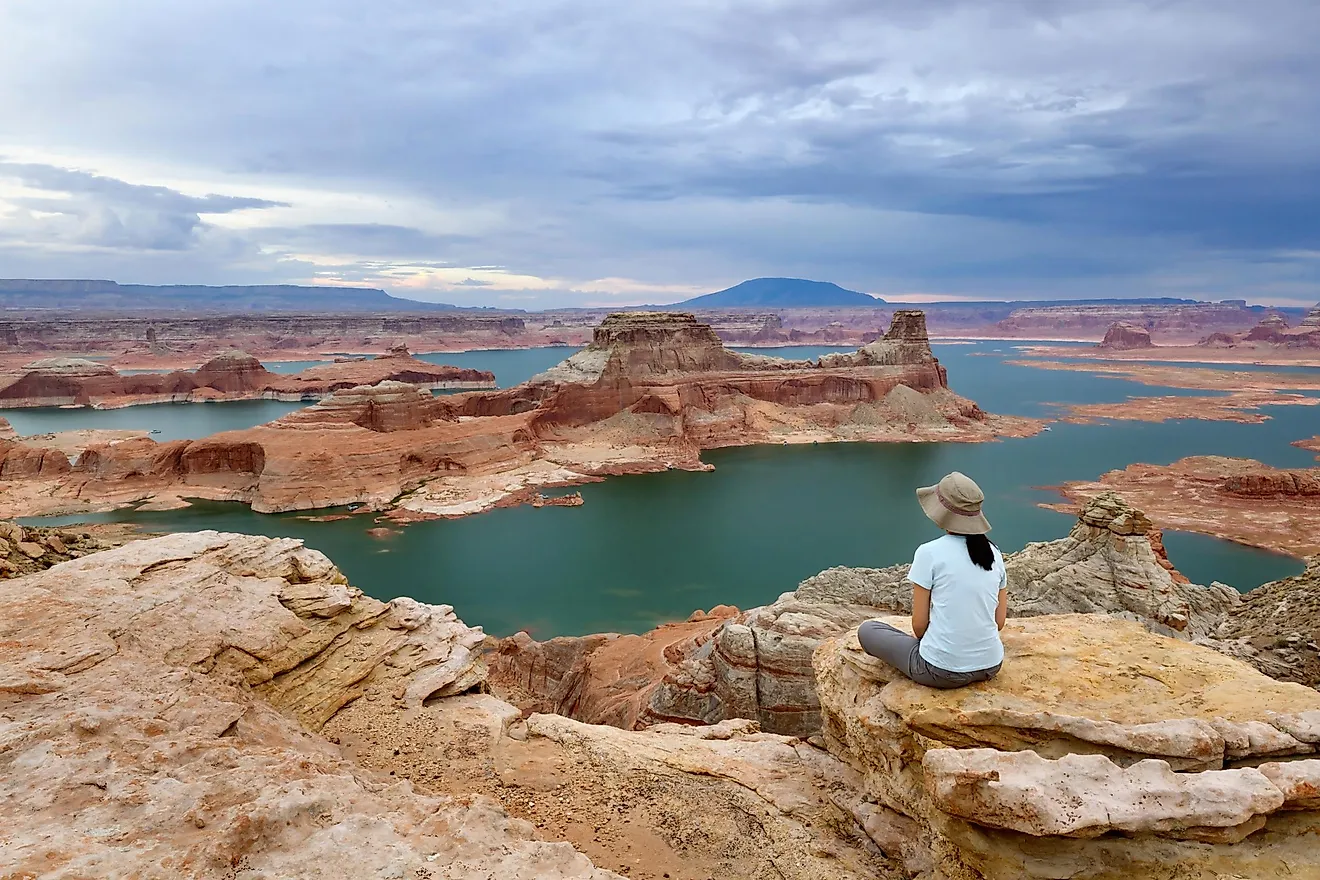
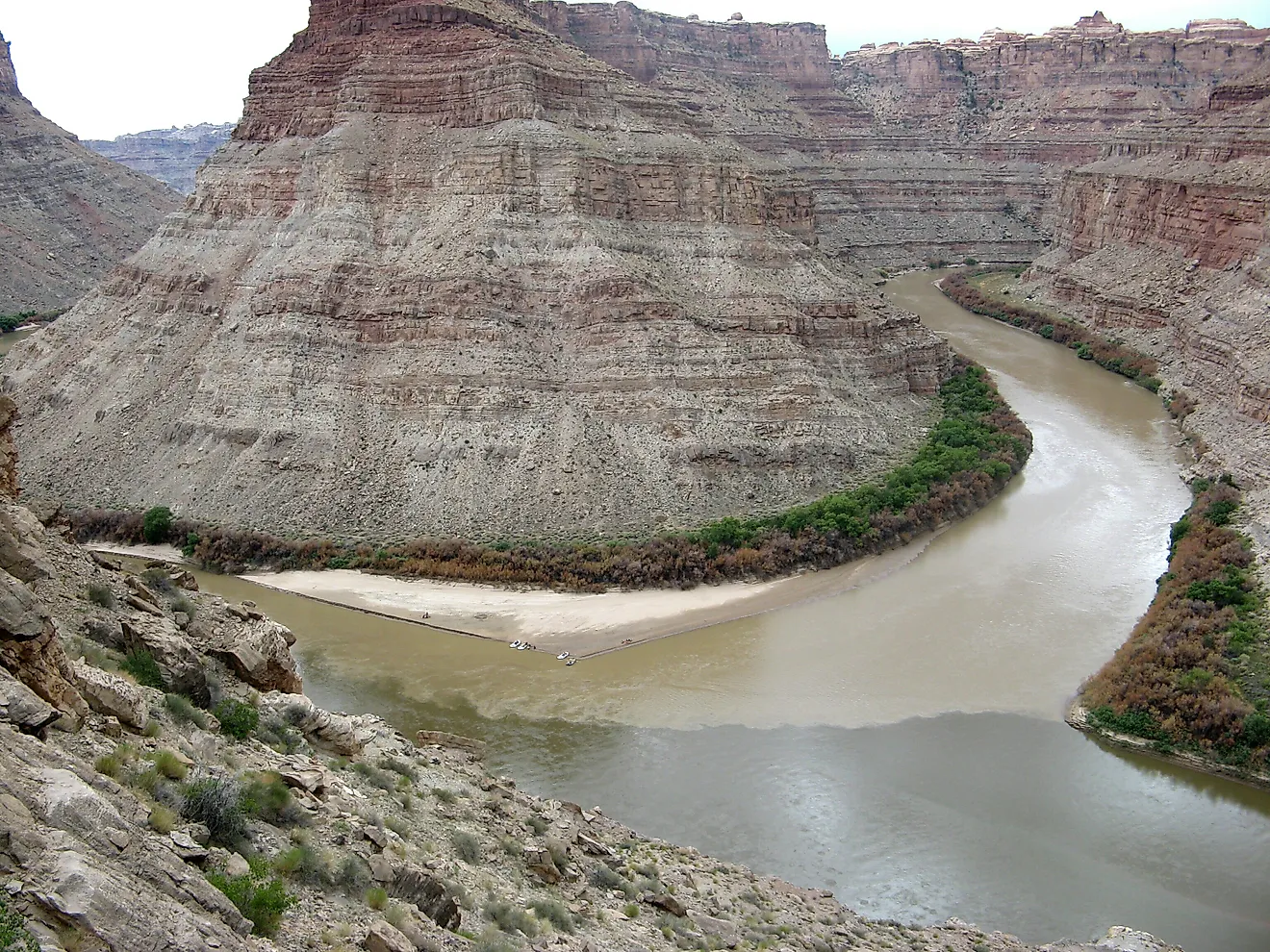
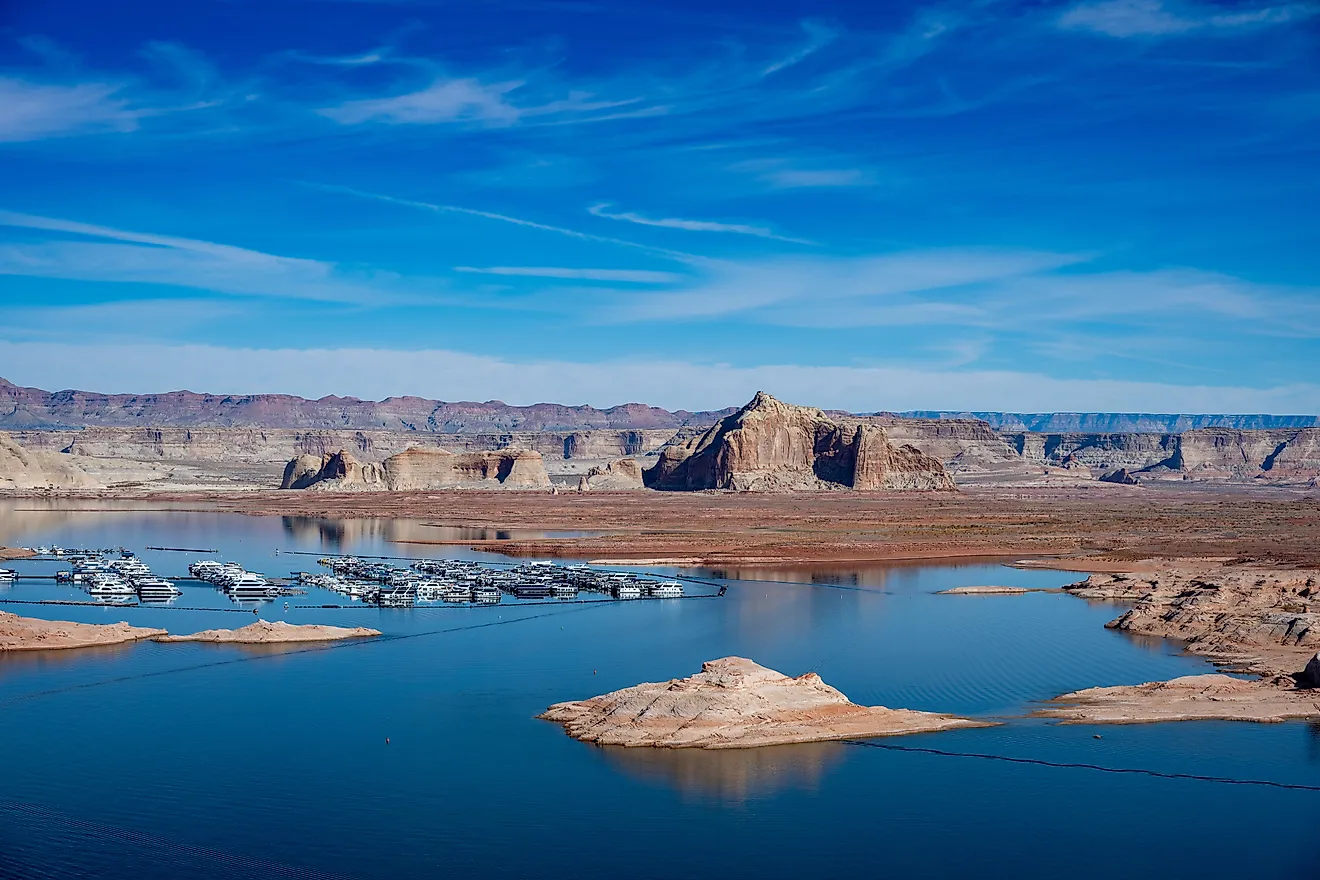
Colorado River in the Grand Canyon

The Grand Canyon rattlesnake, often described as pink, is found only in the Grand Canyon. It is one of 22 snake species among the park's 41 reptiles, and one of four rattlesnake species documented below the rim. Rattlesnakes occasionally turn up on the rim, but the Park Service observes them mainly within the canyon itself.
The Grand Canyon rattlesnake uses the riparian ground on the canyon floor and usually eats rodents and lizards. Two toad species are common on the canyon's beaches, according to a herp guide from Grand Canyon River Guides, and tadpoles and frogs live along creeks and pools in the side canyons. Rattlesnakes are ambush predators that wait motionless until prey comes close enough to strike, and the guide notes that they are often heard before they are seen.
The species change as the river drops west. Grand Canyon rattlesnakes are common in the upper reaches between Lees Ferry and Tuckup, according to the guide, and black-tailed rattlesnakes are relatively uncommon but may turn up from Tuckup westward. Speckled rattlesnakes are common in the lower canyon past river mile 160, and the Park Service reports them below the rim between the Havasu Canyon area and Pearce Ferry, where the Colorado leaves the Grand Canyon.
Bill Williams River

Farther down the Colorado, the Bill Williams River meets Lake Havasu, and Bill Williams River National Wildlife Refuge covers its delta and the nine miles of river closest to the Colorado. The refuge is reached from Highway 95 between Lake Havasu City and Parker, and it protects one of the last stands of naturally regenerated cottonwood-willow forest along the lower Colorado. The auto tour route on Planet Ranch Road offers a chance to see diamondback rattlesnakes, along with desert bighorn sheep and javelinas, and California kingsnakes appear on its summer reptile list.
Biologists rediscovered the northern Mexican gartersnake at Beal Lake, on Havasu National Wildlife Refuge along the Colorado, in 2015, after the largely aquatic snake had long been thought extirpated from the lower Colorado floodplain. On the Bill Williams, every fish in the river is non-native, including largemouth bass, bluegill, and channel catfish. Arizona Game and Fish reports that 17 individual gartersnakes had been detected on the river through 2018, one of three known populations in the Bill Williams drainage.
Verde River

In the Verde Valley, biologists set metal minnow traps around Tavasci Marsh, a 95-acre spring-fed wetland in Tuzigoot National Monument, in June and September 2016 and from July through September 2017. The 2016 traps caught seven northern Mexican gartersnakes, and two more were caught by hand. In 2017 the traps made 54 captures, and 32 individual snakes were caught that year, 14 of them newborns. The Verde River population, which includes the Tavasci snakes, is one of fewer than 10 likely viable populations of the species in the United States, and all but one of those are in Arizona.
Biologists pulled 20,526 mosquitofish, 977 American bullfrogs, and 237 green sunfish from the same traps in 2017, and every potential prey species caught except Woodhouse's toad is non-native. Bullfrogs and crayfish, also caught in the traps, are potential predators of the snakes. The only snake large enough to carry a radio transmitter that year was found dead on the eastern side of the marsh in October, with a large slash in its body from a predator.
The narrow-headed gartersnake, the fish-eating specialist of the two, lives in rocky, canyon-bound stretches of streams. Oak Creek, which joins the Verde near Cornville, has historically held the largest population of the species in the United States, and federal critical habitat designated in 2021 includes 27 miles of the Verde and parts of upper Oak Creek.
Salt River

East of the Verde, Roosevelt Dam backs the Salt River into Roosevelt Lake, and coachwhips are often seen on the low ground near the lake. Tonto National Monument sits on the slope above it, where 16 snake species have been recorded, four of them venomous. Arizona black rattlesnakes are rare there, but a 2003 to 2005 U.S. Geological Survey study found them using moist habitats and dense vegetation and frequenting washes that visitors use. The black-necked gartersnake is seldom seen far from the monument's few isolated springs and seeps, where it hunts treefrog tadpoles as they emerge in April and May. Blacktails turn up along the Upper Cliff Dwelling Trail, and diamondbacks, the snake seen most often at the monument, can appear in any month, though rattlesnakes there generally hibernate from late October through March.
San Pedro River

The black-necked gartersnake also has habitat on the upper San Pedro River in southeastern Arizona. A 2005 study of the basin's reptiles and amphibians named the rocky ground beside the river at Charleston, Fairbank, and The Narrows as places where it, the red-spotted toad, and the canyon treefrog could be found, and the same reaches have produced records of the Sonoran whipsnake. Downstream, the BLM has warned visitors to Aravaipa Canyon, where Aravaipa Creek runs to the San Pedro, that several species of rattlesnakes live there and that harmless gartersnakes can be seen as well.
Charleston and Fairbank lie inside the San Pedro Riparian National Conservation Area, where about 40 miles of the upper river wind through Cochise County and the Bureau of Land Management counts more than 40 species of amphibians and reptiles. The conservation area has trailheads at Fairbank, Charleston Road, Hereford Bridge, San Pedro House, and Murray Springs.
Santa Cruz River

Water returned to the Santa Cruz River in Tucson in 2019, when Tucson Water began releasing treated effluent into the Heritage Reach, a stretch where habitat had been lost as flows diminished and the city was built on the historic floodplain. Three toad species and one snake were observed there shortly after the rewatering. A survey of four Santa Cruz sites around Tucson from 2021 to 2022 found western diamondback rattlesnakes, California kingsnakes, and checkered gartersnakes only at sites where the river carried water. The dry riverbed held seven reptile and amphibian species, and two wet sites, one with 70 years of flow and one with three and a half, held 16 each.
Near the head of the river, in the San Rafael Valley of southeastern Arizona, the upper Santa Cruz holds a northern Mexican gartersnake population that federal biologists judged likely viable when the species was listed as threatened in 2014. Arizona Game and Fish followed those snakes by marking and recapturing them from 2008 to 2019.
The water that holds Arizona's two river gartersnakes now carries many non-native species. At Tavasci Marsh, every potential prey species trapped except Woodhouse's toad was non-native, and the bullfrogs among that prey are also potential predators of the snakes. Federal biologists rank bass among the non-native fish most harmful to gartersnake populations, and the 2014 listing describes minnow traps holding bullfrogs or mosquitofish that caught northern Mexican gartersnakes, while traps holding green sunfish or largemouth bass never caught one. Rattlesnakes along these rivers are generally harmless when left alone but will strike in self-defense, and the Park Service advises watching them from a distance. Banner's poison center sees its peak bite season from July through September. In Tucson's Heritage Reach, a previously dewatered stretch of the Santa Cruz, three toad species and a snake turned up shortly after the water came back.