The Most Snake Infested Lakes in Texas
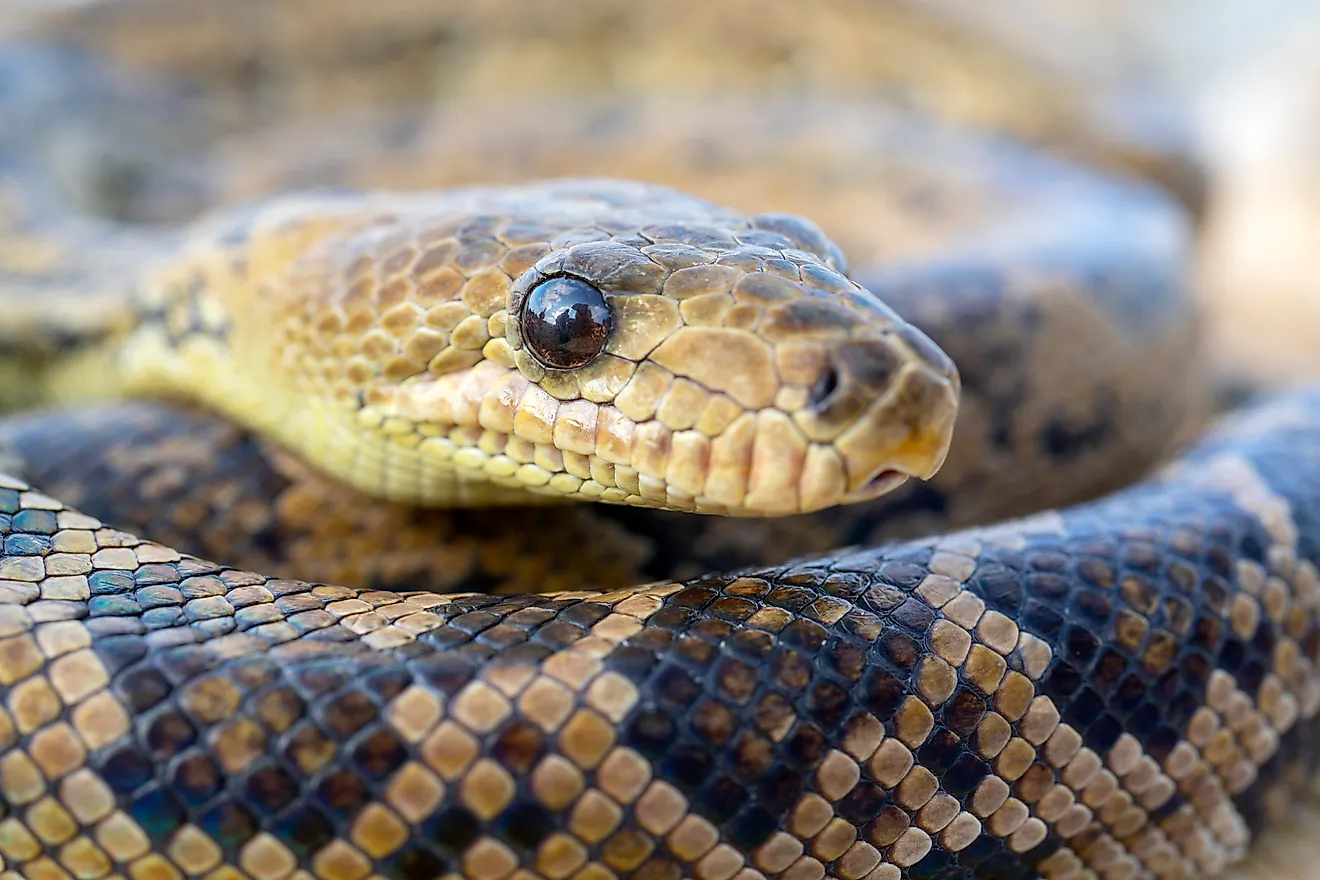
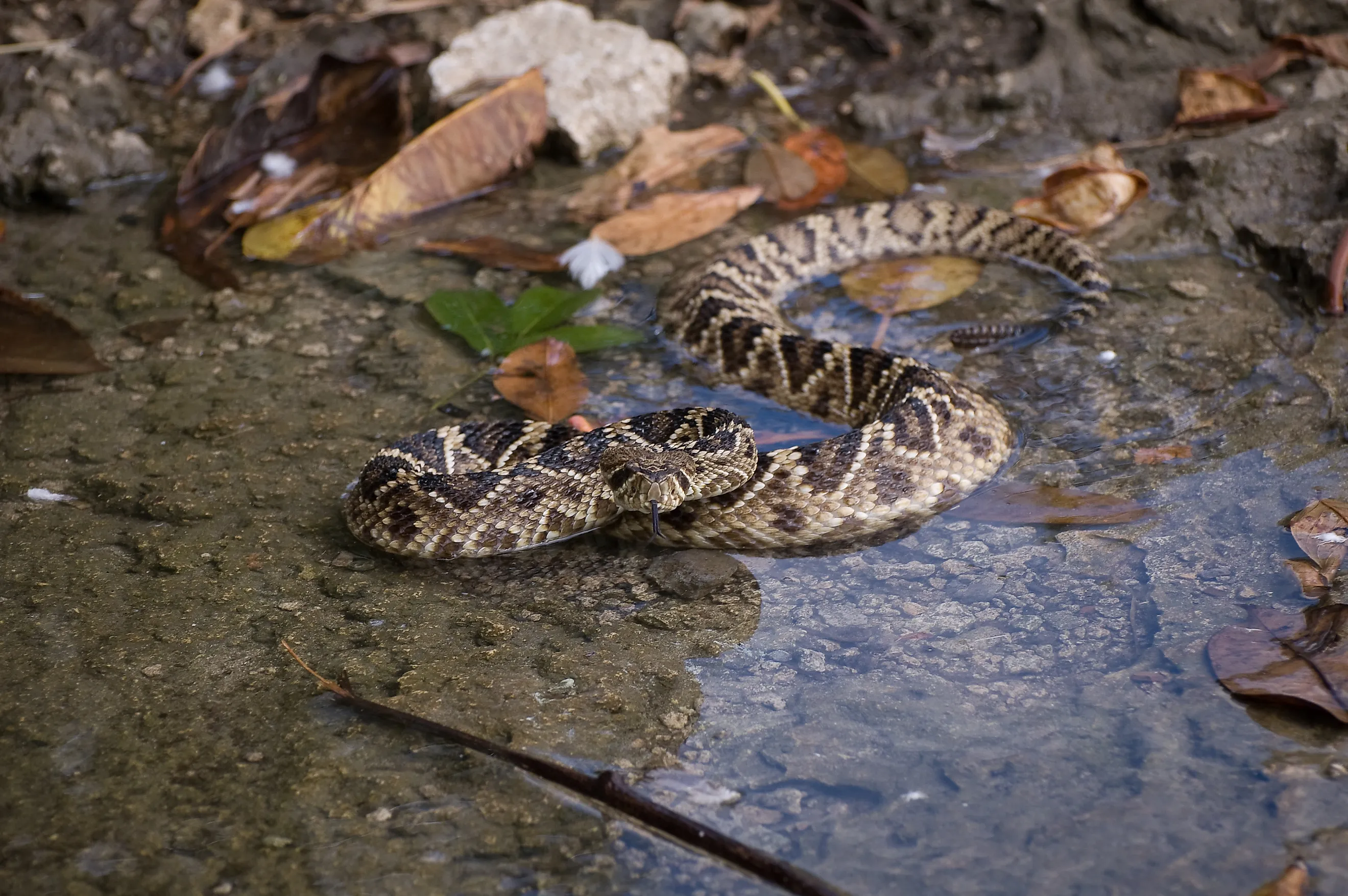
A Texas lake can look like a postcard, right up until the shoreline “twigs” decide to move. Snakes abound in Southern waters, and Texas gives them an all-inclusive resort: heat, cover, and a buffet of frogs, fish, and rodents.
Swampy wetlands create endless hiding places, sprawling reservoirs become floating highways, and busy recreation areas accidentally concentrate the moments humans and snakes cross paths. Add in the fact that Texas hosts more than 100 snake species and subspecies, and suddenly that “peaceful day on the water” has an extra character in the cast, usually unseen, occasionally unforgettable.
The lakes below are ecosystems where snakes like cottonmouths and copperheads thrive, swim, hunt, and sometimes startle the pants off people who thought the biggest surprise would be a sunburn.
Caddo Lake

Caddo Lake flows on the border between Texas and Louisiana and is also a 25,400-acre wetland. The lake got its name from the native Caddoans, who called the area surrounding the lake their home until the US expelled them in the 19th century. It is said that the 1811-12 New Madrid earthquakes led to the formation of Caddo Lake. However, geologists believe the Great Raft formed the lake.
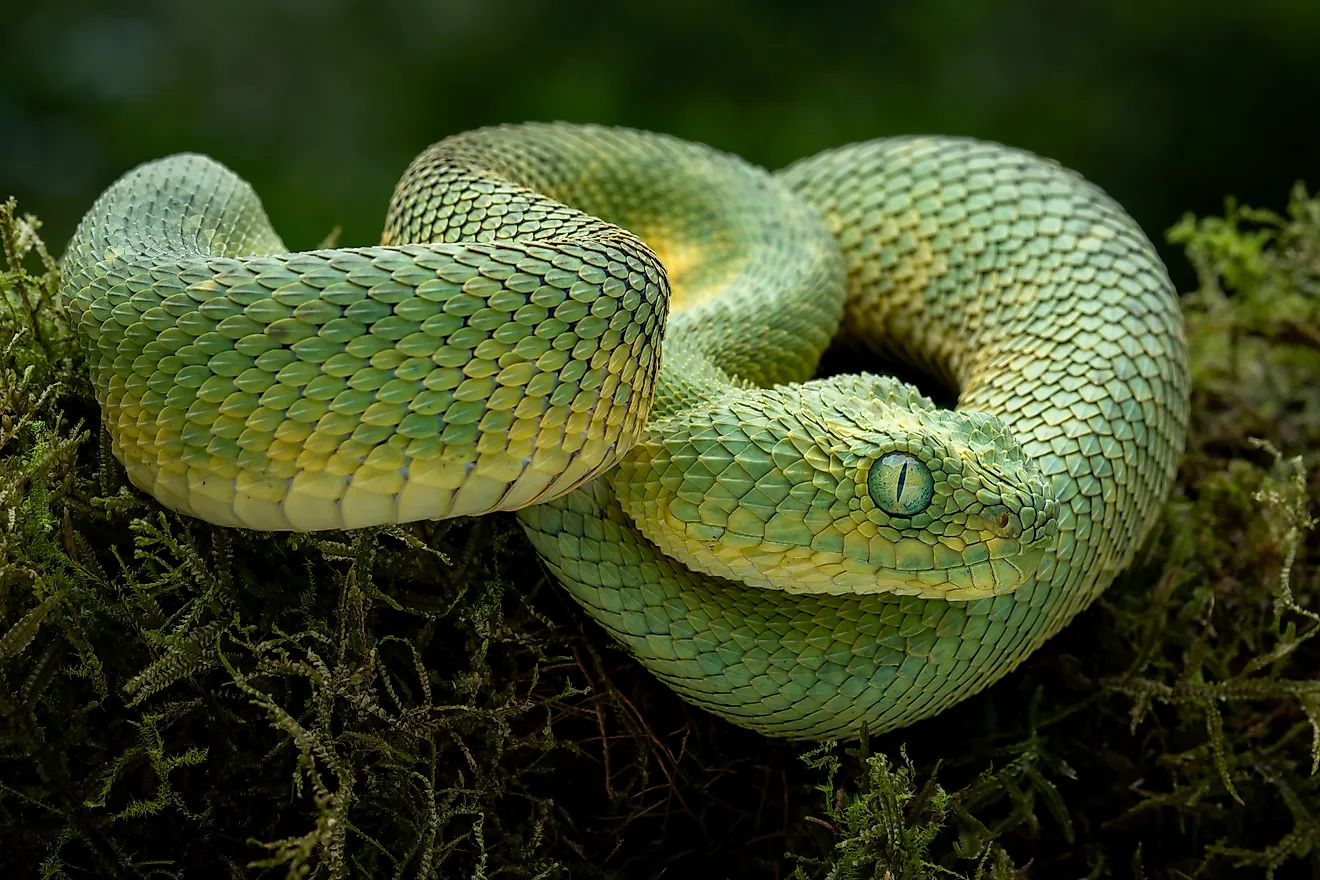
In addition to being under threat by Salvinia molesta or Great Salvinia, a weed that kills life just below the water surface, the waters are snake-infested. A study found that visitors may encounter any number of up to 32 snake species that inhabit the lake and surrounds. The most common species include the northern cottonmouth, western rat snake, and the North American racer. Other common snakes include crayfish snakes, timber rattlesnakes, and pygmy rattlesnakes.
Lewisville Lake

Lewisville Lake was built for flood overflow and is an essential Dallas water source. This reservoir is popular during summer and caters to the crowds with six marinas and three restaurants. People visiting the lake often encounter snakes, including yellow-bellied races, western coachwhips, and speckled kingsnakes.
The lake also provides a habitat for venomous snakes like the western cottonmouth and copperhead. These two species closely resemble each other and are responsible for the most snakebites in the US. Copperheads are particularly aggressive when surprised by visitors. Other snake species in Lewisville Lake include broad-banded watersnakes and diamondback water snakes.
Lake Texoma

Lake Texoma is one of the largest bodies of water in the US and was formed by Denison Dam on the Red River about 726 miles upstream. This is another hugely popular reservoir and attracts around 6 million visitors each year.
Along with alligators, which are common at Lake Texoma, visitors should stay alert for snakes. Copperheads and western diamondback racers are found everywhere. The rattlesnake, a feared presence, also appears at the lake. Other species include glossy snakes, Texas coral snakes, western ribbon snakes, pygmy rattlesnakes, and more. Besides the venomous copperhead, cottonmouths, western diamondback racers, and rattlesnakes are also toxic.
Toledo Bend Reservoir

Toledo Bend, another Texas reservoir known for its snakes, is situated on the Sabine River between Texas and Louisiana. It is the largest artificial water body in the South, making it a habitat where snakes can easily swim and float. The lake hosts at least seven different snake species, including prairie kingsnakes, Texas coral snakes, eastern cottonmouths, southern copperheads, and others. Some visitors have also reported encounters with canebrake rattlesnakes and western pygmy rattlesnakes.
The Toledo Bend Reservoir is also an 186,000-acre fishing haven with largemouth bass populations reaching their peak in the spring.
Lake Sweetwater

Lake Sweetwater covers 630 square acres and is 45 feet deep (at its deepest point). The surrounding recreation area offers an 18-hole golf course and other activities, which makes it a popular destination for people in Texas and the broader US. Those who want to fish or boat will find this serene lake the perfect place to do it.
Like most Texas lakes, snakes are common in this area and in the water. The World’s Largest Rattlesnake Roundup attracts approximately 25,000 visitors each March. It began in 1958 when local farmers and ranchers aimed to reduce the growing western diamondback rattlesnake population. Today, hunters compete to find the largest rattlesnake, which they then bring to the Nolan County Coliseum Complex.
Wrap-Up
Most lakes in Texas support a diverse snake population, with over 105 species and subspecies thriving in these large water bodies. These habitats host both venomous and non-venomous snakes, which, despite sounding intimidating, are important for Texas's biodiversity. It is essential to respect these animals and keep a safe distance when encountering them in the wild, as they play a vital role in maintaining the ecological balance of lakes.