8 Snake-Filled Waters In The Rockies
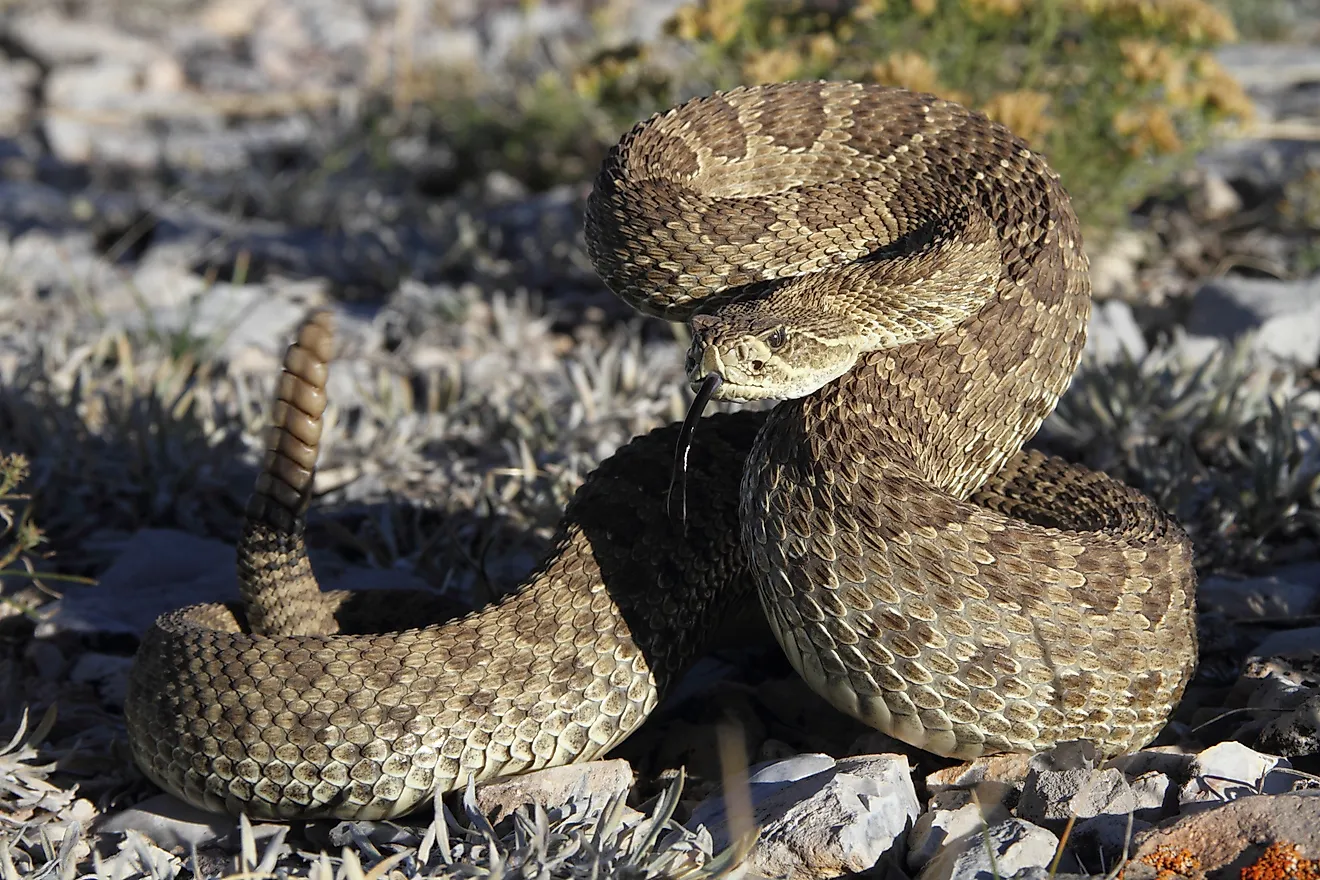
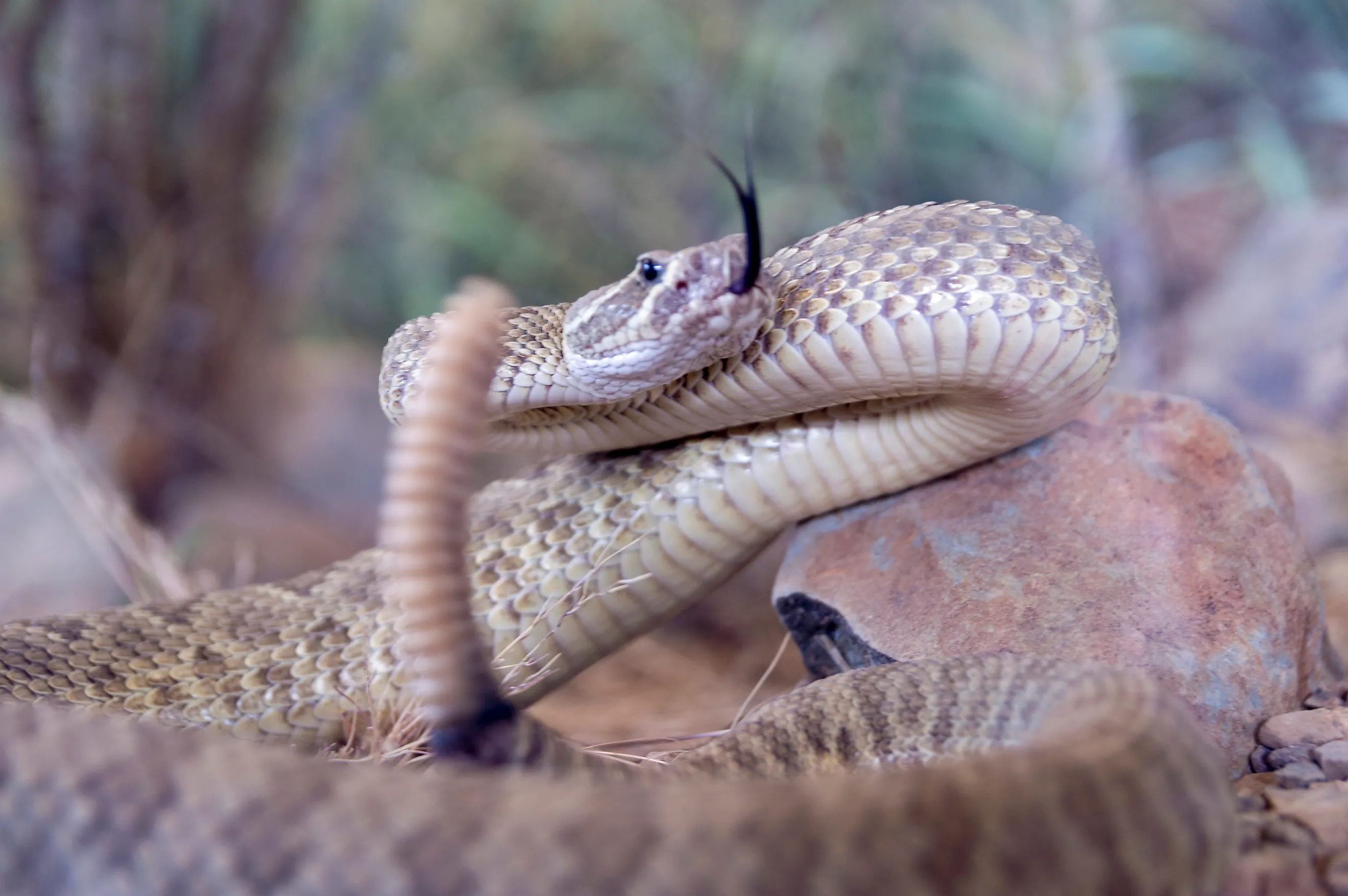
Despite colder weather at higher elevations, snakes have found a home in and around major bodies of water in the Rockies. Harmless garter snakes bask in the sun among vegetation on the banks of the Missouri River, while rattlesnakes swim across Bighorn Lake. Across the rivers and lakes featured below, at least 15 kinds of snakes appear, with most being harmless and nonvenomous. The main dangerous species are rattlesnakes, particularly the prairie rattlesnake and the western rattlesnake.
Missouri River

The Missouri River is formed by the confluence of the Jefferson, Madison, and Gallatin rivers in the Rocky Mountains of southwest Montana. The river flows generally north through western Montana before turning east across northern Montana. The Missouri River’s banks, wetlands, and associated habitats create an optimal habitat for snakes.
There are three species of garter snake found in the Missouri River of Montana: the Western terrestrial garter snake (Thamnophis elegans), the plains garter snake (Thamnophis radix), and the common garter snake (Thamnophis sirtalis). western terrestrial garter snakes are seldom found far from permanent bodies of water, opting to flee into the water if threatened. Plains garter Snakes often move through thick vegetation on the banks of the river, and are often observed basking on rocks or in the grass. Common garter Snakes, as their name suggests, are widespread across all of Montana, but have a preference for lower elevations and humid habitats on the edges of bodies of water, including the Missouri River.
Other nonvenomous snakes include the North American racer (Coluber constrictor) and the bull snake (Pituophis catenifer sayi). Although venomous snakes are not as common along the Missouri River, prairie rattlesnakes (Crotalus viridis) have been known to occupy riparian and wetland edges.
Salmon River

At 425 miles long, the Salmon River is the longest free-flowing river in the lower 48 states and one of the few in the United States that is undammed. The river originates in the Sawtooth and Lemhi valleys of central and eastern Idaho. It is fed by snowmelt from the Sawtooth and Salmon River Mountains. The river runs through extensive wilderness areas, creating ideal habitat for both nonvenomous and venomous snakes, especially in its canyons.
Garter snakes, gopher snakes (Pituophis catenifer), rubber boas (Charina bottae), and the North American racer (Coluber constrictor) are all nonvenomous species found in the river. Whereas the western rattlesnake (Crotalus oreganus) is the only venomous species found in the river corridor. While gopher snakes and the North American Racer are not restricted to only habitats close to water, garter snakes are usually found close to permanent bodies of water, and Rubber Boas require habitats near water with downed logs and leaf litter to seek refuge under.
Similarly, the western rattlesnake usually lives in drier, more arid habitats; it has a preference for rocky outcrops, usually found in canyons not unlike that of the Salmon River.
Rio Grande

The Rio Grande rises in the San Juan Mountains of southwest Colorado as a snow-fed mountain stream over 12,000 feet (3,700 meters) above sea level. The Rio Grande flows through Colorado and New Mexico and forms the border between Texas and Mexico before it empties into the Gulf of Mexico. The Middle Rio Grande is south of Santa Fe, which is as far as the Rockies extend.
The most common species of snakes observed in the riparian forests of the Middle Rio Grande were Common kingsnakes (Lampropeltis getula), gopher snakes, plains black-headed snakes (Tantilla nigriceps), and plains hognose snakes (Heterodon nasicus). Common kingsnakes, plains black-headed snakes, and plains hognose snakes frequently occupy riparian zones, with plains hognose snakes especially frequenting sandy and gravelly soils. Gopher snakes, on the other hand, are widespread, not specifically restricted to riparian areas.
Yellowstone River

The Yellowstone River flows for a total course of 692 miles (1,114 km) through northwestern Wyoming, southern and eastern Montana, and northwestern North Dakota. It originates from the slopes of Yount Peak in Wyoming’s Absaroka Range and quickly enters Yellowstone National Park.
The prairie rattlesnake lives in the Lower Yellowstone River area of the park. Although it is the only venomous species of snake in the park, it inhabits multiple areas, including Reese Creek, Stephens Creek, and Rattlesnake Butte. These areas are typically drier and warmer than other areas of the park, which prairie rattlesnakes favor.
Bighorn Lake

Bighorn Lake spans roughly 60 miles (96.56 kilometers) through northern Wyoming and southern Montana. The lake is part of the Bighorn Canyon National Recreation Area. There are multiple species of snakes in the National Recreation Area; however, the prairie rattlesnake is the most common. It is estimated that there is one snake per acre, which is a lot of rattlesnakes considering the Bighorn Canyon National Recreation Area comprises 120,000 acres.
Prairie rattlesnakes usually hunt during the night in the summer months, as the temperature is cooler. They have also been known to enter the water and have been observed swimming across Bighorn Lake, sometimes becoming prey to other animals. Young rattlesnakes have been recovered from the stomach of Rainbow Trout caught by fishermen.
Other snakes found in the National Recreation Area include the wandering garter snake (Thamnophis elegans vagrens), which is found primarily in riparian and moist habitats like ponds, lakes, and wet meadows.
Pueblo Reservoir

Pueblo Reservoir is located along the Arkansas River inside Lake Pueblo State Park in Colorado. It is between the southern Rocky Mountains to the west and the Great Plains to the east. There are many species of snakes in the park and especially around the reservoir, however, the Coachwhip (Coluber flagellum) is the most prevalent, with a significant population around Pueblo Reservoir. They usually reside around canyon slopes and rocky bluffs, which are present in the southern portion of the park. Additionally, they will also inhabit riparian woodlands, which occur along drainages and waterways within the park.
Prairie rattlesnakes have also been observed within the park, most likely inhabiting the pinyon-juniper woodlands along canyon rims. Other snakes found in the park are the plains garter snake, Western terrestrial garter snake, and the black-necked garter snake (Thamnophis cyrtopsis), all of which remain close to permanent bodies of water.
Boyd Lake

Boyd Lake is part of Boyd Lake State Park in northern Colorado. The lake is situated between the plains and the mountains at Longs Peak and the mountains of the Continental Divide. The most common species of snakes found around Boyd Lake are nonvenomous Common, Plains, and Western terrestrial garter snakes, as well as bull snakes. Boyd Lake has an abundance of prey items that garter snakes will consume, such as frogs, toads, fish, earthworms and rodents.
While bull snakes are larger, Boyd Lake still has ample prey items that they favor, which include rodents, small mammals, lizards, birds, and bird eggs. Bull snakes are known to mimic rattlesnakes to deter predators. Speaking of which, while they are not as common, prairie rattlesnakes have occasionally been observed around Boyd Lake.
Upper Waterton Lake

Upper Waterton Lake is part of Waterton Lakes National Park in southern Alberta. Waterton Lakes National Park is home to four different species of snake: bull snakes, wandering garter snakes, plains garter snakes, and red-sided garter snakes (Thamnophis sirtalis). The most common snake you are likely to see in or around Upper Waterton Lake is the wandering garter snake, which is found throughout the park but is more than likely to be observed near wetlands, ponds, and lakes, especially if there are rock piles nearby for them to hide and hibernate in.
The red-sided garter snake is less commonly seen, although it is still partial to being spotted near wetlands. They may also be seen close to roads, as the dark surface retains heat, which they will use to regulate their body temperature during spring and summer.
Seasonal Snakes in the Rockies
Despite common fears around snakes, they are an important part of the ecosystem in the waters of the Rocky Mountains in both the United States and Canada. Whether you are at Upper Waterton Lake or hiking alongside the Yellowstone River, snakes are a constant. The good news is that most of the snakes you encounter along the waterways in the Rockies are harmless and nonvenomous, and, due to cold weather, are only active in the summer months, often hibernating communally in dens or underground below the frost line in the winter.
Even if you do encounter a venomous snake on the rocky slopes of a river, it is going to be a rattlesnake and will sound the rattle on its tail to make you aware of its presence, ensuring a safe interaction for both human and snake.