The 5 Most Dangerous Bodies Of Water In Washington
While undeniably beautiful, bodies of water are naturally hazardous if not treated with care and respect. Washington is a state celebrated for its scenery, which is in no small part due to its coastal setting. Whether you find yourself along the Pacific Ocean, by one of the major rivers, or by inland lakes, Washington’s bodies of water rival even the area's forests in their majesty. With that natural wonder come risks, though, and if one is prudent and takes precautions, the water in and around Washington is a great source of activities. Nevertheless, Washington has some of the deadliest natural water bodies in the United States, with a drowning rate 27% above the national average. Some of the main challenges include cold-water shock, strong currents, log jams, and high levels of bacteria and toxic algal blooms.
Lake Washington

Located between Seattle and Bellevue, Lake Washington is a 22-mile-long freshwater lake. It is the state’s second-largest natural lake and the hub for many recreational activities, from boating and fishing to luxury waterfront developments along its shores. However, it can also be highly polluted in certain areas, though cleanup efforts over the past 25 years have improved water quality.
The major hazard for the lake is the cold temperatures. The water can be as low as 48°F, and swimming at that temperature can lead to muscle seizure and shock. This elevated the drowning risks, particularly far from the shore. There is also evidence of mercury contamination, and although it does not pose immediate risks to swimmers, it does affect the lake's aquatic life, especially fish. There are frequent consumption advisories, particularly for yellow perch and cutthroat trout.
Eagle Falls (Skykomish River)

Eagle Fall is a popular and scenic 25-foot cascading waterfall. It is on the South Fork Skykomish River near Baring and Index. The falls are part of a steep gorge, and the water levels are unpredictable. There are signs posted about the hazards of swimming in the river below the falls. There are strong currents, and the water can be cold enough to cause hypothermia to set in quickly. The conditions of the water currents shift constantly, and as such, it can be very dangerous. The river remains popular in the summer, but swimmers are advised to take precautions, as currents can easily sweep them away. In recent years, there have been over 10 drowning deaths at this location.
Lake Crescent

This glacier-carved lake in Olympic National Park is over 623 feet deep at its deepest point. The water tends to be very cold, even in the summer, causing instant cold-water shock, hypothermia, and loss of motor control. The winds on the lake can be strong and unpredictable, and although Lake Crescent is popular with kayaking, even experienced boaters can find their kayak flipped over by a sudden gust of strong wind.
The lake is also hazardous due to steep drop-offs close to shore. Even those familiar with the shoreline can find themselves in trouble with the sudden loss of ground under their feet. Because of a history of drownings on the lake, it is mandatory for all boaters and paddlers to wear life jackets, and highly recommended to use personal flotation devices (PFDs) at all times while swimming. The lake is also prone to sudden weather changes, with afternoon storms and rapid weather shifts being common.
Cape Disappointment State Park

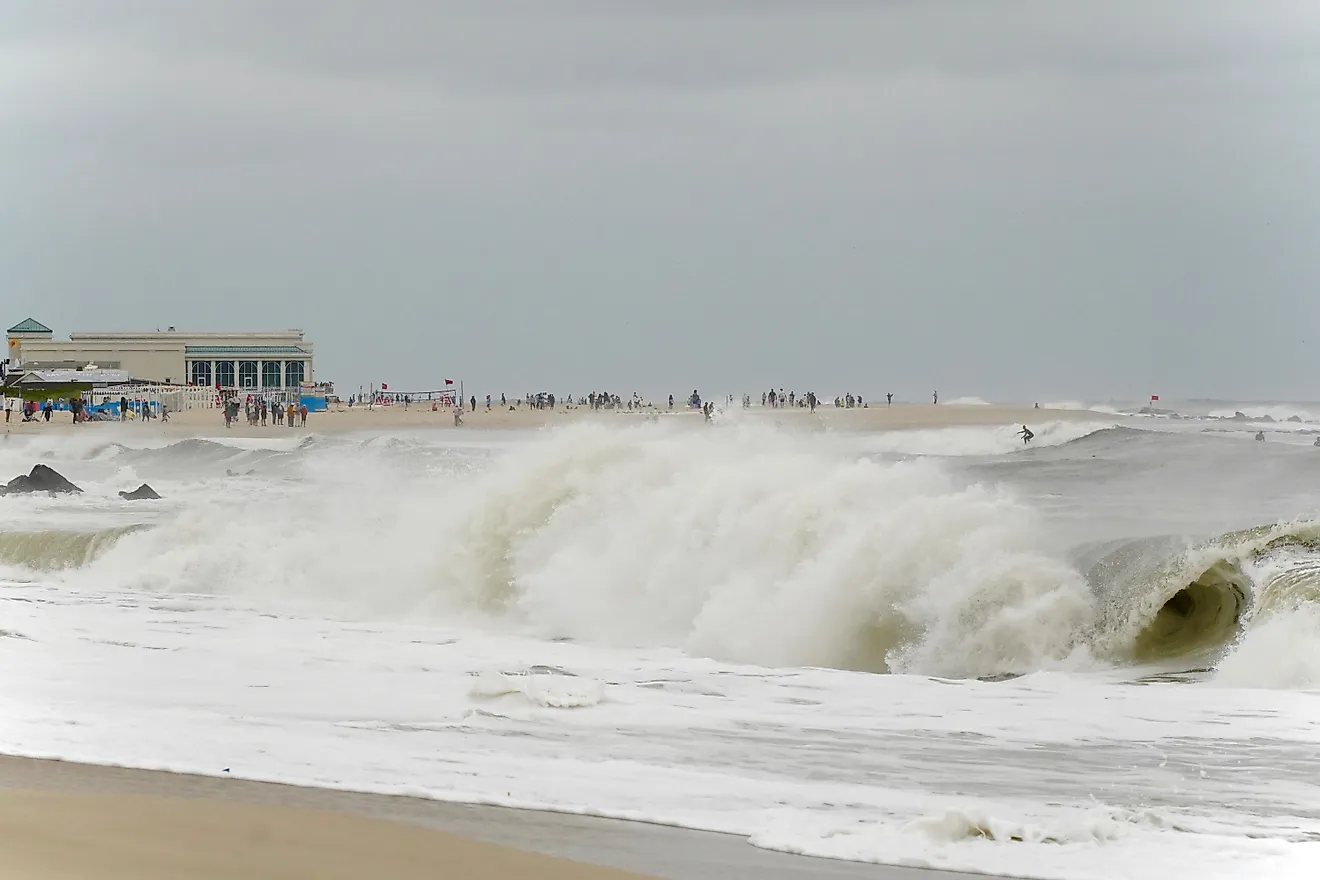
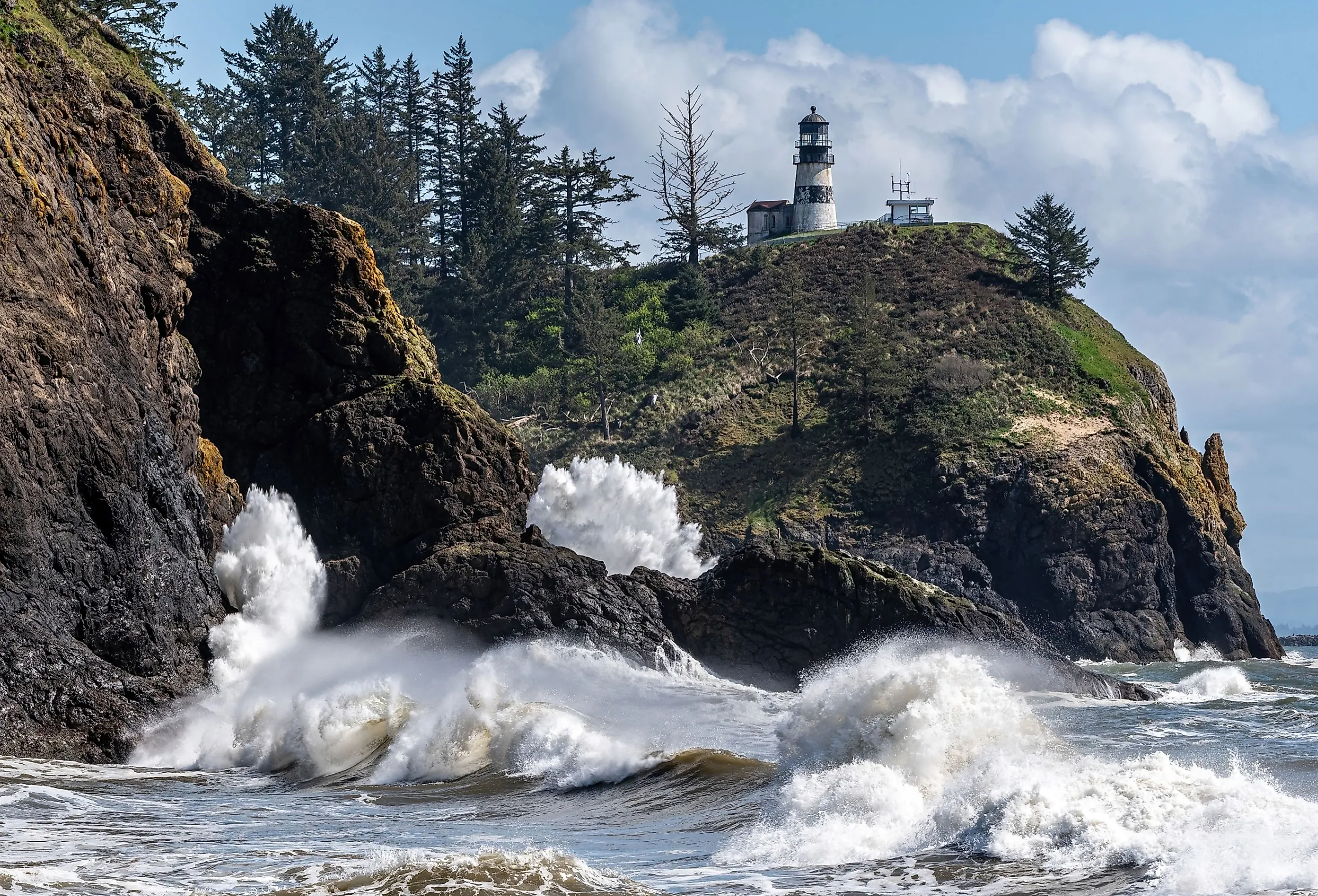
This state park is located along the coast at the mouth of the Columbia River. The conditions of the ocean are at all times unpredictable, and this location is known as the Graveyard of the Pacific because the treacherous waters at the confluence of the Columbia River with the ocean have caused thousands of shipwrecks over the centuries. With high cliff edges, intense fog occurring over 100 times a year, and strong rip currents and powerful sneaker waves, walking on land near the water is dangerous.
The violent breaking waves near the North Jetty and beaches such as Waikiki Beach require visitors to practice extreme caution. People have been swept off rocks and cliffs by sudden waves hitting the shore. Drift logs are extremely dangerous, and visitors are told to steer clear. The terrain along the coast is rugged, and even well-travelled trails can be muddy and steep. The area is also known for its black bear sightings, with visitors advised not to feed or approach bears.
Puget Sound (Budd Inlet)

Budd Inlet in South Puget Sound poses environmental and health risks due to algal blooms and industrial contamination, which in turn cause low oxygen levels in the water, making it unsafe for marine life. Considered safe for boating, swimmers are told to be cautious, and orders are frequently issued not to consume fish in historically contaminated areas, such as near the Port of Olympia. The water contains high levels of toxins such as arsenic, heavy metals, and PCBs.
Other hazards for swimming and boating include submerged debris and sunken vessels throughout the area, and at times in shallow waters. In summer months, the area’s waters are also known for jellyfish smacks, groups of hundreds or thousands of stinging jellyfish that actually thrive in low-oxygen water. Although jellyfish found in northern Pacific waters are less deadly than tropical species such as the box jellyfish, large smacks of jellyfish can still be hazardous, and severe cases can lead to shock, breathing difficulties, or allergic reactions.
Planning And Taking Precautions
With the right planning and safety measures, water-based activities in Washington can be safe. Common sense and understanding of the risks of the location you are venturing to will go a long way toward protecting you and your family from avoidable tragedies. Washington’s natural beauty is there for everyone and should be enjoyed and experienced, as long as you respect the forces of nature that are part of the everyday life of these natural water bodies.