The Lakes Making The Most Progress Against Toxic Algae
Toxic algae, also known as harmful algal blooms (HABs), are various algal species that rapidly accumulate in lakes, producing dangerous toxins. These blooms thrive in nutrient-rich water, producing cyanotoxins that can cause skin irritations, illness, or even death in humans and animals. Dogs, in particular, are susceptible to fatal poisoning from drinking or swimming in affected water.
Focusing on North American lakes, these bodies of water have historically been among the most endangered due to toxic algae. However, these lakes have shown the most progress in eradicating the toxic algae blight, due to the combined efforts of governmental, scientific, non-profit, and volunteer organizations. In some cases, the process is only beginning, and depending on the severity of toxins, it may take years to recover. There are, however, some cases where the toxic algae levels have been drastically reduced.
What Causes Algae Blooms?

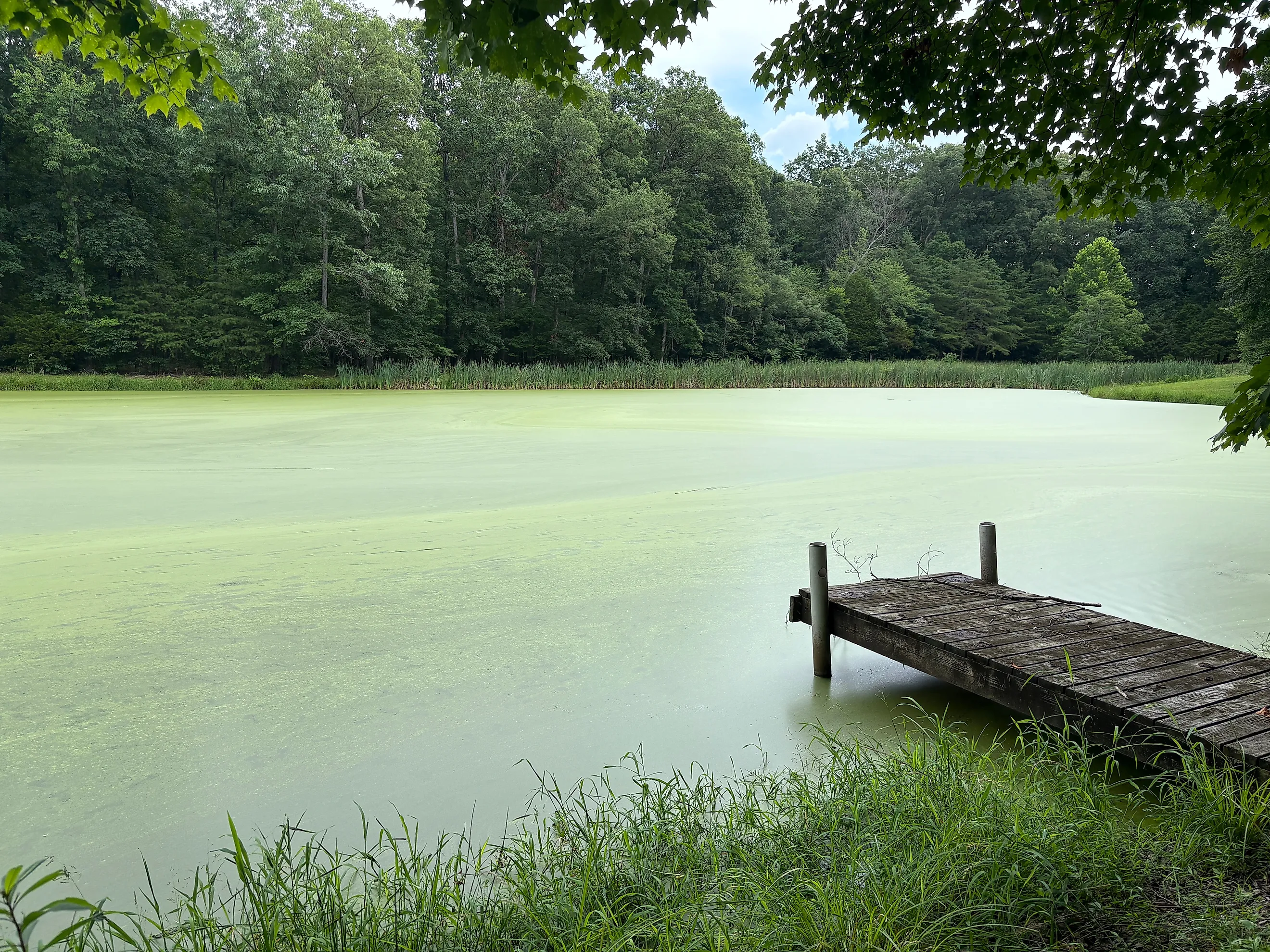
Algae blooms are caused by high nutrient levels of phosphorus and nitrogen, in warmer water temperatures, and low water flow. Even lakes in northern climates are susceptible in the summer months. The algae appear as green or turquoise scum, or mats of flora with yellow or brown streaks, and they can produce a strong, musty odor. However, it is often difficult to determine whether algae is toxic solely by looking at it. Some green algae are harmless, but toxic blooms are often thicker and more paint-like in appearance compared to the common filamentous algae.
Once the bloom has been established, it is very difficult to eliminate. There are treatments to kill toxic blooms, but the process requires careful implementation; improper treatment can cause algae cells to break open, releasing more toxins into the water. If the nutrients that support the toxic algae—phosphorus and nitrogen—remain in the water, the algae can quickly re-establish itself. Standard water treatment systems, including home filters and boiling water, do not remove the toxins. Filtering or boiling may even increase the toxicity levels.
Muskegon Lake (Michigan)

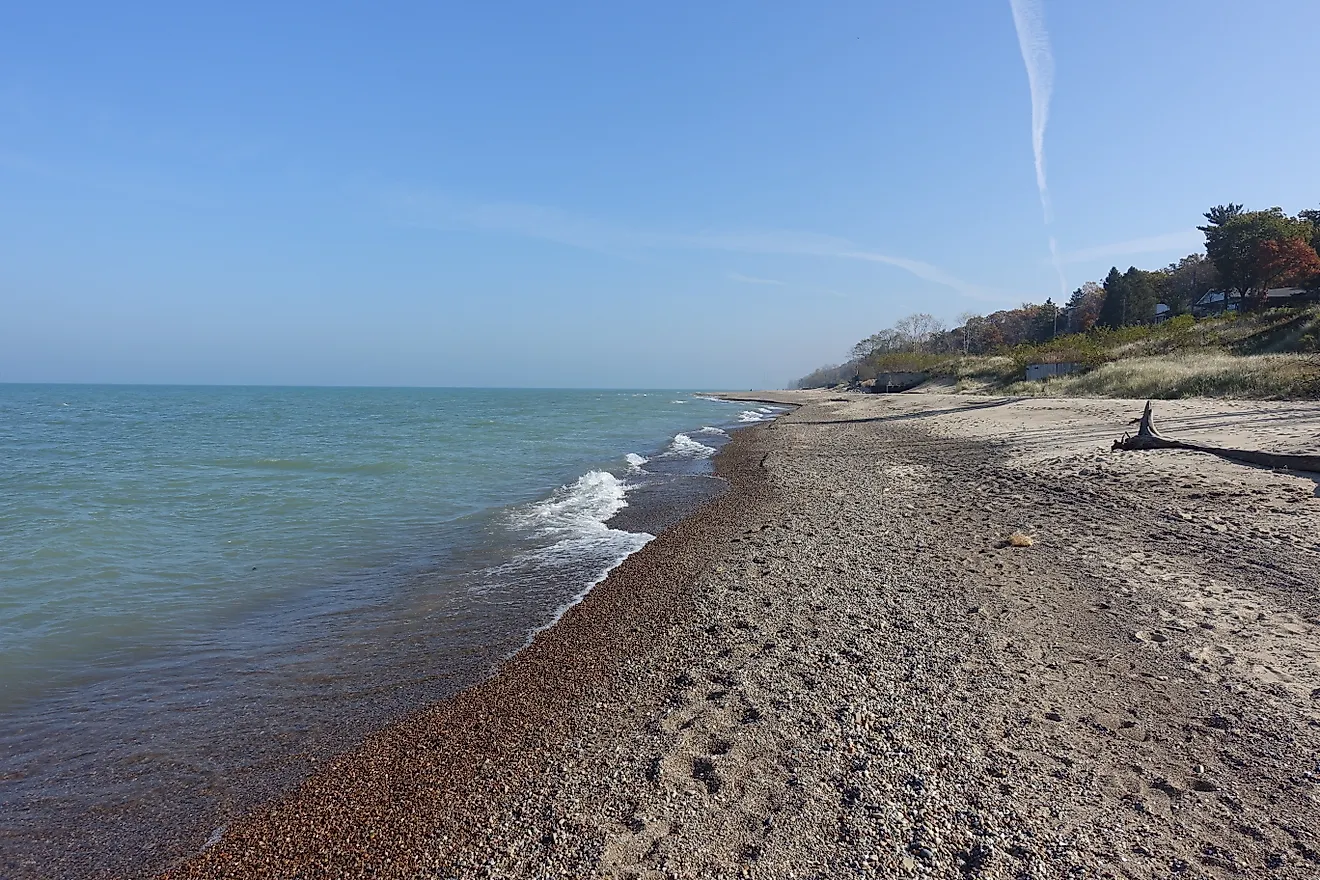
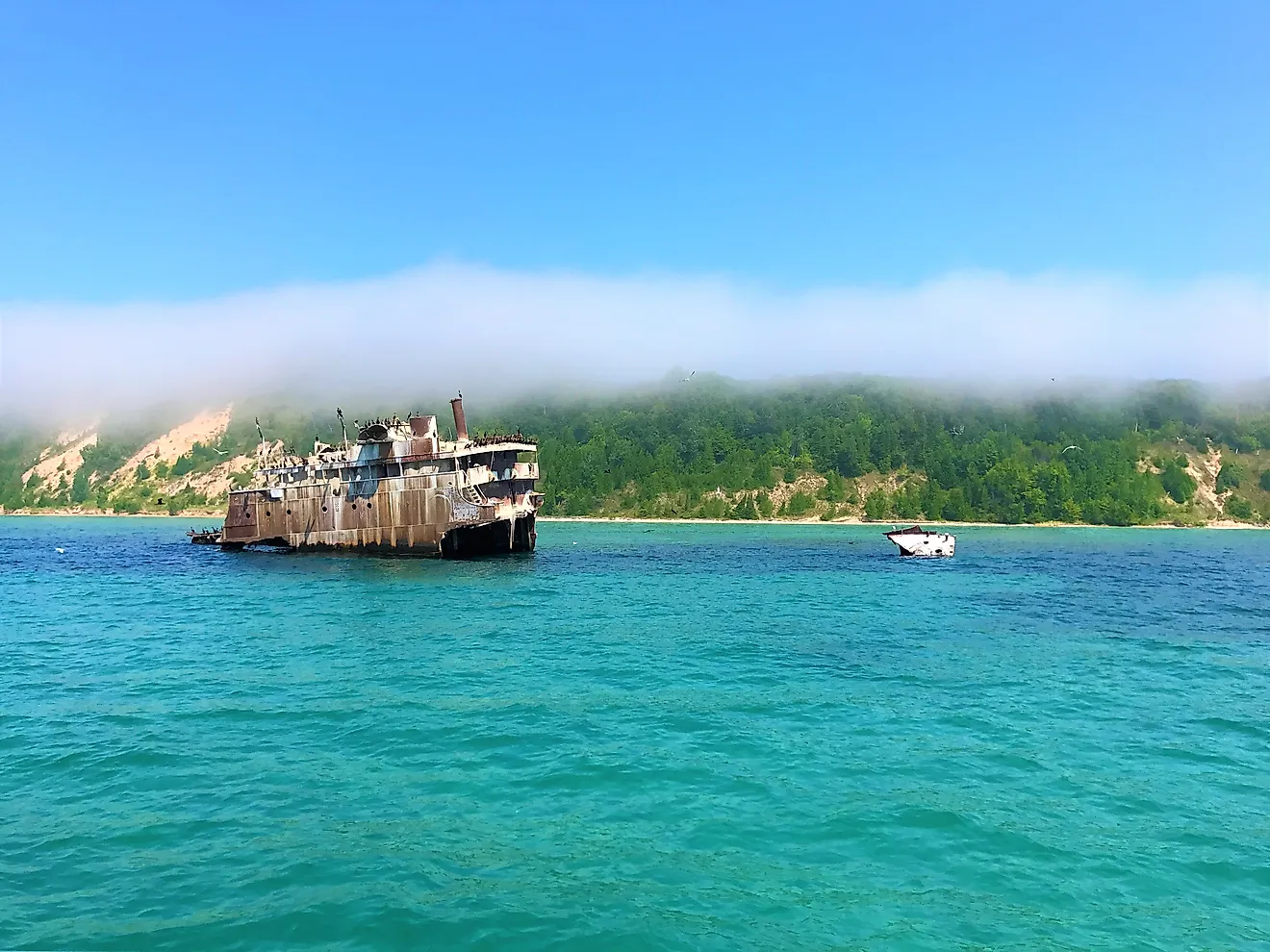
Michigan’s Muskegon Lake is a success story, but, like all lakes in recovery, much work remains in the fight against toxic algae. Before recovery efforts began, Muskegon Lake was severely polluted and designated in 1985 as an industrial Area of Concern. Toxic waste from foundries, paper mills, and chemical companies over the decades destroyed shorelines and impacted marine life. Over 125 acres of sediment on the lake bottom were contaminated with hazardous substances, including chemical residues, sawdust, and bark. It took an $84 million cleanup effort to remove decades' worth of industrial debris.
Like many lakes, Muskegon Lake has problems with toxic algae, with spikes exceeding safety levels. These spikes are driven by nutrient pollution and climate-related factors. Water quality monitoring is ongoing to manage phosphorus reduction. Efforts to combat toxic algae growth include restoring wetlands and working with farmers to reduce phosphorus fertilizer use. Long-term initiatives and local investments have transformed the contaminated industrial sites into natural ecosystems.
Lake of the Woods (Manitoba, Ontario, and Minnesota)

This lake, shared between Canada and the United States, has been affected by phosphorus in sediments and by climate change, leading to increased toxic algal blooms. The Canadian government has invested in projects to monitor and reduce nutrient inputs along the lake's Canadian shorelines. Nutrient management strategies have been implemented through organizations in both Canada and the United States. This includes satellite monitoring of the lake. As a result, phosphorus loading has decreased over the past decades. Although toxic algae are still present in the lake, studies have shown that the legacy phosphorus, built up over the decades on the lake floor, has been declining.
Utah Lake (Utah)

Conditions of Utah Lake have improved thanks to $7.7M in federal grants. With a focus on water quality and algal blooms, state officials have reported significant reductions in algal blooms since 2019. Restoration efforts, such as nutrient reduction, native plant restoration, and the removal of invasive species such as carp, have improved water quality and reduced sediment and phosphorus build-up.
The Utah Department of Environmental Quality has implemented live feeds to monitor conditions, while the Utah Lake Authority and local health departments have implemented education programs through signage at lake access points. The lake continues to experience seasonal toxic blooms, usually in late summer. The restoration projects are helping to improve the water quality.
Green Bay Watershed And Lake Michigan (Wisconsin)

Wisconsin is investing millions into restoring wetlands. Recognizing that nutrient runoff is a primary driver of algae outbreaks, improvements in land management practices are being implemented. This, in turn, helps reduce runoff into Lake Michigan itself. Nutrient runoff from both agricultural and urban sources is addressed through Remedial Action Plans (RAPs) and partnerships with organizations such as the Alliance for the Great Lakes. Efforts include implementing low-till farming, planting cover crops, and managing non-point source pollution, widespread water contamination not originating from a single source, through enhancing coastal wetlands.
Lake Winnipeg (Manitoba)

This large lake in Manitoba, Canada, is experiencing severe, recurring toxic algal blooms due to agricultural runoff, sewage, and flooding. The crisis is recognized by the provincial and federal governments, but the progress is slow. Initiatives include upgrading sewage treatment infrastructure to curb nutrient loads, reducing agricultural runoff, and strengthening watershed management.
In addition to agricultural runoff, urban sewage, and water flow increases from flooding, the major cause of toxic algae in Lake Winnipeg is the city of Winnipeg’s North End Water Pollution Control Centre. This water treatment facility is a major source of phosphorus pollution. Upgrades have begun in phases. Organizations like the International Institute for Sustainable Development (IISD) are identifying effective solutions, while agricultural management is encouraging farmers to adopt best practices, including restoring wetlands for nutrient absorption. The severity of toxic blooms has continued to rise, indicating that much work remains to be done to improve the lake's conditions.
Lake Erie (Ontario, Ohio, Michigan, New York, and Pennsylvania)

The recent history of Lake Erie has been marked by environmental disasters and recovery. As the shallowest of the Great Lakes and taking in the water from Lakes Superior, Huron, and Michigan, Lake Erie has struggled with pollution for many decades, mostly from agricultural runoff and industrial pollution from Cleveland, Ohio. In recent decades, Lake Erie has had serious problems with toxic algae.
Soil erosion and phosphorus runoff from millions of acres of farmland that drain into the lake, along with the lake's shallow waters and summer warmth, have made Lake Erie a perfect breeding ground for toxic algae. However, collaborative efforts between Canada and the United States have shown progress. Canada’s Lake Erie Agriculture Demonstrating Sustainability (LEADS) program has funded over 1,160 projects to reduce agricultural runoff. Likewise, Ohio’s H2Ohio program has focused on working with farmers to reduce runoff into the lake. The success has been modest, falling short of the 40% reduction target for nutrients. The main issue is high phosphorus runoff from the Maumee River watershed.
Data from 2025 show slow but steady declines in nutrient runoff from the Maumee River. Climate change has complicated the situation, with warmer water temperatures fostering larger blooms. The Canada-Ontario Lake Erie Action Plan was launched in 2016, with over 120 actions taken by various sectors to reduce phosphorus runoff. The long-term goal remains a 40% reduction, with over 50% of the agricultural land in both Canada and the US needing to implement conservation practices. Scientists and activists, however, maintain that more aggressive action is needed.
An Ongoing Threat

Toxic algae is one of the most critical environmental concerns affecting lakes in North America. In light of concerns about the health and well-being of freshwater over the past few decades, activists, scientists, concerned citizens, and government bodies have established a system to directly address environmental issues. Rather than ignoring the problems, we can now face the issues and work to save freshwater lakes and watersheds. Toxic algae is an ongoing concern, but there has been progress, and awareness of the issue goes a long way to encouraging the fight for freshwater lakes.