The 5 Most Dangerous Bodies Of Water In Wyoming
From toxic algae blooms to fatal temperatures, Wyoming’s waters hide a lot of hazards. Though Wyoming is a beautiful state with some of the country’s greatest natural treasures within its borders, such as Yellowstone National Park, the Wind River range, and the Teton Mountains, there are some details of these areas that every visitor should be aware of. Amid these wilderness areas, you’ll find lots of opportunities to have fun on the water, from riding river rapids to lounging at the lake. Just be careful. The usual common sense precautions apply, like checking the weather forecast and water conditions before you go, paying attention to any current advisories, and wearing and bringing the appropriate safety gear.
Read on to learn which bodies of water to be particularly careful around, and educate yourself on the hazards so you can stay safe and enjoy the Wyoming wilderness.
Lonesome Lake

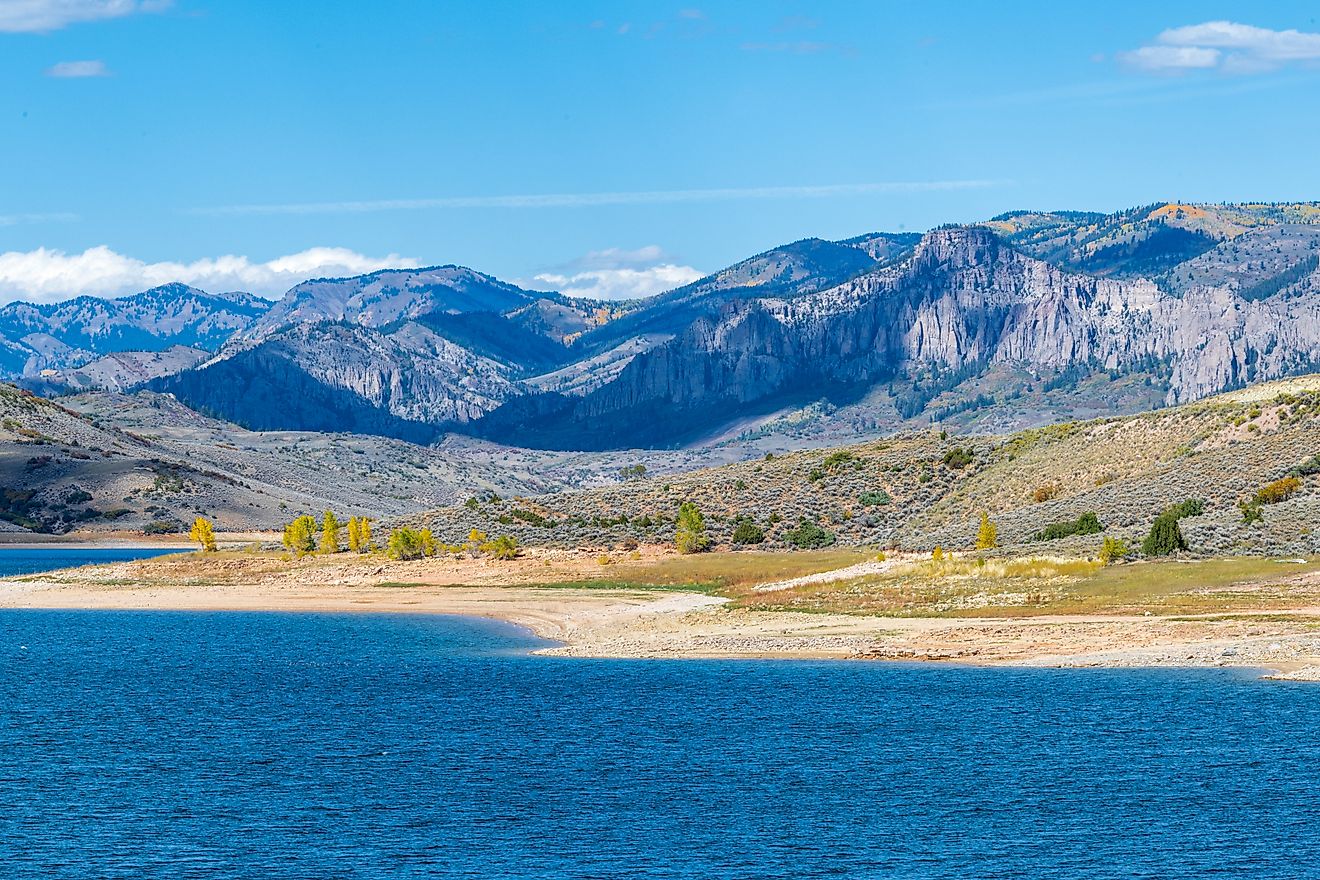
Lonesome Lake, in Wyoming’s beautiful Wind River backcountry, recently made headlines for all the wrong reasons. Set amid breathtaking mountain scenery, this alpine body of water contains staggeringly high levels of human faeces. According to a 2022 EPA study, the waters of Lonesome Lake were the most contaminated of all the lakes they surveyed, recording fecal bacteria in amounts 384 times higher than the safe limit.
The poop pollution is likely caused by backpackers who trek and camp through the Wind River range, one of Wyoming’s most popular wilderness areas. The thin soil in the alpine environment offers no filtration so when spring thaw comes, the waste is washed down the slopes and into the lake.
The Wyoming Department of Environmental Quality followed up on the EPA study, conducting their own survey which found low levels of E. coli in samples taken in 2025. While this is reassuring, you may still want to think twice about drinking the water (even if it's filtered), swimming, or bathing in Lonesome Lake.
Yellowstone Hot Springs

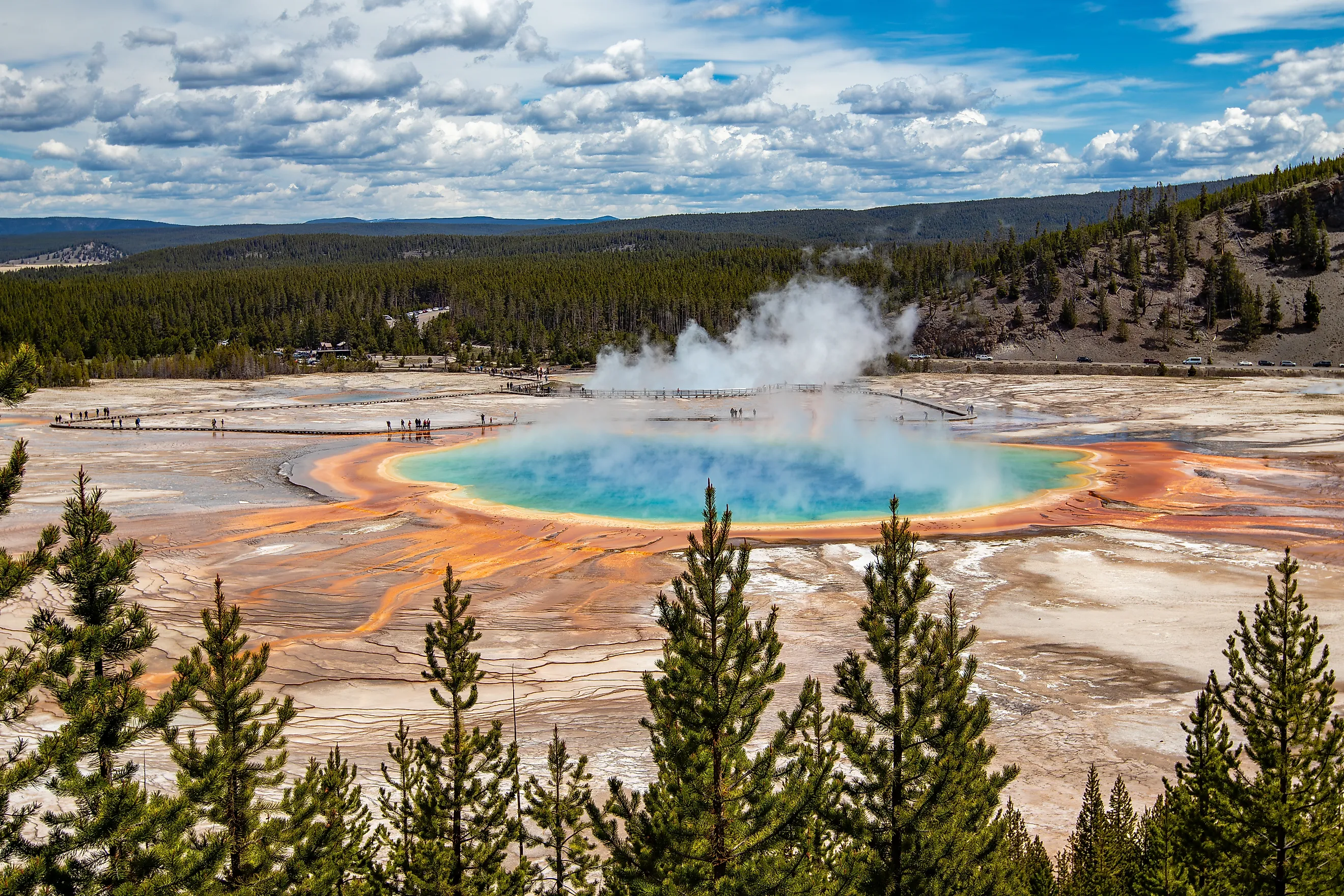
One of the most visited wilderness areas in the country, Yellowstone National Park welcomes around 5 million visitors a year. While most know of the dangers posed by the park’s wildlife, the Yellowstone hot springs are less well-known as a threat, but these bubbling geysers have claimed over 20 lives and injured hundreds since the park began keeping records in 1872.
Yellowstone’s thermal features aren’t just hot, they are near or above boiling point, which is 199°F at Yellowstone’s elevation. In 2016, Oregon student Colin Scott strayed from the path while visiting the Norris Geyser Basin, Yellowstone’s hottest geothermal basin, and fell in. Rescuers quickly determined that the scale of the thermal burns had killed him, but were unable to recover the body due to an incoming storm. At the time of Scott’s death, the water in the Norris Geyser was reportedly up to 212°F.
Little Soda Lake

If you see a blue-green scum on the surface of a lake, it’s probably a Harmful Cyanobacteria Bloom (HCB). These occur when bacteria overgrow and build up on the water surface, causing blooms that resemble grass clippings, spilled paint, or greenish foam. Every year, the Wyoming Department of Health monitors the state’s bodies of water and issues HCB alerts when blooms pose a health risk. One of the worst offenders is Little Soda Lake, which was the first to receive an HCB advisory last year during the spring thaw and was also on the watchlist the previous year. The lake also turned a startling crimson in 2024 due to elevated levels of nontoxic algae.
HCBS are dangerous for both humans and pets. You can be exposed to bacteria through contact with the water, ingestion, or breathing in water spray. Symptoms of HCB exposure include rashes, itching, numbness, fatigue, disorientation, abdominal pain, vomiting, and diarrhea. It can even kill wildlife, livestock, pets, and fish.
Bighorn Lake

If you visit Bighorn Lake in spring or summer, be careful where you step. Located in Bighorn Canyon National Recreation Area, the lake and the surrounding shoreline are known as one of Wyoming’s top rattlesnake hotspots.
The area is home to the Prairie Rattlesnake, a venomous pit viper that can grow up to 5 feet long. When disturbed, the snake will shake the rattle at the base of its tail as a warning sign to back off. If it feels threatened enough to strike, the rattler will bite with its curved fangs, which typically deliver up to 50% of its stored venom. A rattlesnake’s venom is a powerful hemotoxin that can cause pain, swelling, and damage to tissues and the circulatory system.
Prairie rattlesnakes have been observed swimming on Bighorn Lake, but don’t let the snakes stop you from enjoying the lake and canyon. Rattlers are typically not aggressive and will move away if given the chance. Watch where you put your hands and feet, as they may be sunning on a log or tucked into a crevice. Be especially careful in April and May, when they emerge from hibernation. If you hear a rattle, try to locate the snake and slowly move away. If you are bitten, alert a park ranger if possible and seek medical attention right away.
Snake River

It’s not snakes you have to worry about at Snake River; it’s fast-moving, rushing river rapids that can overwhelm even the most experienced swimmers and boaters. The river, which flows through Grand Teton National Park, contains a number of hazards, including strong currents, slippery rocks, and uneven riverbeds.
In the spring, the river’s volume increases due to run-off, sweeping along dangerous debris such as heavy logs. Last year, a family had to be rescued from the river after their float became stuck on the rootball of a downed tree. River users should also be aware that the Snake River is cold, even during summer. Water temperatures frequently drop below 59.9°F, which is cold enough to cause hypothermia. Conditions on the river can change fast, so don’t be fooled by the calm waters. Always check the forecast before planning a trip, and be advised that the National Park Service does not recommend swimming in the Snake River.
Wyoming Water Safety
Any time you’re on the water, you should exercise caution. Wyoming’s waterways are hazardous year-round, from unstable ice in the winter to strong currents during the spring melt. Whether you’re planning a dip in an alpine lake, a whitewater rafting trip through the Tetons, or a family float, pay attention to local alerts and regulations. Every watercraft in Wyoming must have lifejackets onboard, including paddleboards, and life jackets must be worn at all times when riding a personal watercraft or being towed. Kids 12 years of age and under must wear a life jacket while the watercraft is underway.