5 Snake-Filled Waters In New Zealand
New Zealand is widely known for its rare and peculiar wildlife. The islands developed over time without native land mammals, except for bats. This absence of natural predators allowed many bird species to evolve without the need to fly. As a result, New Zealand has a fragile ecosystem found nowhere else on Earth. This is one reason the country enforces such strict biosecurity measures today. Among the most recognizable symbols of this unique environment is the kiwi, a small flightless bird so closely tied to the nation's identity that New Zealanders themselves are proudly known as Kiwis.
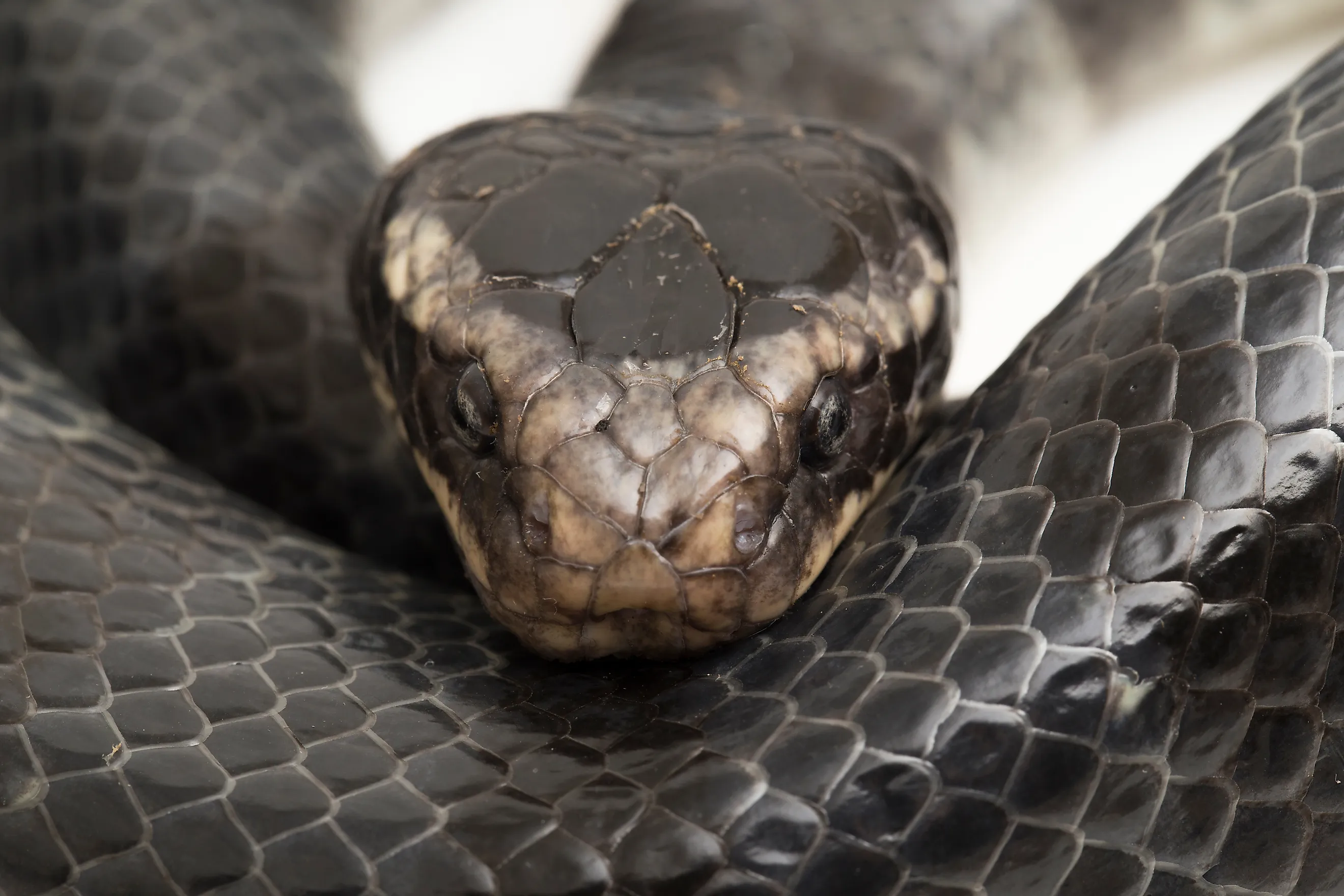
Snakes are rarely found slithering on land, due to strict biosecurity measures and the island's long history of isolation. The country's only native land reptiles are a long list of exotic lizards and geckos. Collecting these legally protected species from the wild requires authorization from the Department of Conservation. Even with strict protections, sea snakes and kraits, a highly venomous species of snake from the Indian subcontinent, sometimes reach New Zealand's waters via ocean currents or storms. Along the warmer northern coasts, from Northland to the Bay of Plenty, rare sea snake encounters have surprised swimmers, fishermen, and marine researchers. Notably, these five locations account for New Zealand's most likely snake sightings.
Ninety Mile Beach

Known to the Māori as the 'tail of the fish,' the far northern tip of New Zealand narrows to a slender strip of land only a few miles wide. The water surrounding Ninety Mile Beach is warmer than normal coastal waters, making the Northland a likely place to encounter a sea snake. Each year, about 12 yellow-bellied sea snakes wash ashore, mainly along the northeast coast. Northland's warm waters at the country's northern edge make it the most common landing point for these lost ocean travelers in New Zealand. Ninety Mile Beach is mostly used as a highway. This stretch of beach is only accessible by 4WD vehicles and is navigable only at low tide. Most rental companies prohibit driving their cars on sand, primarily for safety reasons. Stretching from Ahipara to Scott Point, this beach is the one of the longest in New Zealand. For a hassle-free travel experience, a coach tour is the simplest way to navigate this beach highway.
Bay of Islands

The coastal communities of the Bay of Islands sit among ancient forests of giant kauri trees. Across the clear waters lie 144 islands, forming a sheltered maritime environment that attracts a diverse array of marine life. In the area's quiet coves and secluded bays, visitors can regularly spot seals, dolphins, and whales.
Sea snake sightings in the bay have increased as storms become more frequent. These tropical reptiles ride currents from warmer waters, but rarely survive more than a few days in the region's cooler climate. While not aggressive, sea snakes are extremely venomous, so anyone who encounters one should keep a safe distance and report any sightings to the authorities.

Each town along the bay has a distinct character. At Matauri Bay, a memorial to the Rainbow Warrior bombing marks where the ship was later scuttled as a dive site after being bombed and sunk in Auckland Harbour in 1985. Paihia is the main location for water-based activities, with boat tours to Cape Brett and the famous Hole in the Rock, a natural archway on Piercy Island. The village of Russell, once a whaling port, now features waterfront restaurants and subtropical surroundings. Deep-sea fishing for marlin, tuna, and shark is a key attraction in several of the Bay of Islands.
East Cape / Gisborne Coast

The East Cape and Gisborne Coast lie along the eastern edge of the North Island and are among New Zealand's most remote regions. The coastline is on the Pacific Ocean, where warm currents occasionally carry drifting marine wildlife well beyond their usual habitats. Strong Pacific currents can transport tropical species southward, occasionally bringing sea snakes far outside their normal range. Sightings are extremely rare, so such encounters remain extraordinary rather than routine for wildlife watchers and swimmers.

Gisborne is the country's easternmost city and one of the first places in the world to see the sunrise each day. Its sunny climate and fertile plains support the production of subtropical fruits and some of New Zealand's most respected chardonnay wines. Farther north, the small Māori community of Te Araroa is the birthplace of influential Māori leader Āpirana Ngata. The community is home to Te Waha o Rerekohu, one of the country's oldest pōhutukawa trees, estimated at around 600 years old.
Bay of Plenty

The Bay of Plenty is recognized for its fertile farmland and inviting coastline. It is famous for its kiwifruit orchards in Te Puke, known as the kiwifruit capital of the world. Beaches between Tauranga and Papamoa, where warm currents create swimmable waters, sometimes attract rare tropical marine life such as sea snakes. These rare appearances, along with the region's volcanic activity, highlight the unpredictable natural systems shaping this ecosystem. TripAdvisor named Main Beach at Mount Maunganui the top beach in New Zealand and one of the world's finest. Offshore, the active volcano Whakaari/White Island, with its geothermal activity, influences local water temperatures through shallow magmatic and hydrothermal activity.
Hauraki Gulf

Lonely Planet named Auckland's harbor and the Hauraki Gulf the single best experience in New Zealand. One look at its sparkling blue waters, dotted with emerald islands, shows why. The Gulf includes over 50 islands and six marine reserves. The Hauraki Gulf Marine Park is the country's largest marine protected area.
The islands range dramatically in character. Waiheke is known as the "island of wine" for its award-winning wineries and beautiful vineyard tours. Aotea (Great Barrier Island) draws stargazers to one of the world's few certified Dark Sky Sanctuaries. Guided night tours there reveal the brilliance of the southern sky, unmarred by light pollution. Other islands serve as wildlife sanctuaries. These are accessible only with a landing permit. Little Barrier Island/Hauturu, the Mokohinau Islands, and the Alderman Islands are among them.

In 2022, a yellow-lipped sea krait washed ashore at Takapuna Beach. Warm currents in the Gulf may have brought this usually tropical species to New Zealand. Unlike sea snakes, sea kraits are semi-aquatic and return to land to digest food and lay eggs. This instinct may explain why the reptile was discovered on shore. The krait was rehabilitated by researchers and now lives at Auckland Zoo, where visitors can safely view it.
New Zealand's strict wildlife protections keep the islands mostly free of land snakes. Global climate change and more frequent storms are shifting the balance of this fragile ecosystem, resulting in more frequent sightings of sea snakes along these coasts. Carried south on currents, these tropical visitors do not survive long in New Zealand's cooler temperatures, but these five bodies of water remain the most likely places to encounter them.