How Many Invasive Species Are In The Great Lakes?
The vast Great Lakes are home to a remarkable amount of wildlife, and not all of it belongs there. More than 180 non-native species have made their way into the Great Lakes, mostly because of human activity, and roughly a third of them, around 64 species, are now classified as invasive. These newcomers steal resources from native species, threaten public health, and reshape habitats to suit themselves, putting both the biodiversity of the lakes and the people who depend on them at risk.
The Great Lakes at a Glance

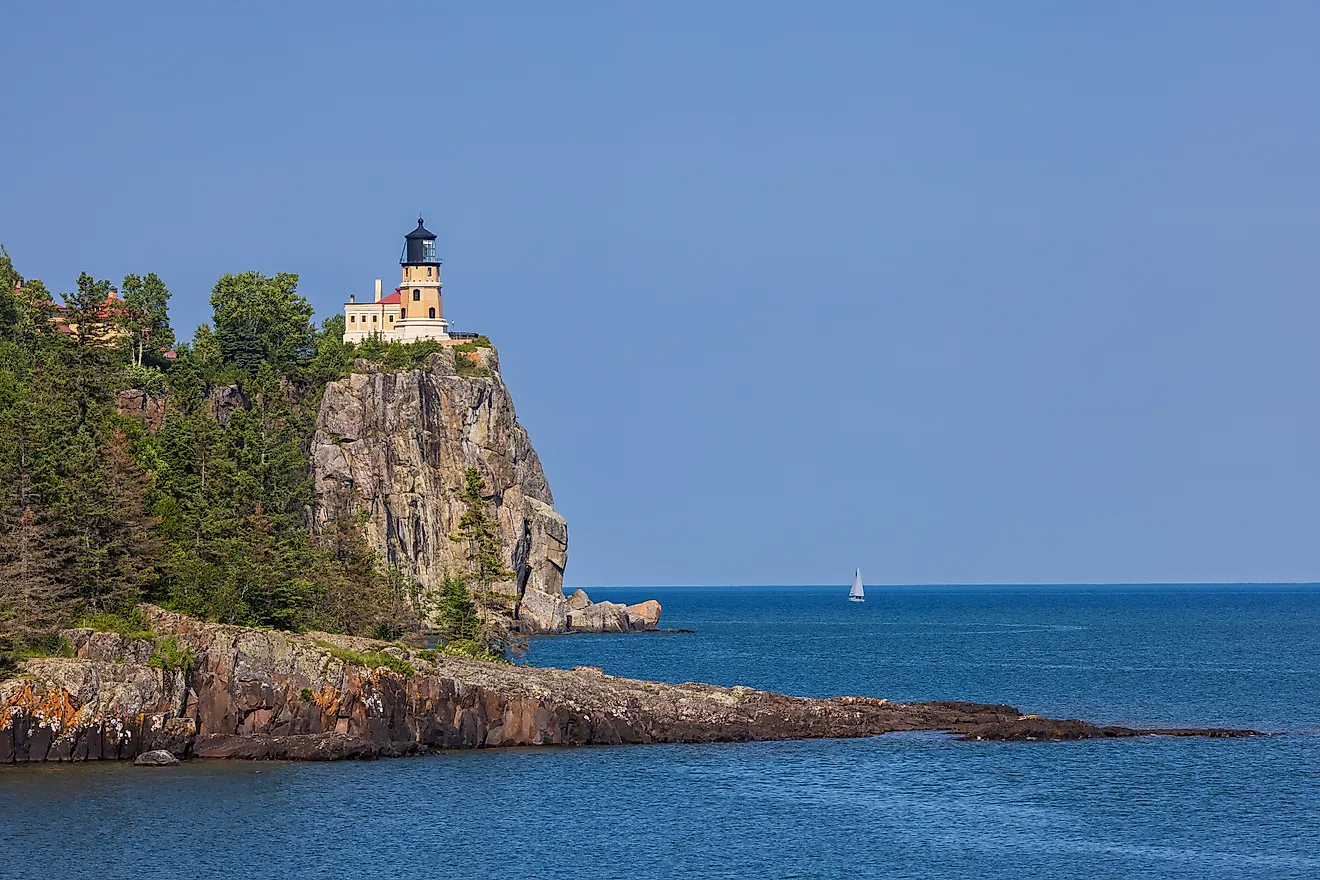
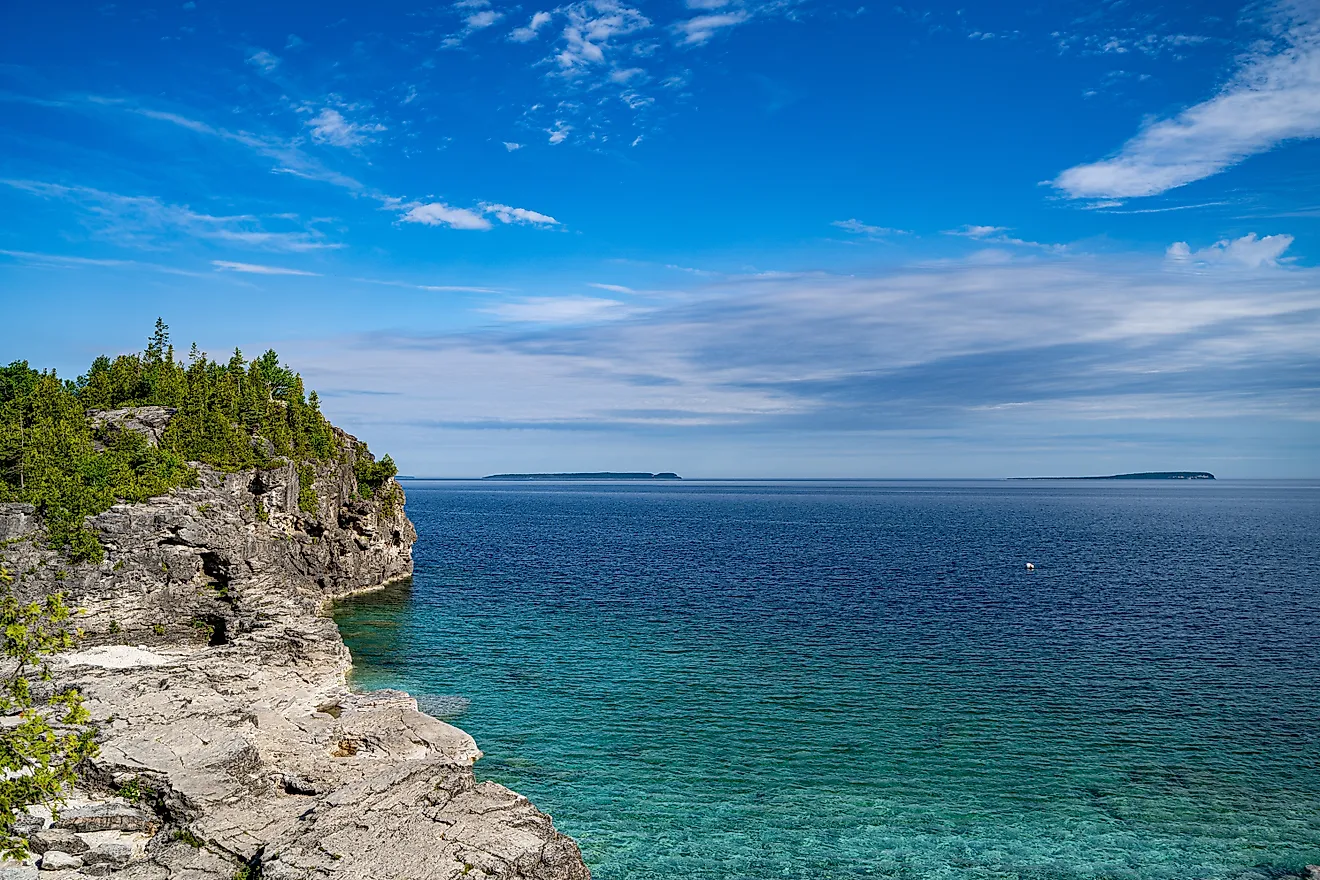
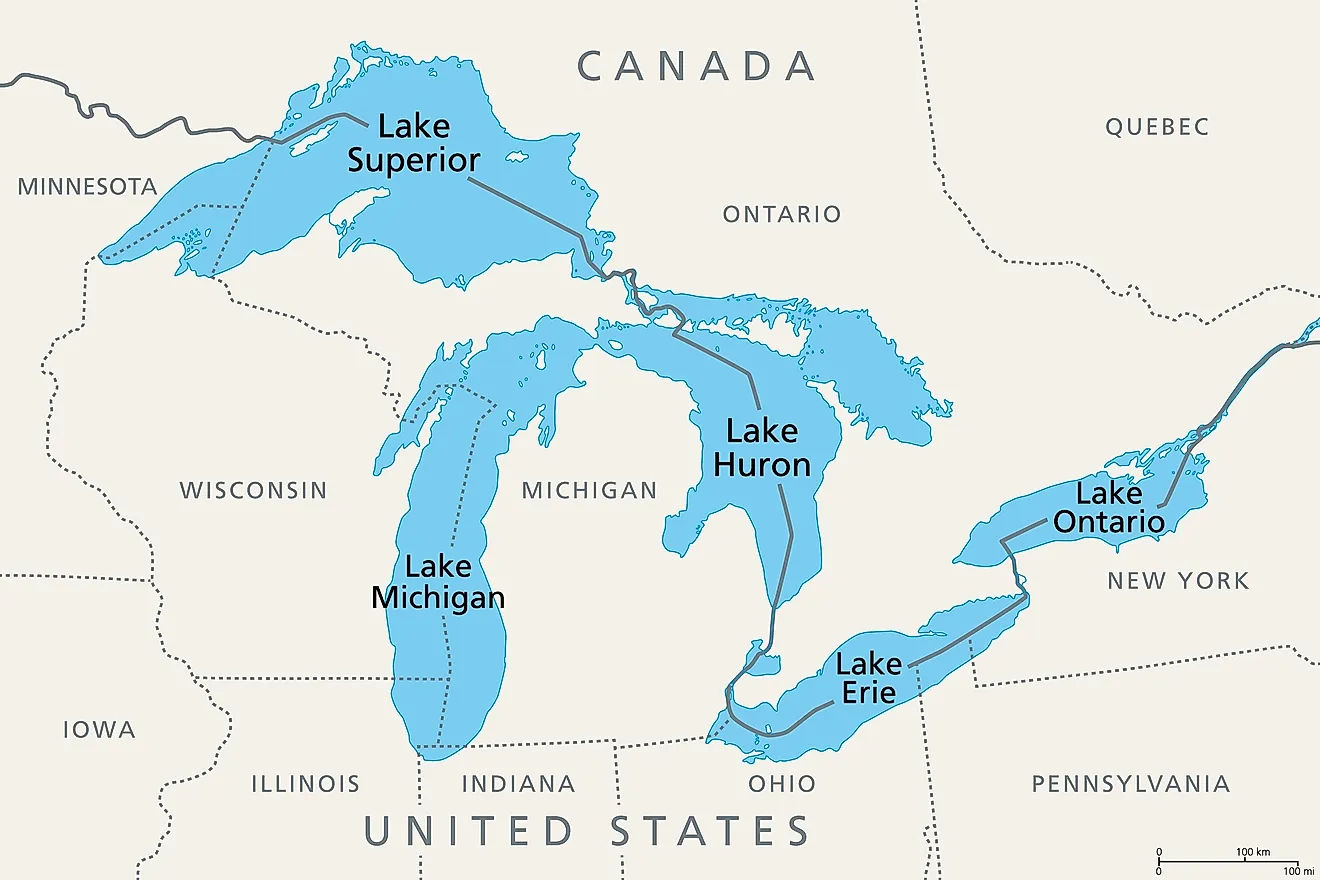
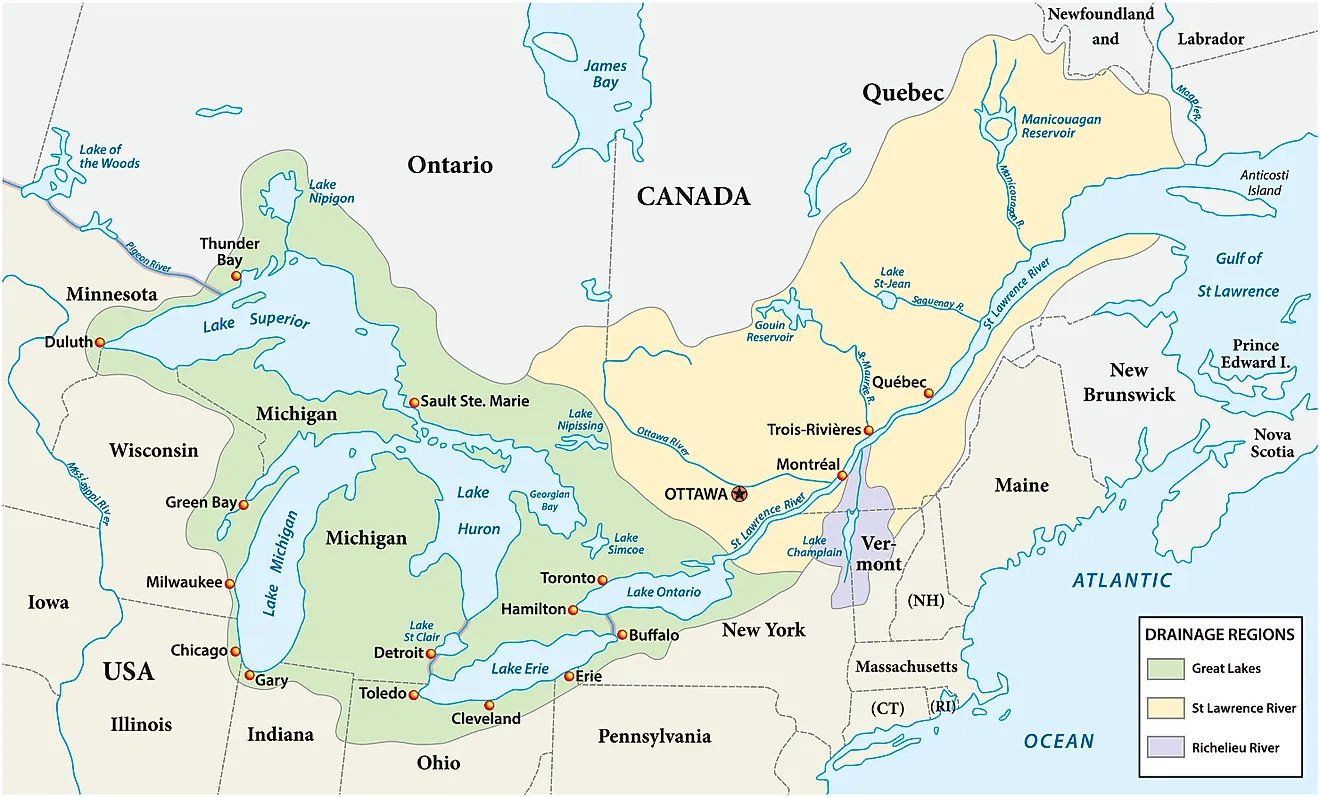
The Great Lakes are five connected freshwater bodies, Superior, Michigan, Huron, Erie, and Ontario, that sit between the United States and Canada and stretch roughly 750 miles from west to east.
Together they hold about 84% of North America's surface fresh water and around 21% of the world's. Their wider watershed supports about 25% of Canada's agricultural production and 7% of America's, and is home to more than 30 million people who also rely on the lakes for drinking water.
The economic stakes are large. Maritime industry on the lakes supports about 311,000 jobs and roughly $8.8 billion in wages. The lakes also support more than 3,500 species of plants and animals, including over 170 species of fish such as whitefish, lake trout, and muskellunge. Migratory birds use the basin as a flyway, and gray wolves, Canada lynx, and moose roam the northern shores.
What Counts as Invasive

"Non-native" and "invasive" are not the same thing. Non-native simply means a plant or animal did not originate in the area and was introduced through some outside path. Invasive species are non-natives that reproduce quickly in their new habitat and cause real harm, whether by acting as an unchecked apex predator, monopolizing resources, or crowding out native organisms.
Some invasives also pose direct risks to humans, like crop damage from outbreaks of mountain pine beetles. A useful checklist for spotting one: does it have natural predators in the new environment, can it reproduce rapidly, is it outcompeting native species for food and space, and is it damaging the ecosystem or human health?
Major Aquatic Invaders

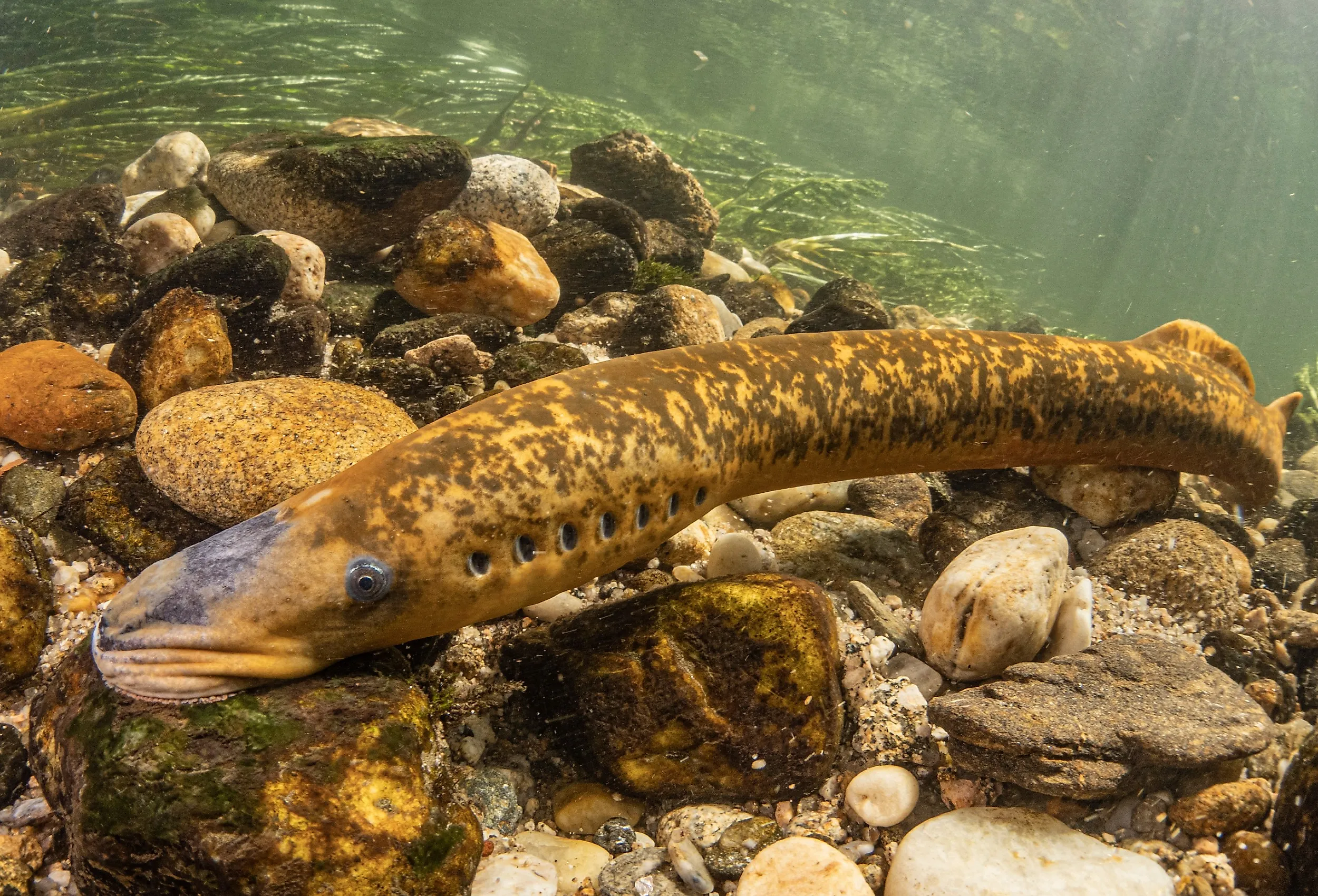
The sea lamprey (Petromyzon marinus) is one of the most damaging Great Lakes invaders. Native to the Atlantic Ocean, lampreys reached the upper lakes by way of the Welland Canal, the shipping shortcut that bypasses Niagara Falls and connects Lake Erie to Lake Ontario. They use a sharp-toothed suction-cup mouth to latch onto larger fish and feed on their blood and body fluids. The Great Lakes Fishery Commission estimates that a single lamprey can kill up to 40 pounds of fish over its parasitic life stage.

Four species of invasive carp, bighead, silver, black, and grass carp, are also a concern in or near the lakes. Originally imported to control pests and weeds in aquaculture ponds, they escaped into open waterways and can grow as large as 100 pounds and four feet long, easily outcompeting native fish for food.

Not every invasive fish is huge. The round goby (Neogobius melanostomus) tops out at three to six inches but punches well above its weight. Originally from the Black and Caspian Seas, gobies hitched rides in the ballast water of ocean ships and have since spread through all five lakes. They are aggressive feeders that strip food from native species and even snatch bait off fishing lines.

Quagga mussels (Dreissena rostriformis bugensis) and zebra mussels (Dreissena polymorpha) are probably the best-known invaders of the Great Lakes. Both come from the Ponto-Caspian region around the Black and Caspian Seas and arrived, again, in ship ballast water. They cause trouble in three main ways: they filter out so much zooplankton that the food chain bends around them, their dead shells pile up and clog habitats, and they coat water-intake pipes and the hulls of boats. Their feeding habits have also been linked to toxic blue-green algae blooms in Lake Erie.
The rusty crayfish (Faxonius rusticus) is a closer-to-home example. Native to the Ohio River basin, it likely spread north when anglers used it as bait. In its new habitat it eats fish eggs, mows down aquatic plants, and has stripped many lake bottoms of the algal forests that smaller fish depend on for cover.
Plant Invaders

Plants have caused just as much damage as the more famous animal invaders. The narrow-leaved cattail (Typha angustifolia), first recorded in the region around 1880, hybridized with the native broad-leaved cattail (Typha latifolia) to produce a hybrid known as Typha × glauca. The hybrid grows tall and dense enough to shade out shorter wetland plants and has wiped out grassland and marsh communities around parts of the lakes.
Eurasian watermilfoil (Myriophyllum spicatum) began spreading through the lakes in the mid-1900s and damaged native plant communities. It hitches rides on boat hulls, trailers, and propellers, which is how it has moved so quickly between waterways.
Hydrilla (Hydrilla verticillata) follows a similar pattern. Native to Asia, it was originally sold for home aquariums before escaping into wild waters. It grows in thick mats that block sunlight, lower oxygen levels in the water below, and tangle in fishing gear and boat motors.

The invasive subspecies of common reed (Phragmites australis) is widespread across the Great Lakes basin. Darker than the native reed it competes with, it spreads in dense clumps that choke out other wetland plants, and its roots release chemicals into the soil that suppress the growth of nearby vegetation.
Japanese stiltgrass (Microstegium vimineum) acts in similar ways. It first arrived in the United States around 1919 as packing material for porcelain shipped from Asia. By the early 1990s it had reached the Lake Erie region, and it has since spread across much of the Great Lakes basin. It crowds out native ground cover and can introduce diseases that local plants are not equipped to fight.
Prevention

Most successful prevention work focuses on the single biggest pathway in: ballast water. Ships carry water in their tanks for stability, and when they discharge it in port, anything living in that water gets dumped into the lakes too. Ballast-water regulations rolled out in the 2000s now require ships entering the Great Lakes to flush their tanks with mid-ocean saltwater, killing freshwater stowaways before they arrive.
Other prevention efforts work at the retail level. Conservation groups partner with pet stores, bait shops, and aquarium suppliers to identify potentially invasive species and pull them from sale before they enter the trade.
Boater behavior matters too. The US Fish and Wildlife Service runs the Stop Aquatic Hitchhikers campaign, which asks boaters to rinse hulls, motors, livewells, and trailers with hot water between waterways to kill anything clinging on. Several conservation groups are also pushing for more physical barriers on the canals connecting the Great Lakes to other river systems. The Chicago Area Waterway System already uses electric barriers to keep invasive carp out of Lake Michigan from the Mississippi basin.
The combined effect has been measurable: new invasive species establishing themselves in the Great Lakes are down roughly 85% since 2006, after the tightened ballast rules.
Removal

Removing species that are already established is much harder. Programs need to be effective, affordable, and careful enough not to harm the native species they are trying to protect. The sea lamprey program is one of the better success stories: a multi-pronged effort using selective lampricides that target lamprey larvae, traps baited with synthetic sea-scent pheromones, and physical barriers in tributary streams.
Sometimes invasives even end up keeping each other in check. Round gobies, for example, prey on young zebra mussels, providing a small but real check on mussel populations.
Can These Invaders Be Stopped?
No program is going to fully clear the Great Lakes of every invasive species, but the combination of ballast regulations, lamprey control, canal barriers, and targeted carp removal has bought the basin real ground. For people who live in or visit the region, the most useful contribution is small and concrete: clean and dry boats and gear between waterways, and never use invasive species as bait. The lakes are big, but the entry points are not, and that is where the fight is being won.