Why Ancient Greece Lost Its Freedom
Like all great civilizations, Ancient Greece eventually fell. The Peloponnesian War caused irreparable divisions between its many city-states. Fragmentation paved the way for the rise of Macedonia, led by Philip II and then Alexander the Great. After Alexander died, the Greek world split into competing kingdoms. Much like how Macedonia had previously established hegemony, division provided an opening for the Roman Republic to conquer each of these states. By 30 BCE, the final Greek kingdom, Ptolemaic Egypt, lost its freedom.
The Peloponnesian War

During the Greco-Persian Wars (499 to 449 BCE), Greece was united. Facing a common and existential threat from the Persian Empire, its many city-states were forced to come together just to survive. After Persia was defeated, these alliances became tenuous. Sparta in particular was anxious about Athenian naval power and its Delian League, which increasingly functioned more like an Athenian Empire than an alliance. Eventually, these tensions spiralled into the Peloponnesian War.
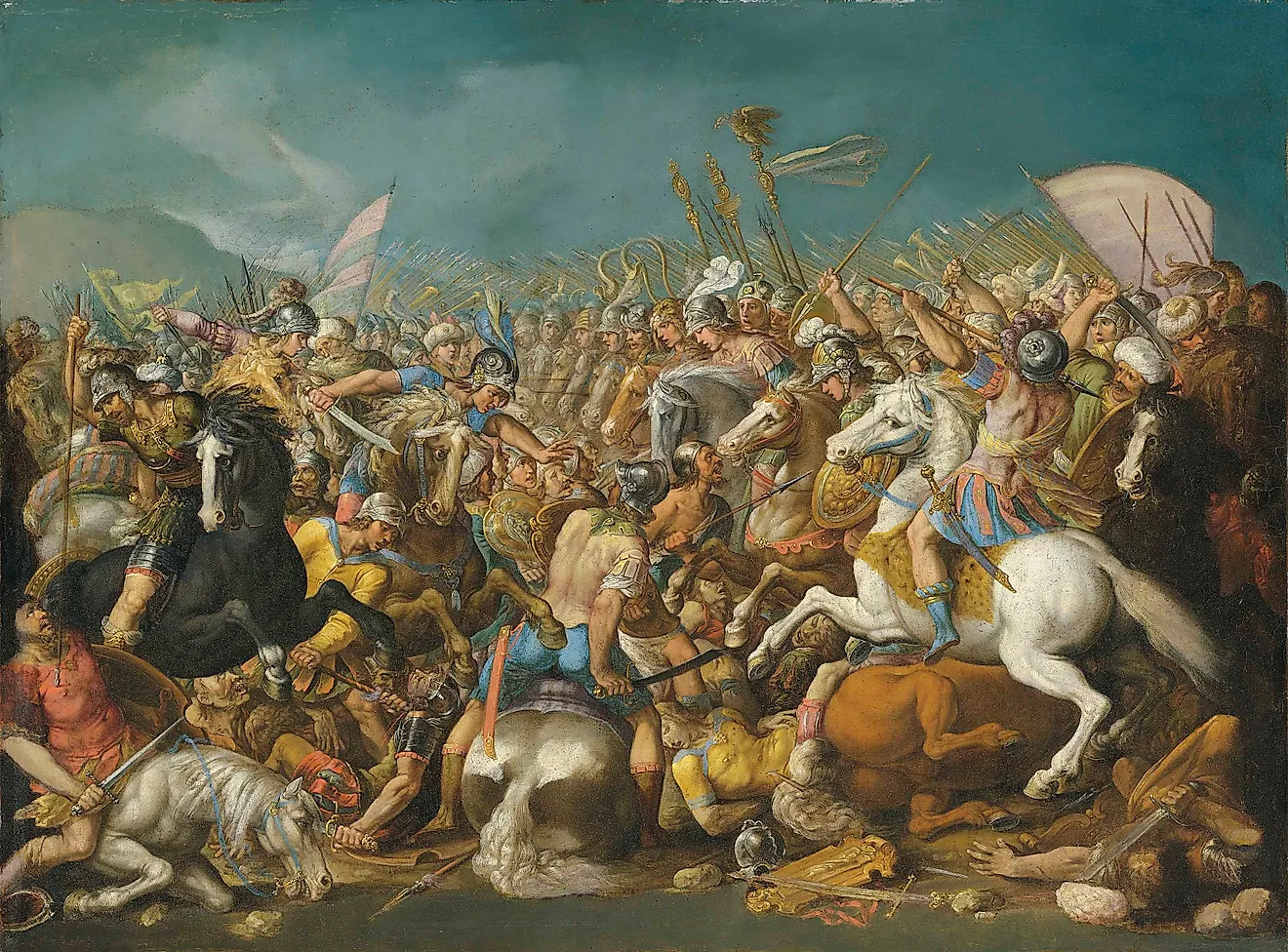
Fought between 431 and 404 BCE, the Peloponnesian War divided Greece between Athens and Sparta. A superior navy initially gave Athens the advantage. However, as the war went on, it made a series of strategic errors. Perhaps the most notable of these mistakes was the Sicilian Expedition (415 to 413 BCE), in which hundreds of ships were destroyed and thousands of troops were killed. When combined with Persian aid, which allowed it to build up its navy, Sparta beat Athens in 404 BCE.
Endless Political Fragmentation

In the aftermath of the Peloponnesian War, Greece was fragmented. Sparta emerged as the hegemonic power, but both Thebes and Athens challenged this position. Thebes eventually became the dominant city-state following the 371 BCE Battle of Leuctra. During its brief time at the top, it made some notable advances, one of which included freeing Sparta's slaves (called helots). Regardless, by 362 BCE, Greece again descended into war. This fighting exhausted resources, and by the middle of the century, the city-states were weak financially and militarily. Still unable to unify, Greece was now far more vulnerable to other powers seeking to end its independence.
The Rise Of Macedonia

Macedonia took advantage of this weakness. Located in the north, the rest of Greece had historically considered it wild and semi-barbaric due to its untamed geography and violent political system. This reputation changed under the reign of Philip II (359 to 336 BCE).

Philip first made major military reforms. He created a professional standing army, ensuring that it was far better trained than the civilian-based armies in the rest of Greece. Philip also adopted the Macedonian phalanx, which utilized a long spear called a Sarissa that made frontal assaults by enemy combatants nearly impossible. In conjunction with diplomatic endeavours, military superiority allowed Macedonia to gain more and more influence as the years went on. Macedonia’s rise culminated in 338 BCE when it beat an alliance of Corinth and Athens. In many ways, this marked the beginning of the end of Ancient Greek freedom, since the city-states would never again be independent.
The Tyranny Of Alexander the Great

On the eve of his planned invasion of Persia in 336 BCE, Philip II was assassinated by his former bodyguard and lover. This made his son, Alexander, king of Macedonia. At only 20 years old, many didn’t respect the young ruler. Believing that Macedonia was now weak, Balkan tribes in the north and city-states in the south began rebelling.

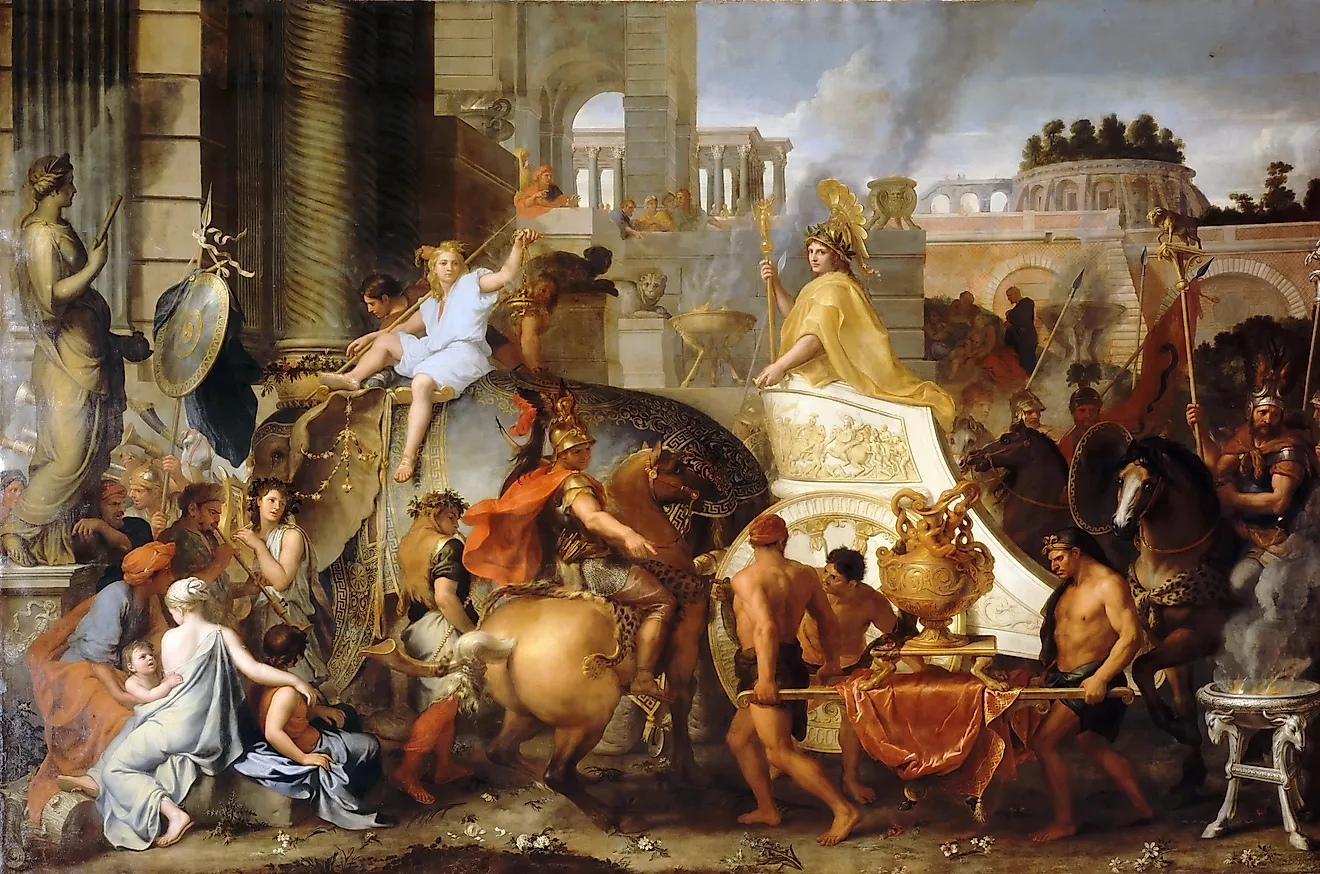
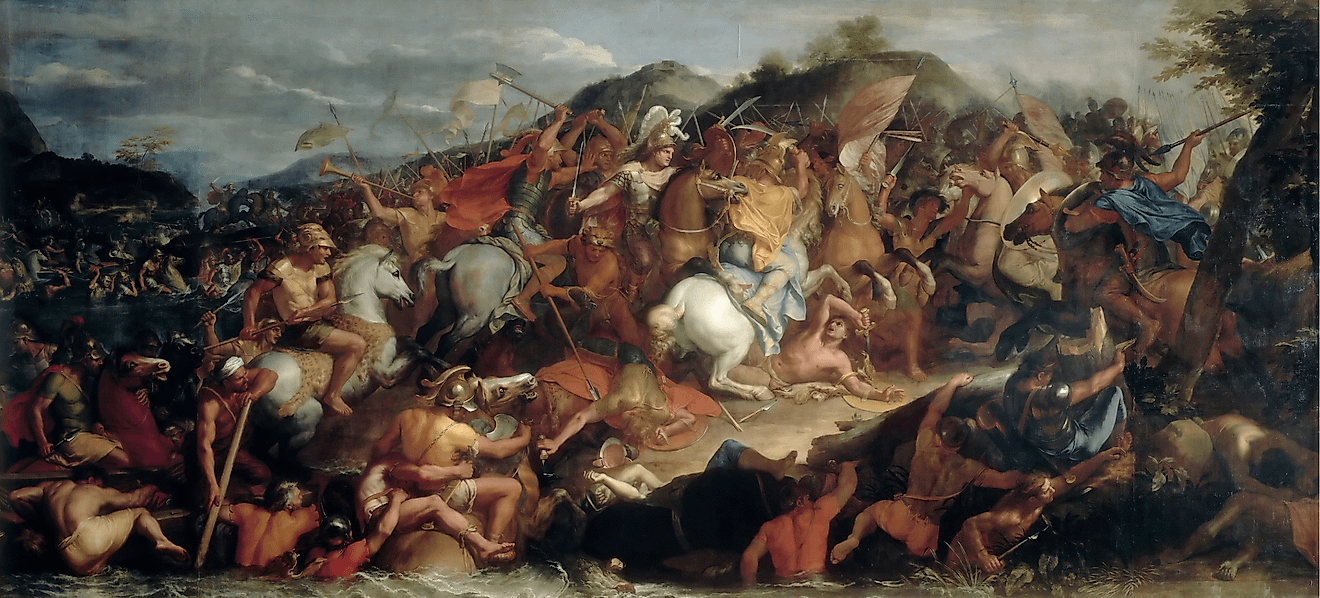
Alexander quickly proved that he was a force to be reckoned with. First, he marched north and crushed the Thracians, Triballi, and Illyrians in modern-day Bulgaria and Albania. Upon hearing news of rebellions down south, Alexander then quickly returned to Greece. Fearing the wrath of the Macedonian Army, most cities immediately surrendered. However, Thebes did not. Enraged by this act of defiance, Alexander decimated the city. Almost all its buildings were destroyed, 6,000 people were killed, and 30,000 were sold into slavery. From this point onwards, the rest of Greece refused to step out of line, fearing a similar fate. The freedom that had once defined so many cities’ identities was now all but gone.
The Hellenistic Kingdoms And The Rise of Rome

After Alexander died in 323 BCE, his empire, which stretched from Albania to India, descended into chaos. Following a nearly 20-year civil war, three main successor kingdoms emerged: the Ptolemaic Kingdom in Egypt, the Seleucid Empire in Persia, and the Antigonid Dynasty in Macedonia and Greece. All Greek in nature due to Alexander’s linguistic and cultural legacy, the pre-eminence of these kingdoms nonetheless signified the official end of any truly independent city-states.

The rise of the Roman Republic then marked the final loss of Greek freedom. The Greek kingdoms feared that Rome would threaten their own power, leading to a series of wars. The Macedonian Wars (214 to 148 BCE) ended in the destruction of Corinth and Greece coming under Roman control. Rome never gained complete control over Persia, but it did remove the Seleucids as a permanent threat by defeating them in the Battle of Magnesia in 190 BCE. Finally, Ptolemaic Egypt, the last independent Greek kingdom, fell to Rome in 30 BCE following the Battle of Actium. With this, Greece officially lost its freedom.