Caligula The Worst Roman Emperor
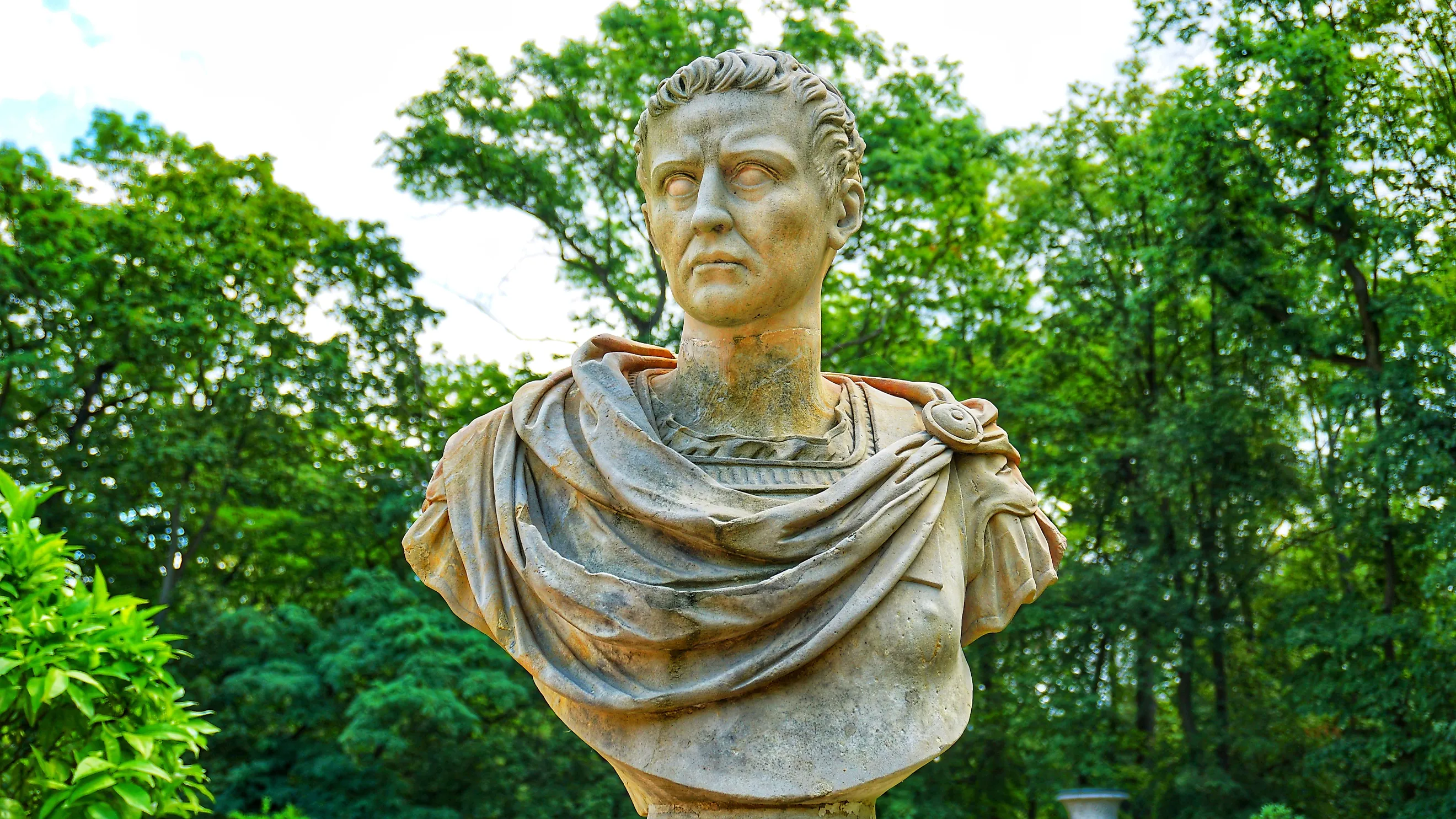
Between 27 BC and 476 AD, 70 different men ruled Rome as emperors. Many of these leaders went on to do great things to expand the power, wealth, and territory of the empire, whereas others had a much more lackluster legacy. While the more mediocre emperors failed to achieve anything of note, there were others who did such a spectacularly poor job at governing Rome that they now live in the annals of history as some of the worst emperors to ever sit on the throne. If there were competition for the worst emperor, Caligula would have the strongest stake in this claim.
The Early Life Of Caligula

Caligula was born in 12 AD to a rich, powerful, and influential Roman family. His father was Germanicus, a renowned Roman general who had carved out a well-respected reputation for his success against the various German tribes who sat across the Northern Frontier.
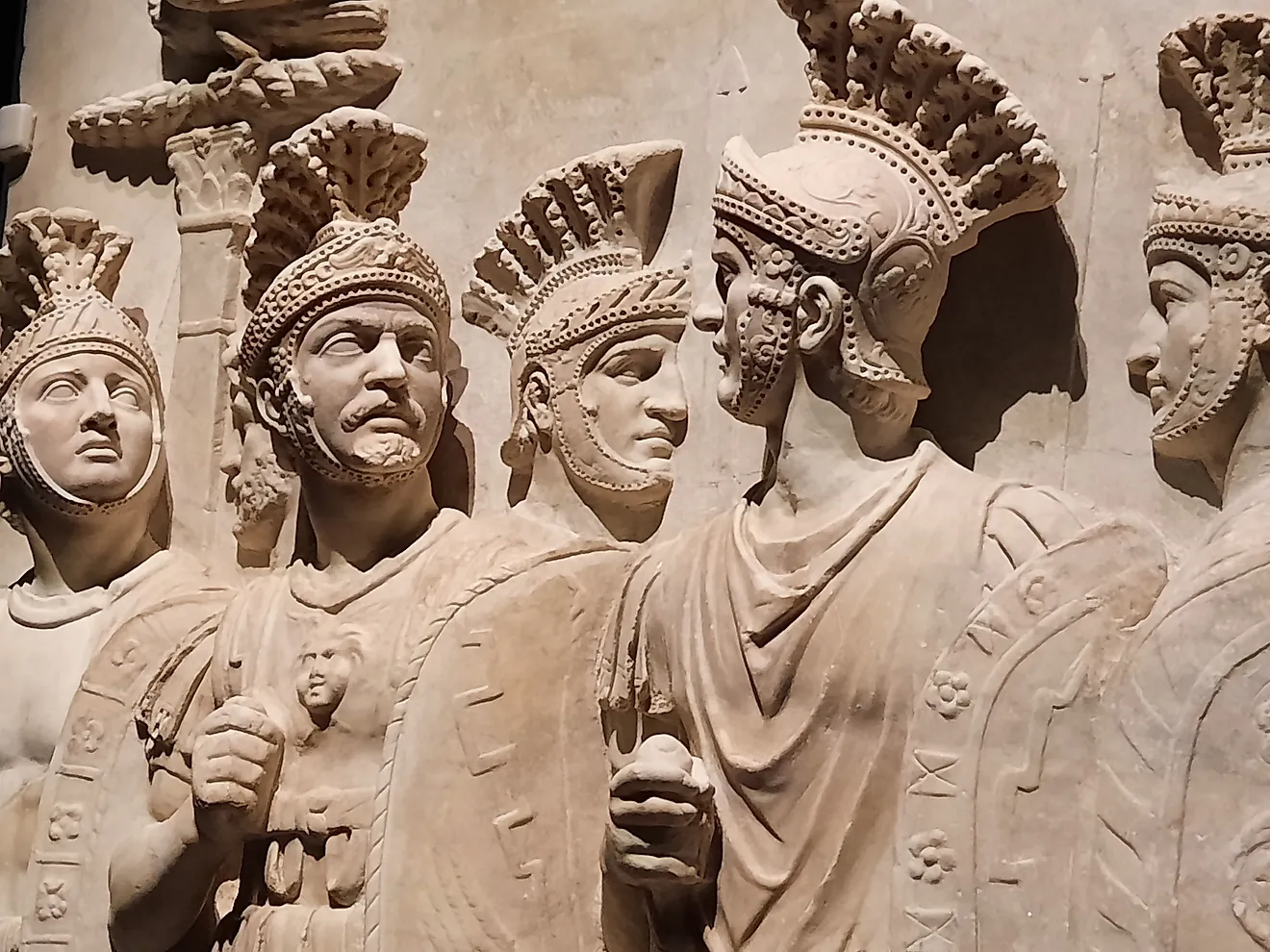
Germanicus died when Caligula was young. Upon his death in 17 AD, Caligula and his family were subjected to the scheming and plotting of an ambitious member of the Praetorian Guard, Sejanus. Sejanus felt threatened by the siblings and widow of Germanicus and managed to send Caligula's mother and siblings into exile or prison. Caligula was only saved from a similar fate by the actions of his grandmother Antonia.
After Sejanus's death in 31 AD, Caligula was sent to live with his great uncle, Emperor Tiberius. Although Tiberius had reservations about Caligula, he still officially adopted him and appointed him as co-heir alongside his cousin Gemellus. When Tiberius died in 37 AD, Caligula and Gemellus were supposed to rule together, but this arrangement soon changed. Caligula leveraged his political influence within the Praetorian Guard to secure the throne. About a year into his reign, he executed Gemellus and the guards who had supported him, effectively consolidating power.
A Glimmer Of Hope

At the outset of his rule, Caligula appeared to be a decent emperor. He spent significant sums on infrastructure projects, including expanding roads and aqueducts. He also showed considerable mercy by pardoning those in exile and announcing popular governmental reforms that benefited the Roman middle class. This optimism was short-lived. In the same year he became emperor, he fell gravely ill and neared death. Caligula miraculously recovered and returned a changed man. Whatever glimpse of justice and benevolence he might have possessed had left him completely.
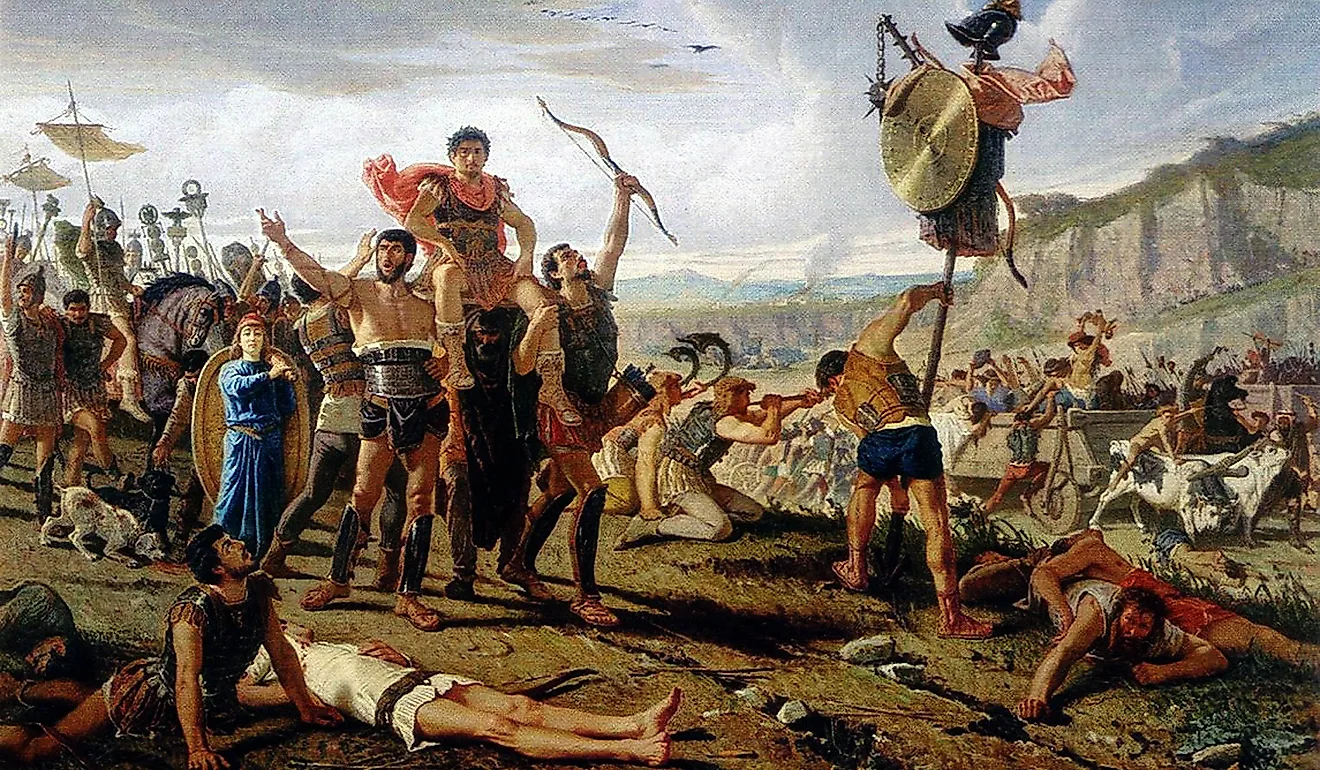
He started undertaking seemingly random and bizarre quests out of boredom or to enhance his public image. For instance, he ordered the construction of a floating bridge across the Bay of Bauli to ride over with his horse for days. Caligula also initiated a "military campaign" into the Rhine; while he did conquer some new territory and pushed back Germanic tribes from the border, most battles were staged for his entertainment, involving his legionaries.
Caligula also took great pleasure in humiliating those around him. He would often have purposely public affairs with the wives of his senators and, in certain instances, even make them pull his chariot for his own amusement.
A Life Of Excess

Caligula grew up in immense wealth, and his ascension to the throne of the Roman Empire only expanded his already insatiable lust for opulence and materialism. Some sources claim that the crazed emperor literally sat on piles of gold and riches during meetings and would drink invaluable pearls that he had dissolved in vinegar to flaunt his status. Caligula was also often seen roaming his palace or the Roman Senate in extravagant costumes, women's clothes, or with a newly fashioned wig or gaudy piece of jewelry.
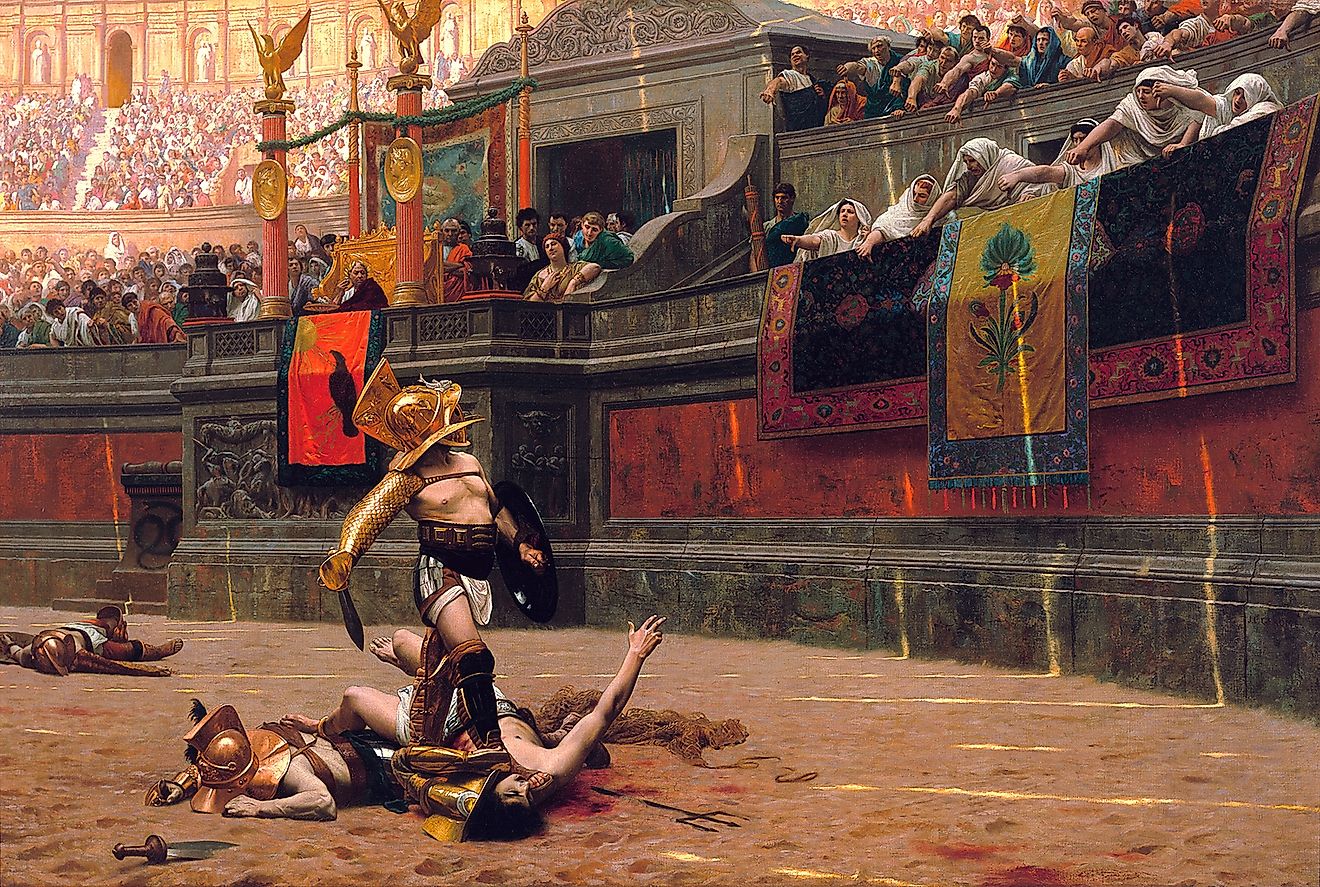
Caligula was notorious for hosting extravagant parties and celebrations that could last for days or weeks. Guests were encouraged to indulge in a variety of pleasures, from feasting on vast amounts of food to participating in large-scale orgies. The emperor even tried to build a statue of himself at the Temple of Jerusalem to elevate his deification, but he was unexpectedly convinced to reconsider by Herod Agrippa I, Judea's ruler.
It is often cited that Caligula attempted to make his own horse a Roman senator, but this is not likely to be true—at least not in a literal sense. While he likely said this, most historians agree that he suggested the idea as an insult to the Roman Senators, whom he saw as weak, incompetent, and untrustworthy. It was simply a way of saying that his horse could have done a better job.
The End Of A Tyrant

After ruling for only four years, much of the Roman aristocracy had grown tired of Caligula and his antics. Not only was the emperor violent, sadistic, and unpredictable, but he was also spending money at an astonishing rate.
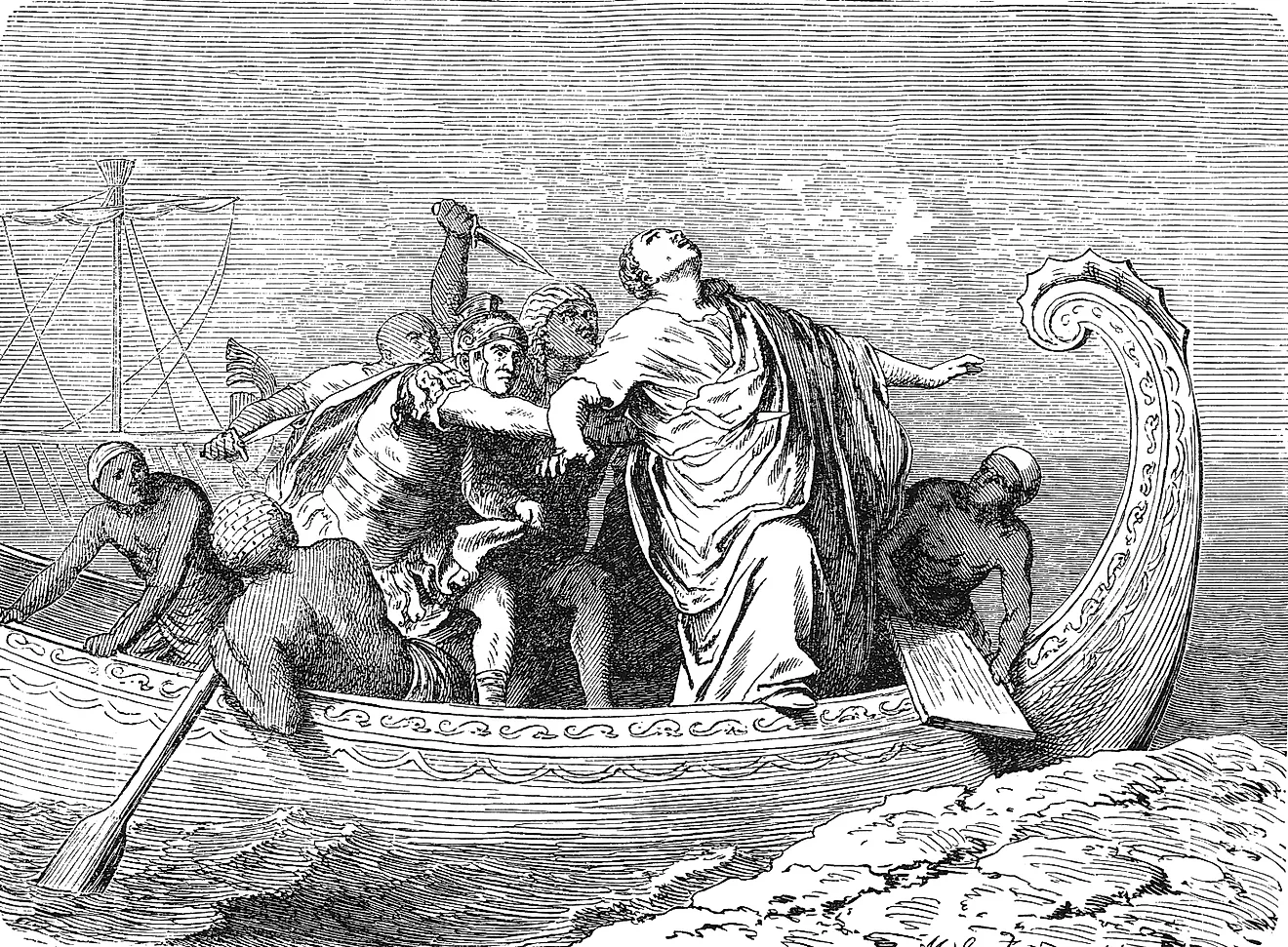
In 41 AD, elements of the Praetorian Guard, the Senate, and the Roman elite banded together to plot the assassination of Caligula. In late January, Caligula was killed by members of the Praetorian Guard. Caligula's wife and daughter were not spared either. The next man in line, Claudius, took the throne soon after, despite attempts by the Senate to reestablish the Roman Republic. Rome would remain an empire for the remainder of its history.
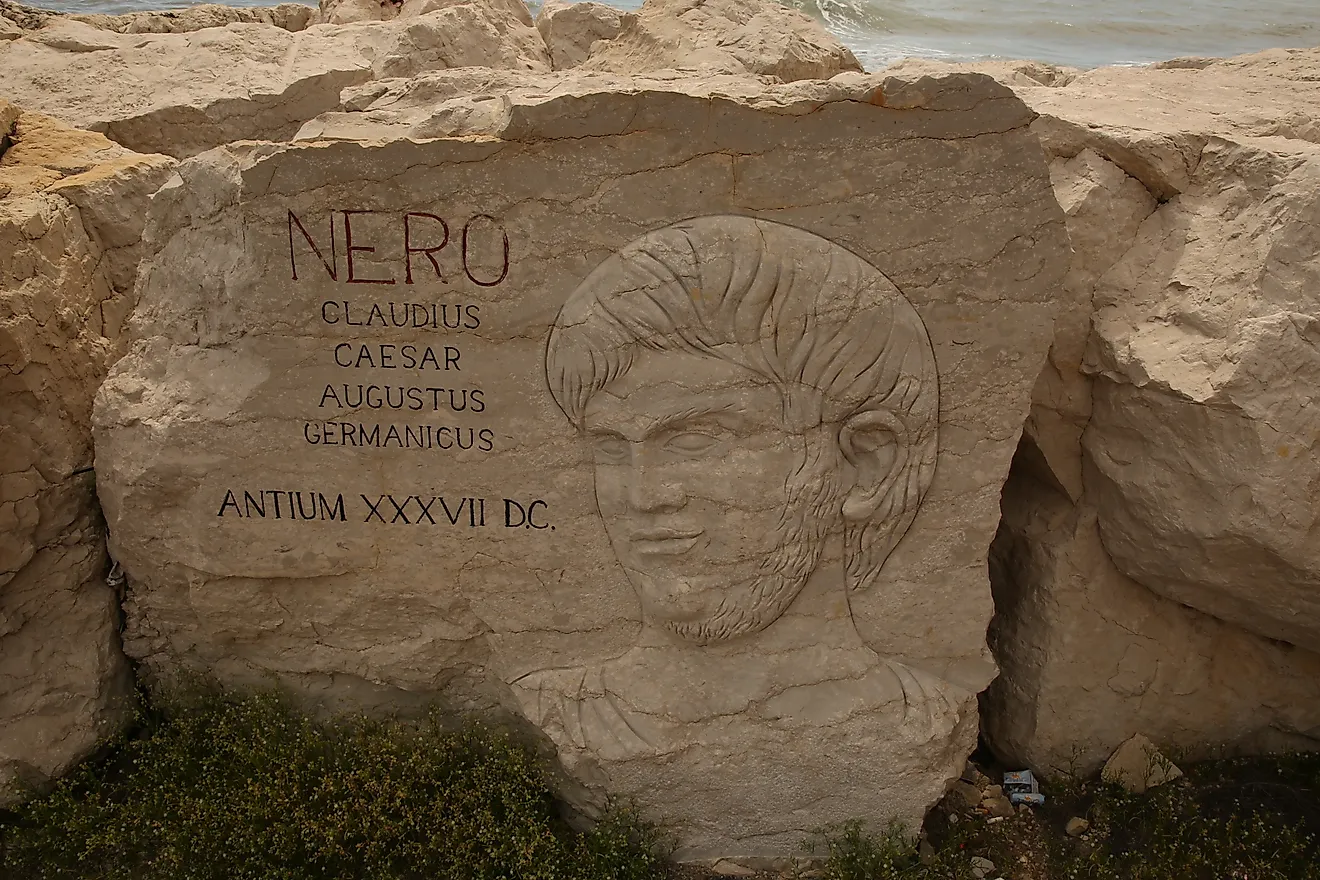
Caligula is certainly one of the worst emperors Rome ever had to endure. Not only was he intensely cruel and selfish, but his immeasurable taste for material goods deeply damaged the Roman treasury. The Julio-Claudian line of rulers (which Caligula belonged to) would last only a few more years, finally ending with another terrible emperor, Nero.