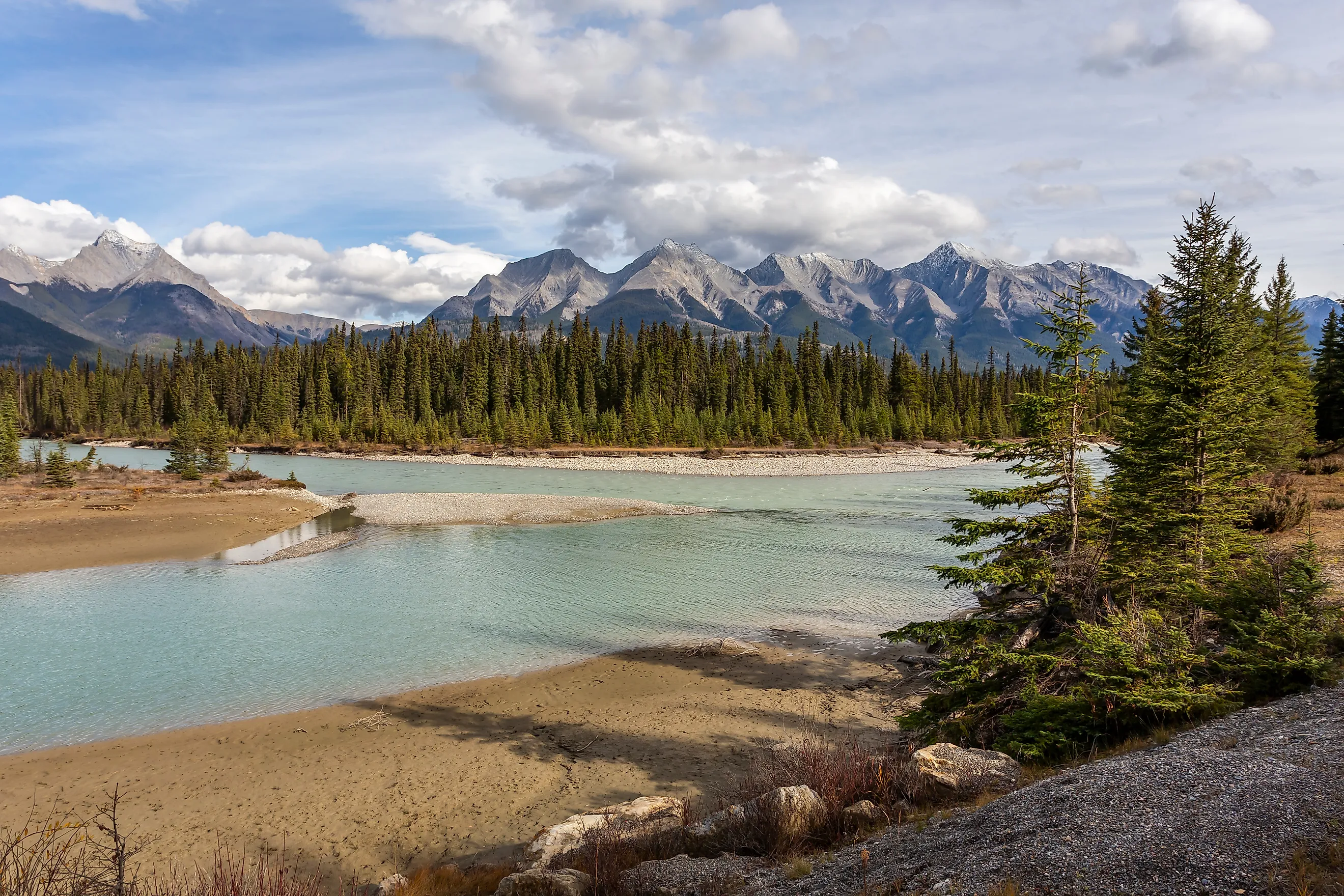
How The Alps Compare To The Rockies
The Alps and the Rockies are both A-list mountain ranges, the kind that launch a thousand postcards and an equal number of overpriced fleece jackets. But they are wildly different beasts. One is a short, pointy, almost absurdly over-civilized show-off. The other is a long, sprawling, half-wild giant with a bear problem. Put them side by side and things get interesting fast, including a genuine plot twist about which one is actually taller. Let's send them into the ring.
Length: The Rockies Are Far Longer

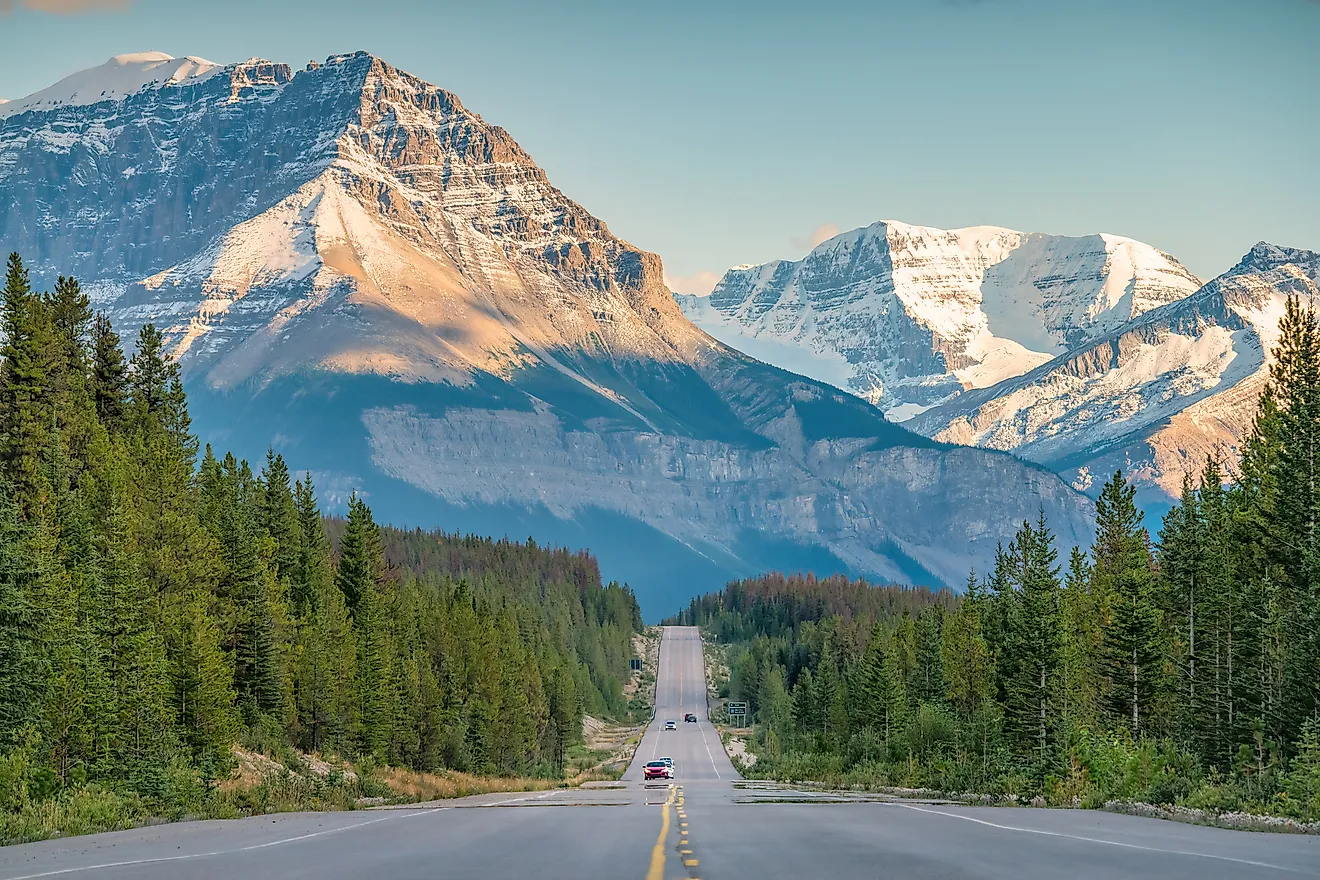
Let's start with raw size, where it is not remotely close. The Rocky Mountains stretch roughly 3,000 miles, running like a spine down the western half of North America from British Columbia and Alberta all the way to New Mexico. The Alps, by contrast, form a graceful crescent of only about 750 miles as they arc across eight European countries. Do the math and you could line up four Alps end to end and still have room left over inside the Rockies. In the pure length department, the Rockies are not just bigger, they are in a completely different weight class.
Height: The Alps Are Actually Taller

Here comes the awkward twist. Despite being a quarter the length, the Alps flat-out win the height contest. Mont Blanc, the tallest peak in the Alps, rises to 15,777 feet on the French-Italian border, while the Rockies max out at Colorado's Mount Elbert at 14,440 feet. That is a difference of more than 1,300 feet, and the Alps do not stop there, boasting several summits above the 15,000-foot mark that the Rockies never reach. So the smaller range is the taller range, which is exactly the kind of thing the Alps would be smug about if mountains could be smug. The Rockies, however, have a comeback.
Relief: Why the Alps Look More Dramatic
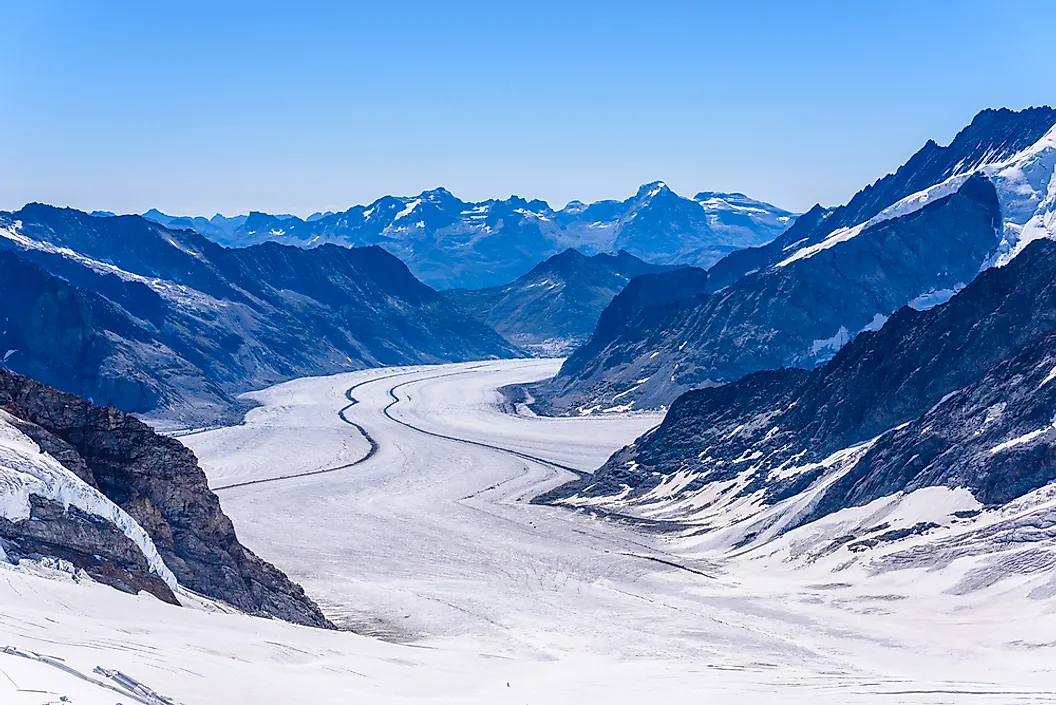
The Rockies' comeback is this: they are kind of cheating on that height stat. Colorado sits on a massive high-altitude plateau, so you are already a mile above sea level before you leave the Denver airport parking lot, meaning the peaks do not actually rise all that far above the land around them. The Alps pull off no such trick. They erupt almost straight out of deep, low-lying valleys, so a summit like Mont Blanc towers a staggering 12,000 vertical feet over the village at its foot. That measurement, called relief, is why the Alps look so ludicrously steep and dramatic, all jagged spires like the glacier-carved Matterhorn. The Rockies are broader, gentler, and more rolling by comparison. Round one to the Alps on pure wow factor.
Development: Civilized Peaks vs. Raw Wilderness
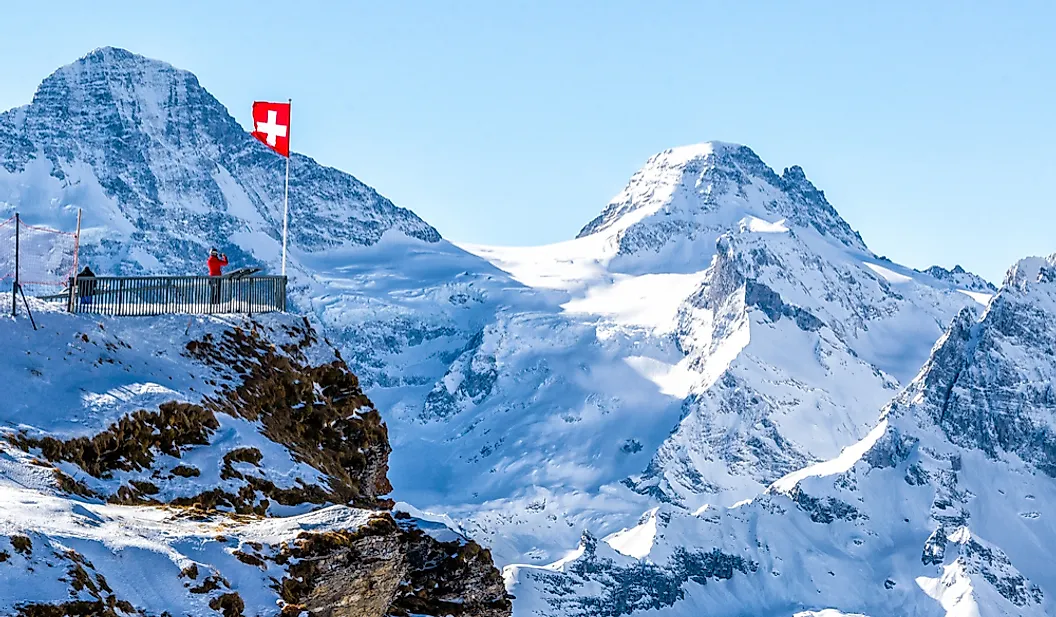
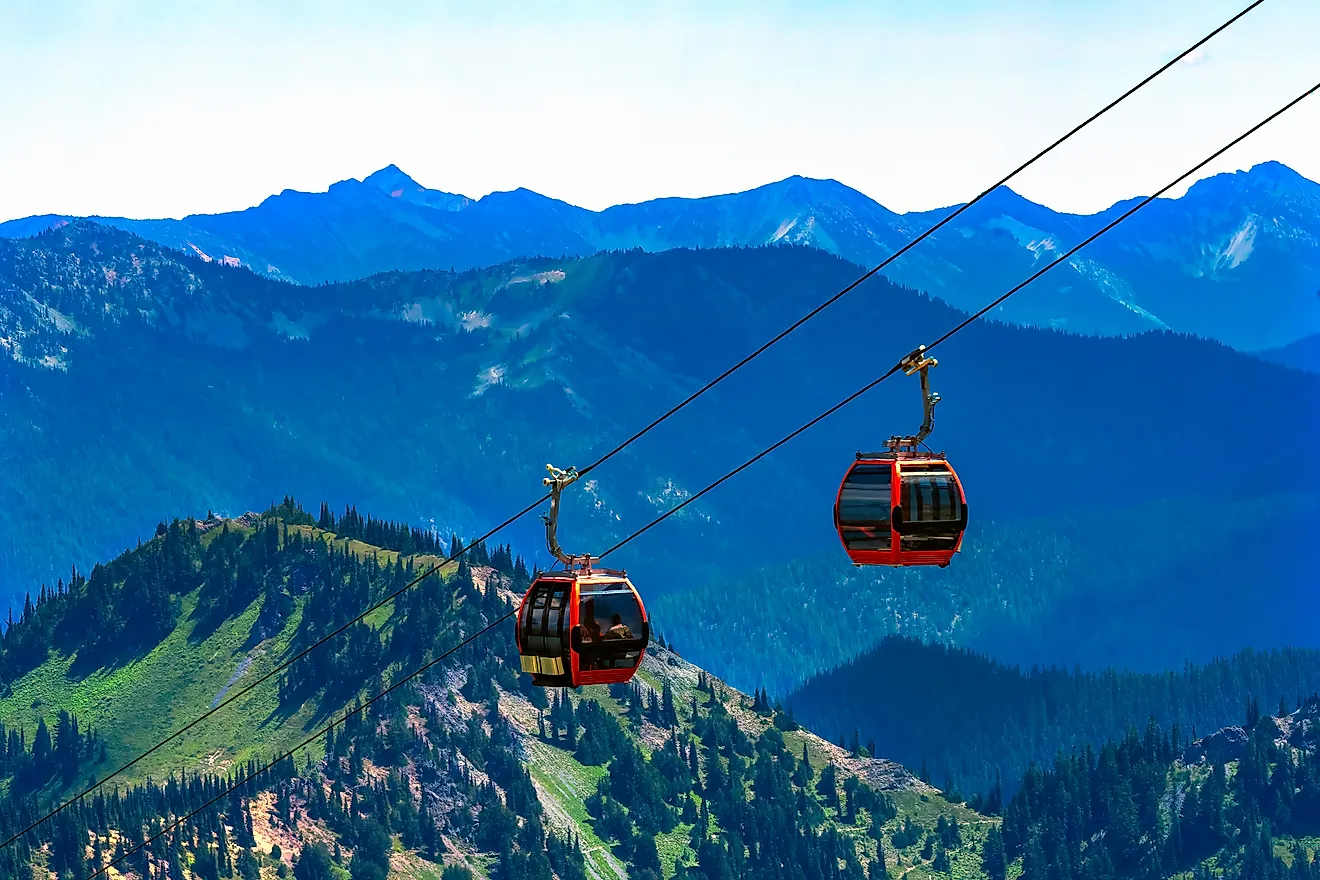
This is where the two ranges reveal completely different souls. The Alps are, without exaggeration, the most civilized mountains on the planet. They are laced with cog railways, cable cars, and tunnels, dotted with centuries-old villages, and studded with mountain huts serving hot meals. You can literally ride a train to over 11,000 feet, step off, and buy a cappuccino while gazing at a glacier. The Rockies are the opposite fantasy. Outside the national parks, they are vast, raw, and gloriously empty, the kind of place where you can drive for hours without passing a town and the trailhead sign is less "welcome" and more "you are on your own now." One range hands you cheese; the other hands you solitude.
Wildlife: Big Predators vs. Alpine Grazers

The wilderness gap shows up loud and clear in the wildlife. The Rockies are a genuine kingdom of charismatic megafauna, home to grizzly bears, black bears, gray wolves, mountain lions, elk, moose, and thundering herds of bison. Hiking there comes with an actual, if small, chance that something could eat you. The Alps, by contrast, long ago lost most of their big predators to hunting, and while bears, wolves, and lynx are slowly trickling back in tiny numbers, the animals you are most likely to meet are nimble ibex, dainty chamois, and whistling marmots. Adorable, yes. Terrifying, no. If your idea of a real mountain includes the faint possibility of a bear encounter, the Rockies win this one hands down.
So Which Range Wins?
Naturally, there is no single winner, because they are playing different games. The Alps are the champions of drama and convenience: taller peaks, steeper walls, more glaciers, and an unbeatable ability to deliver you to a summit restaurant without breaking a sweat. The Rockies win on scale, wildness, and wildlife, offering hundreds of miles of rugged, lightly touched country where nature, not a gondola, is still in charge. Want vertical spectacle with a side of Swiss chocolate? Book the Alps. Want to feel gloriously small and slightly nervous in a giant, grizzly-filled wilderness? The Rockies are calling. Either way, you win. You are looking at mountains.