Why The Fall Of Troy Is Still Relevant Today
The Fall of Troy is one of the most retold events in Western history and literature. This is for good reason. Images of the Trojan Horse and the city burning loom large in our collective memory. The event itself also remains relevant today. The Fall of Troy demonstrates that the strongest civilizations can fall and that some victories aren't worth the cost. It also forces us to think critically about the past.
It Shows That Even The Strongest Cities (And Civilizations) Can Fall

According to texts such as the Iliad, the Odyssey, and the Aeneid, the Trojan War lasted for ten years. While unclear if the actual conflict was that long, the lesson behind Troy's ultimate collapse is still relevant. Indeed, the city didn't fall because it lacked strength. It could have possibly withstood the Greeks for another ten years. Rather, it fell due to one colossal strategic error: the Trojans opened their gates and let the Greeks into the city.
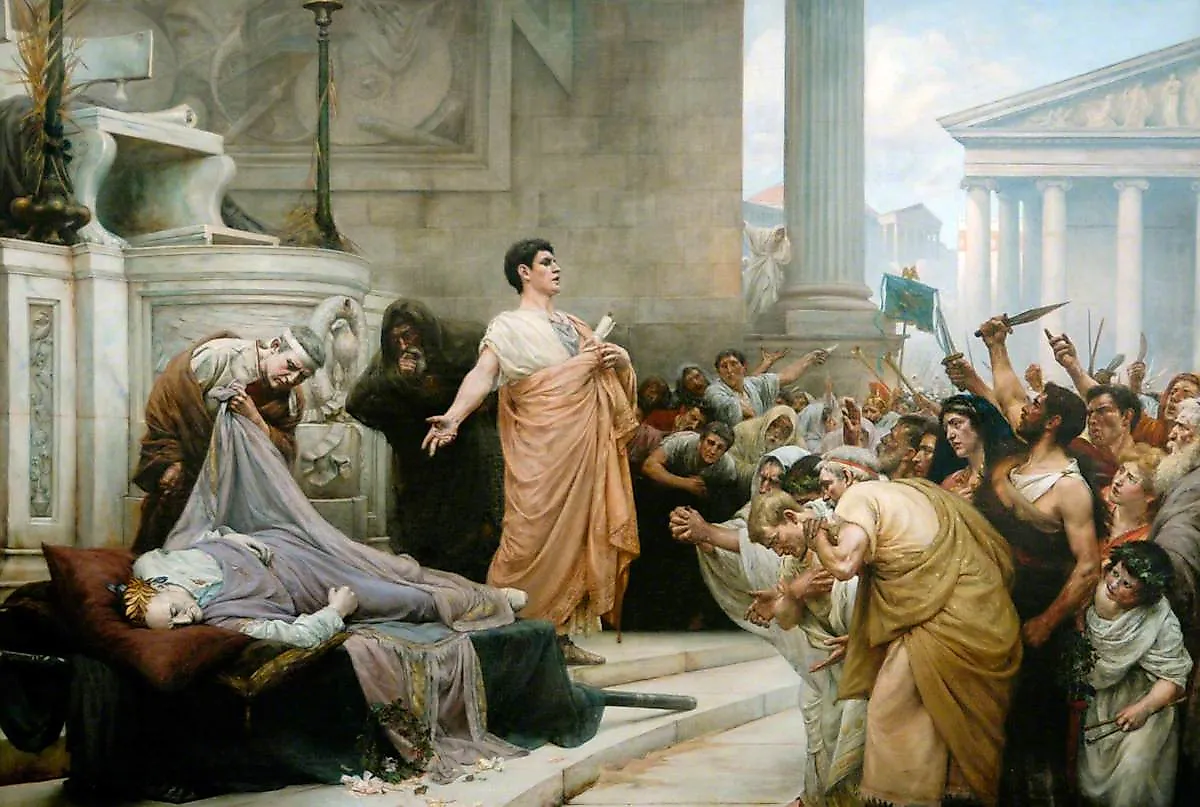
We can apply this lesson to other, indisputably historical events. Consider the collapse of the Western Roman Empire. While barbarian invasions and economic dysfunction contributed to its fall, infighting and territorial overreach were other major contributing factors. If Rome didn't have to expend resources on these latter two problems and better leveraged its still formidable military, perhaps it would have survived.
The collapse of the Soviet Union is another illustrative example. While it was hardly at the height of its powers in the mid-1980s, many experts believed that it would survive for decades longer. According to most metrics, like the size of its economy and its military, it was still one of the most powerful countries in the world. However, a series of catastrophic strategic errors exacerbated pre-existing problems and drove the collapse of the early 1990s. Chief among them were the invasion of Afghanistan in 1979 and the cover-up of the Chornobyl Nuclear Disaster in 1986.
The Trojan Horse Is A Lesson In Deception

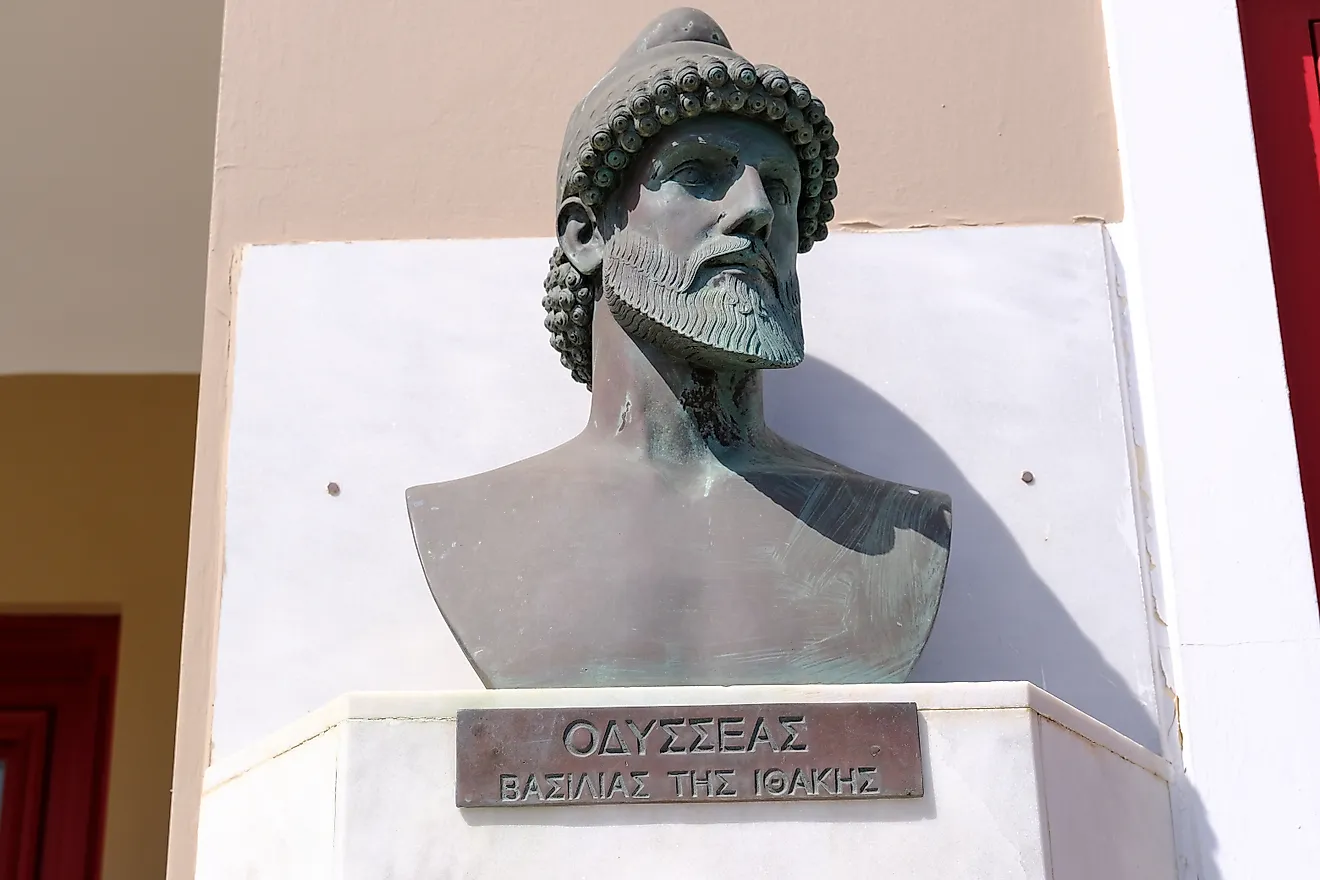
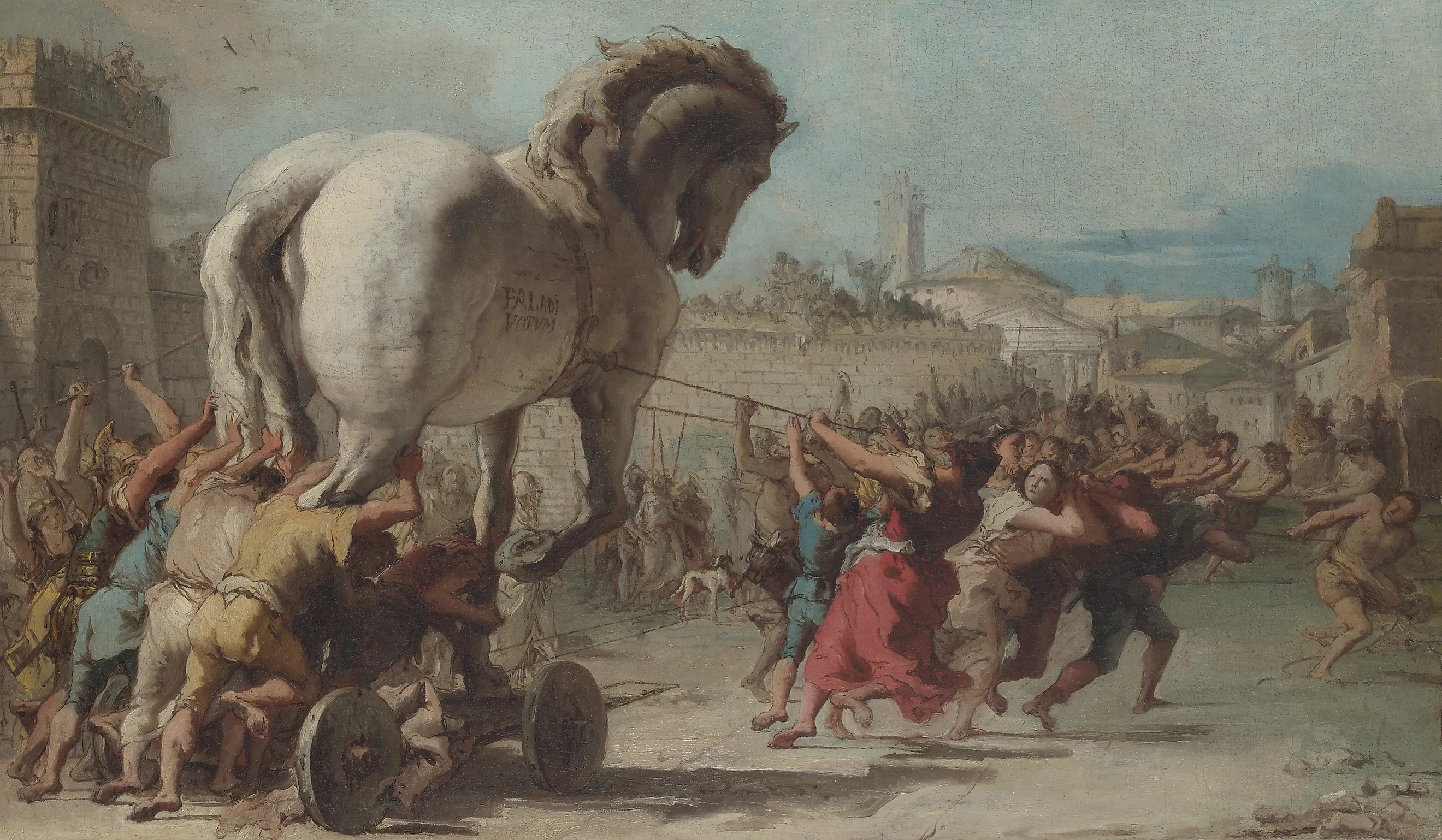
The Trojan Horse is arguably the most iconic aspect of the Fall of Troy. Odysseus devised the plan, and the master craftsman Epeius built the horse. The best Greek warriors hid inside it. After the Trojans took it into Troy, believing it was an offering to the gods, the Greeks emerged and opened the city gates from the inside. Doing so allowed the rest of the Greek army to enter, leading to the collapse of the city in a single night.
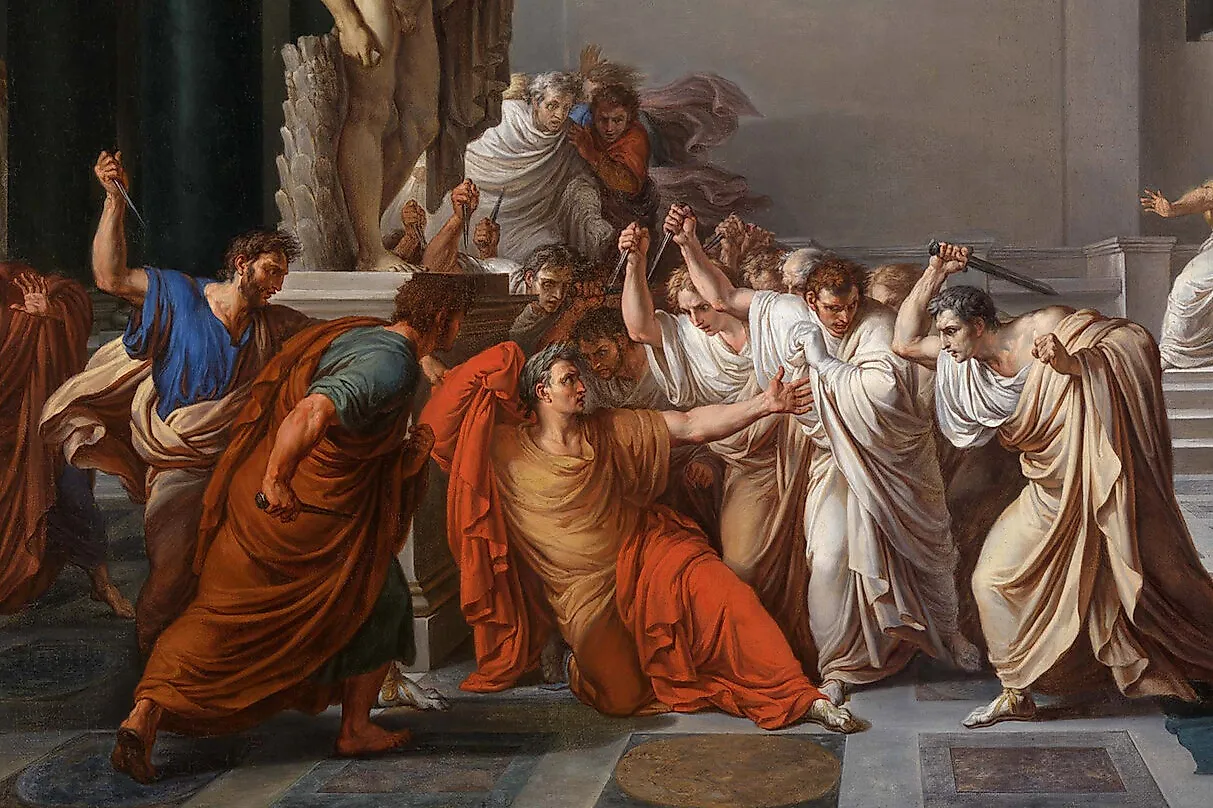
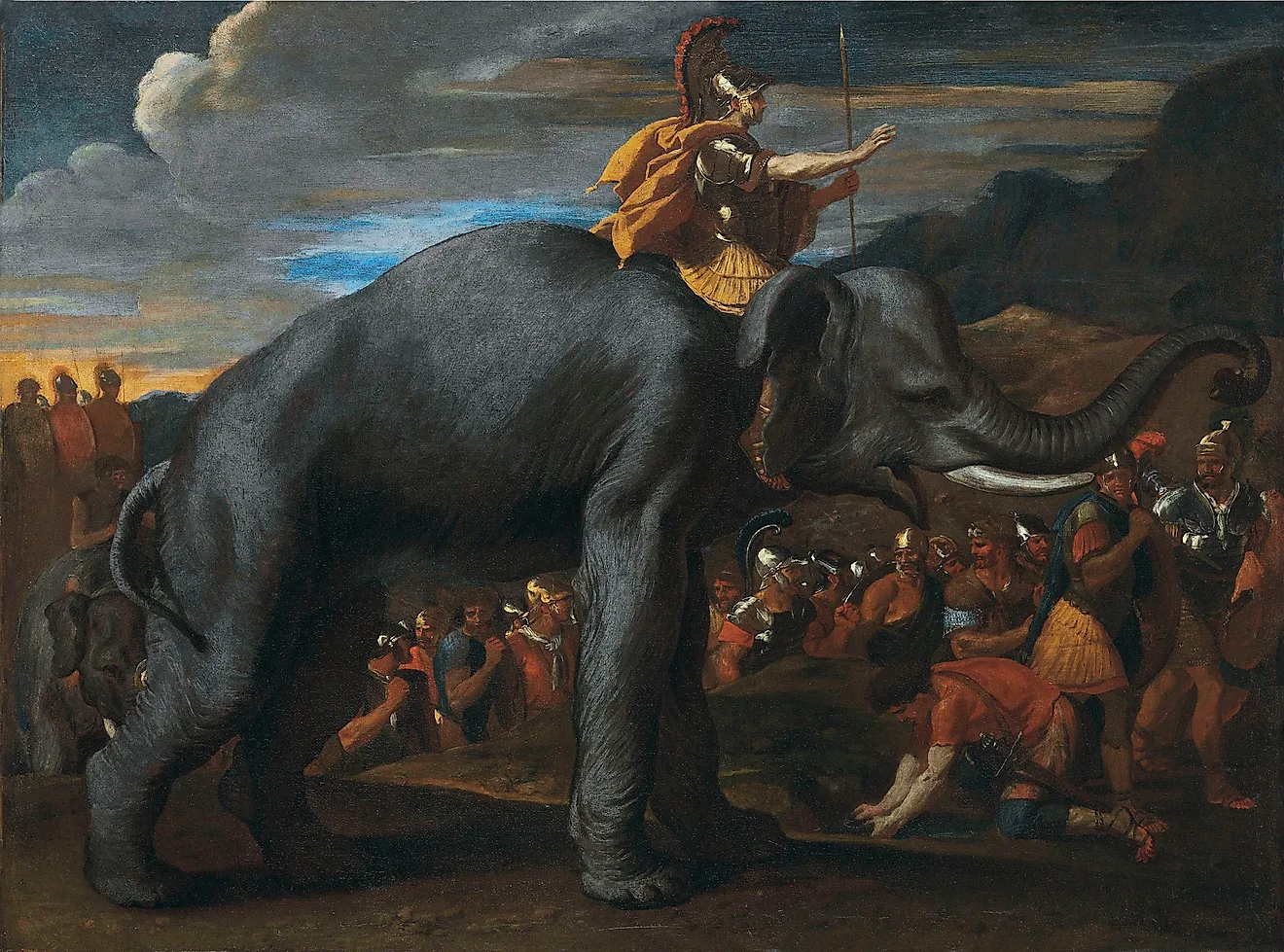
There is little evidence suggesting that the Trojan Horse existed, at least as it's described in the ancient texts. Nevertheless, future generals and political leaders were inspired by the deception inherent in the story. Take Julius Caesar, for example. He frequently outthought his opponents, rather than relying on pure military might. The clearest example of this can be seen in his campaign to capture Gaul (modern-day France, Belgium, Luxembourg, and parts of Switzerland) between 58 and 50 BCE. Even though the Romans had a superior military, Caesar played the Gallic tribes against each other. Doing so allowed him to divide and conquer and thereby achieve a more decisive victory.
The Trojan Horse's relevance can also be seen in more modern conflicts. Extensive intelligence operations shaped World War I and World War II, and they defined the Cold War that followed. These deception campaigns reflect an understanding that cunning is often just as important as pure strength.
It Demonstrates That Some Victories Aren't Worth The Cost

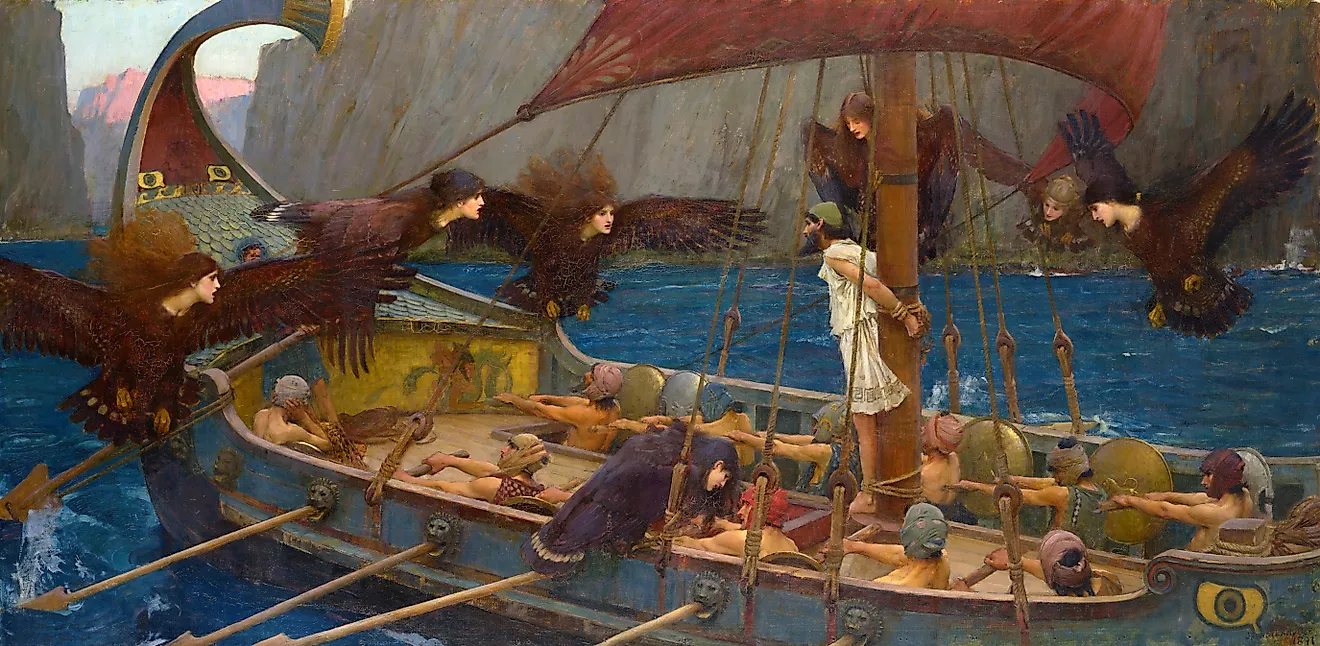
Even though the Greeks won the Trojan War, it came at an enormous cost. Agamemnon, the king of Mycenae who united the Greeks against Troy, is killed by his wife Clytemnestra. She never forgave him for sacrificing their daughter, Iphigenia, at Aulis to get the becalmed fleet moving. Ajax, ranked in the poems just behind Achilles among Greek fighters, kills himself after losing the contest for Achilles' armor to Odysseus. Odysseus himself spends ten years wandering the Mediterranean before finally returning to his home of Ithaca. Along the way, he endures many trials and tribulations, and all his men die.
The lessons inherent in these examples can be applied to many modern conflicts. The Vietnam War, or the later American campaigns in Afghanistan and Iraq, are reasonable comparisons. On paper, the United States far outmatched all of its opponents. However, the human and political cost of either winning the war or maintaining its victory was simply too great.
It Forces Us To Think Critically About The Past

The Fall of Troy occupies a gray area between history and myth. Archaeological evidence indicates that the city of Troy existed and that the settlement layer known as Troy VIIa burned around 1180 BCE. This is around the time the Trojan War takes place in Homer's poems. However, many of the specific events described in the poems have little historical basis. There is no evidence that the Trojan Horse ever existed. The supposed reason for the war fares no better. In the poems, Helen leaves the Spartan king Menelaus for the Trojan prince Paris, and no historical evidence supports it.
Since we know that some sort of Trojan War occurred, but that the details are unclear, this forces us to think about what actually happened. The horse could have been a metaphor for a siege engine or another Greek trick. Troy's location on the Dardanelles, a crucial waterway between the Black Sea and the Mediterranean Sea, suggests that the war was fought over trade routes rather than Helen of Troy. Maybe she did elope with Paris, but the event only served as an excuse to pursue geopolitical goals. The Fall of Troy's mythological and historical background encourages us to think critically about the past.
Impact And Legacy

What keeps the fall of Troy in circulation is the distance between what the story asserts and what the ground at Hisarlik will actually confirm. A city that had held out for a decade lost in a single night, and the cause was a decision rather than a shortage of walls or fighting men. The Greeks did not come out ahead either. Their commander was murdered at home, and their most cunning man spent another ten years getting back to his. Neither half of that belongs only to the Bronze Age, which is why a conflict fought over a strait in the twelfth century BCE keeps surfacing in arguments about power that outlives its own judgment.