The Darkest Periods In Ottoman History
As one of the longest-lasting states in history, the Ottoman Empire experienced many ups and downs. At its peak, it rivaled powers like the Roman and Mongolian Empires in both size and influence. At its worst, it suffered immense military losses and was responsible for some of the most horrific atrocities the world has ever seen. Exploring the darkest periods in Ottoman history therefore helps us better understand the totality of an empire that once seemed nearly invincible.
The Ottoman Civil War (1402 to 1413)

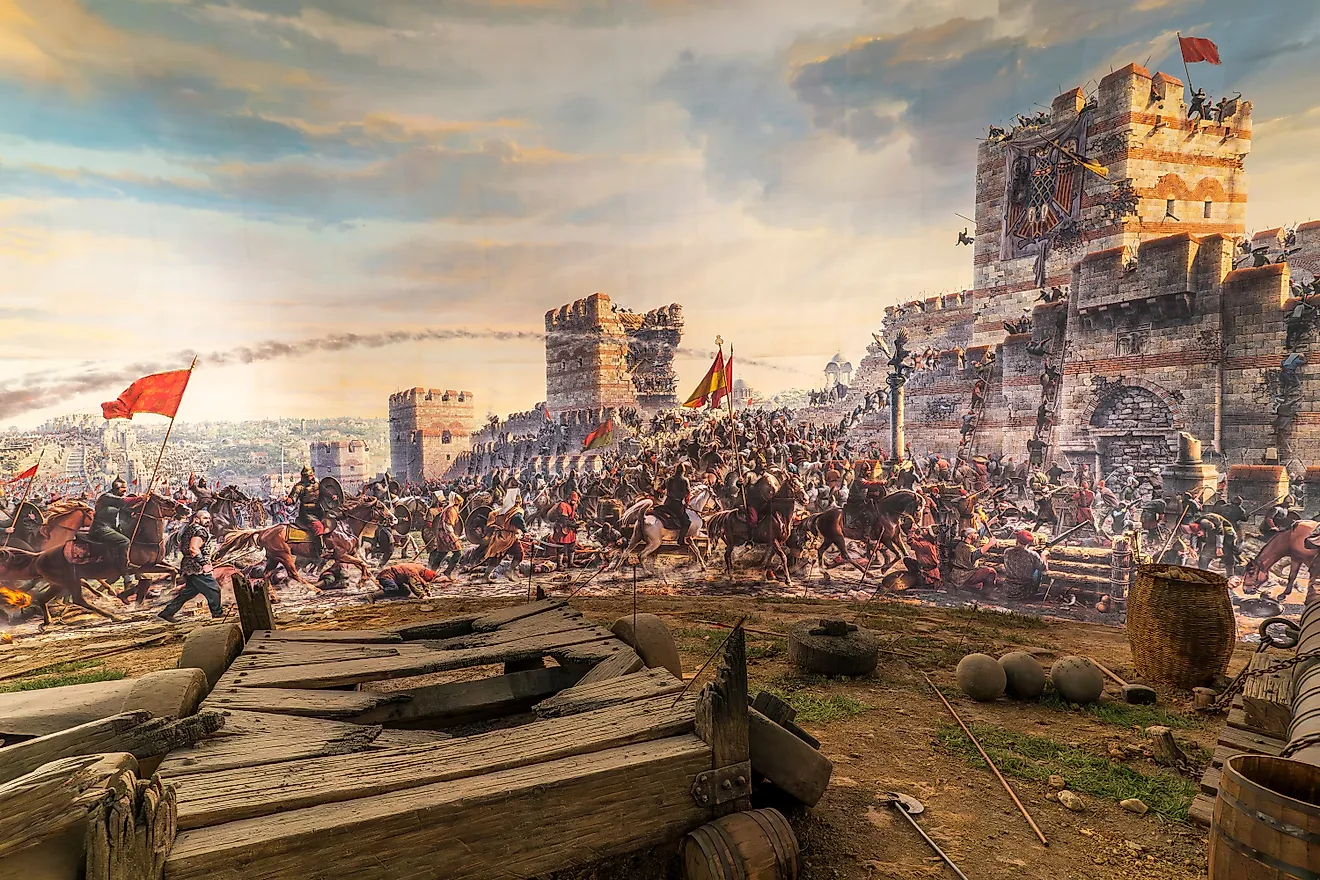
From 1299 to 1453, the Ottomans rapidly accumulated territory in Anatolia and the Balkans. This culminated in their taking the city of Constantinople, an act that brought about the end of the Byzantine Empire and signified the Ottoman Empire's emergence on the world stage. However, the path to get to this point wasn’t without its difficulties. Perhaps the most significant of these challenges was the Ottoman Interregnum, a roughly eleven-year civil war that began in 1402.
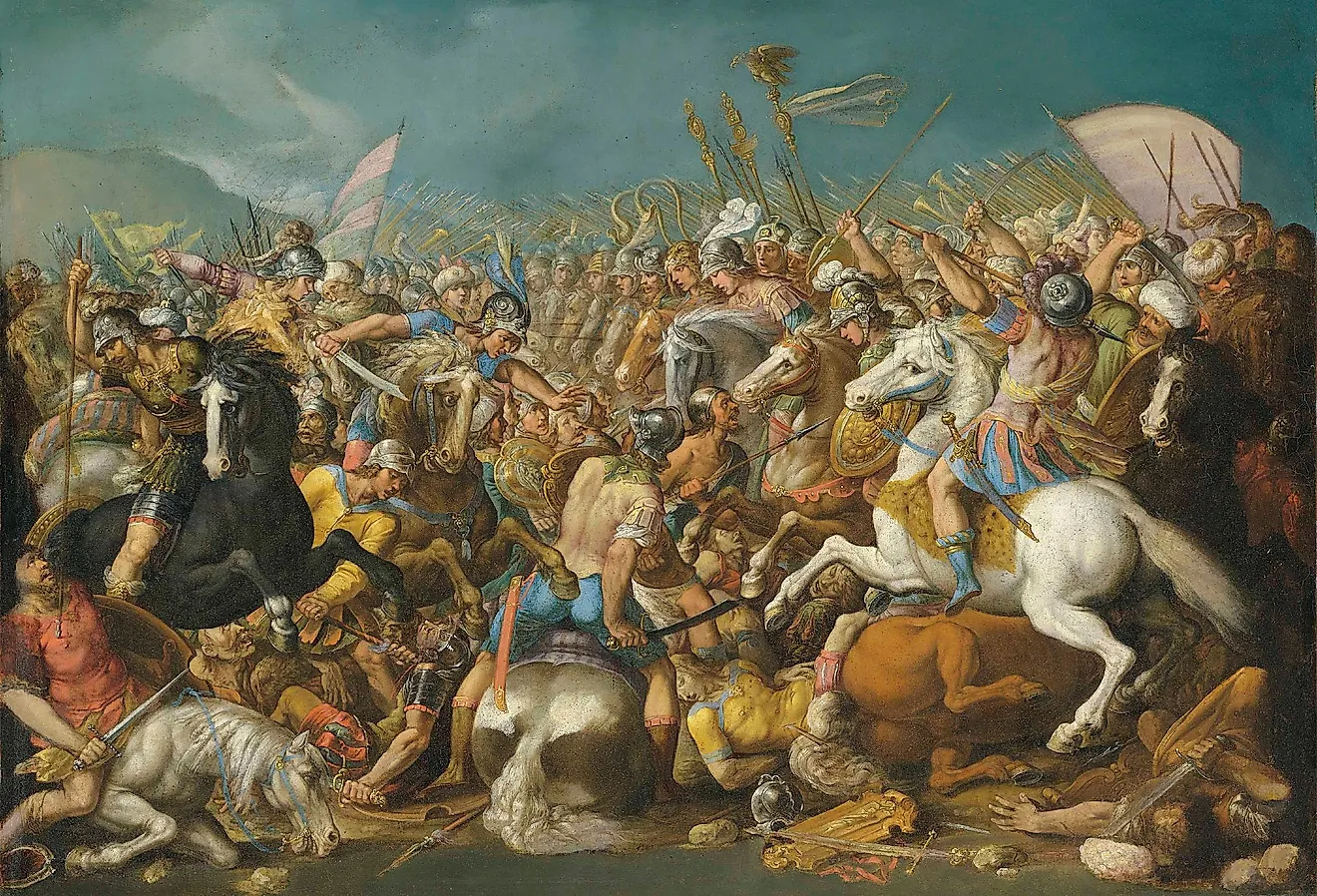
The catalyst was Sultan Bayezid's capture by the Mongol ruler Timur. In Bayezid’s absence, the Ottoman Empire was divided between his four sons, Süleyman Çelebi, İsa Çelebi, Mehmed Çelebi, and Musa Çelebi. As they vied for dominance, the empire descended into civil war. While the brothers fought amongst themselves, Ottoman rivals such as the Byzantines and Serbs played them against each other and ensured that no one gained too much power. Eventually, Mehmed emerged as the victor in 1413 when he defeated Musa in the Battle of Çamurlu. Even though the empire ultimately recovered from this event, it still drained precious time and resources. It also established the precedent that violent familial struggles were part of the succession process.
The Great Turkish War (1683 to 1699)

In 1683, the Ottomans set out to capture Vienna and firmly establish their presence in Central Europe. It was also an effort to reassert their power, which had been waning due to internal strife and a series of military defeats. After sieging the city for several months, the Ottomans were beaten back by a coalition of Polish, Lithuanian, and German forces led by King John III Sobieski. This marked the beginning of a nearly two-decade conflict called the Great Turkish War.

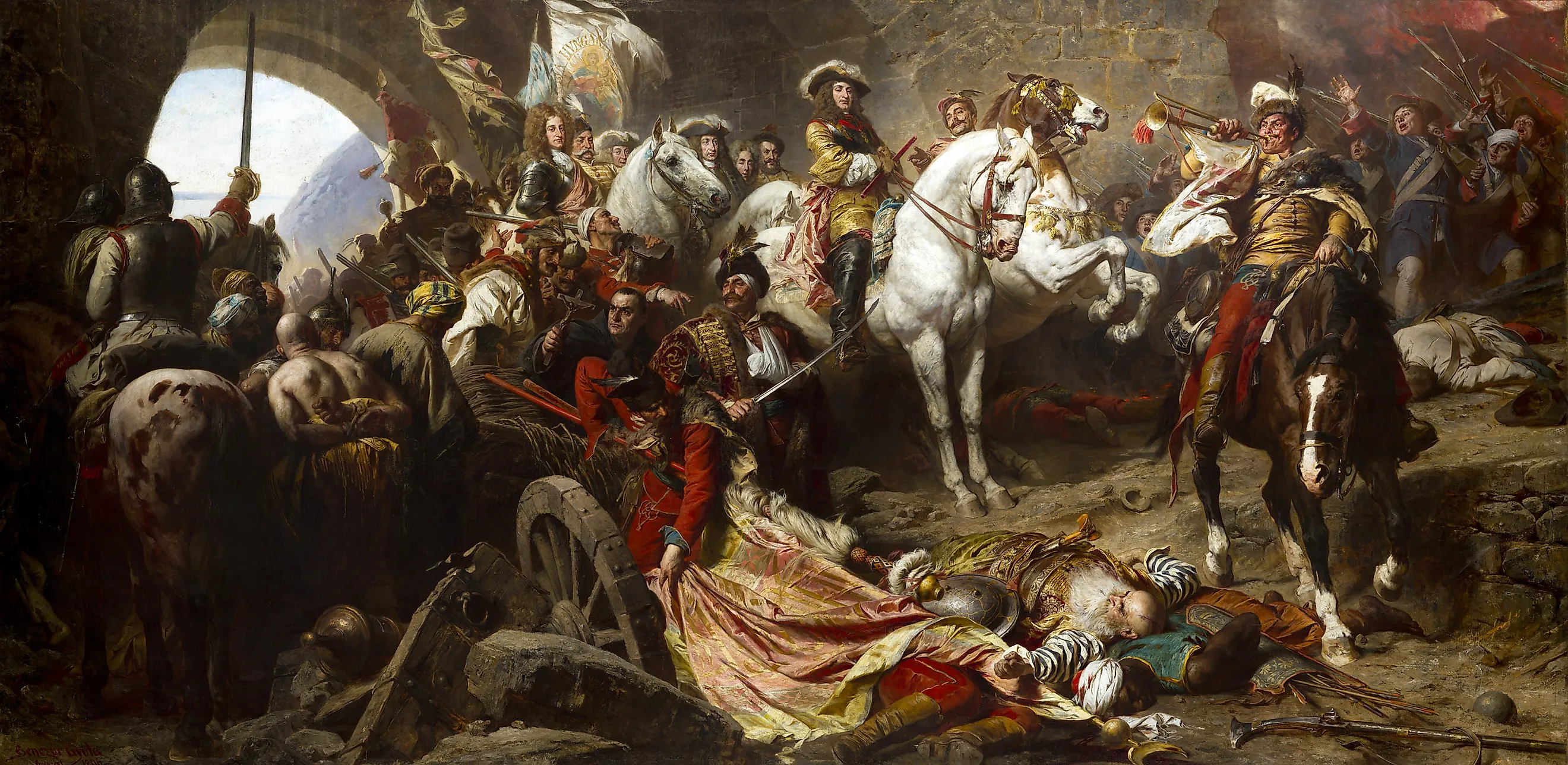
The war was an utter disaster. In 1684, Pope Innocent XI formed the Holy League, creating a united European alliance against the Ottomans. They therefore lost Budapest in 1686 and the rest of Hungary soon afterward. The Ottomans were also pushed out of Transylvania, Slavonia, and parts of the Balkans. These losses were eventually made official with the Treaty of Karlowitz in 1699, an agreement which ended the war. In short, the Great Turkish War marked the beginning of Ottoman decline. The empire would never again reach so far into Central Europe, and it more or less consistently lost territory for the rest of its existence.
The Reign Of Abdul Hamid II (1876 to 1909)

Abdul Hamid II was the most notorious yet multifaceted autocrat in the history of the Ottoman Empire. In many ways, he helped prepare the Ottoman state for the 20th century. Abdul Hamid II expanded secular education by renovating major institutions like the University of Istanbul and opening numerous professional and military schools. He also built up the empire’s transportation infrastructure by constructing the Hejaz Railway and Baghdad Railways. In conjunction with improved communication infrastructure, like the widespread adoption of the telegram, these measures helped the Ottoman Empire feel more like a centralized political unit with a distinct national identity.

The atrocities of Abdul Hamid II overshadow these accomplishments. In 1878, he suspended the Ottoman Constitution. Created to put limits on the sultan’s authority, Abdul Hamid II could now rule with absolute power. First, he created a secret police called the Hafiyye, which operated under the broader Yıldız Intelligence Agency. They formed a sophisticated spy network that informed the sultan of all the goings on in the empire, and their presence discouraged dissent and separatism.
Abdul Hamid II also encouraged ethnic violence. The most well-known example occurred from 1894 to 1896, when he incited local Muslim populations to massacre over 100,000 Armenian Christians. Initially beginning in rural areas, the violence quickly swept across the entire empire. One of the most horrific incidents occurred in December 1895, when nearly 3,000 Armenians sheltering in a cathedral of Urfa were burned alive. These massacres, the most enduring legacy of Abdul Hamid II’s rule, were only the beginning of widespread violence against Armenians.
The Armenian Genocide (1915 to 1917)

As the Ottomans lost more and more battles in World War I, they began looking for a scapegoat. The Armenians filled this role. As Christians, they didn’t fit into the empire’s pan-Islamic identity. The Ottomans also (falsely) believed that Armenians were allied with the Russians and fighting to destroy the empire from within.
The genocide began on April 25, 1915, with the arrest of 250 Armenian intellectuals in Istanbul. Armenian soldiers were subsequently stripped of their weapons and murdered. Finally, millions of Armenians were forcibly deported from Anatolia. While they marched across the Syrian desert, many were shot or died due to starvation. In total, between 600,000 and 1.5 million people were killed during the Armenian Genocide. It also remains a contentious issue today, with the Turkish government denying it as part of official state policy.