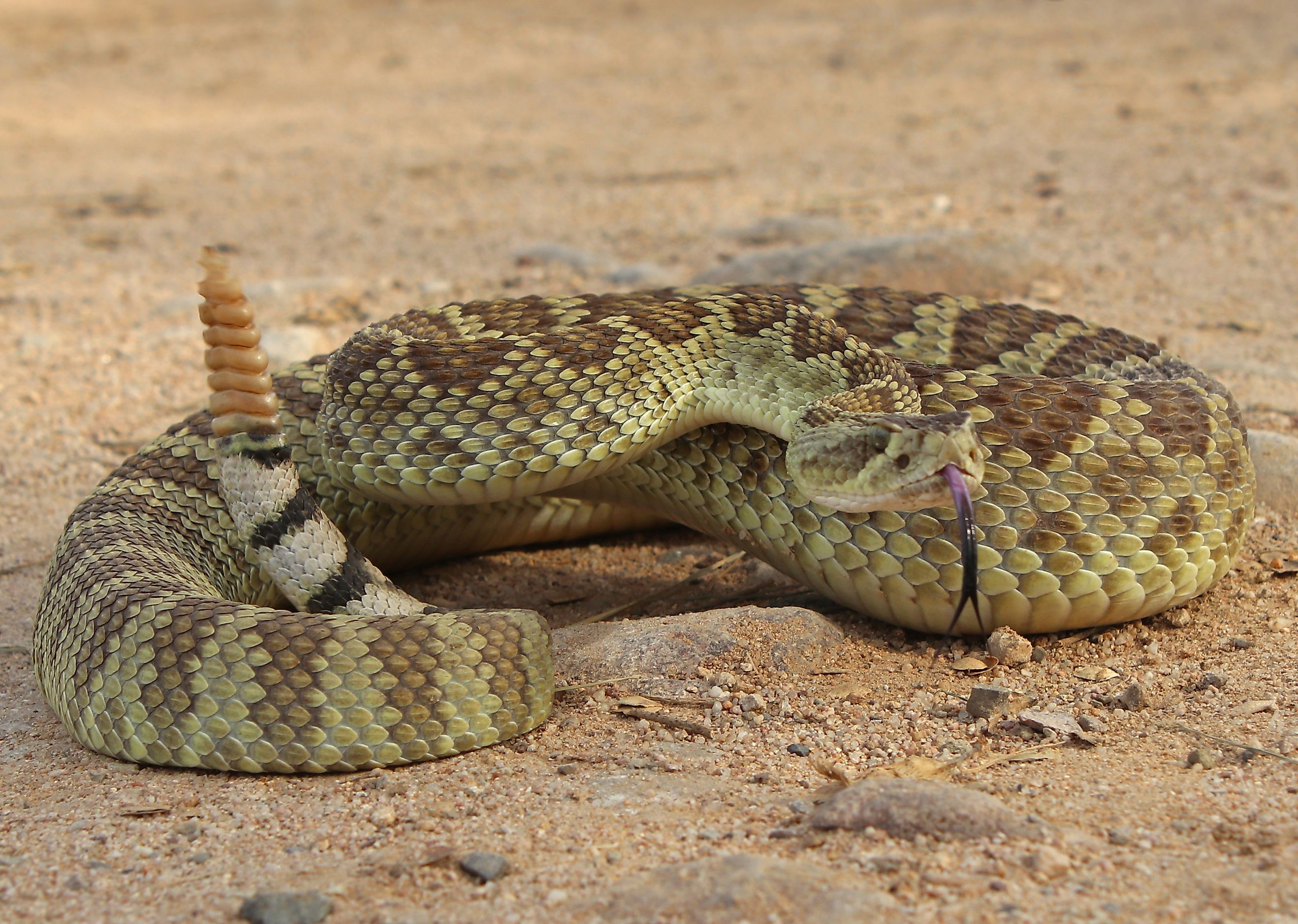
The State Parks With The Most Snakes In The United States
Across the country, state parks protect a wide variety of landscapes that are home to many kinds of snakes. In Texas, five species of rattlesnakes inhabit the rocky desert terrain of Hueco Tanks State Park. In Georgia, watersnakes, cottonmouths, and other reptiles occur in the coastal marshes and woodlands of Fort McAllister State Historic Park. These six sites stand out for their snake diversity, with reported species counts exceeding 30 in some locations. Their habitats include desert canyons, grasslands, coastal wetlands, and forested mountains.
Caprock Canyons State Park, Texas
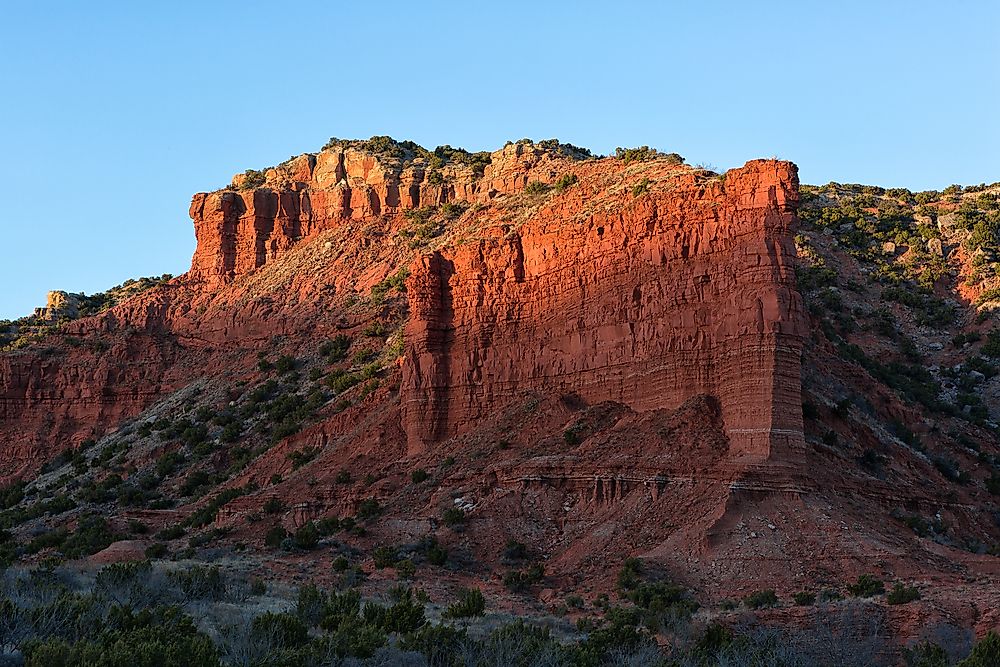
Spanning approximately 17,500 acres following recent land acquisitions, Caprock Canyons State Park is located in the Texas Panhandle. The park lies along the Caprock Escarpment, a steep geological boundary separating the elevated Llano Estacado to the west from the lower Rolling Plains to the east. Its rugged terrain includes red sandstone cliffs, steep canyons, and grasslands.

More than 30 species of snakes live in the park's varied terrain, according to Texas Parks and Wildlife. Short-grass prairie stretches above the escarpment, while juniper and scrub oak grow in the canyons. Bottomlands along the Little Red River and its tributaries add wetter ground. Among the park's venomous reptiles is the prairie rattlesnake (Crotalus viridis), which inhabits grasslands and other open environments. Snakes shelter on rocky slopes and in crevices, and the park's waterways and vegetation draw still more species.
Hueco Tanks State Park, Texas

Hueco Tanks State Park protects approximately 860 acres in the Chihuahuan Desert of West Texas. Located within the Hueco Bolson east of El Paso, the park is known for its massive rock formations and natural depressions called huecos. These hollows collect rainwater following storms, sometimes retaining it for extended periods. The resulting water sources sustain plants and wildlife in an otherwise arid landscape.

According to Texas Parks and Wildlife, Hueco Tanks is home to 30 species of snakes, including five rattlesnake species. The prairie rattlesnake (Crotalus viridis), black-tailed rattlesnake (Crotalus molossus), Mojave rattlesnake (Crotalus scutulatus), mottled rock rattlesnake (Crotalus lepidus), and western diamondback rattlesnake (Crotalus atrox) have all been observed in the park. These species use the desert scrub, grasslands, and rocky terrain for hunting and shelter. The many cracks and crevices in the rock formations also shield them from extreme temperatures.
Fort McAllister State Historic Park, Georgia

Fort McAllister State Historic Park occupies approximately 1,725 acres along the south bank of the Ogeechee River near Georgia's Atlantic coast. The park protects the remains of a Civil War fortification alongside coastal woodlands and salt marshes. Large live oaks draped in Spanish moss grow throughout the grounds, while tidal wetlands extend along the river. These environments suit both terrestrial and semi-aquatic snakes.

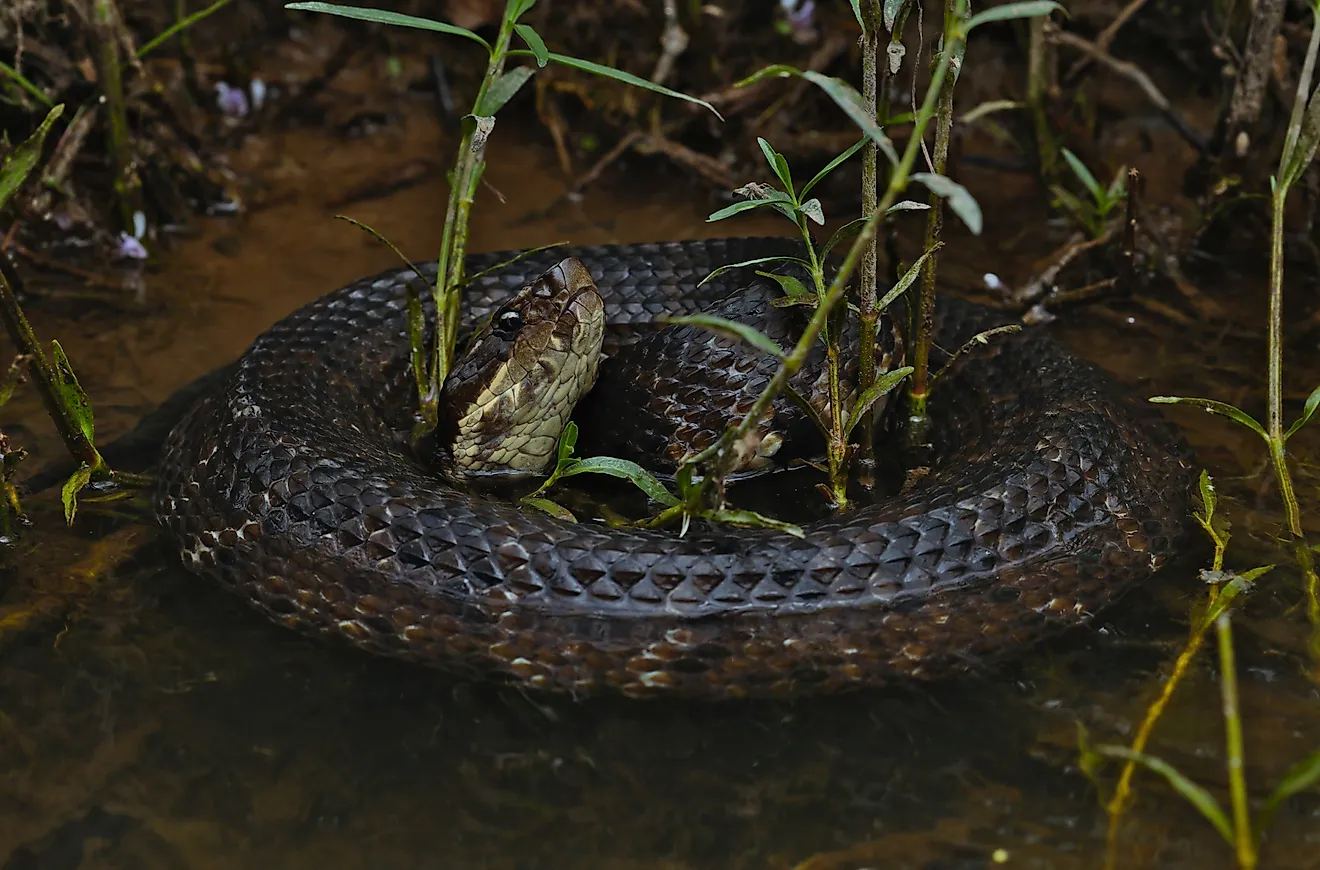
Park personnel have reported approximately 30 snake species at Fort McAllister, including Georgia's venomous species. The coastal region offers suitable conditions for eastern diamondback rattlesnakes (Crotalus adamanteus), which inhabit dry, sandy environments and can swim when necessary. Cottonmouths (Agkistrodon piscivorus) are associated with wetlands and waterways, where they feed on fish, amphibians, and other prey. Nonvenomous watersnakes also inhabit aquatic environments. Together, the coastal forest, marshland, and river contribute to the park's wide variety of snakes.
Anza-Borrego Desert State Park, California

Anza-Borrego Desert State Park is California's largest state park, encompassing more than 600,000 acres of the Colorado Desert. Its landscapes include badlands, slot canyons, rocky mountains, and cactus-studded slopes. Elevations range from below sea level to more than 6,000 feet, creating substantial differences in temperature and vegetation. The park's location near the Mojave Desert and coastal mountain ranges further contributes to the variety of reptiles.

A conservation assessment identified suitable habitat within the geographic ranges of 24 snake species and four additional subspecies in the Anza-Borrego core area. Among the snakes associated with the park are the night snake (Hypsiglena ochrorhyncha), red diamondback rattlesnake (Crotalus ruber), Colorado Desert sidewinder (Crotalus cerastes laterorepens), southwestern speckled rattlesnake (Crotalus pyrrhus), and Sonoran gopher snake (Pituophis catenifer affinis). Their distribution depends on factors such as elevation, vegetation, and terrain. Rattlesnakes shelter among rocky outcrops, while sidewinders and other burrowing or ground-dwelling species favor sandy desert ground.
Douthat State Park, Virginia

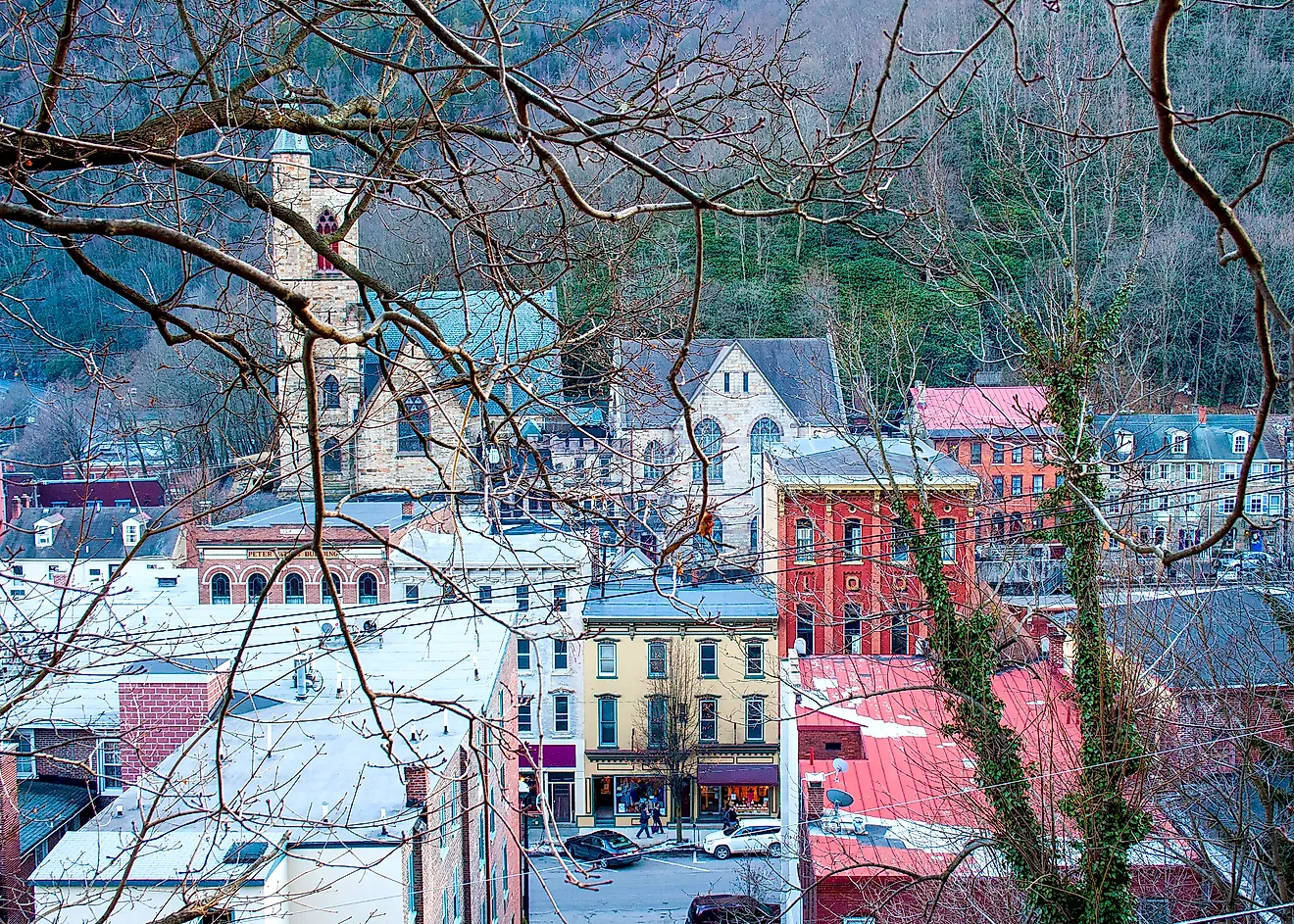
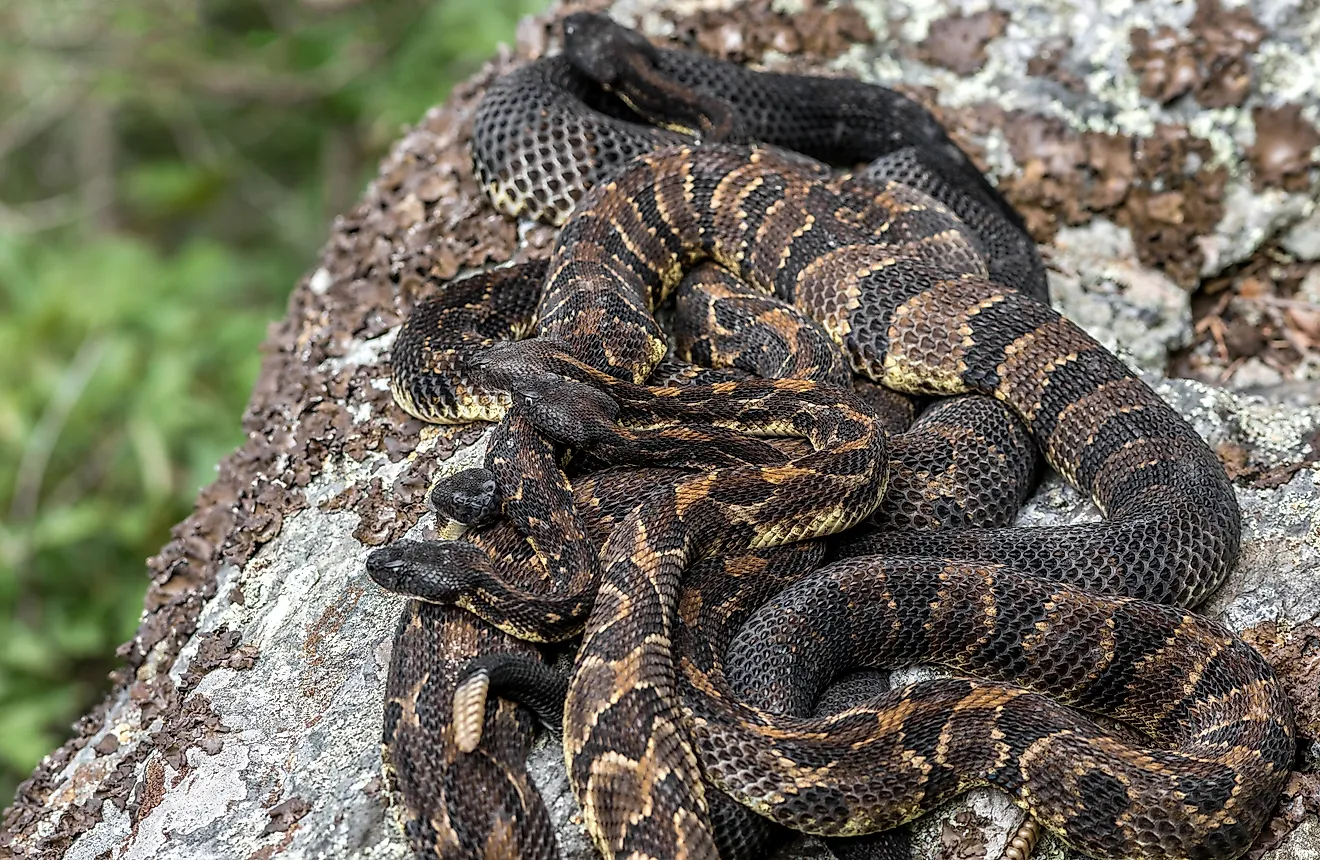
Douthat State Park encompasses approximately 4,545 acres in Virginia's Allegheny Highlands. Its landscape includes forested mountains, rocky slopes, streams, and the 50-acre Douthat Lake. The park's varied elevations and extensive woodland suit many reptiles. Rocky outcrops and crevices offer shelter and potential winter denning sites for timber rattlesnakes (Crotalus horridus).

Virginia State Parks reports approximately 18 species of snakes living in and around Douthat, including two venomous species: the timber rattlesnake and eastern copperhead (Agkistrodon contortrix). Timber rattlesnakes are associated with forested mountainous terrain and rocky den sites, while copperheads occupy wooded slopes and areas with dense low vegetation. The remaining snake species are nonvenomous. Although some harmless snakes may resemble venomous species in coloration or defensive behavior, most avoid people when left undisturbed.
Little Manatee River State Park, Florida

The Little Manatee River flows approximately 4.5 miles through Little Manatee River State Park in southwest Florida. The park protects more than 2,400 acres of land surrounding one of the region's relatively undisturbed blackwater rivers. Its natural communities include sand pine and oak scrub, pine flatwoods, oxbow wetlands, depression marshes, and baygalls. This mix of upland and wetland environments suits snakes with different ecological requirements.

Many snake species live in the park, including the federally threatened eastern indigo snake (Drymarchon couperi). This large, nonvenomous species is threatened by habitat loss, fragmentation, and vehicle strikes. Florida State Parks identifies the southern black racer (Coluber constrictor priapus), yellow rat snake (Pantherophis alleghaniensis), corn snake (Pantherophis guttatus), and ring-necked snake (Diadophis punctatus) among the park's commonly encountered snakes. Venomous species include the eastern diamondback rattlesnake, pygmy rattlesnake, cottonmouth, and eastern coral snake. The park's wetlands, scrubland, and forest give these reptiles places to feed and shelter.
Snakes in the States
Desert canyons in the Southwest and wetlands in the Southeast give these six state parks very different snake communities. Rattlesnakes shelter in rocky canyons, while watersnakes and cottonmouths frequent rivers and marshes. Forested mountains and coastal woodlands accommodate still more species. Although some are venomous, most snakes pose little danger when left undisturbed, and all play important roles in their ecosystems as predators and prey.