The Quietest Beach Towns On The Pacific Coast
In Pescadero, California, the biggest crowd of the day usually gathers around bowls of artichoke soup at a historic tavern on the main street. That is about as busy as some Pacific Coast beach towns get. There is no boardwalk, no strip of souvenir shops, and often not even a stoplight. Parking is easy, and on a weekday the sand may be nearly empty. In towns like these, a long walk on the beach is still the main event.
Pescadero, California

Pescadero is a tiny farm town a short drive inland from some of the quietest beaches on the San Mateo Coast. Its main street has a general store, the tavern, and little else, and fields of artichokes and pumpkins surround the town.
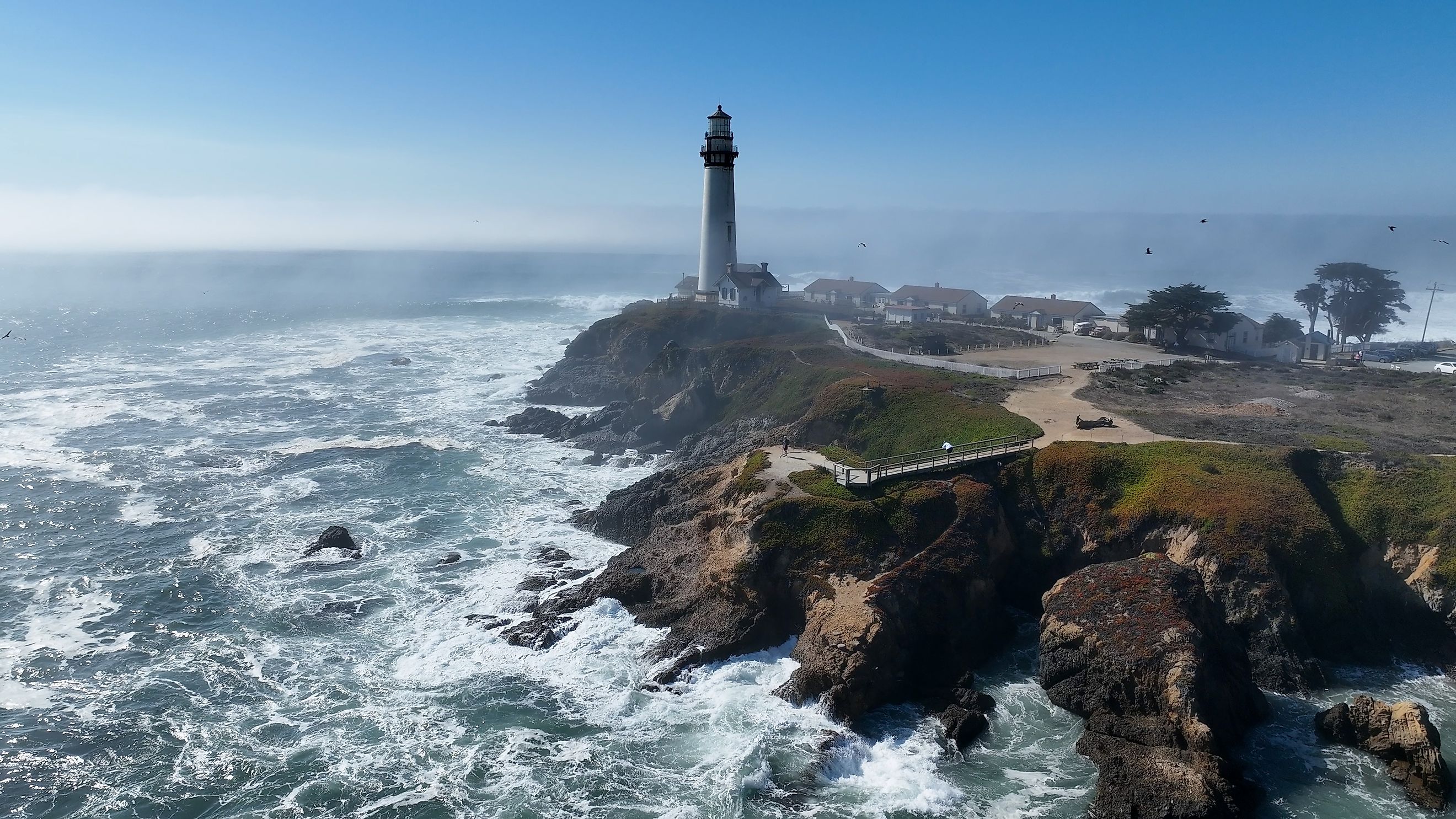
Pescadero State Beach and its marsh preserve sit right at the mouth of the creek, and Bean Hollow State Beach, just south, has rocky tide pools and sand made of tiny polished pebbles. Farther south, Pigeon Point Lighthouse, one of the tallest on the West Coast, stands above the waves. The elephant seals of Año Nuevo State Park come ashore each winter.
Montara, California

Montara is a small residential village on a stretch of coast where the mountains drop straight to the sea. There is no real downtown, just a few cafes and homes set in the hills above Montara State Beach, a wide, sandy cove framed by cliffs.
Gray Whale Cove, just north, is a small beach reached by a staircase from the highway. A few minutes south, the Fitzgerald Marine Reserve has some of the best tide pools in Northern California, and the McNee Ranch trails climb Montara Mountain for wide ocean views. The historic Point Montara Lighthouse grounds sit above the surf.
The Sea Ranch, California

The Sea Ranch, on the Sonoma Coast, was planned in the 1960s around a simple idea, which was to let the landscape come first. Homes are built of natural wood that weathers to gray, lawns are discouraged, and there are almost no stores. The result is a coastline of meadows, cypress windbreaks, and quiet homes that blend into the bluffs.
A long blufftop trail runs through the community, and several public access trails lead down to small beaches such as Walk-On Beach and Shell Beach. The Sea Ranch Chapel, a tiny building with a curving roof and stained glass, is open to visitors and is one of the most unusual buildings on the coast.
Gualala, California

Gualala sits where the Gualala River meets the ocean at the southern edge of Mendocino County. Its small commercial strip along Highway 1 has a grocery store, a few galleries, and restaurants. The pace is slow, and the river mouth is the main attraction.
Gualala Point Regional Park, on the Sonoma side of the river, has trails along the bluffs and a beach at the river's sandbar, where seals and seabirds often gather. The Gualala Arts Center hosts exhibits and concerts, and quiet beaches and coves line the coast for miles in both directions.
Waldport, Oregon

Waldport sits on Alsea Bay on the central Oregon Coast, between busier beach towns to the north and south. Most visitors drive straight through, leaving its long beaches and calm bay to locals, crabbers, and clam diggers.
The Alsea Bay Bridge Interpretive Center tells the story of the coast highway and its graceful bridges, and the beach at Governor Patterson Memorial State Recreation Site, just south of town, stretches for miles. Renting a crab ring and spending an afternoon on the bay docks is a classic Waldport pastime.
Otter Rock, Oregon

Otter Rock is a tiny village perched on a headland north of Newport, with a handful of homes, a seafood restaurant, and a small surf shop. It is so small that many travelers miss the turnoff from the highway entirely.
The village's highlight is the Devils Punchbowl State Natural Area, a collapsed sea cave where waves churn and crash during high tide. Below the headland, Otter Rock's beach is a popular spot for beginning surfers. Just to the north, Beverly Beach State Park offers miles of sand and a forested campground.
Arch Cape, Oregon

Arch Cape, on the north Oregon Coast just south of Cannon Beach, is almost entirely residential. It has no restaurants or shops, just homes among the trees above a long, quiet beach. Highway 101 passes through a tunnel cut into the headland at the south end of the community, one of the few highway tunnels on the coast.
At low tide, visitors can walk north along the beach to Hug Point, where a waterfall spills onto the sand and an old road carved into the rocks once let stagecoaches pass. To the south, Oswald West State Park offers rainforest trails and Short Sand Beach, a sheltered cove popular with surfers.
Moclips, Washington

Moclips sits near the northern end of Washington's coastal highway, where the road ends near the Quinault Indian Reservation. The small community has a few motels, a museum, and homes scattered along a long, flat beach backed by forest.
The Museum of the North Beach tells the story of the area's early resorts and railroads. During seasonal openings, families come to dig for razor clams on the sand, a tradition along the Washington coast. Pacific Beach State Park, just south, offers more beach and campsites, and the planned village of Seabrook is a short drive away for supplies.
Finding Your Quiet Beach
These beach towns stay quiet because they skip the boardwalks and big hotels. What they offer instead is space, with long beaches, empty coves, and evenings with nothing but the sound of the surf. Go midweek, bring a picnic, and check the tide tables before you head out.