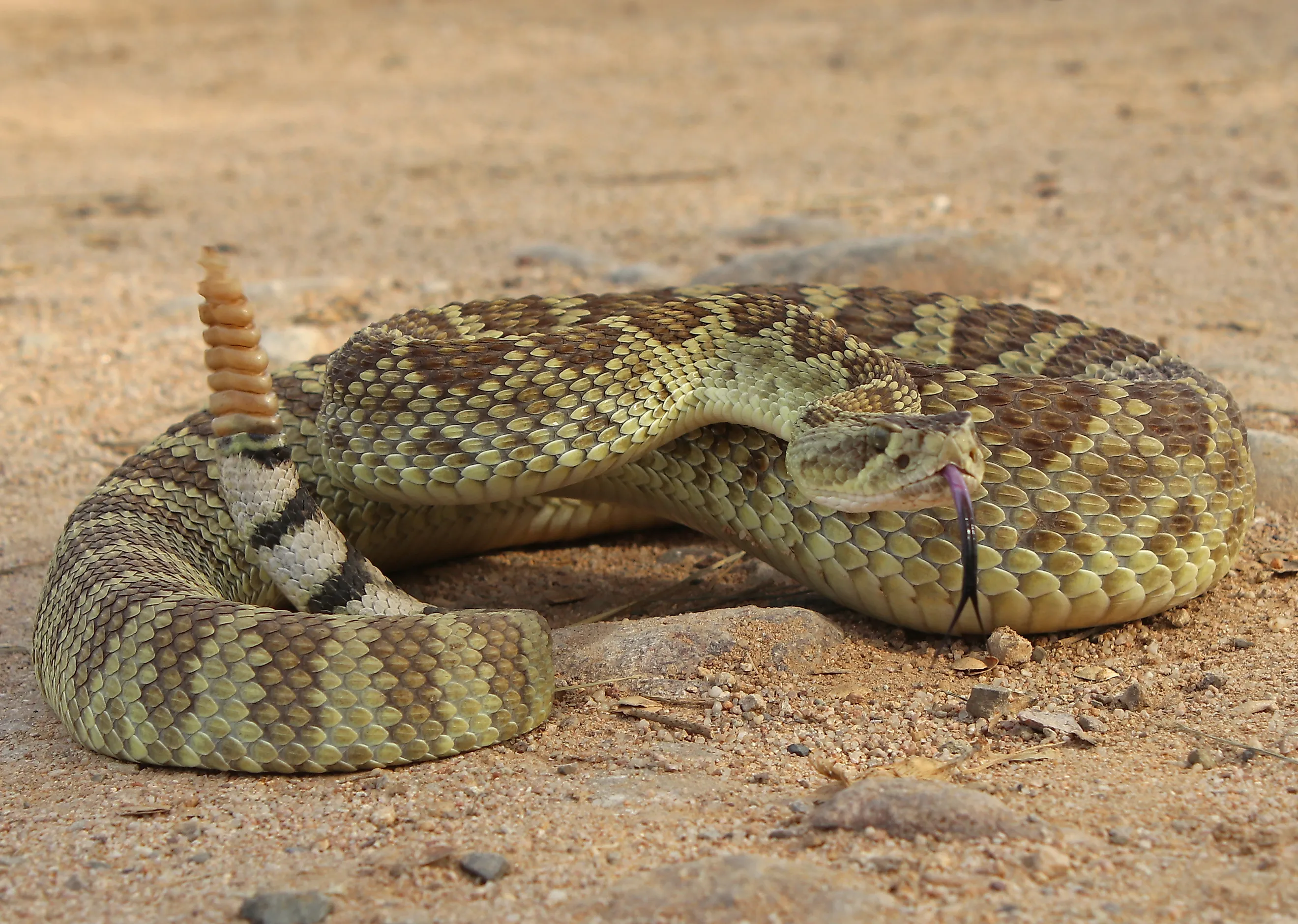
The Snake Infested State Parks In The Southwest
Arizona has 13 rattlesnake species, more than any other state in the country. New Mexico holds around 50 snake species and Nevada about 28. Which makes the Southwest the one region where the useful question is not whether a state park has rattlesnakes but which ones, because a sidewinder and a Mojave rattlesnake have almost nothing in common beyond the rattle. These eight parks are the region's most snake-active. Each one is known for a different species, and only one of those species changes what a bite means.
Lost Dutchman State Park, Arizona

Forty miles east of Phoenix at the base of the Superstition Mountains in Arizona, this is the most reliably snake-active state park in Arizona.
The western diamondback is the most common rattlesnake in the state and Lost Dutchman is no exception, with the species using the saguaro flats and the rocky apron below the mountains. Sidewinders occur in the looser sand, and the Sonoran Desert habitat supports a long list of harmless species alongside them.
The Treasure Loop and Siphon Draw trails climb straight into the talus, which is where the basking happens on spring mornings.
Catalina State Park, Arizona

At the foot of the Santa Catalina Mountains north of Tucson, Catalina holds the one Southwest species that is not a pit viper.
The Sonoran coral snake occurs here, a small banded elapid related to cobras rather than rattlesnakes, with a neurotoxic venom and a famously reluctant disposition. It is rarely seen and almost never bites.
Western diamondbacks, black-tailed rattlesnakes and tiger rattlesnakes share the park, which sits in the single richest rattlesnake county in the United States.
Valley Of Fire State Park, Nevada

Nevada's oldest and most visited state park is also its most snake-active, and the red Aztec sandstone is the reason.
The rock holds heat long after sunset and is cracked through with crevices, which suits speckled rattlesnakes and sidewinders equally. Mojave rattlesnakes occur in the surrounding creosote flats.
Gila monsters also live here, and they are worth knowing about. The venomous lizard is slow, retiring and protected by Nevada law, and the only realistic way to be bitten is to pick one up.
Snow Canyon State Park, Utah

Southwestern Utah is the only part of the state inside the Mojave Desert, and Snow Canyon sits in the middle of it.
That gives the park a species list the rest of Utah does not have. Speckled rattlesnakes and sidewinders occur here alongside the Great Basin rattlesnake, using Navajo sandstone cliffs, lava flows and dune fields within one boundary.
The park lies inside the Red Cliffs Desert Reserve, which also protects the Mojave desert tortoise, and the same cover works for both.
Elephant Butte Lake State Park, New Mexico

New Mexico's largest reservoir is the state park most associated with its most dangerous snake.
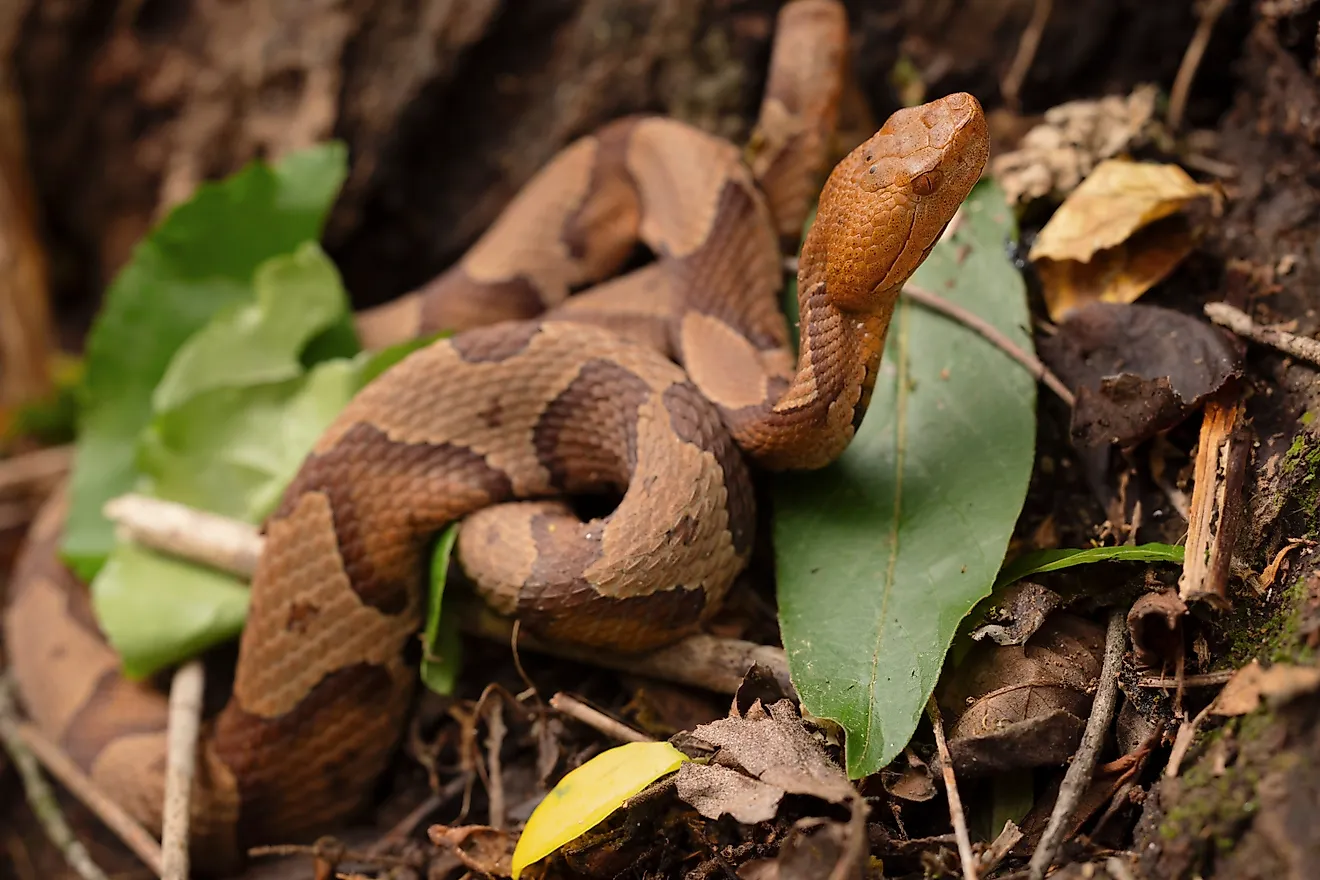
The Mojave rattlesnake occurs around the lake, and it is the species worth being able to identify. Its venom is the most potent of any North American rattlesnake, carrying a neurotoxic component that most rattlesnakes lack entirely.
Western diamondbacks are more numerous and the two look alike. The tail is the tell: the Mojave shows white bands noticeably wider than the black ones, while the diamondback's are roughly equal.
City Of Rocks State Park, New Mexico

The park is a field of volcanic monoliths standing up to 40 feet tall in the Chihuahuan Desert grassland, and the name describes the habitat exactly.
Rock rattlesnakes occur here, a small banded species that specializes in exactly this terrain and changes color regionally to match the stone it lives on. Western diamondbacks and black-tailed rattlesnakes use the same formations.
Campsites sit among the monoliths themselves, which puts tents directly against the crevices the snakes use.
Dead Horse Point State Park, Utah

The mesa overlooking the Colorado River outside Moab holds a rattlesnake most people have never heard of.
The midget faded rattlesnake is a small subspecies of the western rattlesnake found on the Colorado Plateau, and despite its size it carries a potent, partly neurotoxic venom. Great Basin gopher snakes are common here and are the ones most often mistaken for it.
At 5,900 feet this is the highest park on the list, which shortens the active season considerably compared with the desert parks below it.
Red Rock State Park, Arizona

Outside Sedona, Red Rock is a riparian park built around Oak Creek rather than open desert, and the water changes the species list.
Permanent flow through sandstone canyon supports black-tailed rattlesnakes and a heavy population of harmless species, including gopher snakes, kingsnakes and garter snakes along the creek.
Riparian corridors in dry country concentrate wildlife into narrow strips because everything needs the water, which is why a small park produces so many sightings.
Which One Actually Matters

Across all eight parks one species stands out, and the reason is chemistry rather than temper.
Most rattlesnake venom is primarily hemotoxic, destroying tissue and interfering with blood. The Mojave rattlesnake carries Mojave toxin, a neurotoxic component affecting the nervous system, and its venom is rated the most potent of any rattlesnake in North America.
Everything else on this list is a normal rattlesnake encounter, which means an animal that wants to be left alone and will warn you first. The Mojave behaves the same way. It is the consequences that differ.
The Short List
Lost Dutchman and Catalina lead on sheer species count, with Catalina adding the Sonoran coral snake. Valley of Fire has speckled rattlesnakes, sidewinders and Gila monsters in heat-holding sandstone. Elephant Butte is the Mojave rattlesnake park. City of Rocks has the rock rattlesnake, Dead Horse Point the midget faded, Snow Canyon Utah's only Mojave Desert species, and Red Rock the riparian list.
Arizona's 13 species make the headline. The practical version is shorter: in the Southwest the park tells you the species, the species tells you the behavior, and only one of them changes what a bite means.