The State Parks With The Most Timber Rattlesnakes
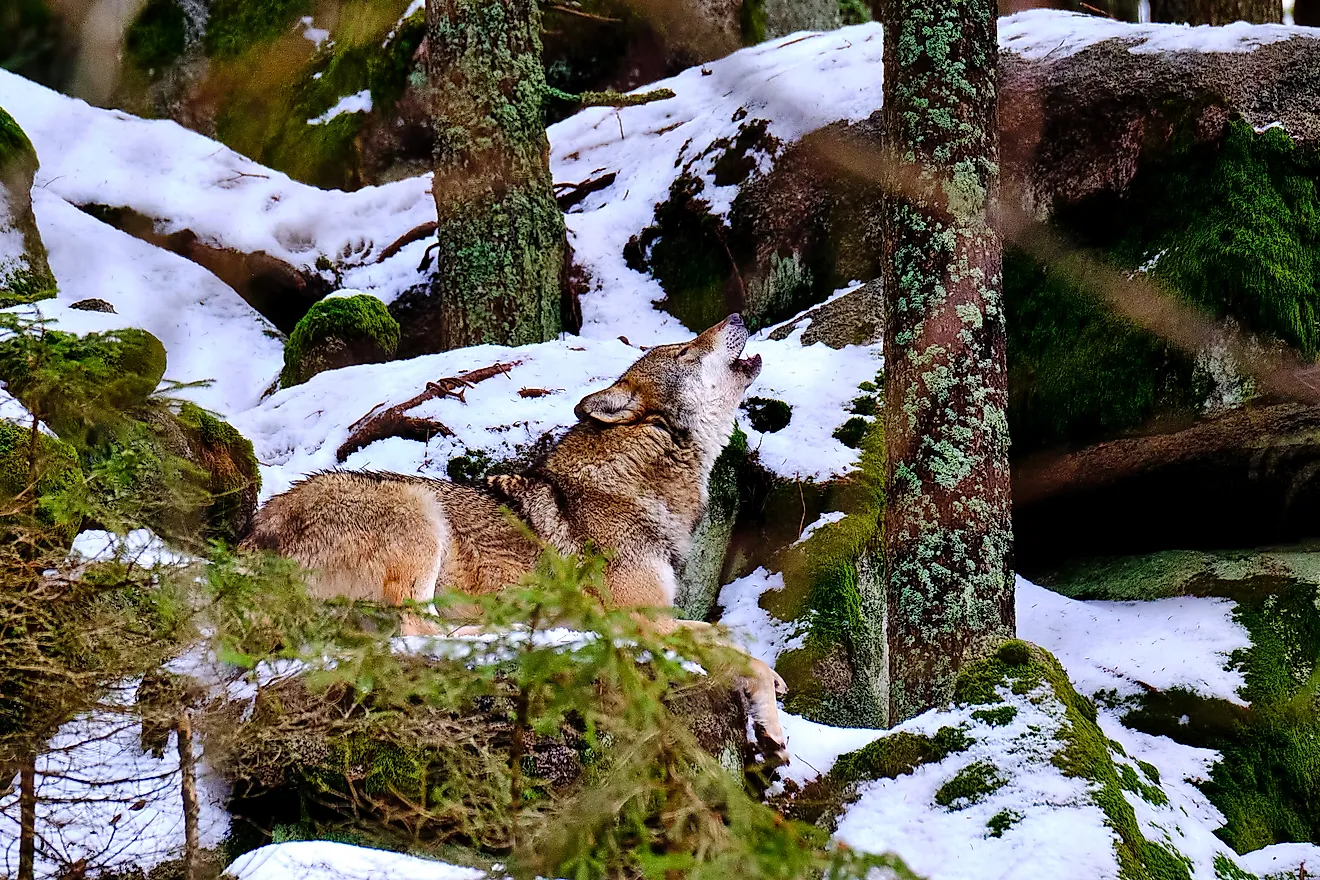
Timber rattlesnakes are the most widespread rattlesnake in the eastern United States, and four state parks stand out for the size of the populations there. At Brown County State Park in Indiana, staff have marked 115 snakes and located ten winter dens in a state where the species is endangered. Harriman and Sterling Forest State Parks in New York lie within the Highlands, where federal biologists recorded at least 30 den sites on the New York side alone. In all four parks, the snakes den in rocky ridges, bask on open ledges while pregnant, and spend the summer hunting chipmunks and squirrels in the oak woods, sometimes miles from the den.
Brown County State Park, Indiana

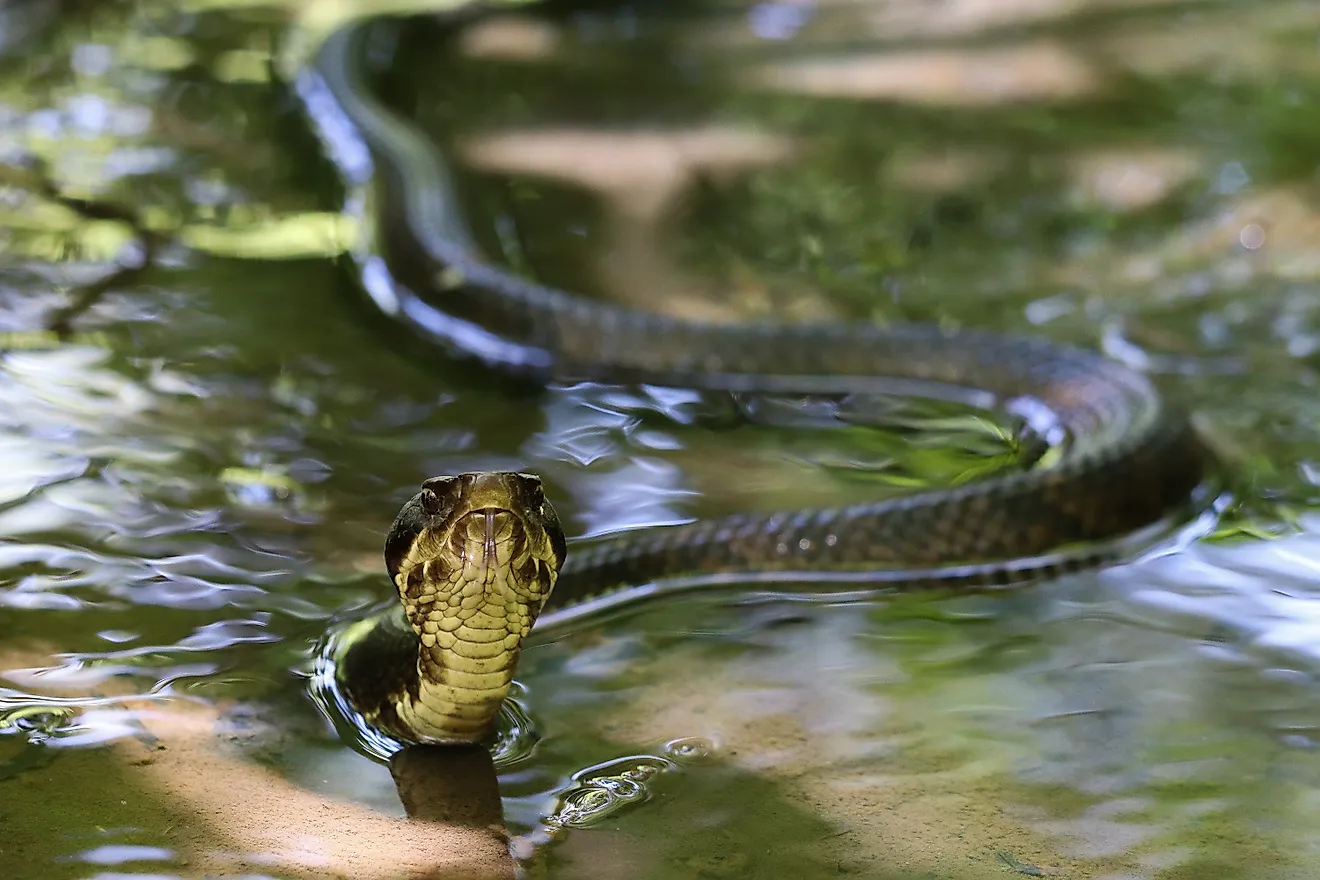
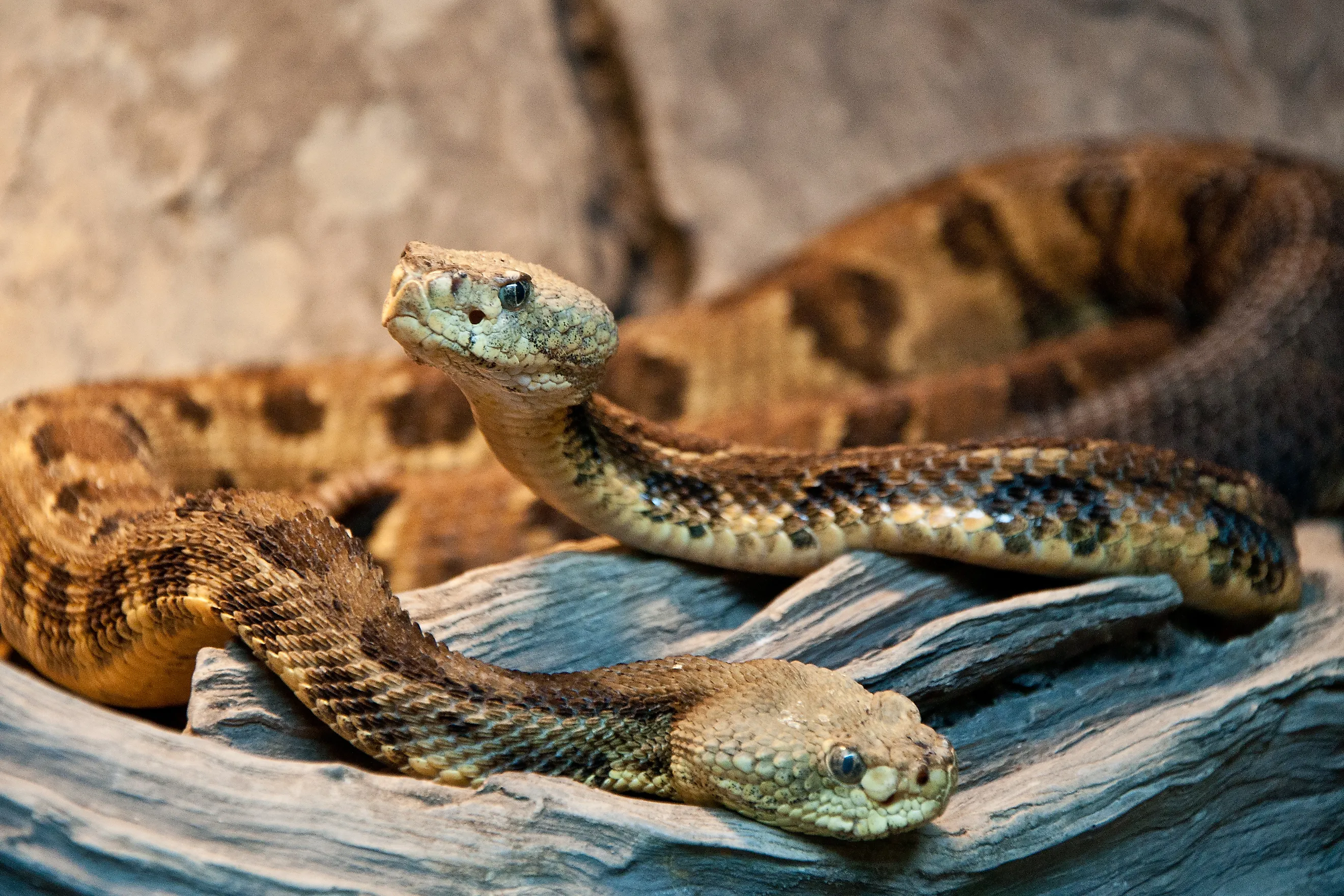
Brown County is Indiana's largest state park at nearly 16,000 acres and one of the few places in Indiana where timber rattlesnakes survive. The snakes den along dry, rocky ridgetops beneath mature oak and hickory and warm themselves in the small openings between the trees. Park biologists have recorded them feeding mainly on eastern chipmunks, gray squirrels, and birds. Most rattlesnakes here are yellow or brown; a black color phase is rare anywhere in the state. A coiled snake can remain motionless while waiting for a small mammal to approach.
Known dens lie mainly in undisturbed parts of the park. Males searching for mates in July and August move the most, and that is when encounters with visitors rise. Where rattlesnakes occur, staff keep picnic areas and campgrounds mowed and clear of woody debris, because the snakes avoid manicured ground. Hikers should look before placing hands on rock outcrops or reaching around fallen logs, and should report a snake near a picnic area or campsite to park staff. Park staff report that no visitor has been bitten by a timber rattlesnake here in 30 years.
Harriman State Park, New York

Harriman is the second-largest park in New York's state system at roughly 47,500 acres and one of the most snake-infested state parks in New York. Its roughly 200 miles of hiking trails cross part of a much larger rattlesnake landscape. The park adjoins Bear Mountain State Park, and the wooded uplands continue north toward West Point. In a habitat assessment of the New York Bight watershed, federal biologists named the Bear Mountain, Harriman, and West Point block as one of the important concentration areas for timber rattlesnakes in the Highlands.
The snakes overwinter in crevices where bare rock breaks through the wooded ridges. In New York the active season runs between late April and mid-October. Pregnant females spend the summer on warm, open ledges while males and nonpregnant females hunt in the surrounding forest. Most snakes travel 1.3 to 2.5 miles from the den over a summer, and males may range up to 5 miles. Dark crossbands blend into leaf litter, so even a large snake can be hard to pick out among woodland debris.
Sterling Forest State Park, New York

West of Harriman, Sterling Forest covers nearly 22,000 acres against the New Jersey border, most of it hardwood forest that stayed in private hands until a public purchase in 1998. Timber rattlesnakes occur broadly across the park, according to its trail plan. The same federal biologists recorded 10 known dens in the complex of ridges and valleys in and around Sterling Forest, one of the more important areas for the species anywhere in the Highlands. The snakes feed and find mates in the wooded ground between winter shelters, and a paved road is a barrier even where traffic is light. Cornell researchers who compared DNA from 19 dens in four New York regions, Sterling Forest among them, found that no genetic group spanned a road; snakes from the same group always had their winter dens on the same side. Major and minor roads both separated these groups, and the snakes isolated by roads carried less genetic diversity.
Hanging Rock State Park, North Carolina

Hanging Rock's rattlesnakes occupy the Sauratown Mountains, an isolated range of monadnocks rising above the North Carolina Piedmont, and the park ranks among North Carolina's most snake-infested state parks, with copperheads on the same slopes. In a field study that ran through the 1990s, biologist John Sealy examined 96 snakes in and around the park and fitted ten with radio transmitters. The snakes hibernated alone or in small groups at elevations between roughly 1,500 and 2,150 feet (466 to 655 m), with nine winter dens identified in the main study area. The largest group found in one den numbered three.
In summer the snakes spread across different parts of the mountain. Males and nonpregnant females favored woodland with a nearly closed canopy and rarely used open ground except to bask. Pregnant females used rocky sites where they could regulate their temperature, and a female needs to reach about 500 grams (just over a pound) before she can reproduce. One tracked mother gave birth to nine young beneath a rock slab and remained nearby while they basked before their first shed.
Snakes removed from campgrounds and picnic areas did not need to go far. Short-distance moves of no more than about 650 feet (200 m) worked in all 31 cases Sealy recorded, and Sealy recommended ending long-distance relocation in North Carolina state parks.
Why Moving a Rattlesnake Can Kill It

Returning to a familiar den is a matter of survival for a timber rattlesnake, which is why Brown County staff release displaced snakes close to where they were captured; a snake moved too far from its home range may fail to find a den and die over winter. A lost adult also takes years to replace. In New York, females take five to 11 years to mature and produce young only every three to five years, usually four to 14 at a time. Newborns stay with their mother for one to two weeks, shed their first skin, and then disperse. The practical rule is the same in all four parks. Keep at least six feet away, as New York's wildlife biologists recommend, and let the snake move off on its own.