Why Rattlesnakes Return To The Same Den Every Year
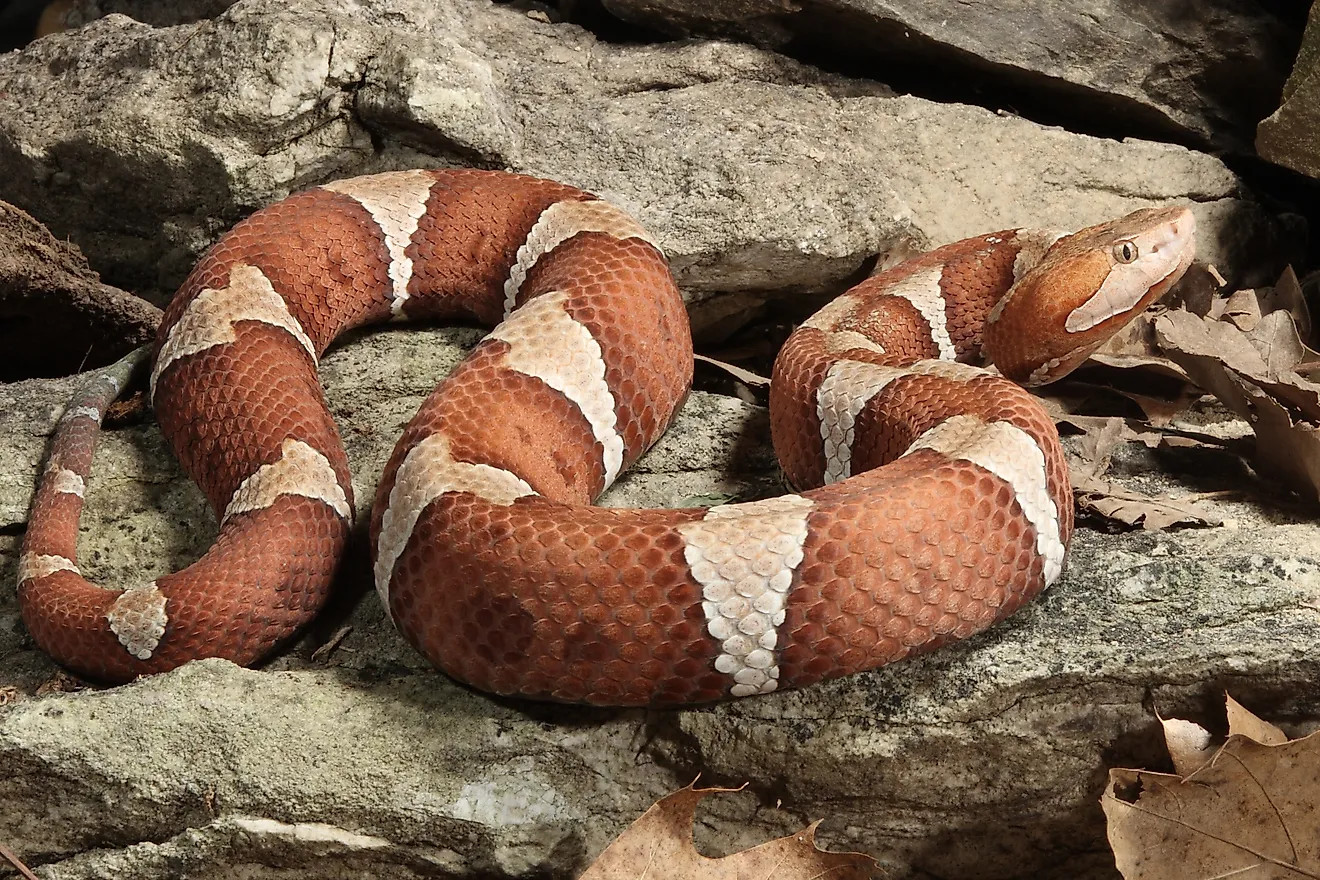
The strongest evidence for how firmly rattlesnakes hold onto a den comes from researchers trying to break the habit. In a translocation study at a protected Arizona site, more than half the displaced rattlesnakes made their way back to where they had been taken from. In British Columbia, 12 of 14 western rattlesnakes returned to within 500 meters of their capture point in under a month. Move one and it does not settle somewhere new. It tries to go home, and the attempt often kills it.
There Is Almost Nowhere Else To Go

Before any talk of navigation, the simplest explanation deserves stating, because it carries most of the weight.
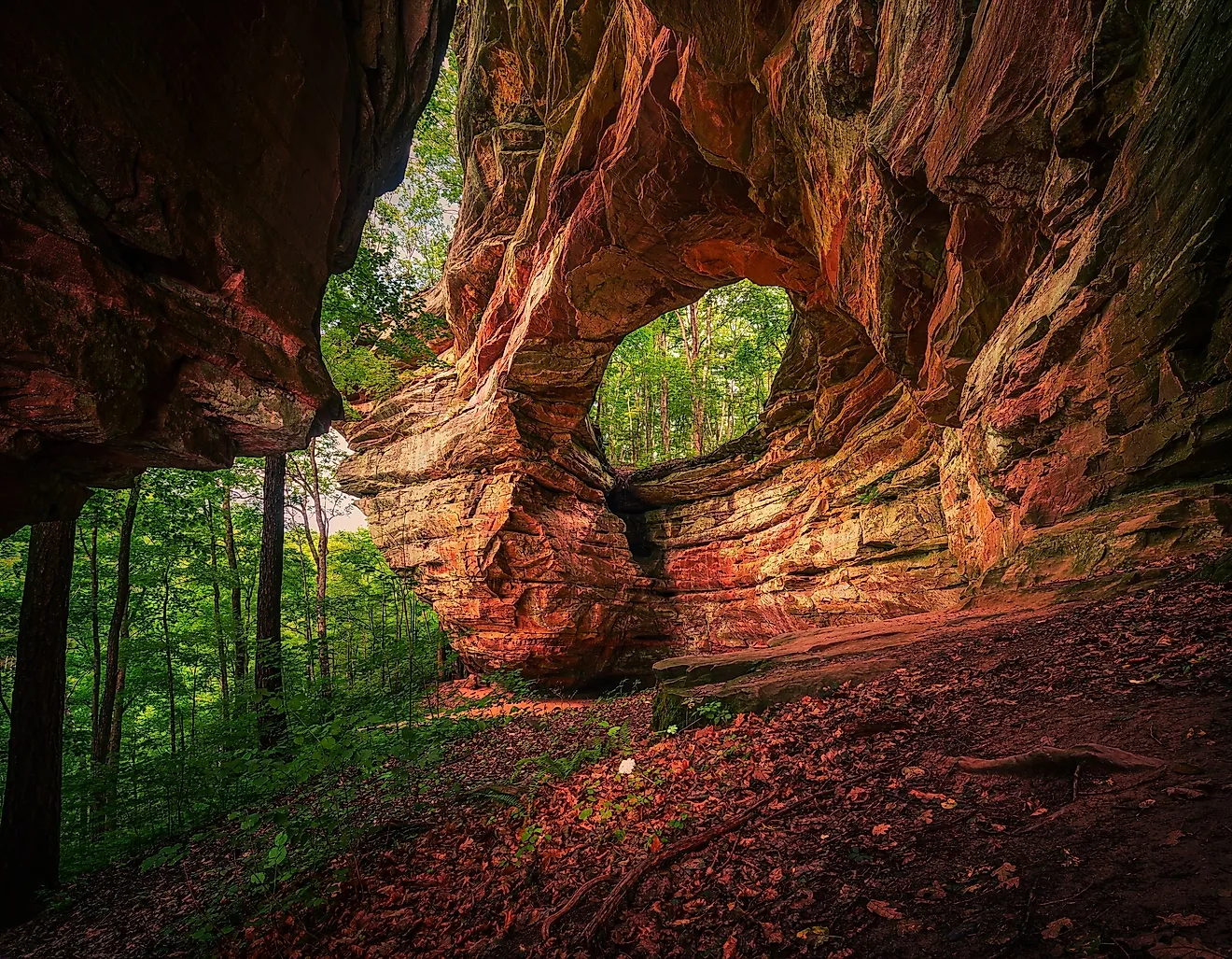
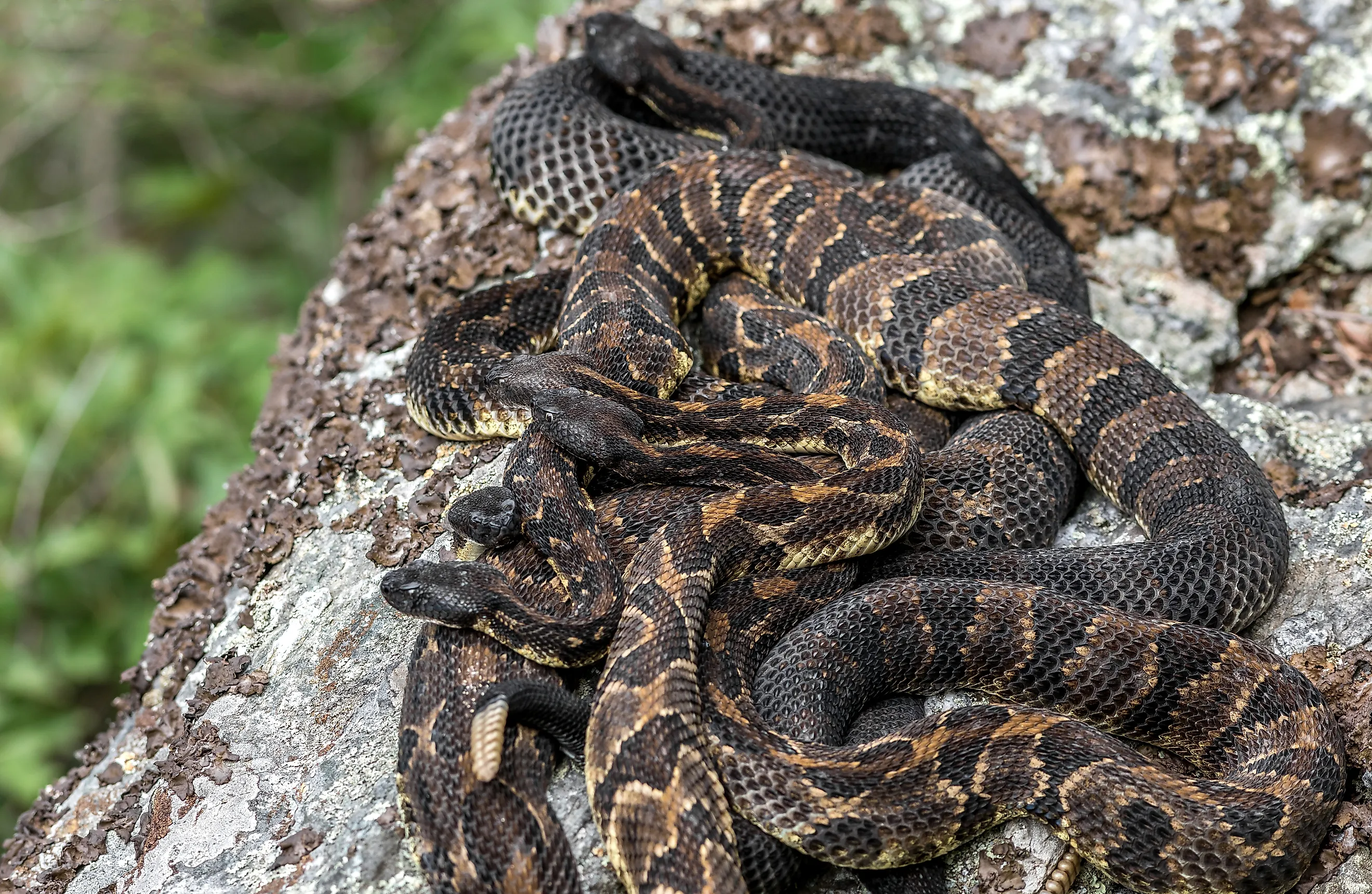
A den has to sit below the frost line, stay above freezing all winter, hold enough humidity to prevent dehydration and face south or west to catch the low sun. In most landscapes almost nothing meets that specification, which is why rattlesnakes overwinter communally at all.
Returning to the same crevice is not loyalty. It is the only address that works within reach.
Moving Them Makes Them Travel Further

The clearest measurement of fidelity is what happens to the movement patterns of relocated snakes.
Snakes subjected to long-distance translocation showed activity areas and mean daily movement distances 1.8 to 4.6 times larger than non-translocated snakes in the year they were moved. Those figures returned to normal the following year.
That is a year of wandering, covering several times the usual ground, in an animal built around sitting still and waiting.
And It Kills A Proportion Of Them

The extra travel has a cost, and several studies have measured it. Long-distance translocation has been associated with higher mortality in multiple studies, with abnormal movement rates increasing exposure to predation. A University of Idaho study of prairie rattlesnakes at Sinks Canyon State Park in Wyoming found both increased mortality and weight loss among relocated animals.
Short-distance translocation within an animal's existing home range produces far better outcomes, which is now the standard recommendation for nuisance removal.
Navigation Changes Their Brains

The most striking finding in this literature is anatomical rather than behavioral.
A study of free-ranging northern Pacific rattlesnakes found that experimentally increasing navigational demands produced measurable changes in the cortical forebrain. The researchers established a causal relationship between increased navigation in a free-ranging reptile and changes in brain morphology.
Moving a rattlesnake does not simply inconvenience it. It physically remodels part of the animal's brain in response to the problem it has been handed.
The Route Is Inherited Chemically

How a first-year snake finds a den it has never seen is what makes the fidelity self-sustaining.
Rattlesnakes lay pheromone trails and other snakes follow them, reading the chemical signature through the vomeronasal organ. Newborn timber rattlesnakes, born well away from the den, follow adult scent trails back to a place they have never visited.
The den's location is effectively passed down as a chemical record rather than a learned route. No individual has to discover it, which means no individual has to be capable of discovering it.
Which Makes The Trail The Weak Point

A system that depends on scent is only as durable as the ground it sits on. A road, a development or a cleared field across a migration route breaks the chemical record, and the neonates relying on it do not arrive. The adults may still manage by memory. The snakes that have never made the trip will not.
That is why habitat fragmentation damages these populations faster than the loss of area alone would suggest.
The Occupants Are Usually Related

Generations of return produce a genetic consequence that makes a den closer to a family than a shelter.
Timber rattlesnakes show high fidelity to hibernacula with only occasional exchange between sites, and the animals in a given den are consequently highly interrelated. Genetic work in New York found snakes in fragmented habitat staying within isolated islands, avoiding roads and mating within them.
Females show particular fidelity to the den where they were born, which keeps the lineage anchored to one rock face.
They Can Still Find Their Way Home
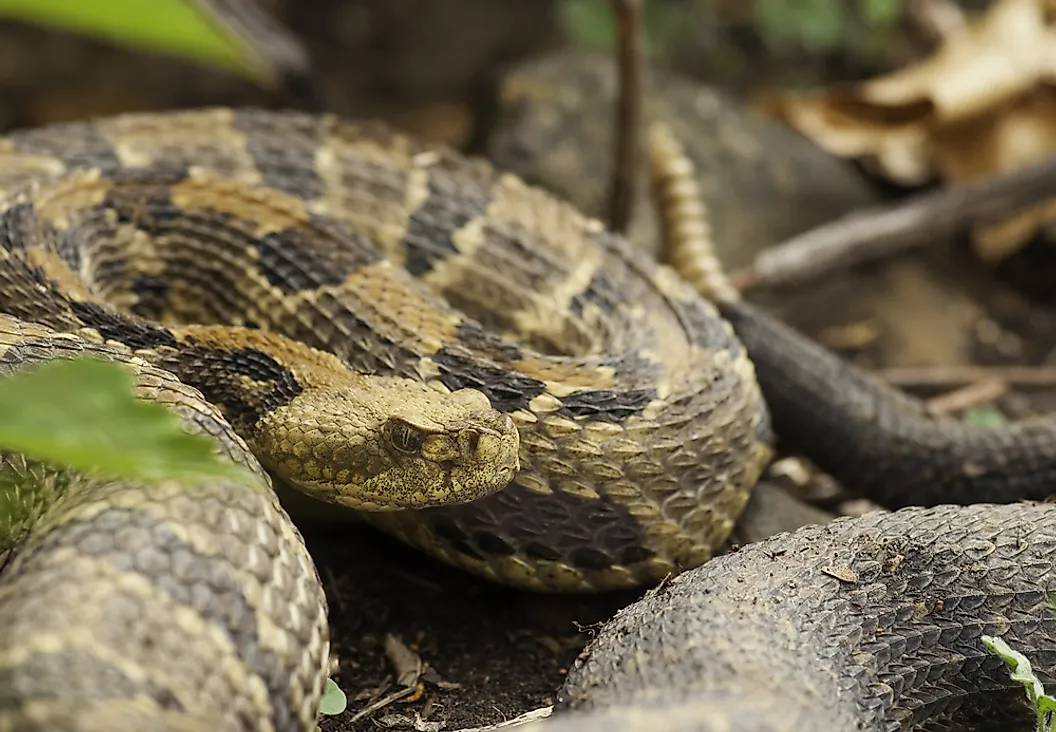
The homing ability itself is real and has been measured, even if the mechanism is not fully understood.
Researchers studying translocated western diamondbacks noted that rattlesnakes exhibit strong site fidelity and that homing may occur because familiar locations are learned, but added that the cues snakes use to orient and navigate are not well understood.
Which is a candid summary of the field. The behavior is unambiguous and the navigation underneath it is still partly unexplained.
Losing One Den Is Losing The Population

Everything above adds up to a conservation problem with no easy fix. Because an entire local population may use one hibernaculum, because the occupants are related, because females breed only every two to four years and because there is no documented natural recolonization of an extirpated den site, destroying one outcrop removes a breeding population permanently.
Artificial dens have been built and some have worked, including a successful timber rattlesnake relocation in Kansas, but the broader literature urges caution because mitigation translocations frequently fail.
The Short Answer

Rattlesnakes return to the same den because almost nothing else in the landscape meets the requirements, because the route is held as a pheromone trail that each generation inherits rather than learns, and because the alternative has been tested and goes badly.
Displaced snakes travel up to four and a half times further, suffer higher mortality, more than half of them come back anyway, and the effort measurably reshapes their forebrain. The den is not a preference. It is the only piece of the map they have.