The Florida State Parks Where Burmese Pythons Have Taken Over
Road surveys in Everglades National Park between 2003 and 2011 recorded 99.3 percent fewer raccoon sightings and 98.9 percent fewer opossum sightings than surveys in the late 1990s, and they found no rabbits at all. The losses coincided with the spread of Burmese pythons through the park.
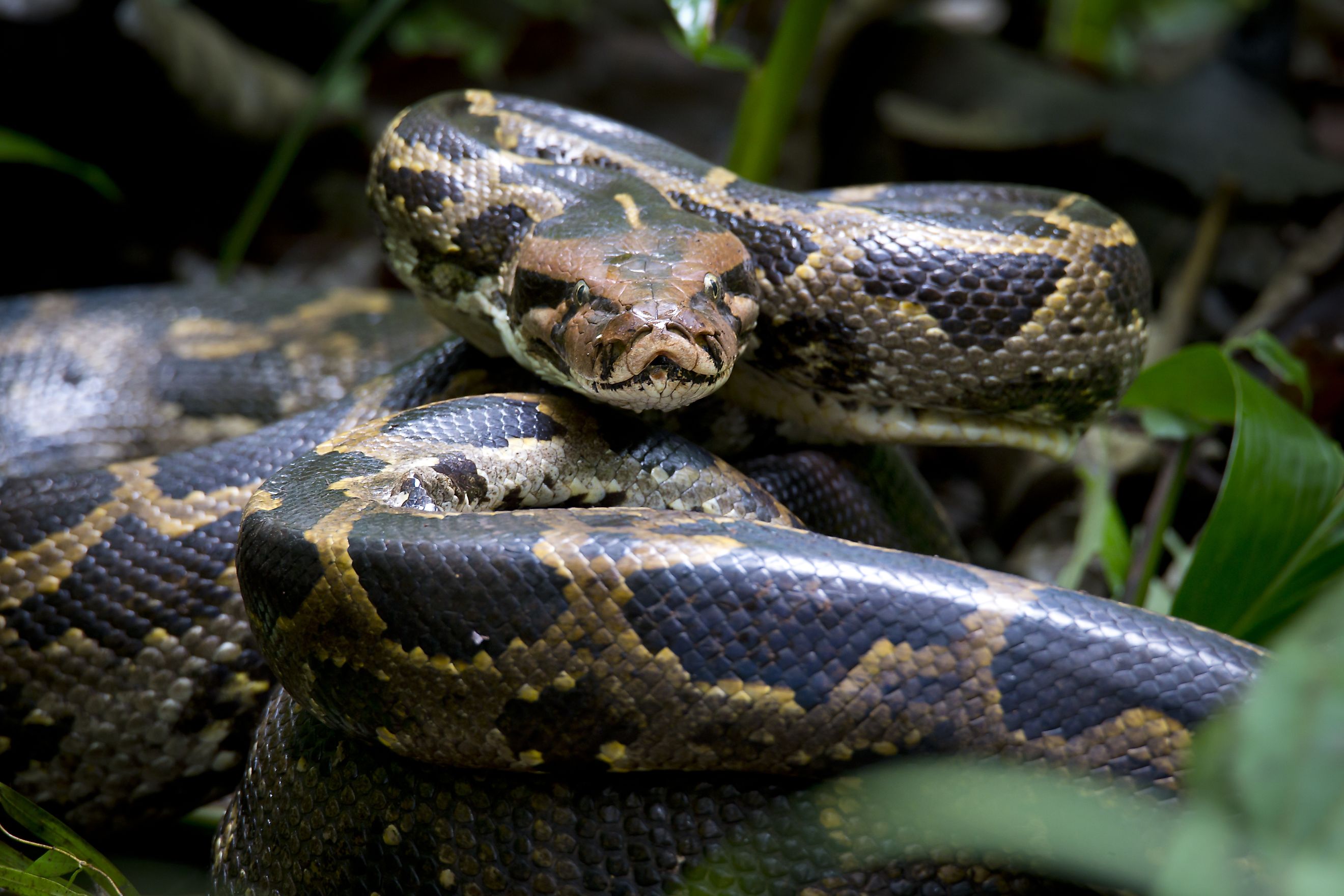
The first one recorded there was caught beside the Tamiami Trail in 1979, 13 years before Hurricane Andrew, the storm that often gets the blame for the invasion. About 17,000 Burmese pythons were imported into the United States for the pet trade between 1970 and 1995, and enough of them escaped or were released in South Florida to start a wild population.
That population has produced a 19-foot python, caught in Big Cypress National Preserve in July 2023, and a 215-pound female, found in Collier County in 2022, that was carrying 122 eggs.
The snakes no longer stay inside the national park. They have moved into Florida state parks, including a cypress strand swamp off the Tamiami Trail and a tropical hardwood forest at the top of the Florida Keys.
Fakahatchee Strand Preserve State Park

Florida's largest state park is a swamp. Fakahatchee Strand Preserve shares its western boundary with Picayune Strand State Forest and lies near Big Cypress National Preserve, where the 19-foot record python was caught. The Big Cypress Bend Boardwalk runs 2,500 feet into the strand, and from Janes Memorial Scenic Drive, the West Main Tram crosses two miles of strand swamp before it opens onto marl prairie. Water on the park's eastern side drains toward the Everglades, and the preserve belongs to the same ecosystem the pythons have colonized.
In a swamp this size, pythons tend to be found by people looking for something else. An exotic plant treatment crew collected one near the borrow pit lakes in the park's northeast corner in January 2007. In early 2012, a dead python turned up floating upside down in the canal along US 41, most likely hit by a vehicle, and that year the park's support group, the Friends of Fakahatchee, described python numbers there as very low. The endangered Florida panther lives in the park, and its 2026 draft management plan names the invasion of Burmese pythons as the major threat to the preserve's imperiled species and calls for removing the snakes through road cruising surveys and chance sightings.
Collier-Seminole State Park

West along the Tamiami Trail, in Collier-Seminole State Park south of Naples, biologists found a female python in April 2015 that had just swallowed a white-tailed deer fawn.
The snake was 11 feet long and weighed 31.5 pounds. The fawn, young enough to still be nursing, weighed 35 pounds, more than the python that ate it. The Conservancy of Southwest Florida documented the case in the journal Herpetological Review in 2018, and the park is one of the sites where the Conservancy works with land managers on its python program.
Canoes rent on site for the park's 13.5-mile canoe trail, and a boat ramp gives boats access to the Blackwater River, which begins inside the park. Collier-Seminole lies partly within South Florida's mangrove swamp and covers one of the three original stands of royal palm in Florida.
Dagny Johnson Key Largo Hammock Botanical State Park

The Key Largo woodrat lives nowhere in the world except the north end of Key Largo, and part of its remaining forest is protected in Dagny Johnson Key Largo Hammock Botanical State Park. The park holds one of the largest tracts of West Indian tropical hardwood hammock in the United States, with 84 protected species of plants and animals and more than six miles of nature trails for birdwatchers and photographers. Pythons were first detected on North Key Largo in 2007. More than 60 have been captured on the island since then, according to the US Geological Survey, and in 2016 researchers found evidence that they were breeding there.
To find more of the snakes, USGS researchers radio-tag scout pythons that lead them to other pythons, and the park is one of their project sites. Necropsies of pythons caught on the island show they have been eating woodrats. The endangered Key Largo cotton mouse and the American crocodile may also be prey.
Python country now reaches well north of these three parks. The Florida Fish and Wildlife Conservation Commission considers Burmese pythons established in a portion of western Charlotte County, northwest of Fort Myers, around Rotonda West, Placida, Englewood East, and South Gulf Cove, after reports there started climbing in 2020. The county also holds part of Charlotte Harbor Preserve State Park, the third-largest state park in Florida, which protects more than 100 miles of Charlotte Harbor shoreline across 45,387 acres of mangrove forest, marsh, scrub, and pine flatwoods in Charlotte and Lee counties. The agency's observed data do not point to a natural migration north from the Everglades. FWC believes the Charlotte County snakes were captive animals that escaped or were released, the same pet-trade route researchers credit for the Everglades population.