The Most Snake Infested Rivers In Colorado
Colorado has around 107,000 miles of river coursing through it, spread across 158 named rivers in the state. Despite having so many rivers, the eastern plains region has a noticeable lack of water, and many of Colorado’s rivers are dry for most of the year. The terrain, consisting of layered rocks, sandstone, and limestone, is covered by vegetation and provides ample habitat for prairie dogs, jackrabbits, coyotes, antelope, and snakes, of which the state is home to 29 different species. These are the most snake-infested rivers in Colorado.
Colorado River

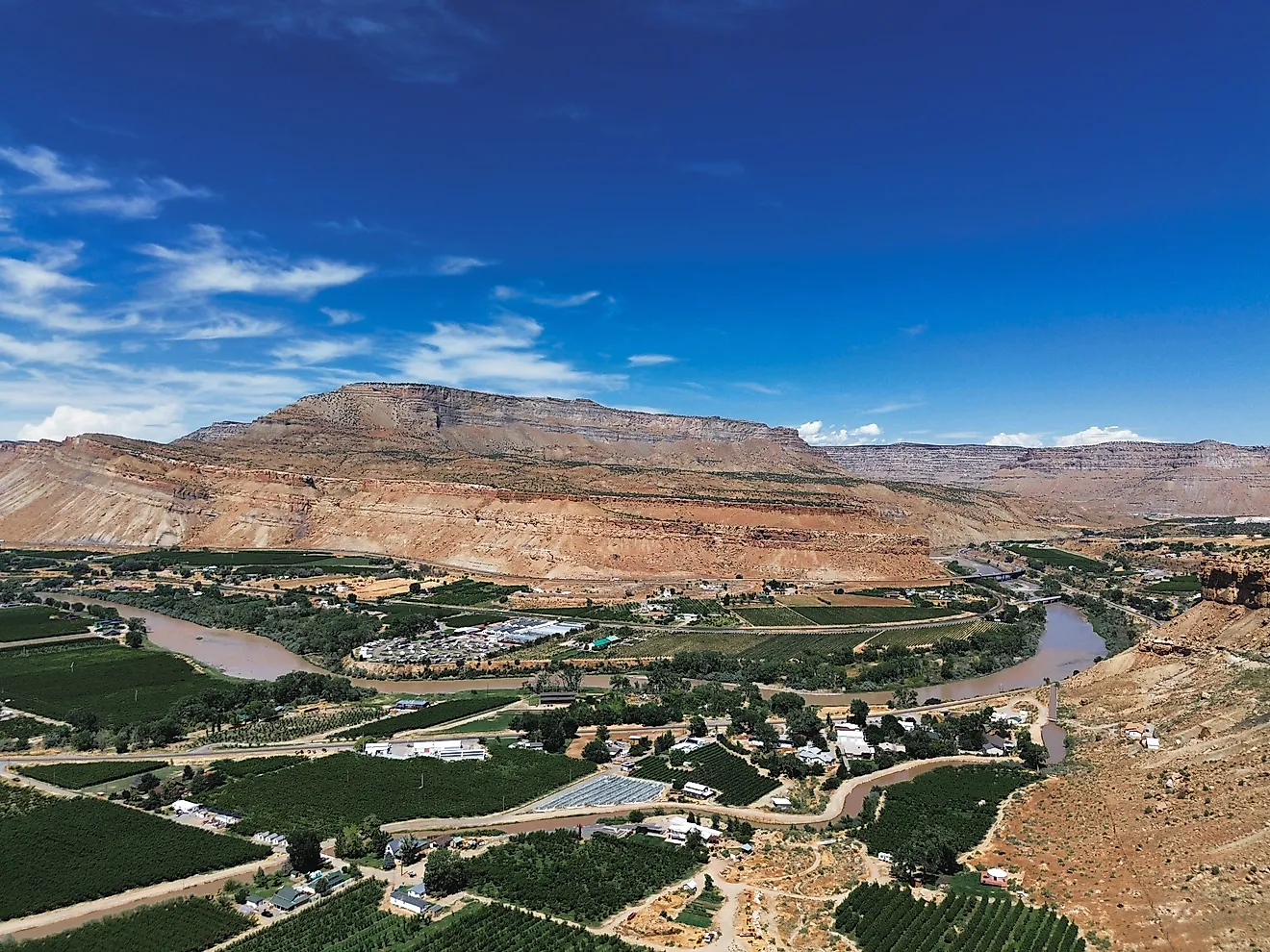
The Colorado River rises in the Rocky Mountains of Colorado. It flows for a total course of 1,450 miles through seven different states and Mexico before it empties into the Gulf of California. The Colorado River’s drainage basin spans 246,000 square miles. Many species of reptile and amphibian contribute to the biodiversity of the Colorado River.

The western terrestrial garter snake (Thamnophis elegans) is the most common species of snake encountered in or along the banks of the Colorado River. They are found in flat and wetland habitats, seldom straying far from a permanent source of water. However, it has also been known to inhabit woodlands and forests that are far away from water. They are the only species of garter snake that is known to constrict its prey, feeding on fish, amphibians, small mammals, insects, earthworms, and slugs.
Arkansas River

The Arkansas River rises in the Sawatch Range of the Rocky Mountains in central Colorado. It flows for 1,460 miles through Kansas, Oklahoma, and Arkansas before entering the Mississippi River. In southeast Colorado, the speckled kingsnake (Lampropeltis holbrooki) favors floodplain fields along the Arkansas River, small streams, and shortgrass prairies as its habitat of choice. They have also been observed in rural residential areas.

Speckled kingsnakes are active and voracious eaters, feeding on a varied diet including rodents, birds, snakes, lizards, and amphibians. They hunt food underground in burrows, above ground on the surface, and even up in the trees. They are a unique species of snake as they are cannibalistic towards other snakes, even their own species. They are also capable of consuming venomous Rattlesnakes as they have an immunity to their venom.
South Platte River

The South Platte River originates in the Mosquito Range in Colorado. It winds across the state, passing through the Platte River Canyon, emerging from the Colorado Piedmont, and eventually leading into Nebraska, where it joins the North Platte River and forms the Platte River. The river provides a home for several species of Colorado native snakes, including the red-sided garter snake (Thamnophis sirtalis parietalis), which inhabits the edges of moving bodies of water, marshes, lakes, and ponds. Unlike other species of garter snake that can live in almost any habitat, the red-sided garter snake is limited to wetland and riparian areas.

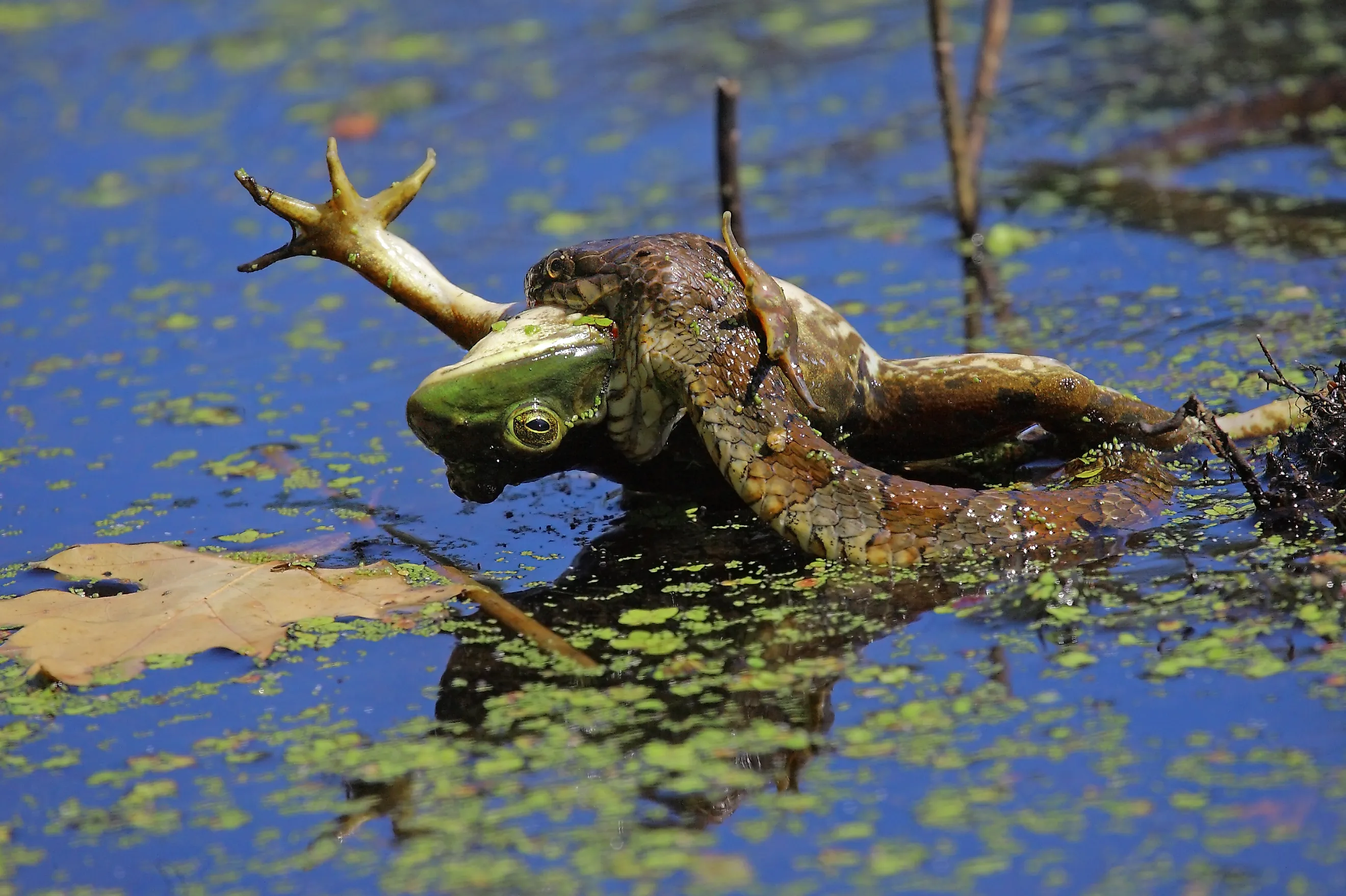
The northern watersnake (Nerodia sipedon) occurs in many Colorado rivers, including the South Platte. These snakes can survive in almost any body of water in their native range, including rivers, streams, canals, reservoirs, lakes, ponds, marshes, and flooded meadows. Their diet is mostly composed of fish, amphibians, and sometimes crayfish. If watersnakes are startled, they will often escape into the water where they can submerge themselves for long periods of time.
Cache la Poudre River

The Cache la Poudre River rises in the Front Range of Colorado, in Rocky Mountain National Park. From there, it flows north and east through Roosevelt National Forest, eventually passing through Fort Collins and Greeley, where it joins the South Platte River. One of the most common snakes found living in the riparian habitat of the Cache la Poudre River is the bullsnake (Pituophis catenifer sayi). In addition to riparian areas, they can also be found in lakes, marshes, ponds, and drier habitats such as semi-deserts, shrublands, and grasslands.

Although not as common as the bull snake, the prairie rattlesnake (Crotalus viridis) is also found along the Cache la Poudre River. Like the bull snake, they are found in riparian areas but can also be found in semi-desert shrubland, grasslands, and woodlands. If approached or disturbed, it is not uncommon for them to remain motionless, relying on camouflage to avoid detection. But, if that fails, they may raise their body from the ground in a defensive posture, strike, and sound their rattle to ward off predators.
Do Not Fear Colorado's Snakes
Colorado has 29 species of snakes, and while some snakes prefer living in close proximity to the rivers more than others, they are present and sometimes abundant in habitats throughout the entire state. Although many people fear snakes, they play an important role in biodiversity, acting as natural pest control for rodents and insects. Understanding snakes is the key to reducing fear of them. As with any wild animal, if you encounter a snake in the wild, they should be observed from a distance and left alone.