5 Snake-Filled Waters In Maine
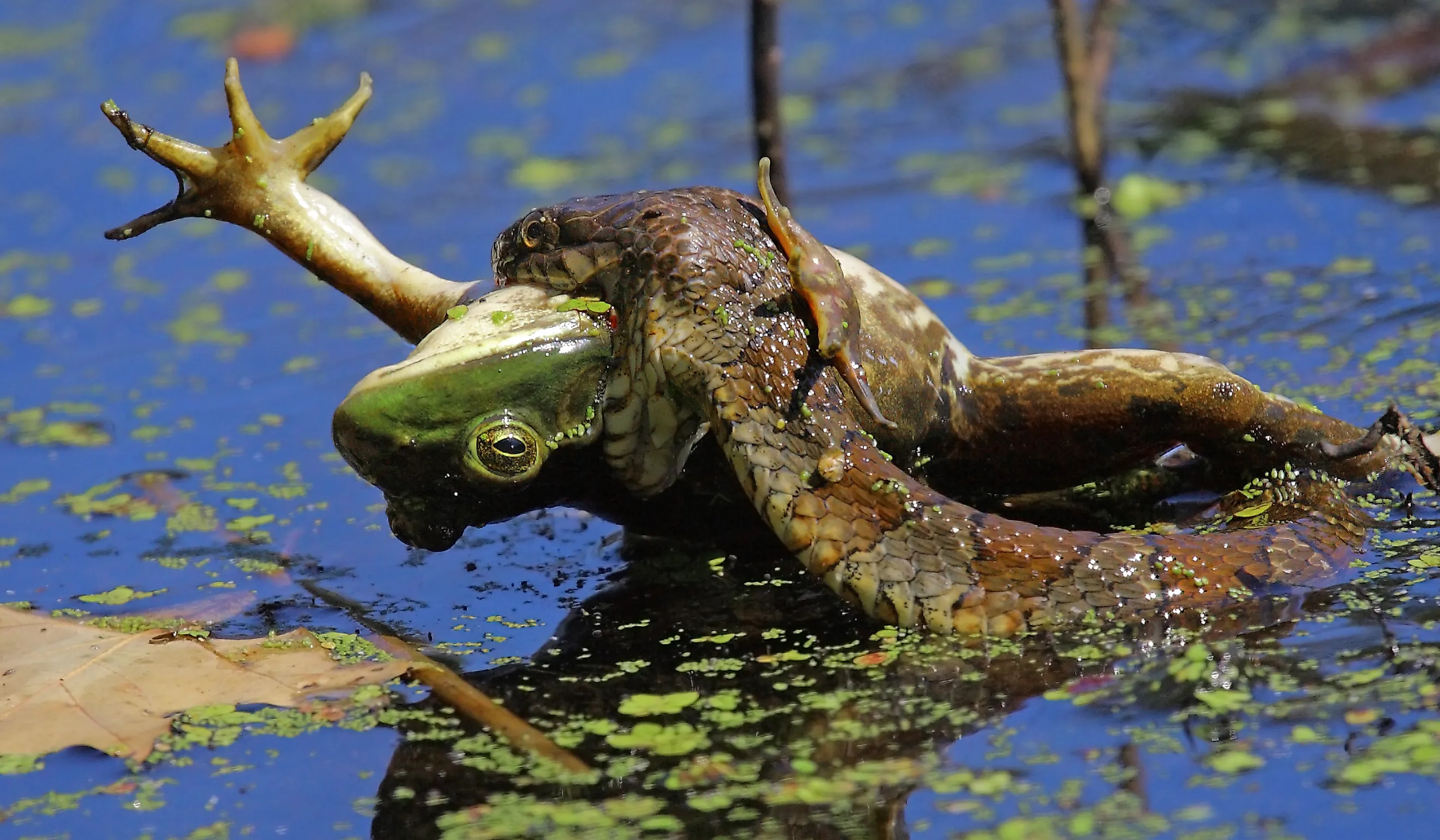
Maine is a wildlife lover’s paradise, and with all that natural variety comes one creature that makes plenty of people uneasy: snakes. The state is home to nine snake species, including the northern water snake (Nerodia sipedon) and the common garter snake (Thamnophis sirtalis). None of Maine’s native snakes are venomous, but it’s still smart to give them space, especially when you run into one out in the wild.
Most snakes in Maine stick close to lakes, rivers, and wetlands, where they can hide easily, stay cool, and find plenty to eat. And since the state has more than 6,000 lakes and ponds, a few spots have enough good habitat to support multiple species, meaning surprise sightings are more likely. This list dives into some of Maine’s most snake-heavy waters and the species that tend to show up there.
St. John River

The Saint John River is a 418-mile (673 km) long river in Maine and multiple provinces in Canada. The river’s source is Saint John's Ponds in Somerset County, Maine, and it runs north along the Maine-Canada border until entering Canada and emptying into the Bay of Fundy. It has one of the largest drainage basins on the East Coast, spanning over 20,000 square miles (51,800 sq km), and is a pivotal body of water for the region. The river is a popular spot for canoeing and fishing, with fish species including trout, salmon, and bass.

Thanks to the lush riverfront areas in Maine and the presence of fish, many snakes live along the St. John River. Common garter snakes are the most notable, with significant populations in and around water. These snakes reach an average length of around 22 inches (55 cm) and are easy to spot thanks to the yellow stripes on their darker bodies. While they rarely bite, garter snakes have mild saliva toxins that are rarely dangerous but can cause mild irritation at the bite site. As these snakes are also excellent swimmers, it's best to stay alert when swimming or boating in the Saint John River.
Katahdin Woods and Waters National Monument

While not exactly a body of water, Katahdin Woods and Waters National Monument encompasses over 85,000 acres of forestland, rivers, and lakes. The area abounds with wildlife, including moose, bald eagles, and salmon. Thanks to the mix of water, ample forests, and hiding spots, as well as smaller animals to eat, this is one of Maine’s most snake-filled areas. In the monument’s lakes and rivers, such as the Penobscot River, garter snakes are common and can often be seen slithering up onto hiking trails, where they sometimes blend in with fallen leaves and debris. Meanwhile, in spring, snakes head out to open patches of sun to keep warm, leading to more interactions and close calls with people. To this end, it is important to watch the ground for any signs of movement and stay on marked trails.

Along with wildlife, the park offers tons of recreational opportunities, including hiking and camping. Visitors can spend the day fishing along the scenic rivers, birding to spot over 150 species, or gazing at the night sky. As it is a Dark Sky Sanctuary, the stars are clearly visible, but don’t forget to watch for snakes occasionally.
Moosehead Lake

Moosehead Lake is the largest lake in Maine and the largest entirely within New England, spanning around 75,000 acres. The coldwater lake is surrounded by mountains, including Mount Kineo, which rises from the shoreline. To this end, people from all over come to visit, boating along the 80+ islands in the lake, hiking the nearby mountains, and fly fishing for brook trout and smallmouth bass.

The area has a humid continental climate, which makes summers mild and an ideal time for snakes to explore. Thus, many snakes live along the 280-mile (451 km) long shoreline, including red-bellied snakes (Storeria occipitomaculata) and ring-necked snakes (Diadophis punctatus). Red-bellied snakes are among the easiest to spot thanks to their bright red to orange undersides against a dark brown body. These snakes are also relatively small, at 8-13 inches (20-33 cm) long, and are often confused for ring-necked snakes, which have a yellow underside. They tend to live in heavily wooded areas along the shore and eat insects, rarely interacting with humans.
Union River

Flowing through Hancock County before reaching Blue Hill Bay, the Union River is one of coastal Maine’s quieter waterways. The total length of the river is nearly 22 mi (35 km), making it one of the region’s smaller bodies of water. Its upper sections move slowly through marshes, wooded banks, and calm backwaters, creating good habitat for wildlife. With plenty of cover along the shoreline and shallow areas full of frogs and small fish, the river provides ideal conditions for snakes to live and hunt.

The Upper Union River is home to the rare eastern ribbonsnake, a species listed as of special concern in Maine. This slender, non-venomous snake is a subspecies of garter snake, but has a longer tail and cleaner yellow stripes running down a dark body. Adults usually measure 18-30 inches (46-76 cm) in length. Eastern ribbonsnakes prefer wetlands and slow-moving water, often staying close to the shoreline where they can quickly slip into the water if disturbed.
Androscoggin Lake

Androscoggin Lake spans about 3,826 acres in southern Maine and is known for its fishing and easy water access. The lake contains four islands: Androscoggin Island, Blodgett Island, Lothrop Island, and Norris Island, which has a reservable cabin. Anglers visit year-round for largemouth bass, smallmouth bass, chain pickerel, and brown trout, along with perch, sunfish, and even American eel. A public boat ramp, beach area, and canoe and kayak launch make it simple to explore the shoreline and shallow coves.

The lake’s marshy edges and nearby Androscoggin River create good habitat for the northern water snake, one of Maine’s largest snake species. Adults can reach 24-42 inches (61-107 cm) in length and are often dark brown or gray with faint banding. They are strong swimmers and are usually seen basking on rocks or swimming near shore while hunting fish and amphibians. Although non-venomous, water snakes may bite if handled. In quieter wetland areas around the lake, eastern ribbonsnakes (Thamnophis sauritus) may also be present, especially near grassy shorelines and slow-moving water.
Watch Out For Snakes In These Maine Waters
These five bodies of water in Maine support some of the state’s most active snake habitats, particularly along marshy shorelines, wooded banks, and slow-moving wetlands. While none of Maine’s native snake species are venomous, encounters can still be startling, especially near water where snakes hunt for fish and amphibians. Most snakes prefer to avoid people and will quickly retreat if given space. If you come across one while boating, fishing, or hiking, remain calm, keep your distance, and allow it to move away undisturbed.