8 Snake-Filled Waters In Delaware
Delaware’s rivers, marshes, and wooded floodplains support 19 native snake species that live in and around its waters. Wetlands and slow-moving rivers provide an environment these reptiles depend on.
Only one venomous species is established in the state: the Eastern copperhead. It prefers rural or lightly developed areas and rarely interacts with people. The timber rattlesnake historically lived in Delaware but is now considered extirpated.
Most snakes people encounter near water are harmless. Northern watersnakes, garter snakes, racers, and rat snakes help control fish and rodent populations. Their presence usually indicates a functioning wetland ecosystem.
Delaware River

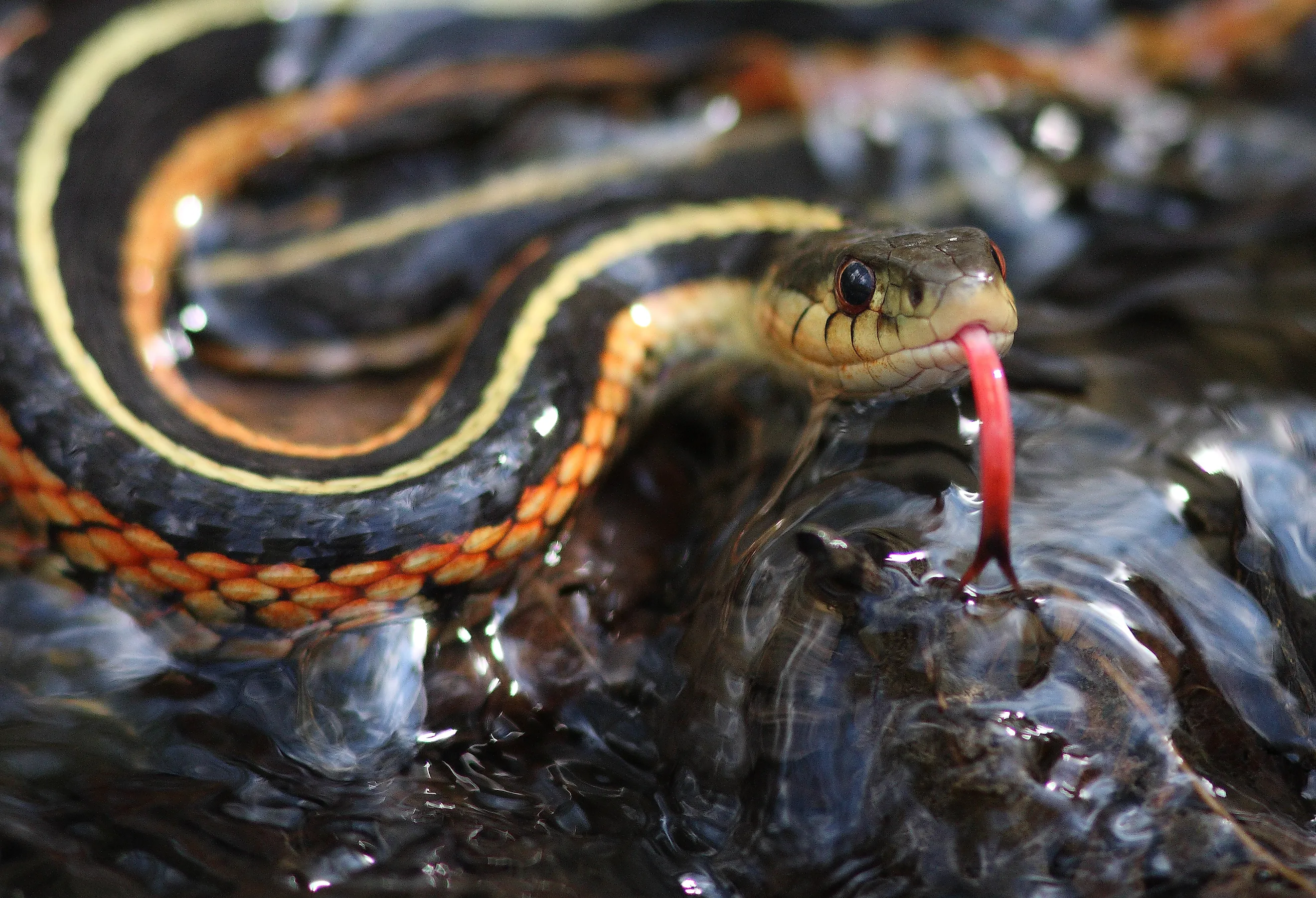
The Delaware River rises in the Catskill Mountains of New York and runs about 330 miles to the Atlantic via the Delaware Bay, passing through the Delaware Water Gap along the way. It forms the state's eastern border before widening into tidal marshes and wetlands. The shift from fast-moving current to slow tidal flats creates a range of habitats that Eastern garter snakes prefer.
Equally at home in forests, fields, and wetlands, garter snakes are always happiest near water where fish and amphibians are easy to find. They're harmless and usually gone before you've registered what you saw. If you see snakes, don't handle or corner them. They will return the favor without incident.
Nanticoke River
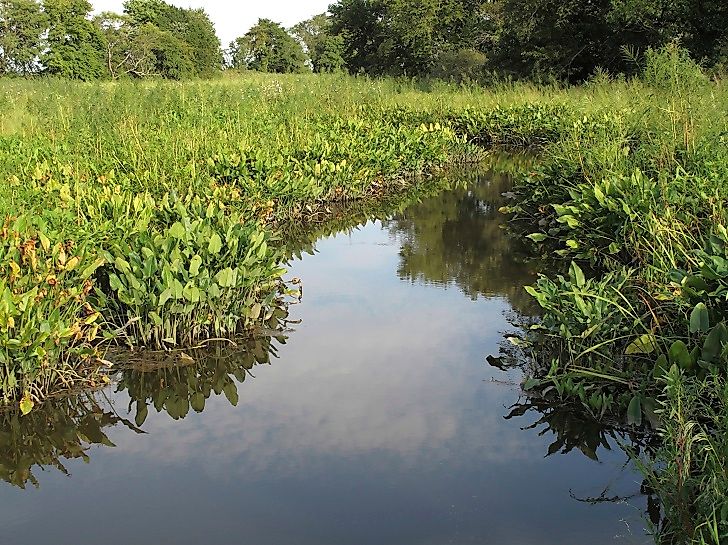
The Nanticoke River runs 64 miles from southern Delaware to the Chesapeake Bay, winding through marshlands, forests, and farmland along the way. Its watershed covers over 50,000 acres of tidal wetland. The slow, vegetated water offers dense cover and reliable food. That's everything a Northern watersnake needs.
These snakes bask on rocks and vegetation during the day and hunt at night, working a stretch of river that has supported them long before anyone thought to kayak it. They're not venomous, but they're not easygoing either. They will bite without hesitation if you handle or corner them. The better arrangement is simple: they stay in the reeds, you stay in the boat, and everyone has a pleasant afternoon on the Nanticoke.
Brandywine Creek

The Brandywine Creek is where Delaware's only venomous snake, the Eastern copperhead, is a confirmed and documented presence. A small population exists at Alapocas Run State Park along the river near Wilmington. These are ambush hunters that rely on camouflage, stay perfectly still, and have no interest in chasing anyone.
Most bites happen when someone steps too close without looking or, worse, decides to pick one up. Watch your step near rocky outcrops and log piles, and the copperhead will watch you do the same from a very comfortable distance.
Garrisons Lake

Garrisons Lake covers 86 acres just outside Smyrna in central Delaware. Bombay Hook National Wildlife Refuge sits 11 minutes away, protecting one of the largest remaining tidal salt marshes in the mid-Atlantic region. Wildlife moves freely between the two areas, snakes included. Northern watersnakes, Eastern garter snakes, ringneck snakes, and Eastern kingsnakes are all found here.
They're drawn by healthy populations of bluegill and bass that also pull in herons and waterfowl. The ringneck snake has mild venom that can be a problem, especially if someone is allergic. All the other snakes in these waters are nonvenomous. Kayakers and anglers tend to spot them most along the vegetated shoreline, usually heading in the opposite direction.
Trap Pond

Trap Pond is inside Trap Pond State Park, 13 minutes from Laurel in Sussex County. The surrounding swamp contains the northernmost stand of naturally occurring bald cypress in the United States. Ancient trees, standing water, dense shade, and abundant prey are the kind of environment Northern watersnakes and Eastern garter snakes find irresistible. The Eastern copperhead has also been recorded in the surrounding park, though sightings are uncommon.
Over 12 miles of hiking and biking trails wind through the terrain. The Baldcypress Nature Center hosts wildlife exhibits with a dedicated section on snakes. Jason Beach, on the pond's eastern shore, is a reliable picnic spot. Just come with the understanding that the cypress swamp around you has snakes and they’re not going anywhere.
Millsboro Pond

Millsboro Pond covers 101 acres and reaches about 12 feet at its deepest point. Fish like yellow perch and black crappie are common here, which attracts fish-eating birds such as bald eagles and herons. The pond’s fish and frogs also provide food for several snake species, including Northern watersnakes, plain-bellied watersnakes, queen snakes, and common ribbon snakes.
The Eastern copperhead lives in southern Sussex County, which puts Millsboro Pond squarely within its territory. Sightings are uncommon, but the geography makes them plausible. This is a working fishing destination. There is no marina or fanfare, just clean water and a healthy ecosystem that was fully operational long before anyone showed up with a rod and a cooler.
Silver Lake

Silver Lake sits in the middle of Dover, Delaware's capital. Urban lakes don't typically come to mind when people think about snake habitat, but Silver Lake didn't get the memo. Silver Lake Park covers 182 acres of paths, playgrounds, and picnic areas.
The lake itself supports Northern watersnakes and common kingsnakes, living in quiet coexistence with joggers, anglers, and paddleboaters who often have no idea they're sharing the water. Neither species is venomous, and most encounters are brief. While the lake is there for the people, the snakes are there for the ecosystem. There's enough room for both.
Lums Pond

Lums Pond covers 200 acres in New Castle County, making it the largest pond in Delaware. The surrounding forests and wetlands make it one of the most ecologically active. Northern watersnakes, Eastern rat snakes, black racers, common garter snakes, and ringneck snakes have all been recorded here. The ringneck snake has mild venom. For some people, it's a non-issue, but those with venom allergies should treat it like any other venomous species.
All other snakes are nonvenomous. The park built around the pond gives visitors plenty of reasons to show up regardless: hiking, biking, horseback riding, camping, and a zip line. The snakes, for their part, are there because the ecosystem works, the prey is plentiful, and nobody has asked them to leave.
Where Delaware’s Snakes Make Their Mark
Delaware's snakes are hunting, basking, and moving between water and cover with complete indifference to your presence. The Eastern copperhead is the only species worth a second thought. Sturdy footwear, eyes on the ground near rocky banks and log piles, and a firm policy of not reaching into places you can't see will help you avoid unfortunate incidents. Bottom line: respect the snakes, keep your distance, and enjoy the water. They were here first, and they're not planning to leave anytime soon.