The Most Polluted Lakes in North America
Studies show that a significant number of lakes in North America suffer from contamination or pollution, with tens of thousands of lakes affected. The Environmental Protection Agency (EPA) estimates that over 40% of the lakes in the United States alone are too polluted for fishing, swimming, or aquatic life.
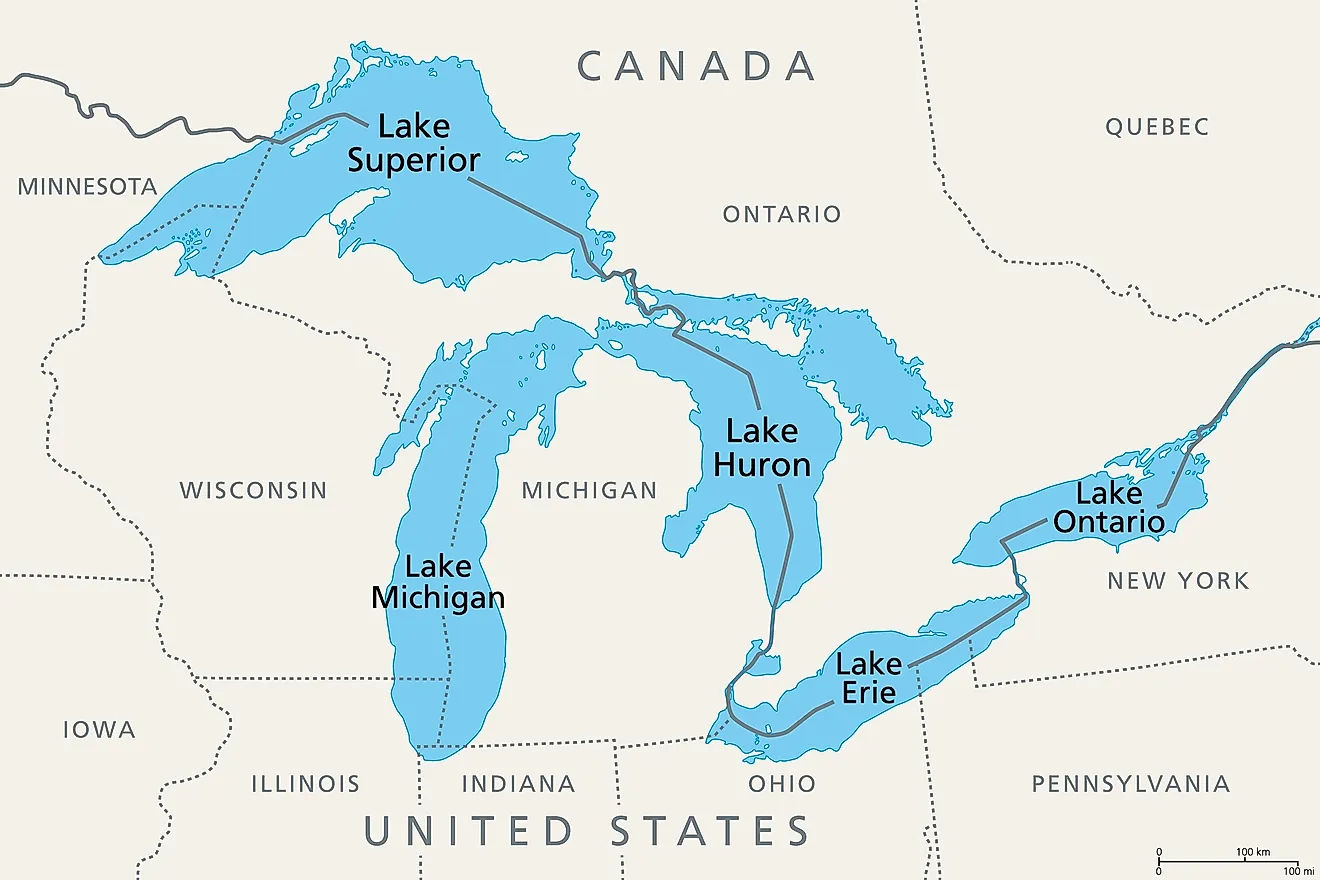
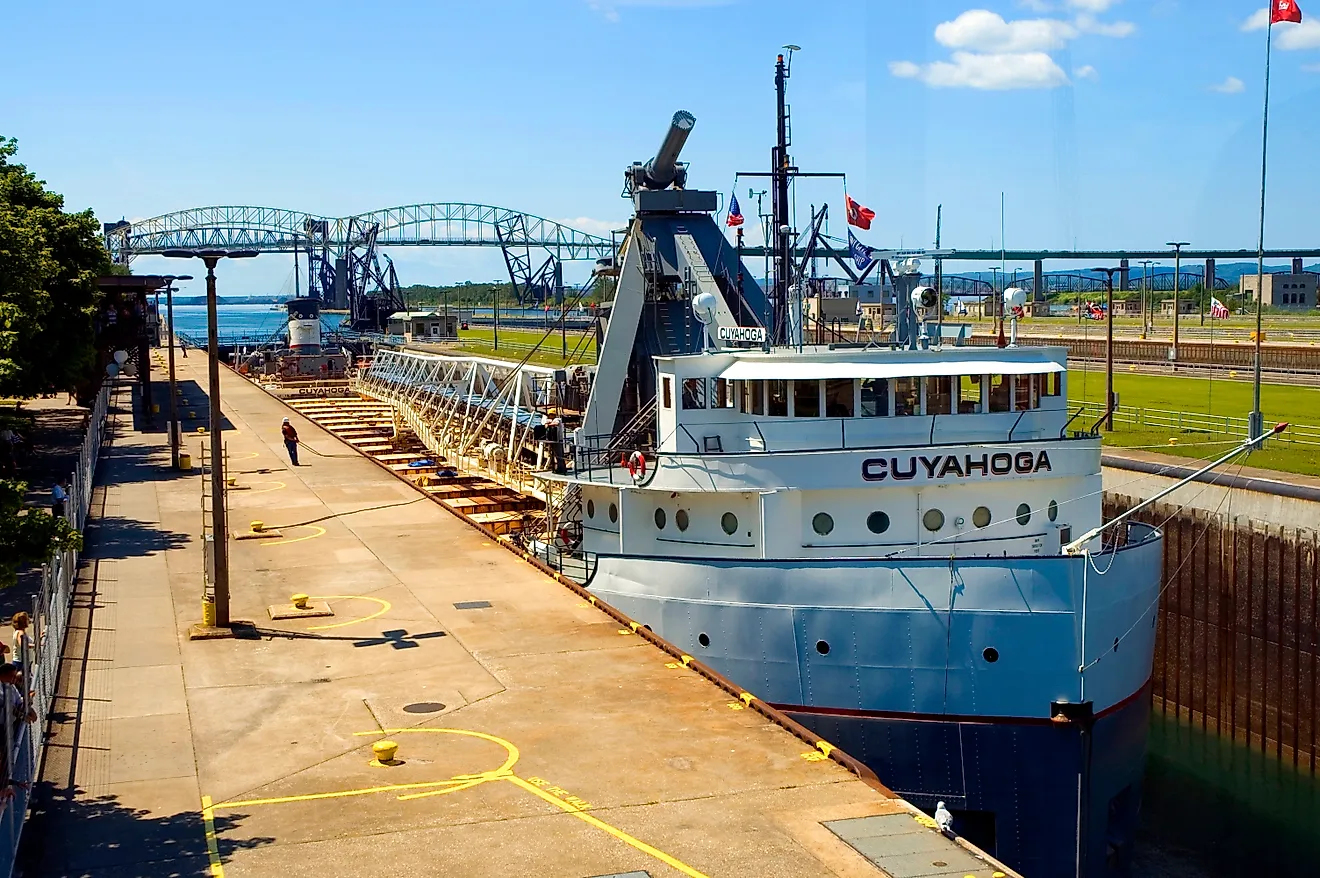
In the late 1960s, Lake Erie, the shallowest of the Great Lakes, was declared dead, a combination of excessive algae growth and oxygen depletion from agricultural runoff, industrial waste, and raw sewage. This, along with the Cuyahoga River, a tributary to Lake Erie, catching fire in 1969 due to industrial waste, the environmental movement became a stronger force, and this led directly to the 1972 Clean Water Act. In the 1980s, Lake Erie began to recover, but serious environmental concerns continue in North America’s lakes.
Even if the water looks clean, hidden environmental concerns remain. An estimated 58,747 lakes in the United States contain fish with detectable levels of mercury and PCBs. PFAS (per- and polyfluoroalkyl substances) are found in products such as non-stick cookware and food packaging, and an estimated 95% of US lakes contained fish with detectable levels of PFAS. The criteria for declaring the worst polluted lakes vary, but tend to be based on current studies of the lakes from governmental and non-profit organizations, with accumulated data gathered over the past year.
1. Lake Okeechobee, Florida
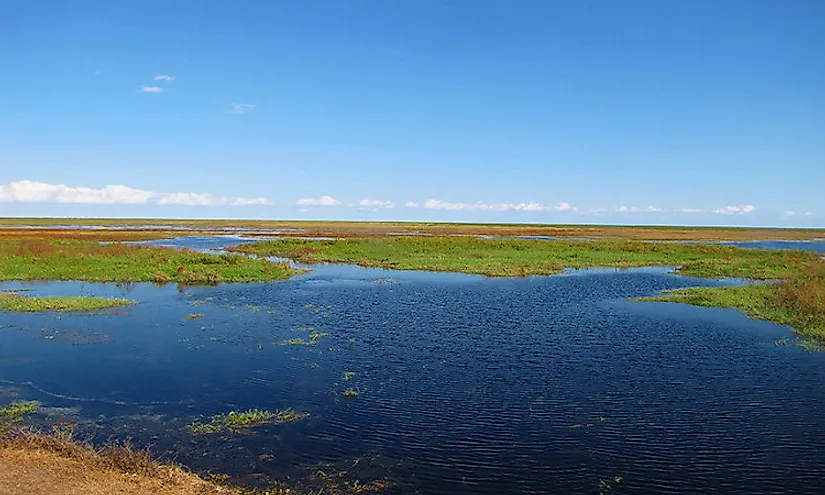
Lake Okeechobee is the largest lake in Florida, and the eighth largest in the United States. Its estimated size is 730 mi² (1890.69 km²). The lake has been showing a significant loss of water levels due to extreme drought conditions, measuring two feet below its historic average. This has led to dried marshes and wildfire risks. Recent rankings have placed Lake Okeechobee as the most polluted in North America.
In 2026, the Florida Department of Health issued blue-green algae alerts for the lake, toxic blooms that are green in color and cause skin irritation, vomiting, or breathing issues. In 2025, it was reported that the lake had high phosphorus levels, resulting in reduced water clarity, biodiversity, and oxygen levels. Agricultural runoff, fertilizers, and sewage mainly cause this.
2. Onondaga Lake, New York

Onondaga Lake is a lake in New York State, near Syracuse. It has a maximum depth of 63 feet, with an average depth of 35 feet. With decades of industrial dumping of mercury and untreated sewage, the lake has been considered one of the most polluted in the US. At times, Onondaga Lake has ranked at the top of most polluted lakes lists. The primary issue is industrial dumping and municipal sewage, as the communities on the lake have a combined population of 450,000.
Industrial waste from chemical plants, such as Allied Chemical Corporation, has contributed to the high rates of mercury found in the lake. Between 1946 and 1970, 165,000 pounds of mercury were discharged into Onondaga Lake by Allied Chemical. From 1880 through 1980, industrial operations discharged millions of pounds of pollutants into the lake. In recent years, cleanup efforts have been promoted, and wastewater treatments have improved. With an increase in water quality, wildlife has returned, and recreational use of the lake is permitted. However, due to contamination of mercury and PCBs, Do Not Eat Fish advisories remain in place.
3. Utah Lake, Utah

Utah Lake is a shallow body of water that generally rates high on most polluted lists. This is due to the industrial use of the lake, in addition to its particular ecology. The lake is frequently plagued by Harmful Algal Blooms (HABs); cyanobacteria, or blue-green algae, which are caused by high levels of phosphorus and nitrogen and which poison the lake for other wildlife, including humans. In 2025, the lake was under warning advisories to restrict swimming and other water activities, or to allow pets to enter the water.
Other key pollutants include agricultural runoff and urban stormwater, while efforts to treat wastewater have created hazardous runoff of their own. Fish are considered to be contaminated, particularly carp and channel catfish, which contain highs levels of PCBs. This has led to consumption advisories. The lakebed also contains elevated heavy metal contamination, including arsenic, copper, and lithium. Invasive species, such as the common carp, have caused these often naturally occurring metals to be stirred up from the bottom of the lake. Common carp now make up 90% of the lake’s biomass.
4. Lake Erie, Ontario, Canada; Michigan, Ohio, Pennsylvania, New York

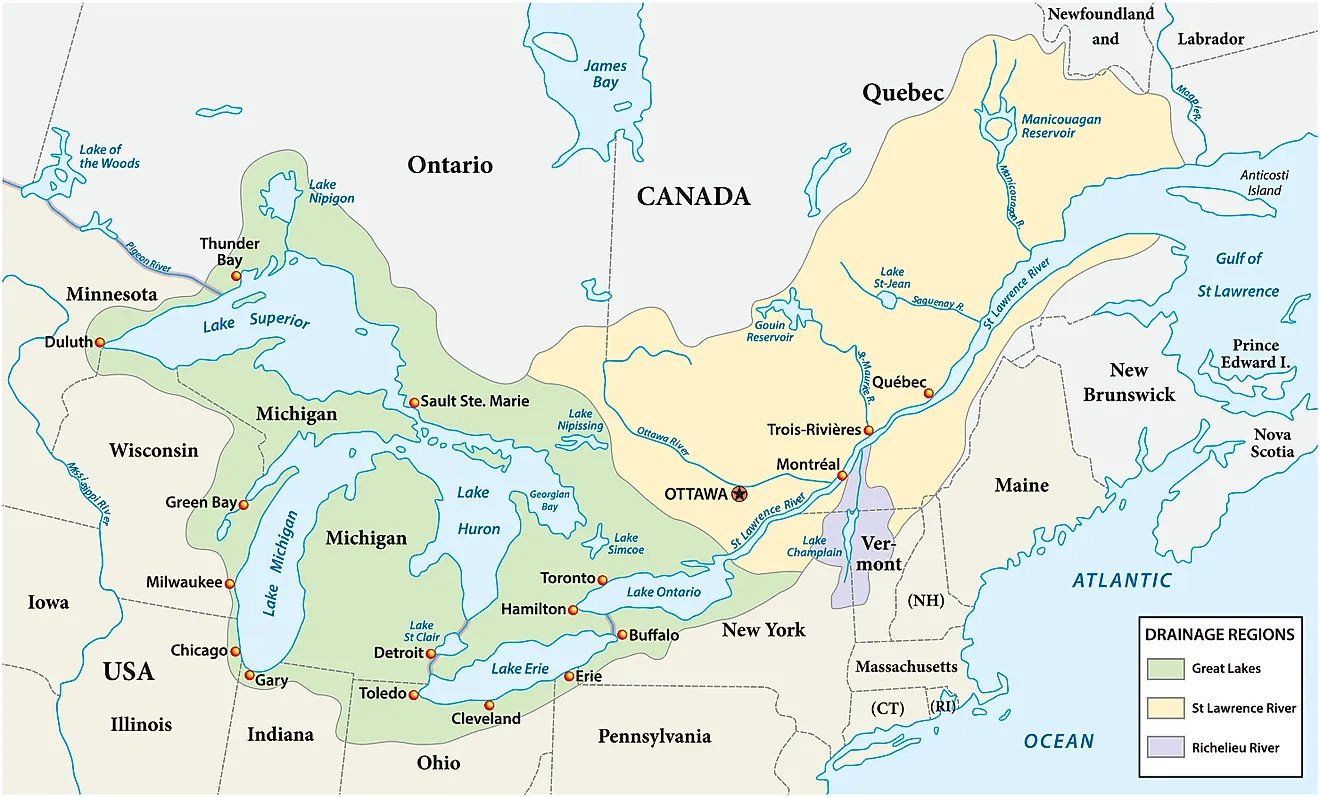
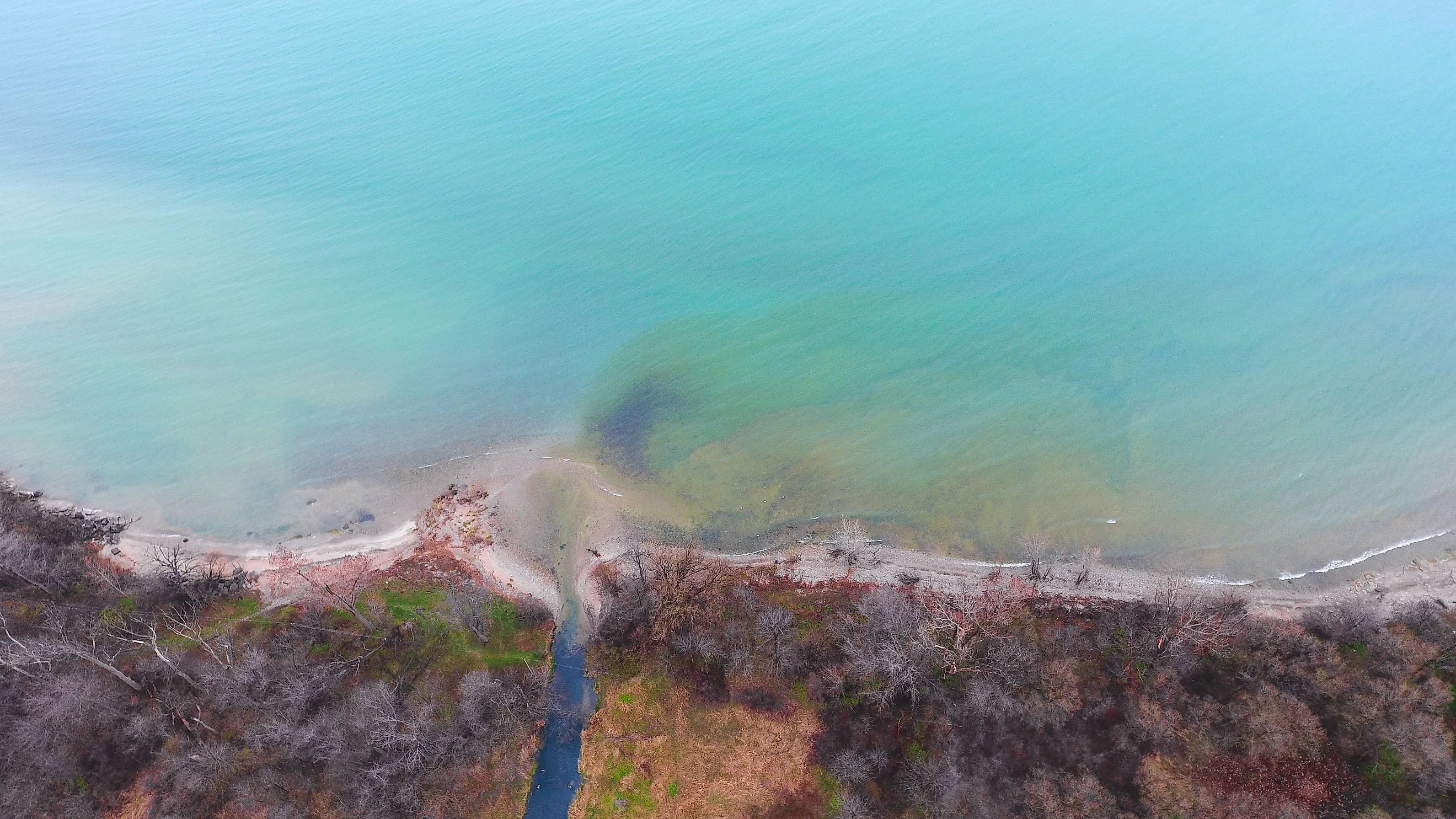
Lake Erie is the shallowest of the five Great Lakes, and its position receiving waterflow from Lakes Superior, Huron, and Michigan makes it one of the most stressed Great Lakes. Famously declared dead at one point (albeit with a little sensationalism), the fact remains that Lake Erie was in serious trouble in the 1960s and 1970s, and has only recently begun to recover. One of the biggest concerns is the high levels of plastic found in Lake Erie: approximately 1.7 million particles per square mile.

New and continuing threats continue to plague Lake Erie, including algal blooms and nutrient pollution from agricultural runoff and urban stormwater. There continue to be “dead zones” in the lake, where algae blooms die and decompose, depleting the water of oxygen, creating hypoxic zones where aquatic life cannot survive. Lake Erie has one of the highest global concentrations of microplastics, with over 10,000 tonnes of plastic waste entering the lake each year. Chemical contaminants such as mercury, PCBs, and PFAS remain in the water, leading to do not eat advisories, especially for bottom-feeders such as catfish. With the northern climate, excessive use of road salt in the winter in both Canada and the US has led to high chloride levels.
5. American Falls Reservoir, Idaho

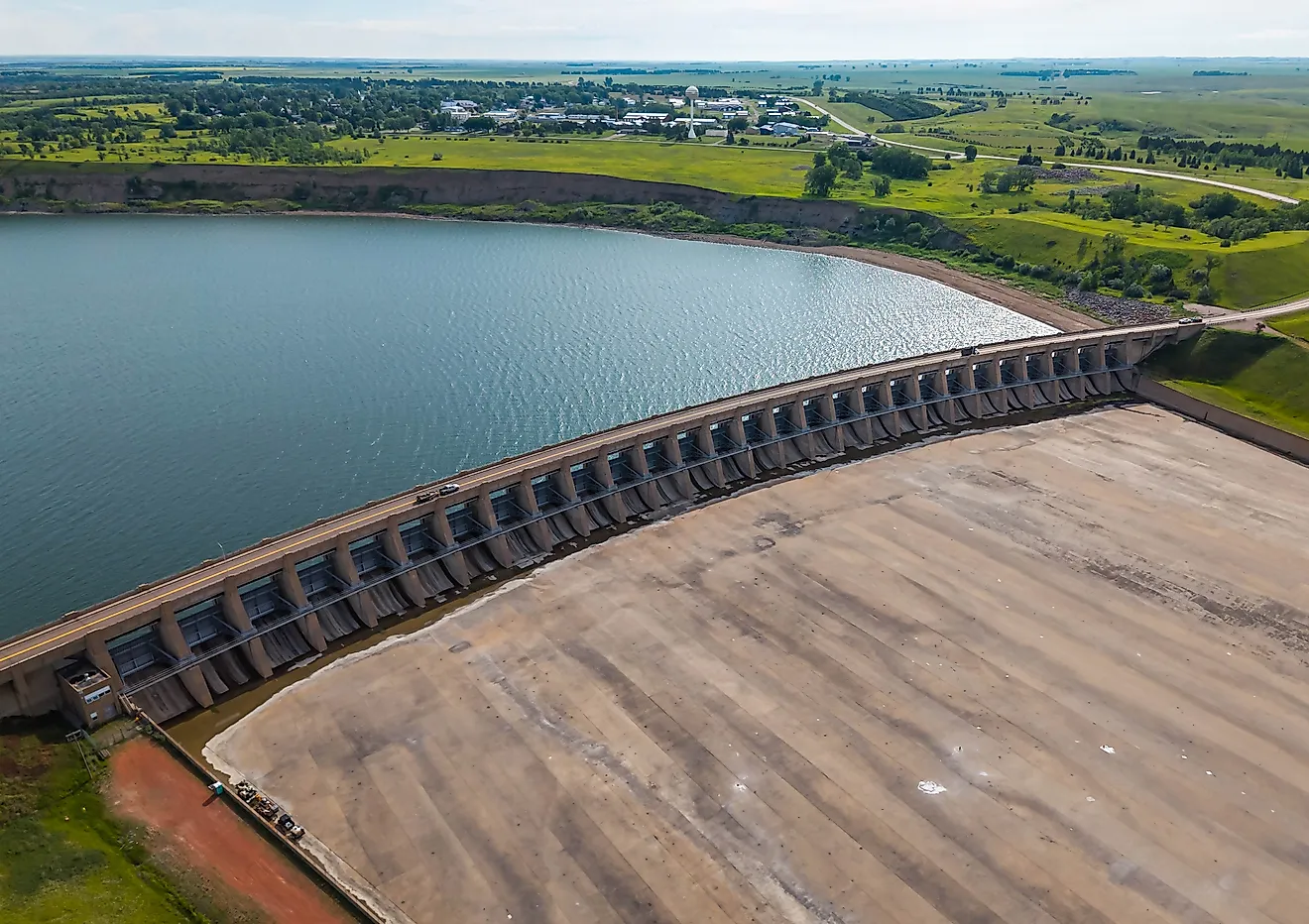
This reservoir is the result of the American Falls Dam, built in 1920, as part of the Minidoka Project on the Snake River Plain. It is used mainly for flood control and irrigation, and at the time of its construction, three-quarters of the town of American Falls was abandoned for the reservoir’s water. In its over-100-years of existence, the American Falls Reservoir has been used recreationally for water activities and fishing, but it is continually rated as one of the ten most polluted lakes in the US, due to low oxygen and high ammonia levels.
Harmful algal blooms are one of the biggest causes of pollution on the reservoir, with agricultural runoff causing nutrient loading and depleting the oxygen levels. Phosphorus and nitrogen from farm wastewater fuel the algae growth. This results in massive fish kills, particularly trout and sturgeon, during the high winds of the summer. Predatory fish from the Snake River ecosystem enter the reservoir, not only impacting native species directly but also carrying heavy metal contaminants such as mercury and cadmium. Illegal discharge of oil and grease from Idaho Power’s hydroelectric facilities has also impacted the water quality and led to a lawsuit, which Idaho Power settled in 2022.
6. Lake Texoma, Oklahoma, Texas

Lake Texoma was ranked in 2026 as one of the dirtiest lakes in the US. The National Water Quality Monitoring Council presented findings that included issues with water quality, odor, and oxygen levels. Local officials maintain that there are no immediate health risks to humans. Nevertheless, the pollution levels of the lake continue to be high. The low oxygen levels and overall odor are an immediate concern, with oxygenation at an average of 4.41 mg/L. Levels below 2 mg/L have also been found, which is a direct cause of hypoxia. The rotten egg odors are caused by sulfates in the water.
The lake has the fifth-highest levels of total dissolved solids (the combined sum of all organic and inorganic substances, including minerals, salts, and metals) in the US. Other contaminants include methyl tert-butyl ether from powerboat fuel and elevated copper levels near marinas, caused by antifouling boat paint (used to prevent barnacles and algae from forming on a boat’s hull). Invasive species such as zebra mussels and Asian carp are also a threat to native aquatic life.
Our Neglected Resources
Awareness of environmental stresses on freshwater lakes has grown in recent decades, and state, provincial, and national governments have made efforts to clean up North America’s lakes. The one thing all the lakes on this list have in common is the presence of human settlement. Each lake has large urban areas with millions of people, vast agricultural areas, and industrial plants. When untreated pollutants enter the lakes, it takes decades to clean up the water for even the most basic of uses for humans.