How Many Shipwrecks Are in the Great Lakes?
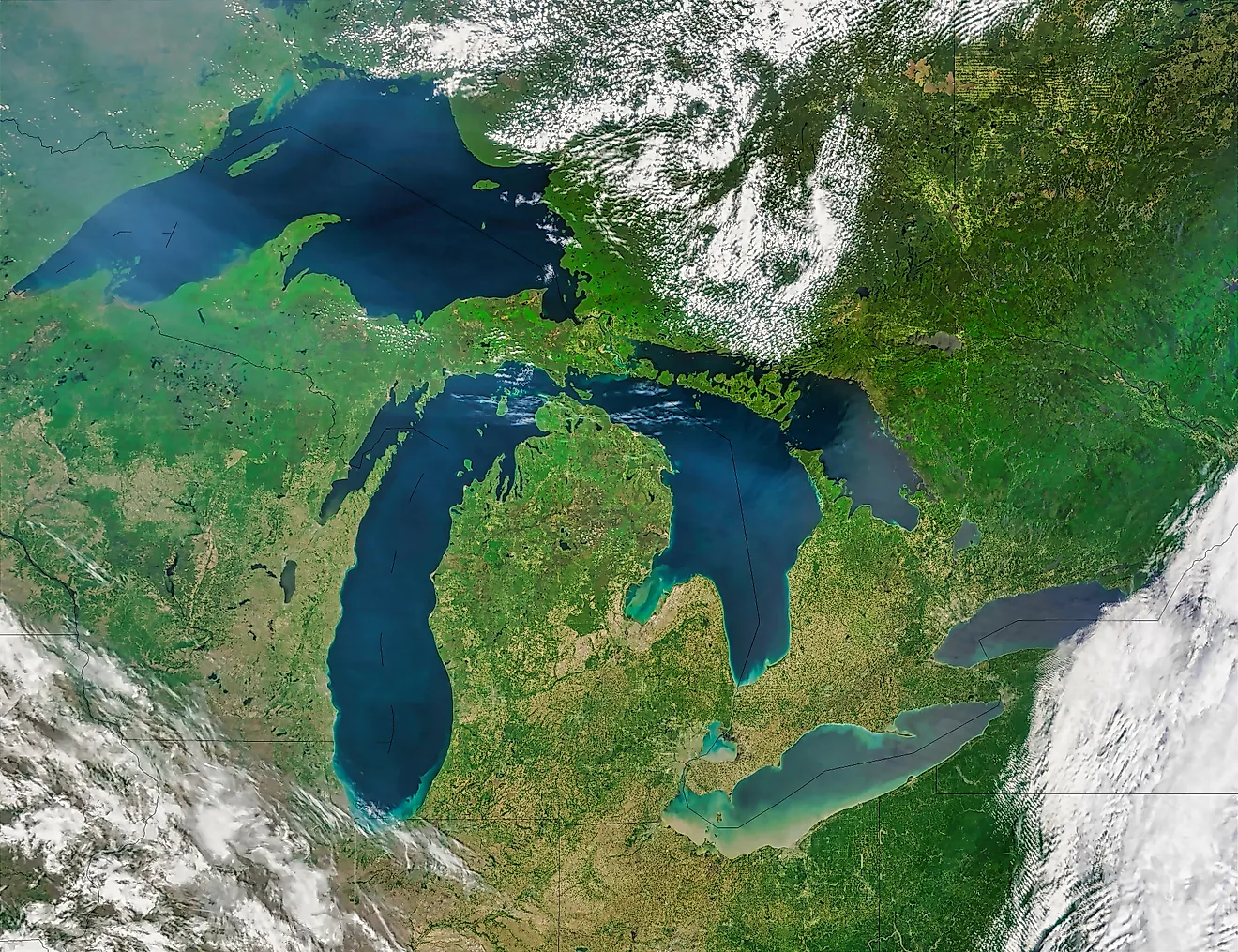
Stretching across the border between the United States and Canada, the five Great Lakes form the largest freshwater system on Earth and have long served as vital transportation corridors. Since the early nineteenth century, thousands of vessels carrying timber, grain, coal, and iron ore have crossed these inland seas to supply rapidly growing cities and industries. Yet the same waters that powered commerce have also claimed a staggering number of ships. Historians and maritime researchers estimate that between 4,000 and 10,000 vessels have sunk in the Great Lakes, with about 6,000 shipwrecks widely accepted as a realistic figure. These losses reveal a dramatic history shaped by violent storms, heavy shipping traffic, and the immense scale of the lakes themselves.
Why So Many Wrecks?
Weather and Geography

One of the foremost reasons the Great Lakes are home to so many shipwrecks is the region’s notoriously unpredictable weather. Although these inland seas contain freshwater, their immense size allows for ocean-like conditions, including sudden storms, gale-force winds, rapid temperature changes, and frequent weather shifts. Among the most feared phenomena are the powerful autumn and early winter systems known as the “November Gales.” As cold Arctic air moves over warmer lake waters, intense low-pressure systems can form, producing towering waves and conditions that rapidly overwhelm vessels.
Dense fog, freezing spray, ice formation, and treacherous shoals have tested sailors on the Great Lakes for generations. Before the age of modern navigation technology, early warning systems, and accurate forecasting, crews often encountered life-threatening weather with little advance notice. In shallow or narrow channels such as those near the Straits of Mackinac, Whitefish Bay, and the approaches to major ports, these elements compounded navigational hazards and contributed directly to many losses.
High Ship Volume, Low Standards

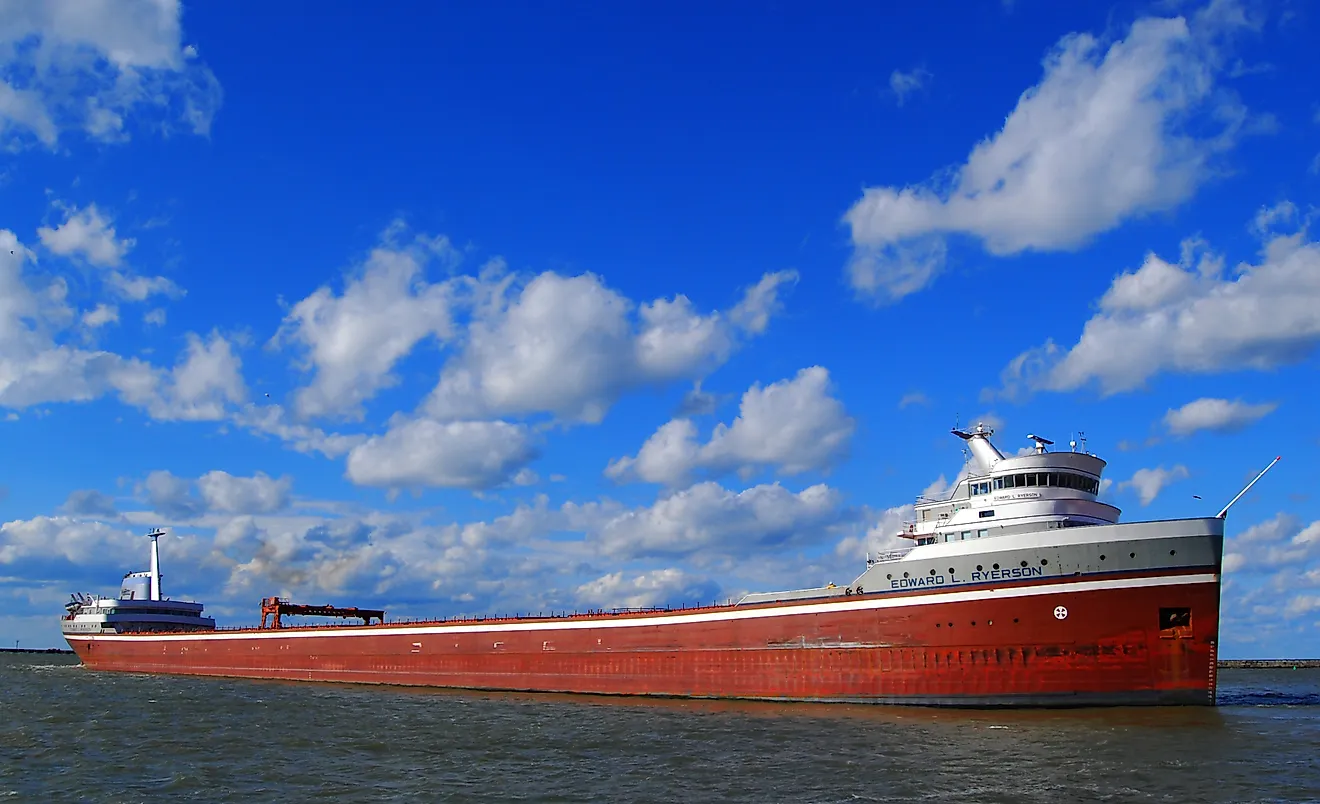
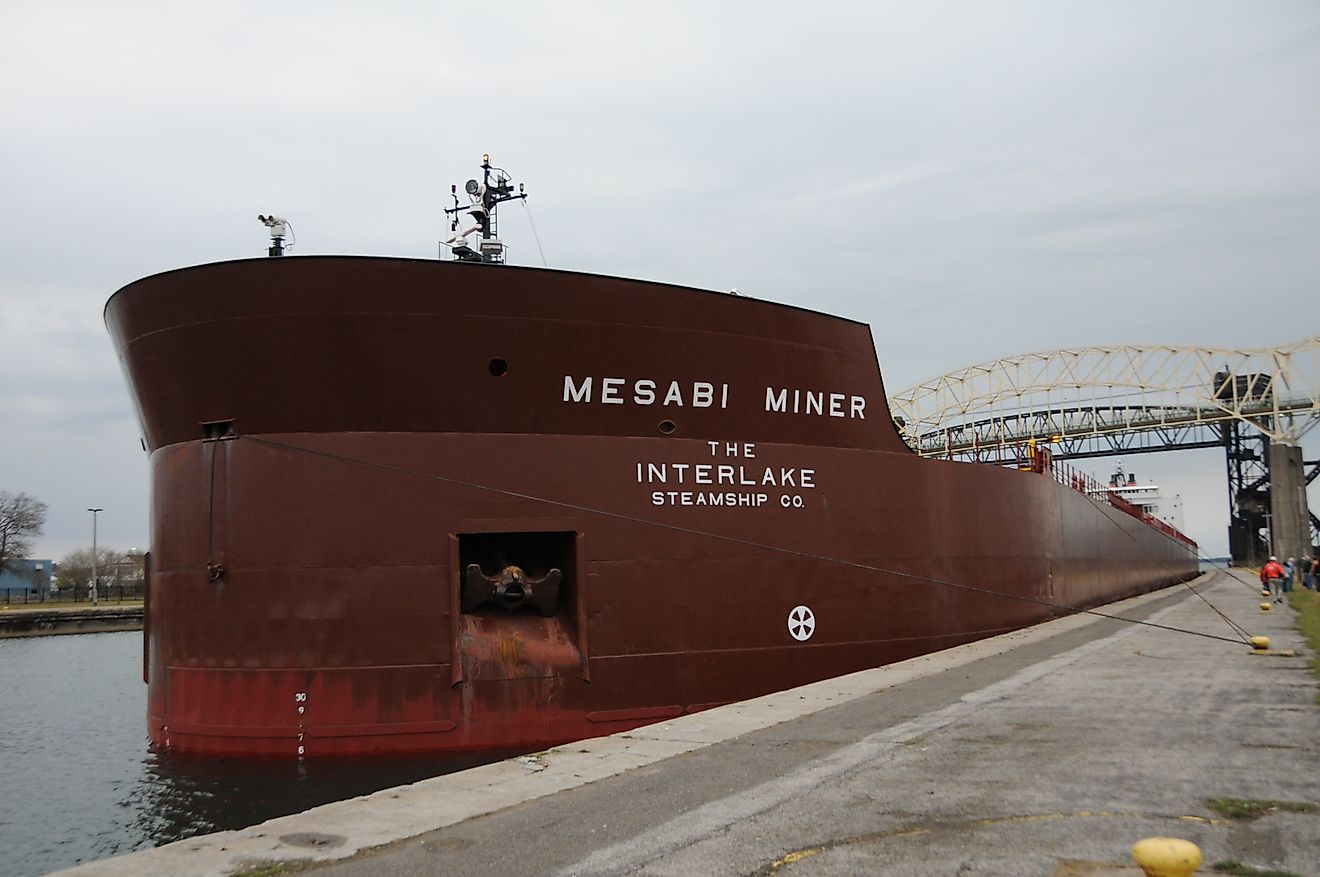
Another major factor in the staggering number of wrecks was the historic volume of maritime traffic on the lakes. From the mid-1800s through much of the twentieth century, the Great Lakes served as essential transportation arteries for raw materials such as iron ore, coal, lumber, and grain that fueled North American industry. Major ports in cities such as Chicago, Cleveland, Buffalo, Duluth, and Detroit were connected by dense networks of commercial shipping. Thousands of vessels plied these routes on tight schedules, often pushing the limits of safety to meet demand.
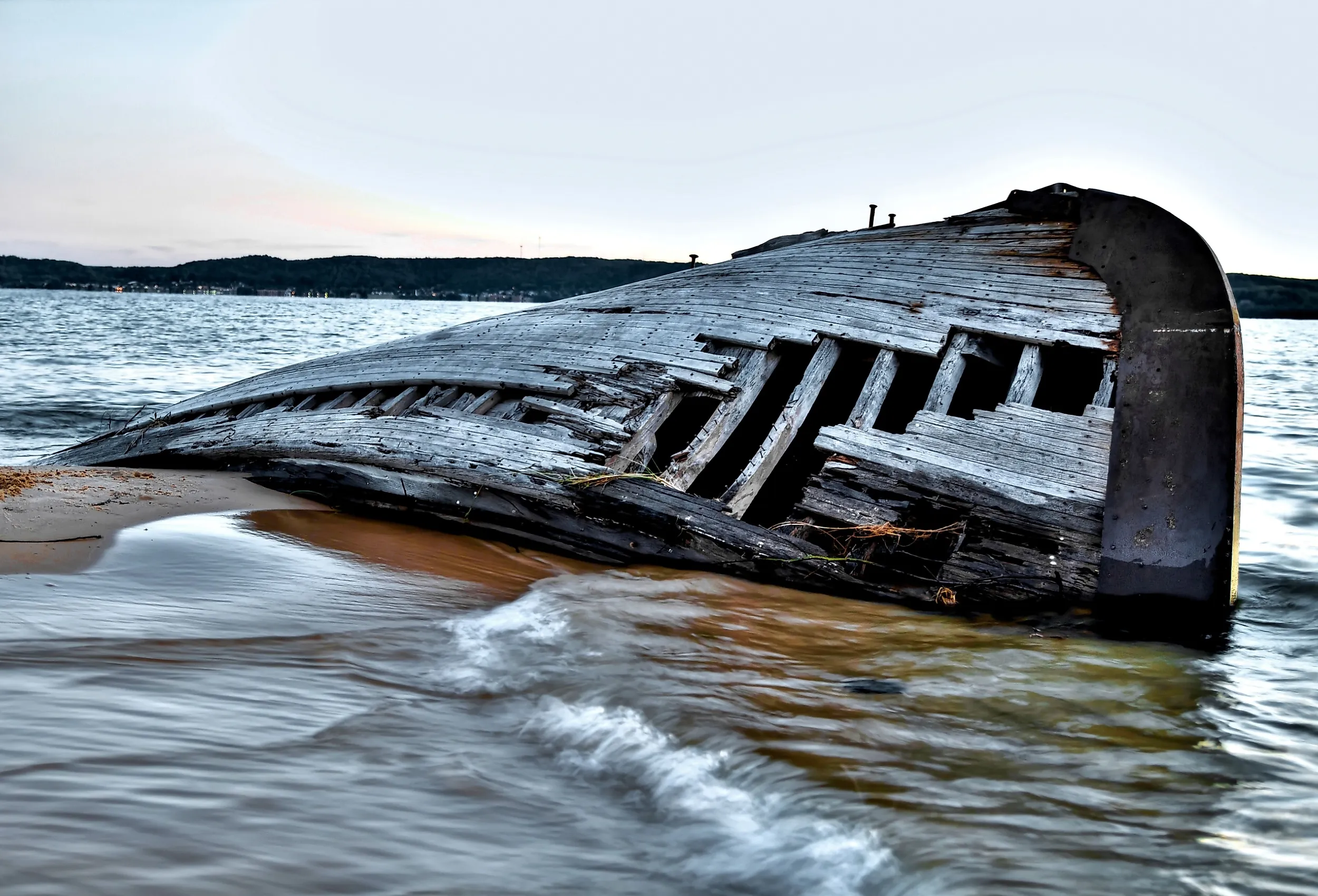
In the early years of Great Lakes shipping expansion, many ships were built quickly and with limited structural strength to supply booming markets. Wooden hulls, heavy cargo loading, inadequate maintenance, and insufficient navigational charts further increased risks. Heavy traffic in often foggy or stormy conditions led to collisions, groundings, and anchor failures. Combined with seasonal ice and limited safety regulations in earlier eras, these factors created an environment in which marine accidents and ship losses were frequent and sometimes catastrophic.
Famous Shipwrecks
Edmund Fitzgerald (1975)

Perhaps the most widely known Great Lakes shipwreck is the SS Edmund Fitzgerald. Launched in 1958, this massive 729-foot iron ore carrier was among the largest vessels on the lakes. On November 10, 1975, while crossing Lake Superior in one of the season’s fiercest storms, the Fitzgerald sank suddenly with all 29 crew members aboard. Investigations have debated the exact causes, suggesting structural damage or enormous waves as possible factors. The wreck rests about 530 feet below the surface, preserved in the cold, fresh waters of Lake Superior, and its story was immortalized by the Gordon Lightfoot folk song “The Wreck of the Edmund Fitzgerald.”
PS Lady Elgin (1860)

The PS Lady Elgin was an elegant wooden sidewheel steamer known for speed and comfort in the era before railroads dominated travel. On the night of September 8, 1860, she was returning to Milwaukee from Chicago carrying about 400 passengers when she collided with the schooner Augusta in rough weather on Lake Michigan. The Lady Elgin sank within minutes of the impact. Although some passengers initially clung to wreckage, heavy surf and undertow dashed many against rocks or out to sea. Estimates place the number of lives lost between 350 and 380, making it one of the deadliest maritime disasters in the history of the Great Lakes.
Rouse Simmons (1912)

The Rouse Simmons, a three-masted schooner, earned the affectionate nickname the “Christmas Tree Ship” for delivering thousands of freshly cut Christmas trees from Michigan’s Upper Peninsula to Chicago each holiday season. In November 1912, while heavily laden with trees and caught in a violent storm on Lake Michigan, the vessel sank off the coast near Two Rivers, Wisconsin. All aboard were lost, and in the weeks that followed, Christmas trees washed ashore across miles of shoreline. The wreck was later located decades afterward under the cold depths, preserving a poignant chapter of Great Lakes lore.
Carl D. Bradley (1958)

The SS Carl D. Bradley was known as the “Queen of the Lakes” for its size and prominence as an iron ore carrier. On November 18, 1958, while transporting limestone on Lake Michigan, the Bradley encountered a powerful storm. The ship broke apart in heavy seas and sank with the loss of 33 of the 35 men aboard. Investigators later pointed to structural issues in the aging vessel as a contributing factor. The tragedy underscored the dangers of late-season navigation and aging maritime infrastructure on the lakes.
Kamloops (1927)

The SS Kamloops disappeared on Lake Superior in December 1927 during a winter storm near Isle Royale. The small Canadian freighter was caught in heavy seas and icy conditions while attempting to seek shelter. When it failed to arrive at port, search efforts were hampered by severe weather and ice. The wreck was not discovered until 1977, resting in deep, cold water that preserved much of the vessel. The loss of the Kamloops and its crew serves as another reminder of how swiftly conditions on Lake Superior can turn deadly, particularly late in the shipping season.
Tragedy and Legacy
The Great Lakes have played an indispensable role in the development of North America, yet their waters have proved unforgiving for mariners across generations. Estimates of shipwrecks range from 4,000 to 10,000, with around 6,000 widely considered a reasonable figure by researchers. These submerged wrecks, from grand steamers like the Lady Elgin to humble schooners like the Rouse Simmons, reflect the often perilous intersection of weather, geography, and human enterprise on these inland seas. Today, many of these sites are subjects of archaeological study, conservation, and respectful remembrance, preserving the stories of those who sailed these waters and reaffirming the Great Lakes’ enduring legacy as a vital transportation network.