The Wildlife You're Most Likely To Die From In A National Park
Given their millions of visits each year, fatal wildlife encounters are statistically rare in America's national parks. But some animals do pose a greater risk than others, and the biggest threats are not always the predators that attract the most attention. Deer, for example, cause dozens of deadly vehicle collisions annually, while ticks and mosquitoes can transmit diseases that put surprising numbers of people in the hospital.
Understanding which fauna are most likely to contribute to deaths in the national parks helps everyone recognize real hazards and take practical precautions, from the simple sightseer to the bona fide outdoorsman.
Deer
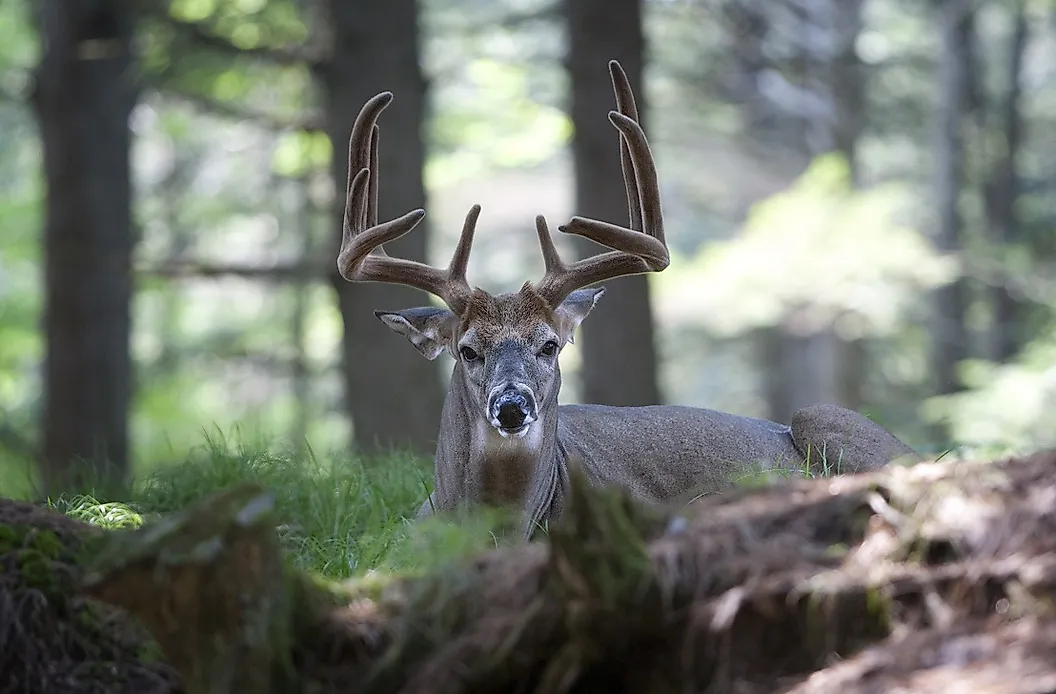
Deer are not the first animals most people associate with fatal accidents in national parks, yet these often docile creatures are responsible for far more human deaths than bears, wolves, or mountain lions combined.
As mentioned, the danger comes primarily from vehicle collisions rather than direct attacks. In fact, up to 440 human deaths are said to happen as a result of road incidents with deer across the United States every year. National parks such as Shenandoah, Great Smoky Mountains, Rocky Mountain, and Yellowstone experience thousands of wildlife-vehicle hits each year, with various kinds of deer and elk accounting for a large share of incidents.
Prominent members of the family, like white-tailed deer, mule deer, and elk, frequently cross park roads at dawn, dusk, and during the fall breeding season, also known as the rutting season, when their movements become less predictable. A sudden collision with a 90- to 300-lb. (41-136 kg) animal can cause severe injuries, rollovers, or multi-vehicle crashes.
Drivers are most at risk on two-lane scenic roads with plenty of distractions and limited visibility. Reducing speed, especially in posted wildlife-crossing zones, is the most effective way to avoid a potentially deadly encounter with deer anywhere in the country.
Mosquitoes
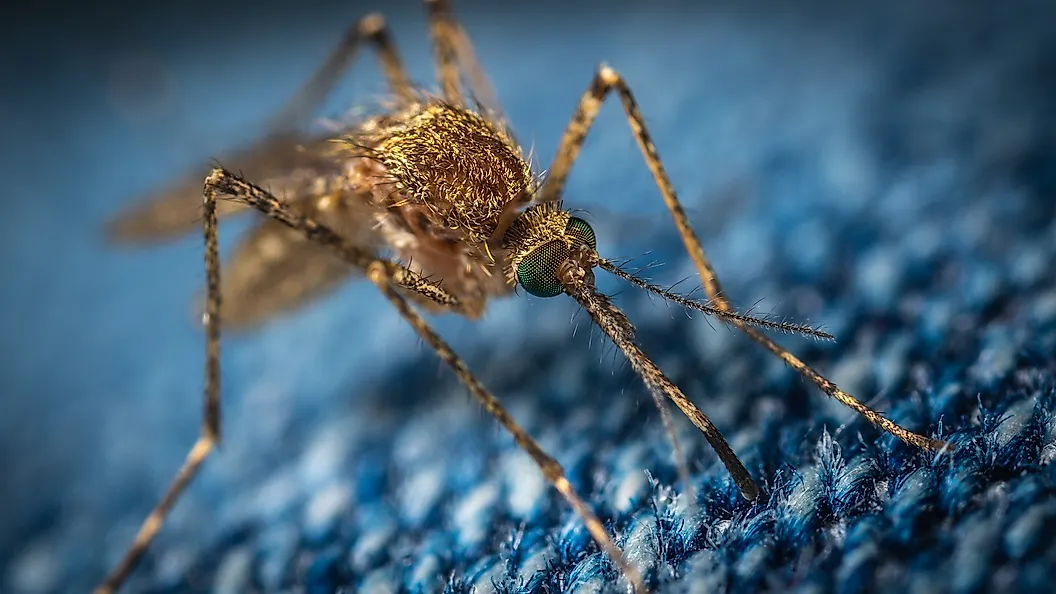
Mosquitoes are widely considered the deadliest animals on Earth, and they likewise pose a real health risk in American national parks. Contributing to about 130 deaths in the United States alone each year, they have proven to be very effective at transmitting diseases. The most significant mosquito-borne illnesses in North America include West Nile virus, eastern equine encephalitis, St. Louis encephalitis, and, in some regions, La Crosse encephalitis. Severe infections can lead to meningitis, encephalitis, long-term neurological damage, or death.
Mosquito populations can swell in parks with abundant wetlands, marshes, floodplains, and standing water. With that, the Everglades, Congaree, Voyageurs, Big Cypress, and many Alaskan national parks are well known for intense activity during warmer months. Those who spend extended time camping, fishing, paddling, or hiking near water in these destinations are, of course, at the greatest risk of repeated bites.
Most mosquito-borne infections remain uncommon in more developed nations, but the sheer number of bites an individual receives in heavily infested areas increases the chance of exposure. Wearing long sleeves and pants, applying EPA-approved insect repellents, using head nets when necessary, and avoiding outdoor activity at dawn and dusk can significantly reduce the risk of disease in whichever national park you may find yourself in this spring and summer, and possibly fall and winter for more temperate locales, too.
Ticks

Ticks may be tiny, but they are also far more likely to contribute to a national park visitor's death than any of the large predators out there. It is estimated that over 30 million bites and possibly dozens of disease-related deaths as a result are attributed to them in the U.S. in an average year.
The danger does not come from the tick bite itself, but from the diseases ticks can transmit, including Lyme disease, Rocky Mountain spotted fever, ehrlichiosis, anaplasmosis, and Powassan virus. In severe cases, these illnesses can cause organ failure, neurological complications, allergies to animal products, or death if they are not diagnosed and treated promptly.
Ticks are especially common in parks with extensive forests, tall grasses, lots of brush, and abundant deer populations. Areas such as Acadia, Shenandoah, Cuyahoga Valley, Great Smoky Mountains, and many other parks in the Northeast, Deep South, and Midwest provide ideal habitat for blacklegged ticks, lone star ticks, and other prolific disease-carrying species.
Because these blood-thirsty arachnids are really quite small, usually the size of a nail's head, and often attach in hidden areas of the body such as the scalp, armpits, groin, and behind the knees, many people do not notice them until hours later. Wearing long clothing, using insect repellents containing DEET or picaridin, staying on well-maintained trails, and performing thorough tick checks right after hiking are the most effective ways to reduce the risk of serious tick-borne disease.
Snakes

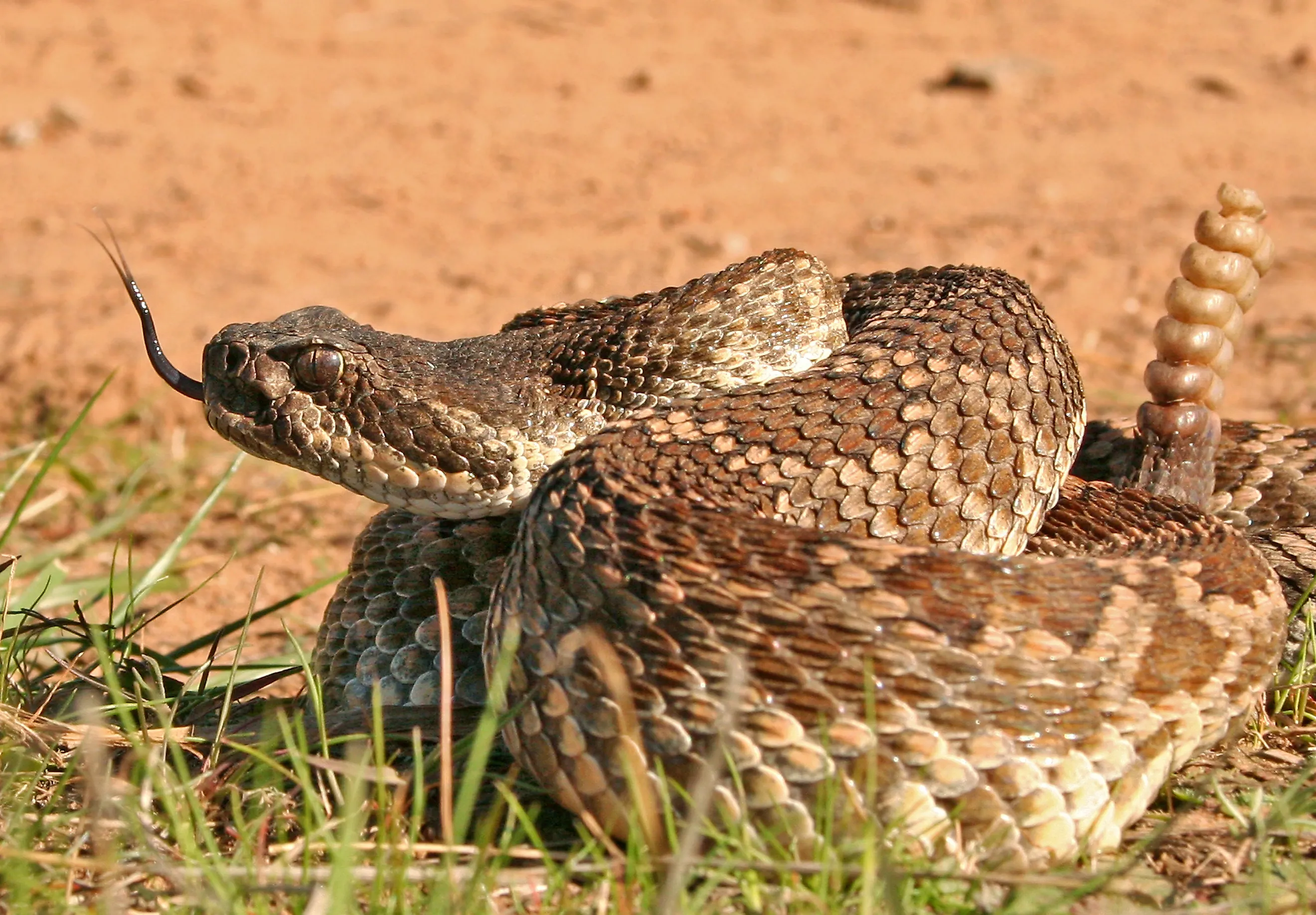
Highly feared across the world for good reason, fatal snake bites are still extremely uncommon in the United States. Still, venomous species here can pose a serious threat when you accidentally disturb them or, for whatever reason, attempt to handle them. Species such as rattlesnakes, copperheads, and cottonmouths use their venom to subdue prey, with successful bites causing severe tissue damage, blood complications, or, in rare cases, death without medical treatment.
With around 5 fatalities per year in America, rattlesnakes are responsible for the majority of serious snakebite incidents on the continent. They are found in several national parks across the western and southern United States, including areas with rocky terrain, deserts, grasslands, and dry forests. Rattlesnakes often rely on camouflage and may strike when stepped on or cornered, and the worst recorded cases typically involve individuals who are far from facilities that carry antivenom.
Most snake encounters can be avoided by staying on marked trails, watching where hands and feet are placed, and always giving any of these territorial reptiles, venomous or not, plenty of space. Obvious to many, it still ought to be said that you should never attempt to pick up, move, or photograph a venomous snake at close range.
Bears

Bears are involved in many of the most high-profile wildlife incidents in America, even though fatal attacks remain relatively uncommon. Grizzly bears and coastal brown bears, both regional forms of the same species, along with black bears and polar bears, can all inflict catastrophic injuries because of their size, strength, powerful jaws, and omnivorous diet. Grizzlies, which can exceed 600 lb. (272 kg), are generally considered more dangerous than the much more numerous black bears because they are more likely to aggressively defend food, carcasses, territory, or cubs instead of fleeing.
It should be stated, however, that most species of bears prefer to flee, and typically attack only if they feel cornered or frightened. That being said, most dangerous encounters occur when hikers or hunters surprise a bear at close range, especially in areas with dense vegetation, along noisy streams, or near food caches.
Yellowstone, Glacier, Grand Teton, Denali, and other western parks have all recorded grizzly-related fatalities over the years, while run-ins with black bears are commonplace in more eastern parks. On the other hand, beyond the Arctic Circle in spots like Cape Krusenstern National Monument, polar bears have been known to weigh in at 1,500 lbs (680 kg) and may actively hunt humans in their often desolate, food-scarce habitats. But in the majority of cases across North America, investigators found that the bears, regardless of species, were reacting defensively rather than treating humans as prey.
Proper food storage is one of the most important safety measures in bear country when camping or hiking. Unsecured food, garbage, or scented items can attract them and increase the likelihood of close encounters. Park visitors are also advised to travel in groups, travel during daylight when possible, make noise on the trail, where chatting works best rather than bear bells and definitely not Bluetooth speakers, carry bear spray in an easily accessible place, and stay at least 100 yards (91 m) away. If permitted, used responsibly, and only taken out when actively being attacked or charged upon, firearms can be another effective deterrent, particularly against ultra-aggressive polar bears.
Bison
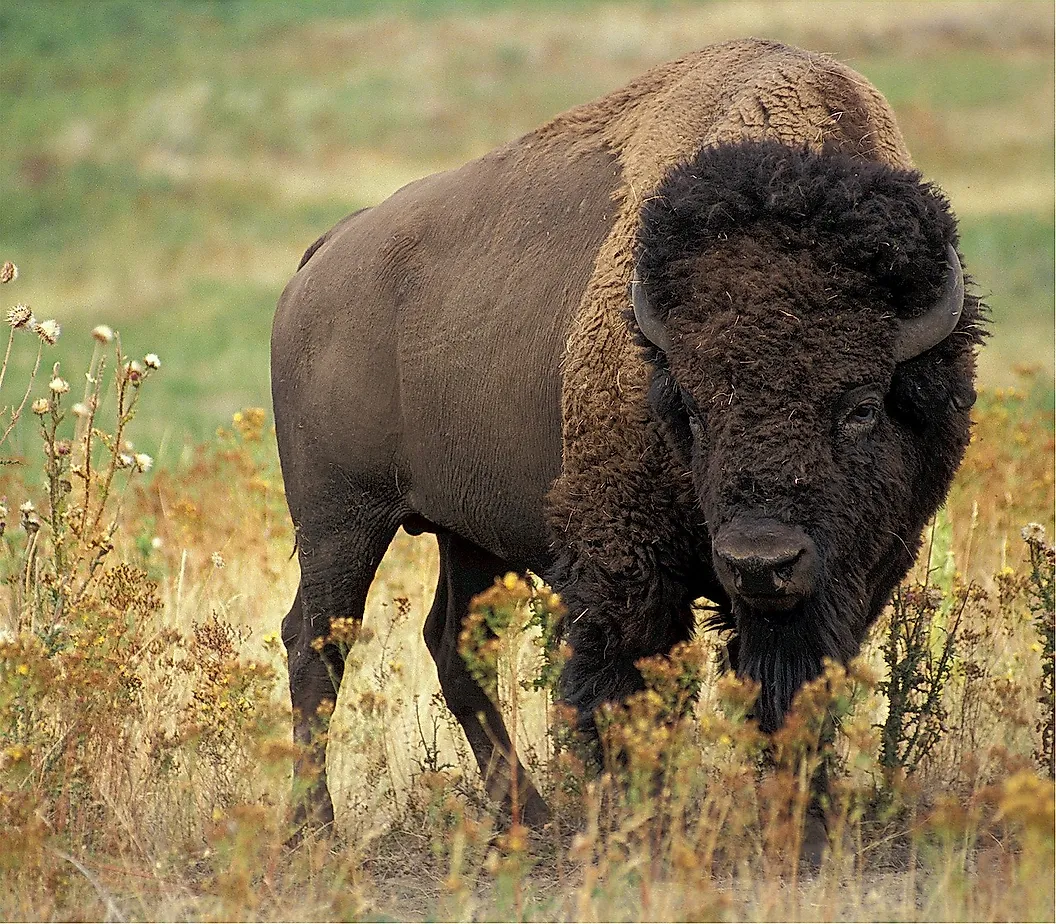
Bison are among the most intimidating large mammals in a few of North America's national parks, posing a risk due to their sheer power, unpredictability, and often underestimated territorial behavior by unaware visitors.
Despite their calm appearance while grazing, bison can charge with little warning if they feel threatened, startled, or crowded. Adult bulls can weigh up to 2,000 lb. (907 kg) and can run at speeds approaching 35 mph (56 km/h), far faster than any human.
Although deaths are surprisingly rare, with only a couple actually on record, Yellowstone National Park reports more injuries from bison than from any other wild animal in the park. Many incidents occur when someone approaches too closely for photographs, attempts to move around animals blocking roads or trails, or worse, tries to touch them. A charging bison can gore a person with its horns, toss them into the air, or simply cause severe blunt-force injuries.
With that, the National Park Service recommends staying at least 25 yards (23 m) away from bison at all times. During the rut in late summer and when cows are protecting calves in spring, these creatures are especially aggressive and should be given even more space than usual.
Staying Safe Around America's Wildlife
The fauna most likely to kill people in the national parks are often easily avoidable if you know what you're doing. Everyday encounters with deer, snakes, bison, ticks, mosquitoes, and bears, as well as many others, can all carry serious risks, but respecting wildlife in general, maintaining distance, wearing proper clothing, bringing the right gear, and staying aware of your surroundings are the best ways to safely experience the country's most beloved green spaces.