The Least Visited National Park In America
With just under 7,790 annual visitors last year, Alaska's Kobuk Valley National Park is, in fact, the least visited national park in the United States, sitting a good margin behind second-place's Gates of the Arctic National Park, also in Alaska, at a little over 14,920 visitors. Located to the far north of the state, this remote park has essentially zero roads, no official/maintained trails, and little to no developed facilities, making it quite the challenge to get to as well. Its landscapes instead include vast sand dunes, little-traveled waterways, and important habitat for a large Arctic caribou herd among other hardy flora and fauna.
However, for those who do manage to make the difficult journey up to it, Kobuk Valley provides an unforgettable opportunity to experience one of the country's most isolated and undeveloped national parks.
The History and Landscape of the Kobuk Valley National Park

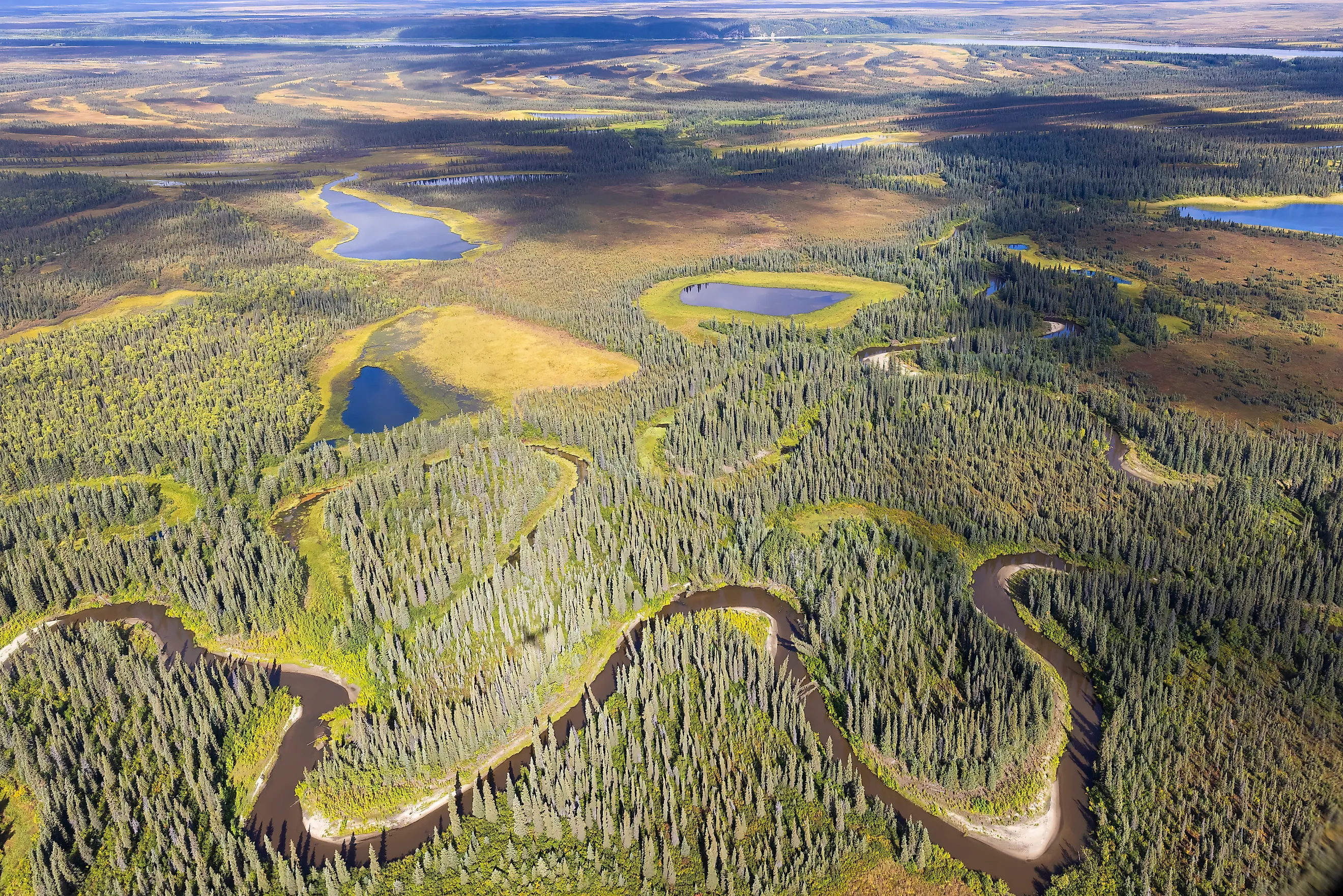
Kobuk Valley National Park lies within the northwestern corner of Alaska, where the Brooks Range transitions into the lowlands surrounding the Kobuk River. It represents a rare meeting point between Arctic tundra, woodlands, and, oddly enough, desert-like terrain. Established as a national park in 1980 under the Alaska National Interest Lands Conservation Act, it now protects 1.75 million acres of rugged wilderness.
Geologically, the valley is defined by the Kobuk River, boreal forests, a scattering of wetlands, and the unusual Great Kobuk Sand Dunes. The park's active dune fields cover about 20,500 acres and were formed by glacial sands deposited during the last Ice Age, only to be regularly reshaped by blowing winds to this day.
The region has also been shaped by thousands of years of human activity deeply connected to the annual migration of the Western Arctic Caribou Herd that has historically passed through the park. With that, the Iñupiat people have lived along the Kobuk River for generations, relying on caribou, fish, and other resident wildlife for food and materials.
Why is Kobuk Valley so Hard to Get To?

It is among the least accessible national parks in the United States, mainly because it has no roads, highways, or regularly maintained trails connecting it to the outside world. Instead, the park sits hundreds of miles from any of Alaska's major population centers, with the nearest communities accessible only by small aircraft, boats, or winter routes.
Visitors typically reach Kobuk Valley by chartering a bush plane from towns such as Kotzebue or Bettles, with flights heavily dependent on weather conditions and aircraft availability. Once inside the park, you basically have to be self-sufficient, as there are no campgrounds, restaurants, visitor centers, or marked routes either.
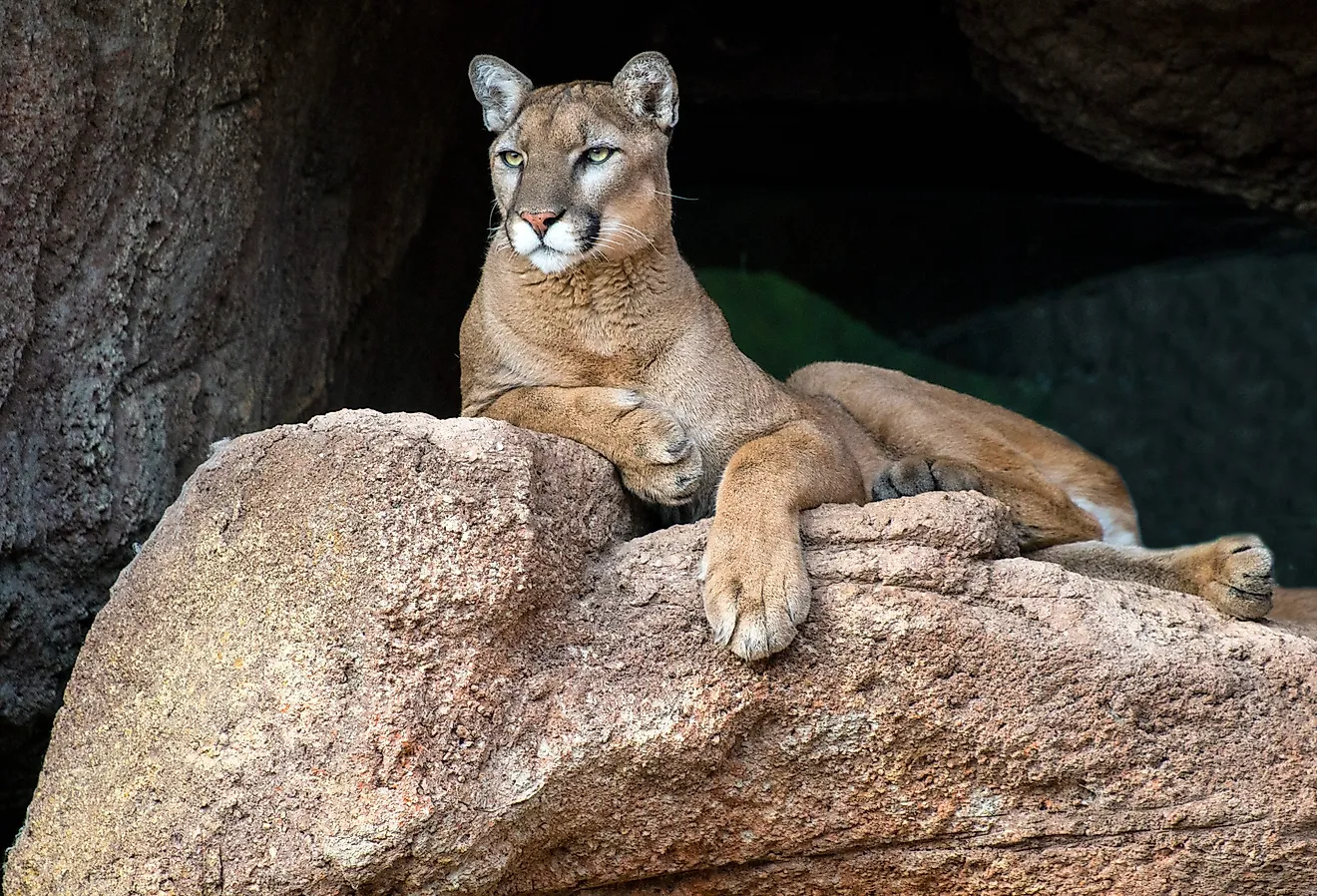
And Kobuk Valley's dense network of rivers, wetlands, forests, and shifting sand dunes makes overland travel even more challenging, all while the weather can change rapidly and easily become deadly to the unprepared and inexperienced. On top of that, large predators like gray wolves, black bears, and grizzly bears, as well as wolverines, live here and are generally not too keen on sharing the land.
As you can imagine, these immense difficulties are the primary limits to visitation, but also help maintain Kobuk Valley's remote character and largely untouched, pristine environments.
What to See and Do While in This Incredibly Remote Parkland
While it doesn't have all the fancy amenities many other state and national parks in the Lower 48 sometimes have, most come here for exactly that, a raw wilderness adventure with little human presence getting in the way. If you happen to be planning a trip to Kobuk Valley, here are some suggestions to add to the itinerary.
Explore the Great Kobuk Sand Dunes

As said before, the Great Kobuk Sand Dunes are perhaps the most recognizable landmark in the valley. Covering around 25 square miles (65 km²), these massive dunes rise from the surrounding forests, creating a unique, visually out-of-place desert environment for something above the Arctic Circle and not somewhere closer to the equator.
The location provides a close look at one of Alaska's most striking geological formations. However, reaching the dunes requires an aircraft drop-off and backcountry travel. Once there, you're able to hike across them, allowing you to delve deep into the dune field and observe how wind and water continue to reshape the landscape around you.
Watch the Western Arctic Caribou Herd Migration

A part of the migration route used by the Western Arctic Caribou Herd, which has historically been the largest caribou herd in North America, Kobuk Valley is a bucket-list destination for many nature enthusiasts and photographers alike. In autumn and spring, thousands of said caribou move across the park's tundra and river valleys as they travel between seasonal ranges.
Viewing from a distance is among the few ways to experience the scale of this movement in such a setting, though sightings depend on timing and location, making the need for a skilled guide almost essential. Those who do get to the right spot at the right time in the national park during migration will likely see countless caribou crossing the Kobuk River or moving across open expanses of land literally molded by generations of these animals trampling over it.
Paddle the Kobuk River

The Kobuk River offers another one of the best ways to see Kobuk Valley National Park. Stretching for more than 380 mi (612 km) across upper Alaska, the river passes through a variety of landscapes before reaching the Chukchi Sea.
Anyone with sufficient experience on quick-moving waters can travel sections of the river by canoe or kayak, using the waterway as a route to cut some of the park's most remote terrain. Along the journey, paddlers may spot caribou, moose, bears, and migratory birds along the riverbanks, as well as notice a complete lack of urban development of any kind.
But because there are no official launches or services inside the park, river trips require careful planning, navigation skills, and preparation for changing Arctic conditions, with a guide, again, being an excellent idea for non-locals.
An Isolated Arctic Wilderness Worth the Hard Trip
Kobuk Valley National Park is possibly America's most challenging park to reach, but its isolation is exactly the draw for the truly adventurous of us out there. From its otherworldly sand dunes to migrating herds of caribou and remote river routes, the park protects natural scenery rarely seen by the naked eye. For those willing to travel deep into the Alaskan backcountry, Kobuk Valley is almost sure to deliver an outdoor experience like no other.