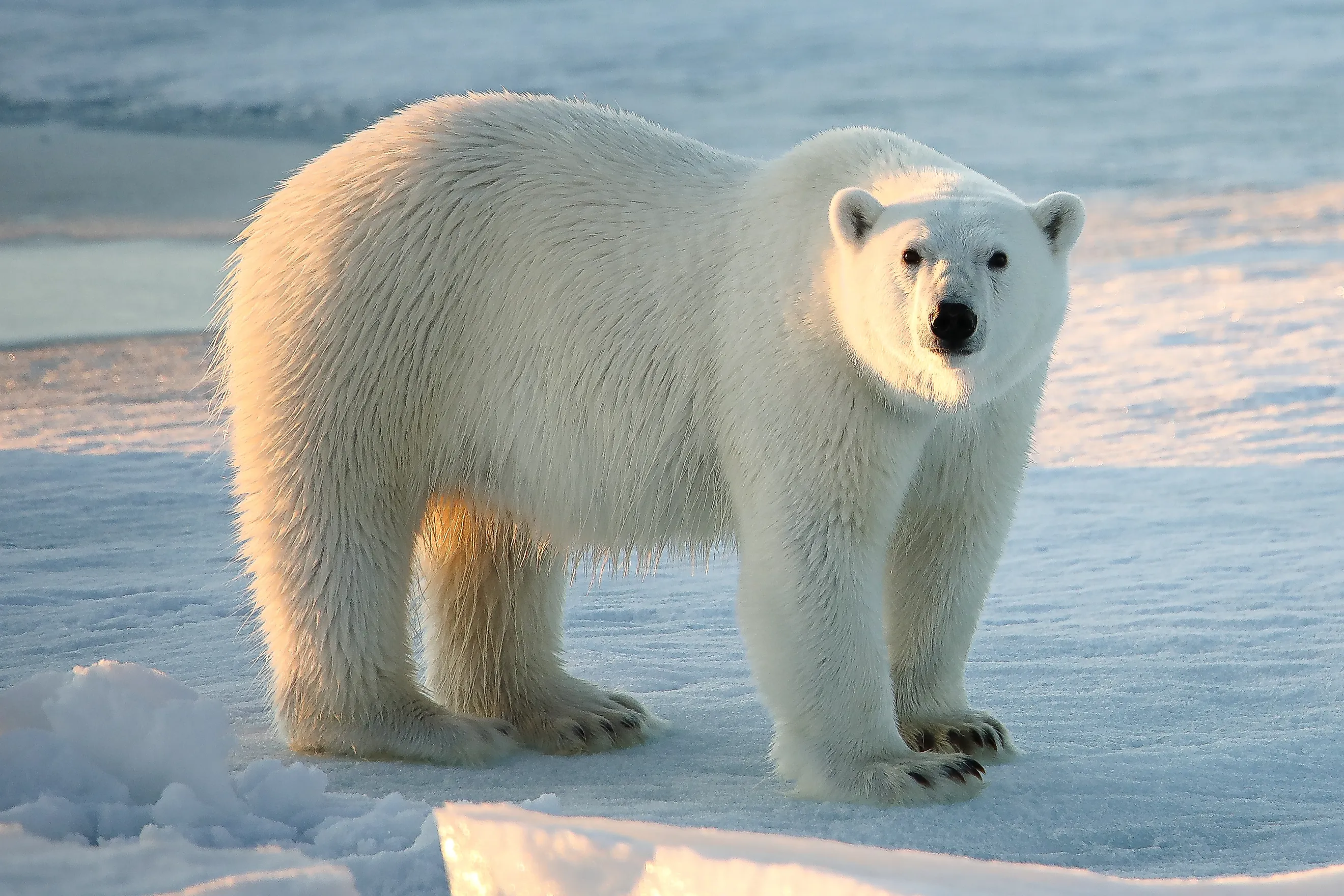
Polar Bear
Polar bears are one of the largest land carnivores on Earth and a top predator of the Arctic ecosystem. They are built for extreme cold, evolving from a range of adaptations that allow them to thrive where few can survive. Unlike most bears that eat a wide variety of foods, this hunter relies heavily on marine mammals.
They play a crucial role within the region's food web. Their lives are closely tied to the presence of sea ice, which they use as a platform for traveling, hunting, and resting.
Because their survival depends so heavily on sea ice, they have become an important species for scientists studying environmental changes in the Arctic. Looking more closely at these remarkable creatures helps reveal important ecological clues about animals can live in some of the planet's most challenging ecosystems.
Taxonomic Classification

Polar bears belong to the family Ursidae, a group that includes several other relatives. Scientists classify them under the genus Ursus. Its full scientific name is Ursus maritimus, a term derived from Latin meaning "sea bear." The name reflects its extensive reliance on marine ecosystems.
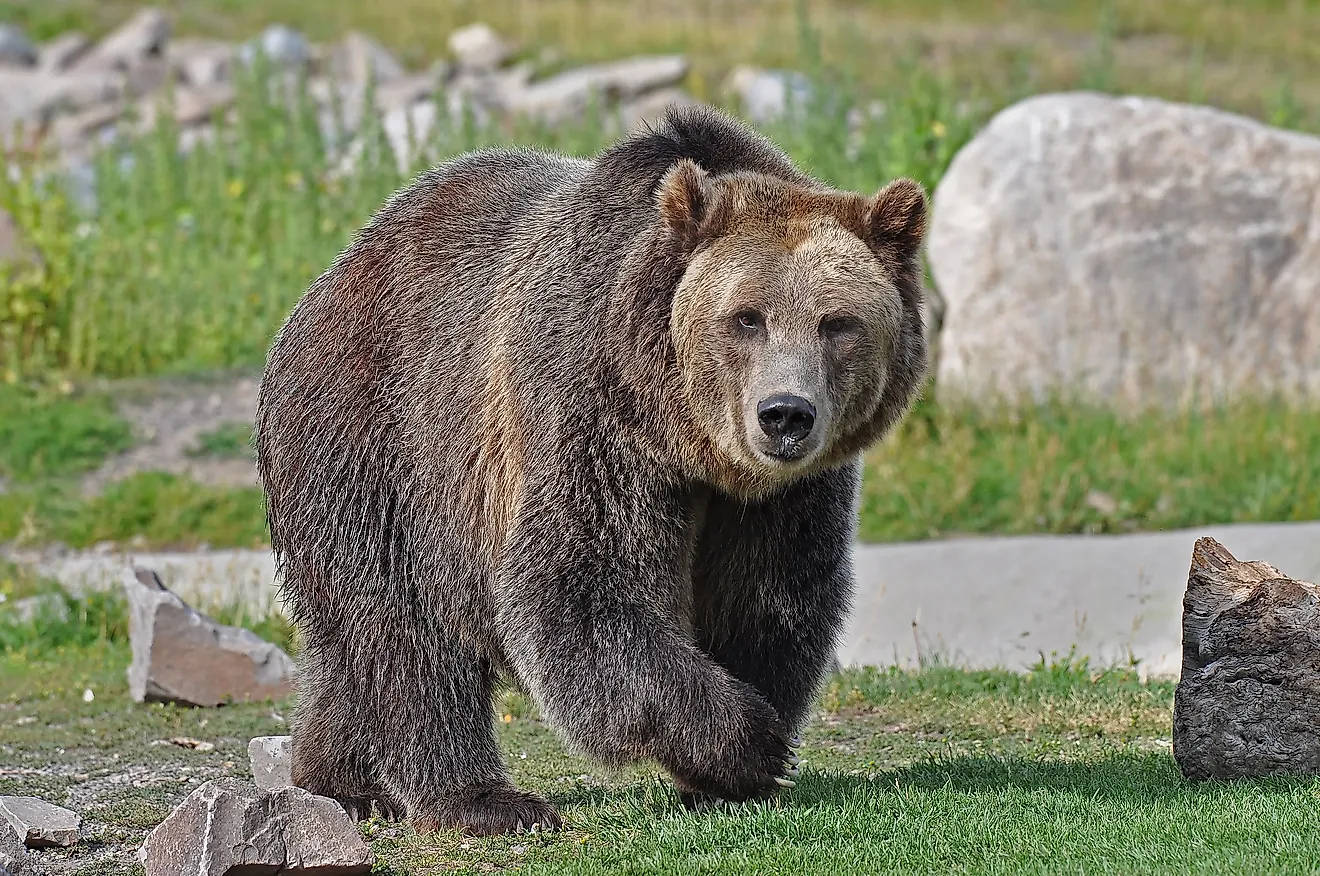
Evidence from fossil records and DNA analysis indicates that an ancestral brown bear population gradually adapted to Arctic coastal environments. Over tens of thousands of years, natural selection favored traits suited for life on sea ice and in freezing marine climates.
Range and Habitat

These predators inhabit the circumpolar Arctic. The region encircles the North Pole across North America, Europe, and Asia. They are found wherever seasonal sea ice forms across the Arctic Ocean and nearby seas.
Major population zones include northern areas of Canada, Russia, Greenland, Norway, and Alaska. These places all share a critical environmental feature of floating ice platforms. Sea ice is the primary hunting ground for polar bears. They travel across these drifting surfaces in search of breathing holes used by seals. Ice also enables long-distance movement across Arctic waters that would otherwise block travel.
During warmer months, large sections of sea ice break apart or melt. In areas with extended summer ice loss, some bears spend weeks or months on land. Coastal tundra, barrier islands, and gravel beaches become temporary resting zones until ice returns in autumn.
Snow-covered terrain along Arctic coasts supports maternity dens used by pregnant females. Deep snowdrifts form natural shelters where expectant mothers dig chambers that protect newborn cubs during the coldest part of winter.
Diet and Hunting Strategy

Polar bears are one of the most specialized carnivores in the mammalian world. Their diet mainly consists of marine mammals, particularly ringed seals and bearded seals that provide the high-fat energy source they need to survive in the extreme cold.
Their hunting method requires patience and precision. Bears wait beside seal breathing holes in the ice, a technique known as still-hunting. A seal surfacing for air triggers an explosive strike from powerful forelimbs. They then drag the prey onto the ice.
Blubber forms the most valuable portion of the meal. Seal fat has enormous caloric reserves that support long fasting periods and the extreme demands of the Arctic environment. After consuming fat and skin, they sometimes leave remaining meat for scavengers such as Arctic foxes and seabirds.
They also pursue seals resting on the ice surface. In rare cases, they attack larger marine mammals such as the walrus. However, such encounters carry much higher risk of injury due to the prey's size and defensive tusks.
During ice-free periods, some consume bird eggs, carrion, small land mammals, or vegetation along Arctic coastlines. These foods equate to limited calories compared to seal blubber, making them poor primary diet substitutes.
Physical Description

Polar bears rank as one of the largest land carnivores on Earth. Adult males can exceed 1,500 pounds in weight. They can reach more than 8 feet in height when standing on hind legs. Females weigh about half that mass.
Their thick white coat creates camouflage for hunting against snow and ice. Individual hairs lack pigment and scatter light, producing the appearance of pure white fur. Beneath that fur lies black skin, a trait that improves absorption of solar heat.
A dense underfur layer traps warm air close to the body. Above it sits a longer outer coat that sheds water after swimming. This insulation helps polar bears survive Arctic temperatures far below freezing. Their large paws are another important adaptation. Each paw can exceed 12 inches across. This helps spread their body weight across ice surfaces and functions like natural snowshoes. Rough pads and small bumps on the soles of their feet increase traction on slick ice.
These bears are also some of the strongest swimmers in the Ursidae family. Their partially webbed paws propel them through icy water during long-distance travel between ice floats. Thick body fat, reaching several inches deep, provides both buoyancy and insulation during these journeys.
Behavior

Daily life revolves around energy conservation and hunting opportunities. They move slowly and deliberately across ice. This reduces unnecessary calorie expenditure in an environment where food sources appear unpredictably.
Their senses are among their most powerful tools. Scientists estimate that polar bears can detect a seal beneath several feet of snow or identify carrion more than a mile away under favorable wind conditions. They spend many hours resting between hunting attempts. Such inactivity conserves energy during prolonged periods without food.
They live primarily solitary lives. Adults travel alone across large areas of ice. Interactions tend to occur only during breeding season or near concentrated food sources such as whale carcasses. Communication still happens through scent marking, vocalizations, and body posture. Tracks, urine markings, and claw marks on ice leave signals that others can interpret.
Reproduction and Life Cycle

Reproduction follows a seasonal pattern closely tied to Arctic environmental cycles. Mating activity is concentrated during spring, a period when sea ice still supports widespread hunting. After fertilization, females experience delayed implantation. The fertilized egg does not immediately attach to the uterus. Instead, development begins later in the year, ensuring cubs arrive during the most stable winter conditions.
One to three cubs enter the world during midwinter, usually between November and January. Newborns weigh barely more than one pound, and are blind and nearly hairless. They depend entirely on their mother's milk and body heat during the early weeks of life.
Inside the den, the little ones grow rapidly. By spring, they develop thick fur and enough strength to follow their mother outside. Cubs travel alongside their mother across the ice for more than two years. As they grow, they learn essential survival skills such as hunting techniques, traveling on ice, and honing their senses.
Threats

Even with powerful adaptations to Arctic conditions, polar bears face increasing environmental pressure. The most serious threat involves the loss of sea ice linked to global climate warming. Sea ice forms the foundation of their hunting strategy. Earlier spring breakups and later autumn freeze reduce the time these animals can pursue seals across the ice. Shorter hunting seasons limit fat reserves needed to survive long Arctic winters.
Industrial activity also presents increasing challenges. Oil extraction, shipping routes, and coastal development create disturbances in sensitive Arctic ecosystems. Pollution entering northern waters can move through marine food chains that ultimately reach polar bears.
In some regions, longer ice-free seasons bring them closer to coastal settlements and villages in search of food. These encounters create safety concerns for both wildlife and nearby communities.
International conservation agreements, global action on climate change, and widespread habitat protection are crucial to supporting their long-term survival.
Importance to the World

Polar bears carry major ecological importance across Arctic ecosystems. As an apex keystone species, they regulate seal populations and influence the broader marine food web. Their feeding activity also contributes to nutrient distribution. Carcasses left on the ice support scavengers such as Arctic foxes, gulls, and ravens. This transfer of energy supports animals across the region.
Beyond ecology, they function as a widely recognized symbol of Arctic environmental change. Their reliance on sea ice makes them a visible indicator of shifting climate conditions in northern regions. Scientists track health, reproduction, and migration patterns to understand larger environmental trends.
Indigenous Arctic communities also have deep cultural ties to polar bears and strong knowledge of them. Generations of indigenous hunters have documented seasonal movements, denning areas, and behavior. This knowledge plays a crucial role in helping them survive in a changing landscape.
Apex Predators of the Arctic

Polar bears illustrate how closely an animal can adapt to a specific environment. Their physical traits, hunting strategies, and seasonal behaviors are closely tied to life on Arctic sea ice. This apex predator's entire life cycle is integrally intertwined with the patterns of the Earth's coldest seas.
Studying this keystone species helps scientists understand how shifting climate patterns affect entire Arctic ecosystems. Ensuring their long-term survival would mean supporting the health and vitality of the Arctic as a whole. Polar bears stand as a powerful example of the connection between wildlife survival and the stability of the environment that supports it.