The American Mountains Where Snakebites Happen Most Often
The North Carolina Poison Control center handled 733 snakebites in 2020, and copperheads were responsible for most of the venomous ones. North Carolina has the highest snakebite rate per resident in the country. Copperheads are common in its western mountains, where forested ridges meet backyards and woodpiles. No agency tracks snakebites by mountain range, but poison center data show a clear pattern. The states with the most bites per person share wooded, rocky uplands where copperheads and rattlesnakes thrive. Those uplands are where Americans are most likely to be bitten.
The Southern Appalachians, North Carolina

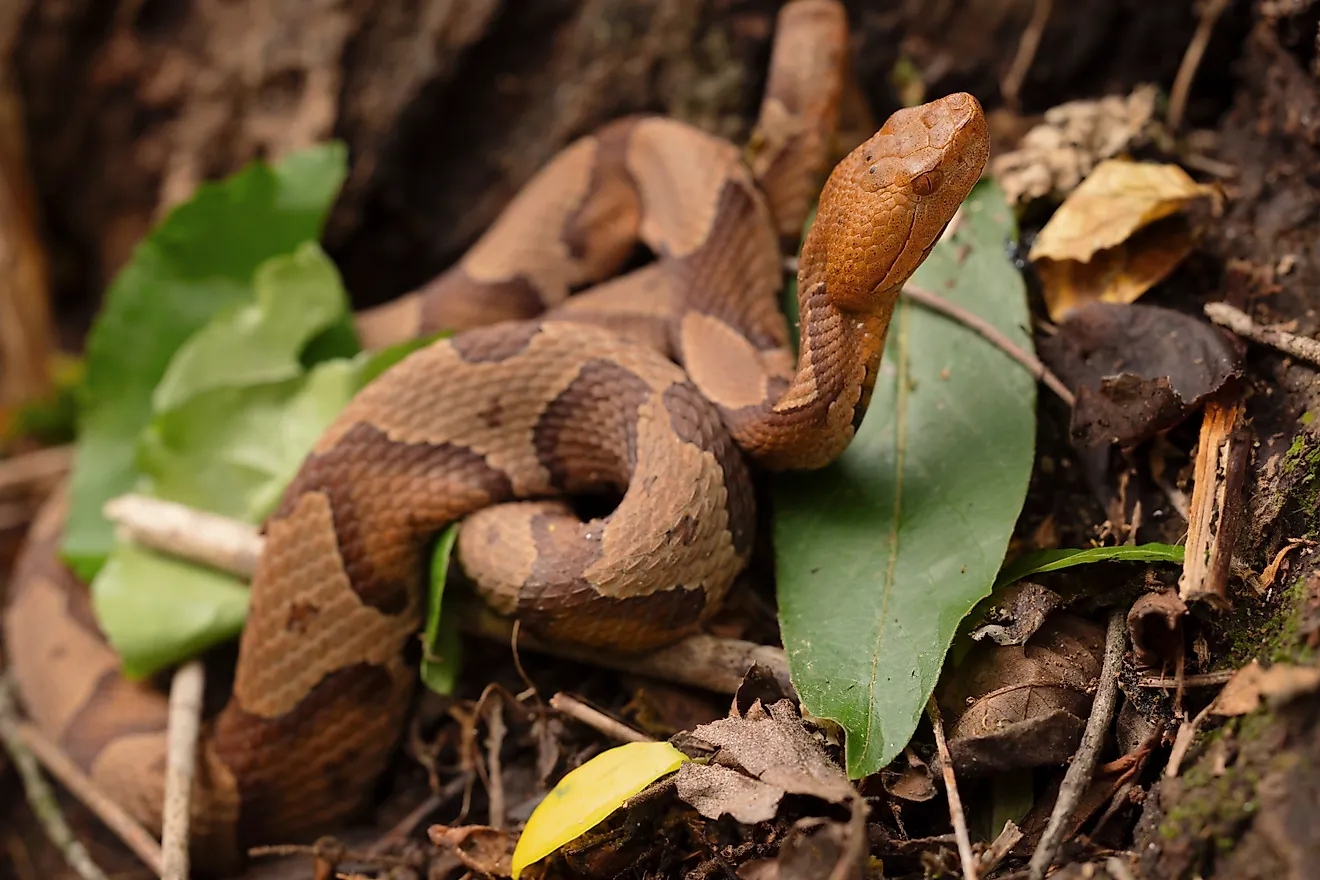
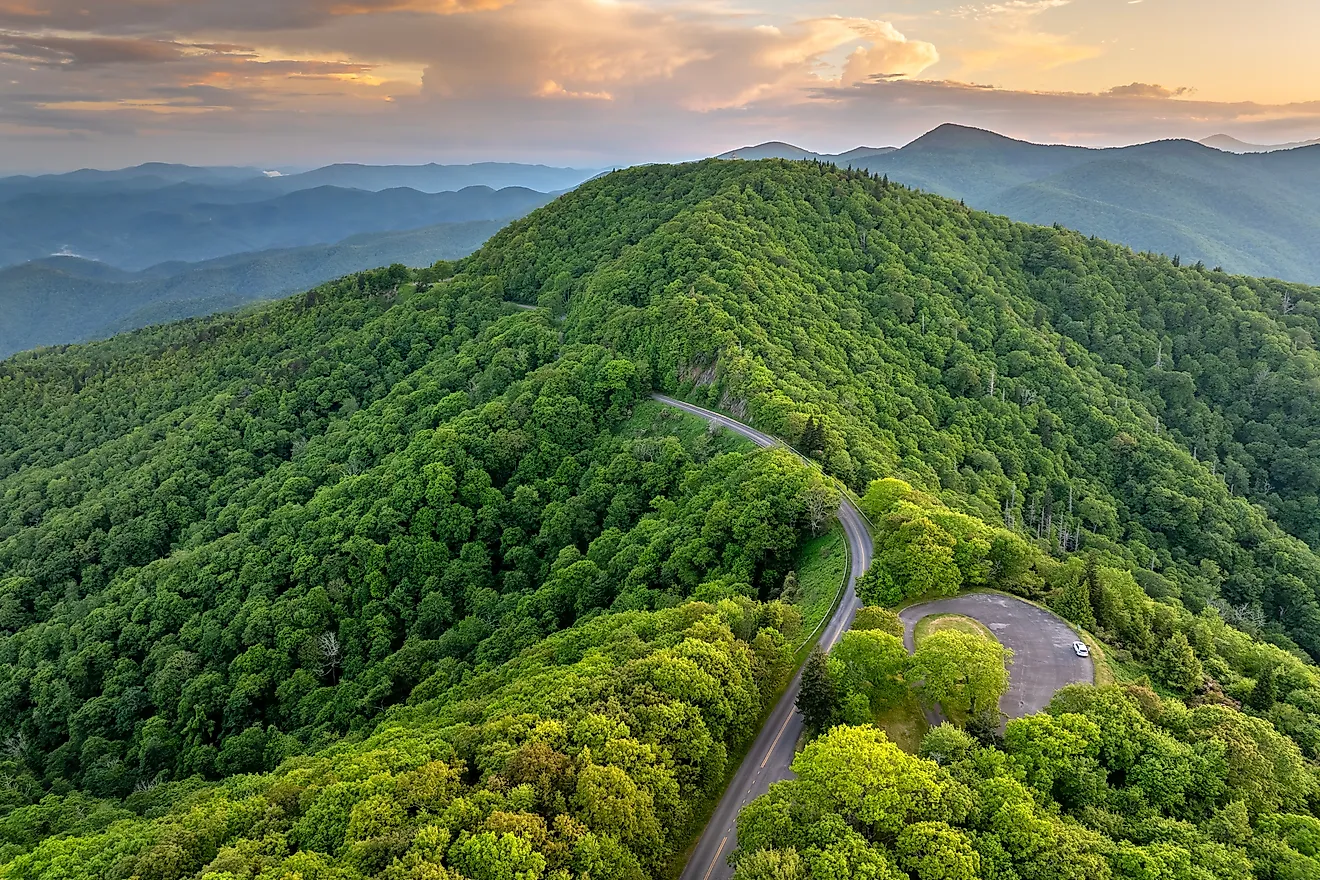
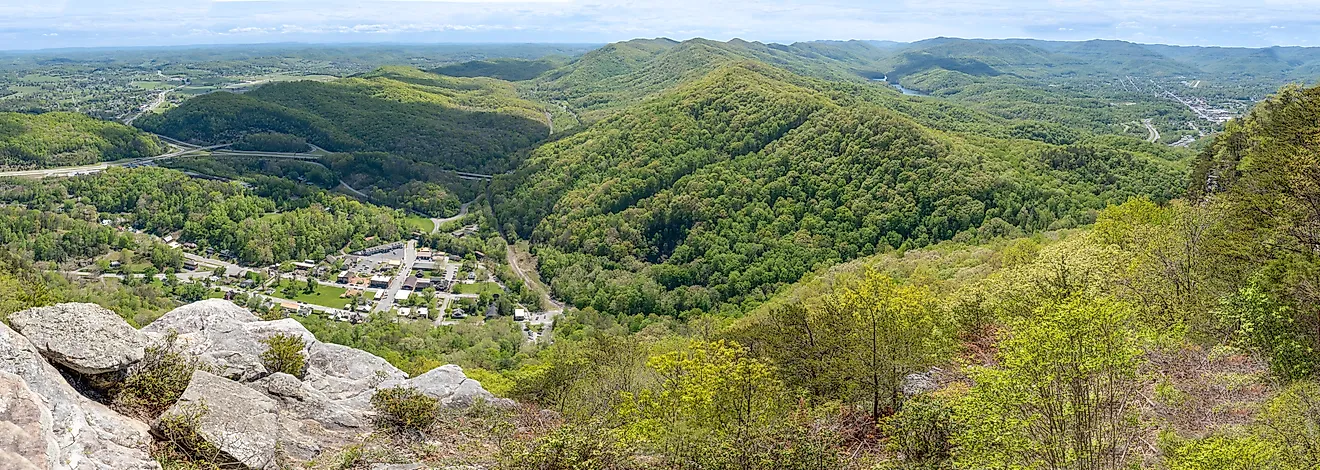
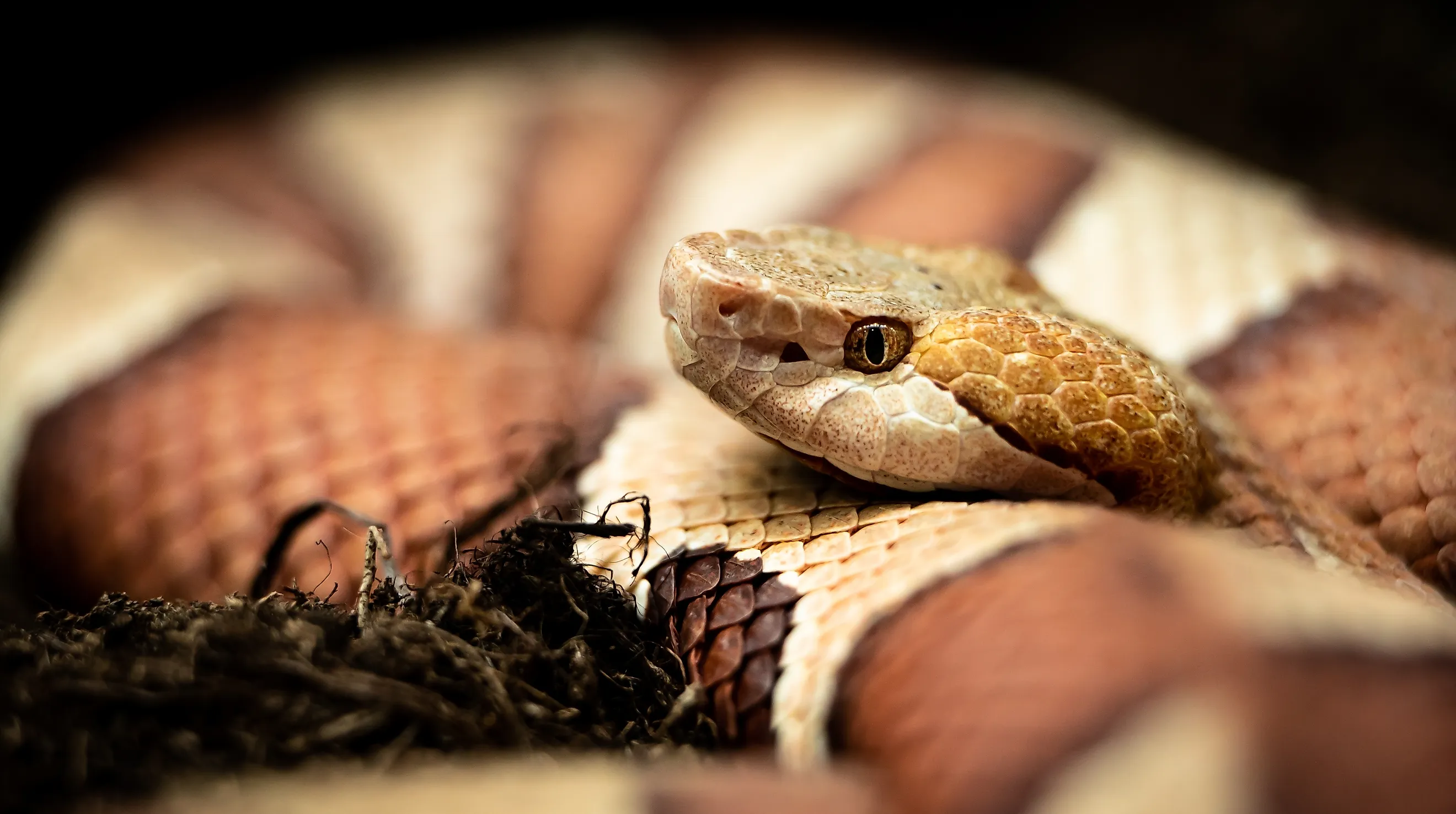
The Blue Ridge and Great Smoky Mountains of western North Carolina are copperhead country. According to state wildlife officials, copperheads cause about 90% of the venomous snakebites in North Carolina, and the state accounts for roughly one in five copperhead bites reported in the entire country.

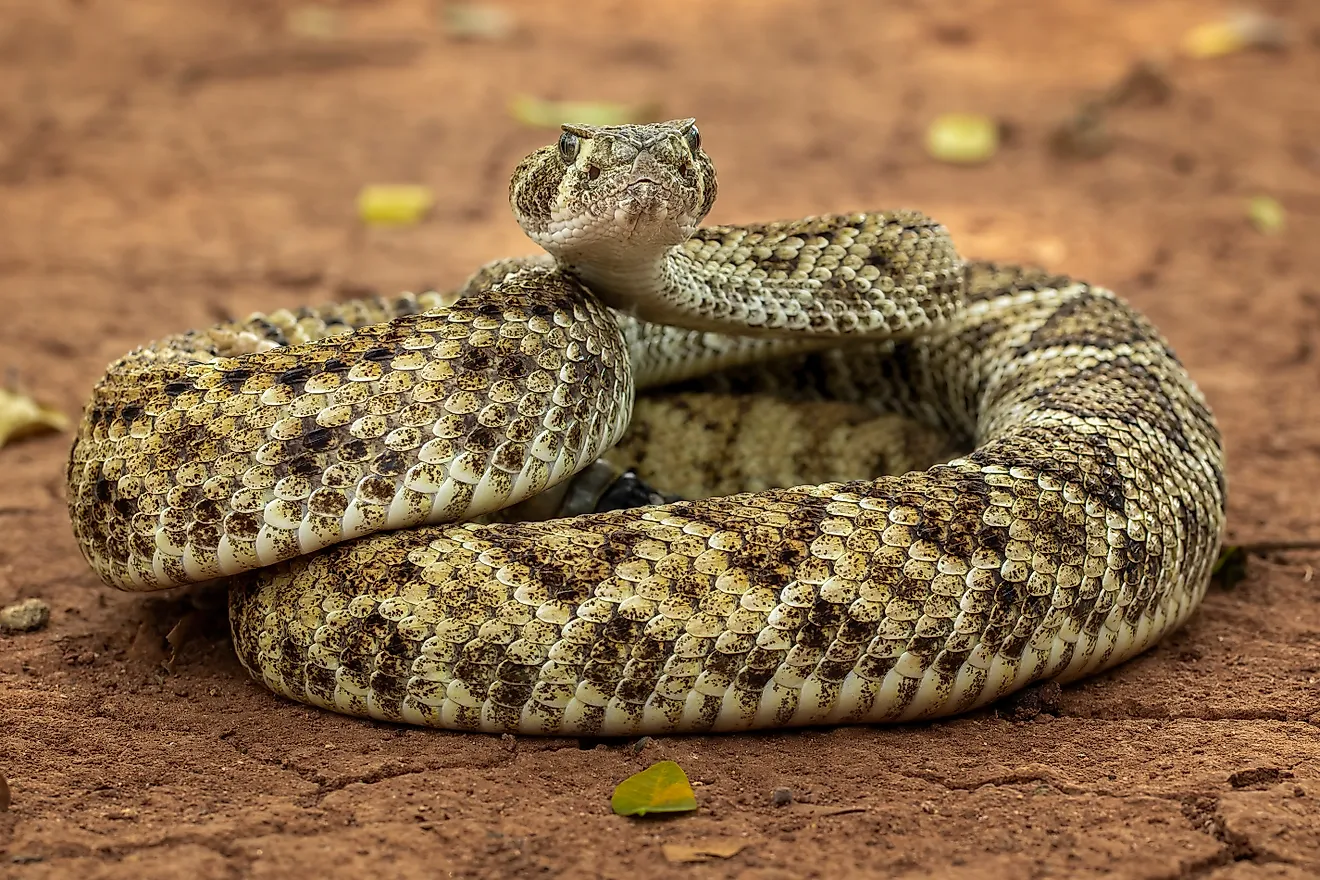
The snakes are well camouflaged against fallen leaves and rocks, and most people who are bitten never saw the snake until it was too late. Timber rattlesnakes also live on the region's rocky slopes, but they bite far less often. Copperhead venom is rarely fatal, and many bites can be treated without antivenom, though anyone bitten should still get medical advice right away. The region's growth adds to the numbers. As more homes are built on wooded hillsides around mountain towns, more people end up gardening, hiking, and clearing brush in prime copperhead habitat.
The Allegheny Mountains, West Virginia

West Virginia is the most mountainous state east of the Mississippi, with almost no flat ground, and it has one of the highest snakebite rates in the country. That stands out because West Virginia is home to only two venomous snakes, the northern copperhead and the timber rattlesnake. Both thrive in the state's rocky, forested ridges and hollows, where homes, farms, and hunting camps sit right at the edge of the woods.

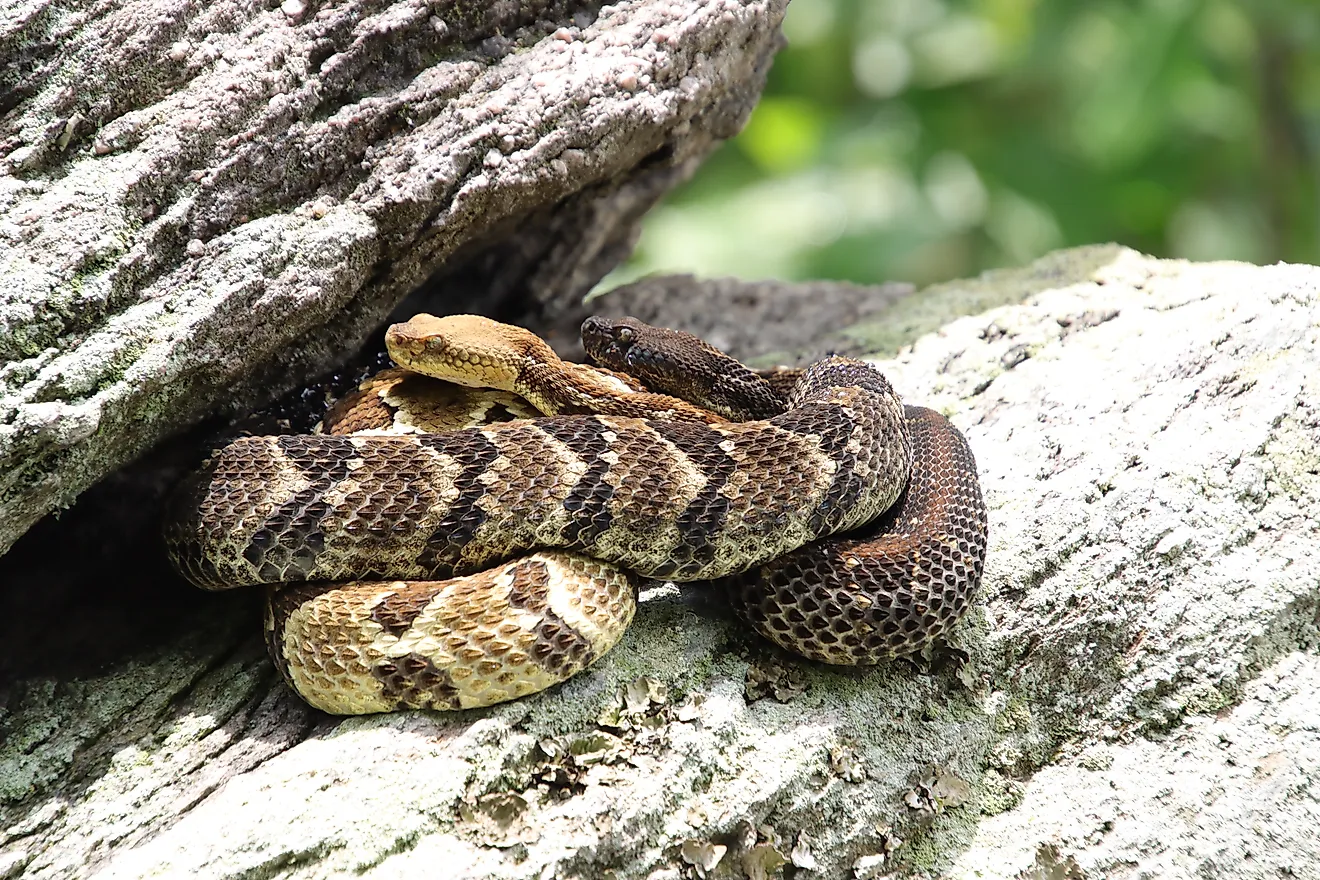
As in North Carolina, copperheads are responsible for most bites, often when someone reaches into a woodpile or steps off a porch at night. The timber rattlesnake, meanwhile, is so tied to the state's identity that West Virginia named it the official state reptile, and it is a fixture of the American mountains with the most timber rattlesnakes.
The Ozark And Ouachita Mountains, Arkansas

Arkansas ranks among the top states for snakebites per resident, and its two mountain regions, the Ozarks in the north and the Ouachitas in the west, hold a wide mix of venomous species. Hot Springs National Park, in the Ouachitas, lists six venomous snakes that can live within its boundaries, including the copperhead, the cottonmouth, the timber rattlesnake, and the western pygmy rattlesnake.

The region's rocky hillsides, creeks, and caves give these snakes plenty of cover. Many bites happen in rural areas, where people work outdoors and homes are surrounded by forest. On Ozark streams such as the Buffalo National River, paddlers regularly spot cottonmouths and harmless water snakes basking on gravel bars and overhanging branches.
The Sky Islands, Arizona

Arizona has more venomous snake species than any other state, and many of them live in the sky islands, the isolated mountain ranges of the southeast, such as the Santa Catalina Mountains. These ranges rise from desert floors covered in cactus to pine forests near their peaks, giving rattlesnakes a wide range of habitats. A study of poison center data found that Arizona and California had most of the country's rattlesnake bites among children.

Rattlesnake bites are less common than copperhead bites nationwide, but they are more dangerous and more likely to need antivenom. In the hottest months, Arizona's rattlesnakes often switch to hunting at night, so evening walks on desert trails and around foothill homes call for a flashlight.
The Sierra Nevada Foothills, California

California shares Arizona's place near the top for rattlesnake bites among children, and much of the state's rattlesnake country lies in the foothills of its mountain ranges. In the western Sierra Nevada, the oak woodlands, grassy slopes, and rocky outcrops of Gold Country are home to the northern Pacific rattlesnake, the only venomous snake native to most of Northern California.

These foothills are also among the fastest-growing rural areas in the state, with homes spreading into the same warm, rocky terrain the snakes prefer. Rattlesnakes here are most active from spring into fall and are often found sunning on trails, rock walls, and driveways in the cooler hours of the morning.
Copperheads Bite Often, Rattlesnakes Bite Harder
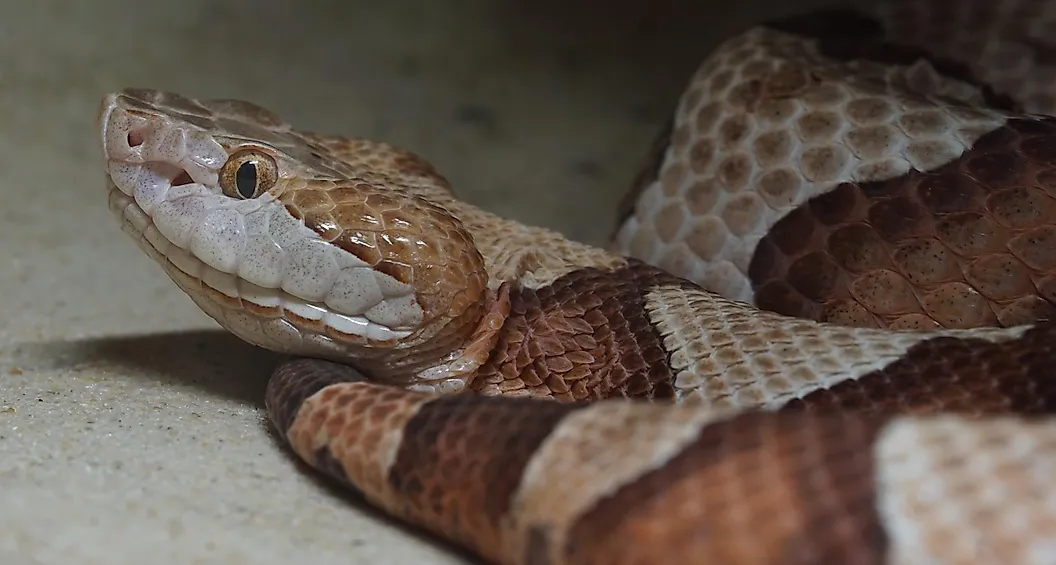
The reason eastern mountains lead the country in snakebites comes down to one snake. The copperhead does not usually flee when a person approaches. Instead, it relies on its camouflage and stays still, which means people often step on it or reach right next to it without noticing. The Carolinas Poison Center receives about 10 times as many calls about copperhead bites as about all other snakes combined, and about half of the bites it consults on can be treated without antivenom. Rattlesnakes, by contrast, usually warn people with their rattle and bite less often, but their venom is more dangerous, which is why bites in Arizona and California are more likely to need serious hospital treatment.
When And Where Bites Happen
Most snakebites in the US happen between April and October, when snakes are active, and a warm spring can bring a sudden jump in cases. In North Carolina, the poison center received 71 calls about snakebites in April 2017, after a mild winter, compared with just 19 in April of the year before. The places are usually ordinary, including flower beds, woodpiles, garages, porches, and paths around the house, especially at dusk, when copperheads hunt. Simple habits help. Raking a garden bed before working in it, wearing gloves and boots, using a flashlight after dark, and checking shoes left outside all lower the chance of a bite.
Why Mountains Mean More Bites
The mountains on this list share three things. They have rocky, wooded terrain, abundant venomous snakes, and people living right at the edge of the forest. Most snakebites in the US do not happen on remote trails. They happen in people's own yards from spring through fall, when someone picks up a board, reaches into a garden, or steps on a snake in the dark. If you are bitten, the Carolinas Poison Center advises staying calm, removing tight jewelry, keeping the bitten area still, and calling Poison Help at 1-800-222-1222. Do not cut the wound or try to suck out the venom.