The Mountain Range That Crosses The Most States
Mountains that are older than dinosaurs are likely to develop ghost stories. From reports of strange lights in North Carolina to Mothman chasing a couple in a car in West Virginia, there is no shortage of unexplainable stories and legends.
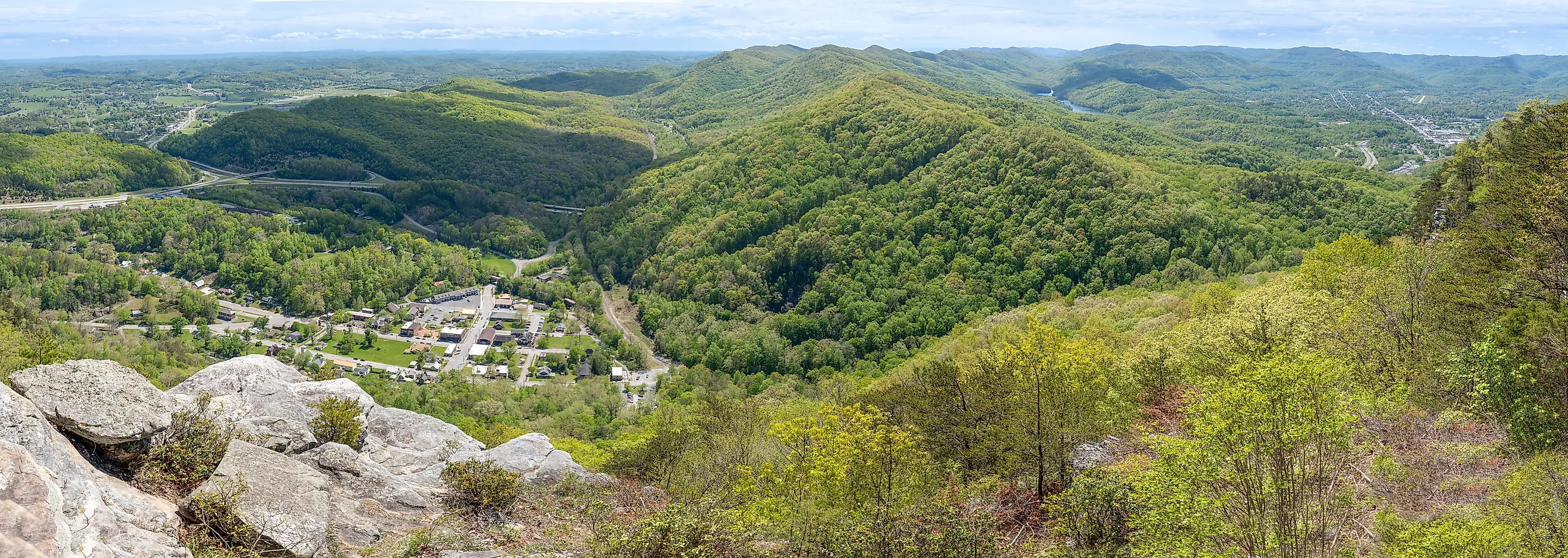
We'll get to Mothman later, but the Appalachian Mountain Range crosses the most states of any mountain range in the U.S. It covers 18 US states and stretches northward into five Canadian provinces: Quebec, New Brunswick, Nova Scotia, and Newfoundland and Labrador, with Prince Edward Island belonging to the Appalachian Uplands. They cross so many states due to how long they run at 2,000 miles relative to the size of the eastern US states, which are smaller in land area than the western states of the Rocky Mountains.
The Appalachian states

The Appalachian states include:
- Maine
- New Hampshire
- Vermont
- Massachusetts
- Connecticut
- New York
- Pennsylvania
- New Jersey
- Maryland
- West Virginia
- Virginia
- Kentucky
- Tennessee
- North Carolina
- South Carolina
- Georgia
- Alabama
- Ohio
Of these states, West Virginia has the most land areas located entirely within the Appalachian Mountains. In fact, it is the only state that is completely contained within the Appalachian region. This range also encompasses states that are within the range but may not have actual mountains, such as Ohio. West Virginia has 1,679 named mountain peaks.
The Appalachian Trail connects all of these states, save for Alabama, South Carolina and Kentucky, which only have a portion of the range in their northern borders. The trail winds for 2,190 miles from its starting point at Springer Mountain in Georgia to Mount Katahdin in Maine.
The longest section of the trail is in Virginia at about 550 miles in its borders and 25.3 miles on the border with West Virginia. However, the most remote part of the trail is in Maine through the 100-Mile Wilderness, a region with no through roads and services for 100 miles, leading to the final section of the trail through Baxter State Park to the top of Mount Katahdin.
A Short King

The Appalachian Mountains have an impressive range, but their height is much less impressive compared with the Rocky Mountains or Alaska Range.
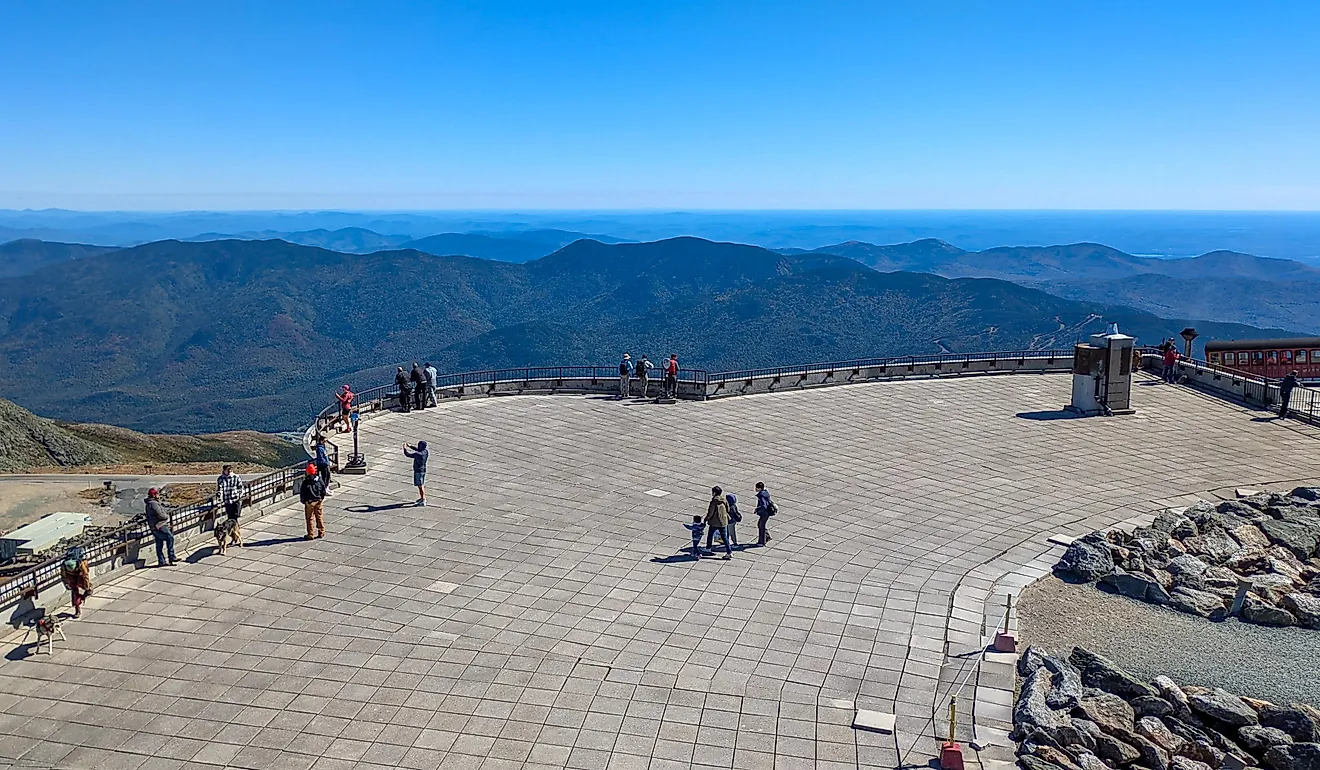
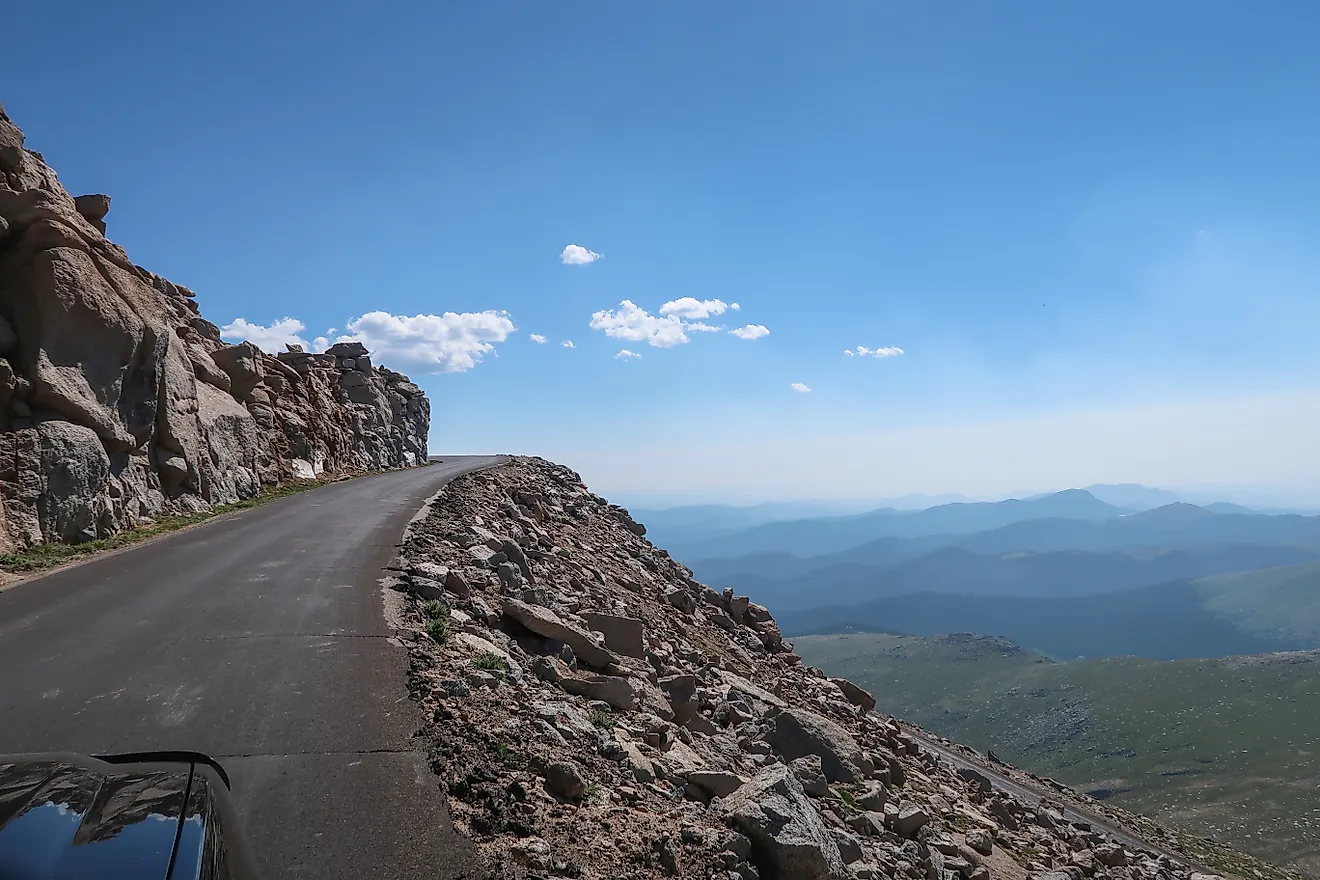
The tallest peak in the range is Mount Mitchell at 6,684 feet in elevation in North Carolina, which is accessible via NC 128: the highest paved road east of the Mississippi. THe second highest peak is Mount Craig at 6,447 feet tall in North Carolina, which is closely followed by Mount Kuwohi (formerly Clingmans Dome) at 6,643 feet. This mountain in particular is the tallest point in the Great Smoky Mountains National Park, and is situated right on the border of Tennessee and North Carolina.
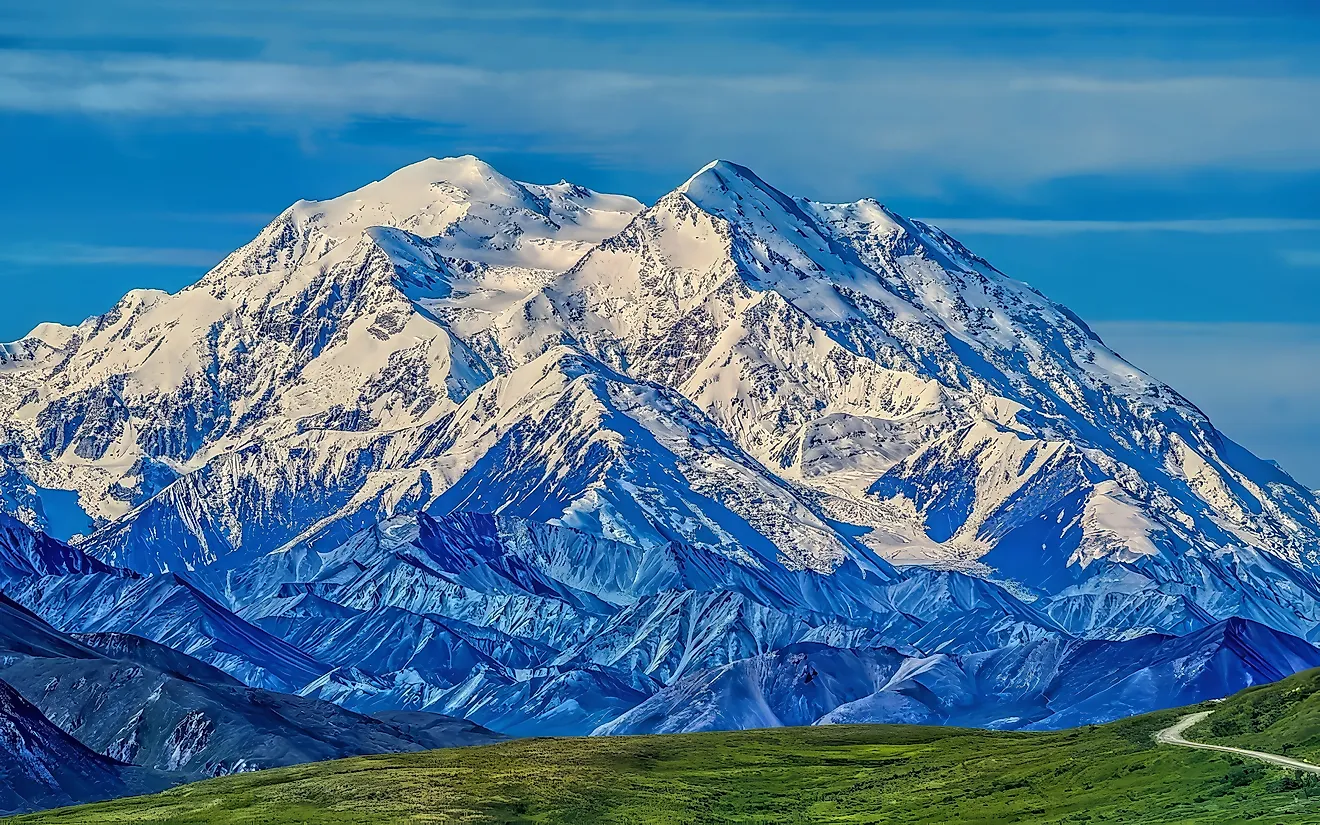
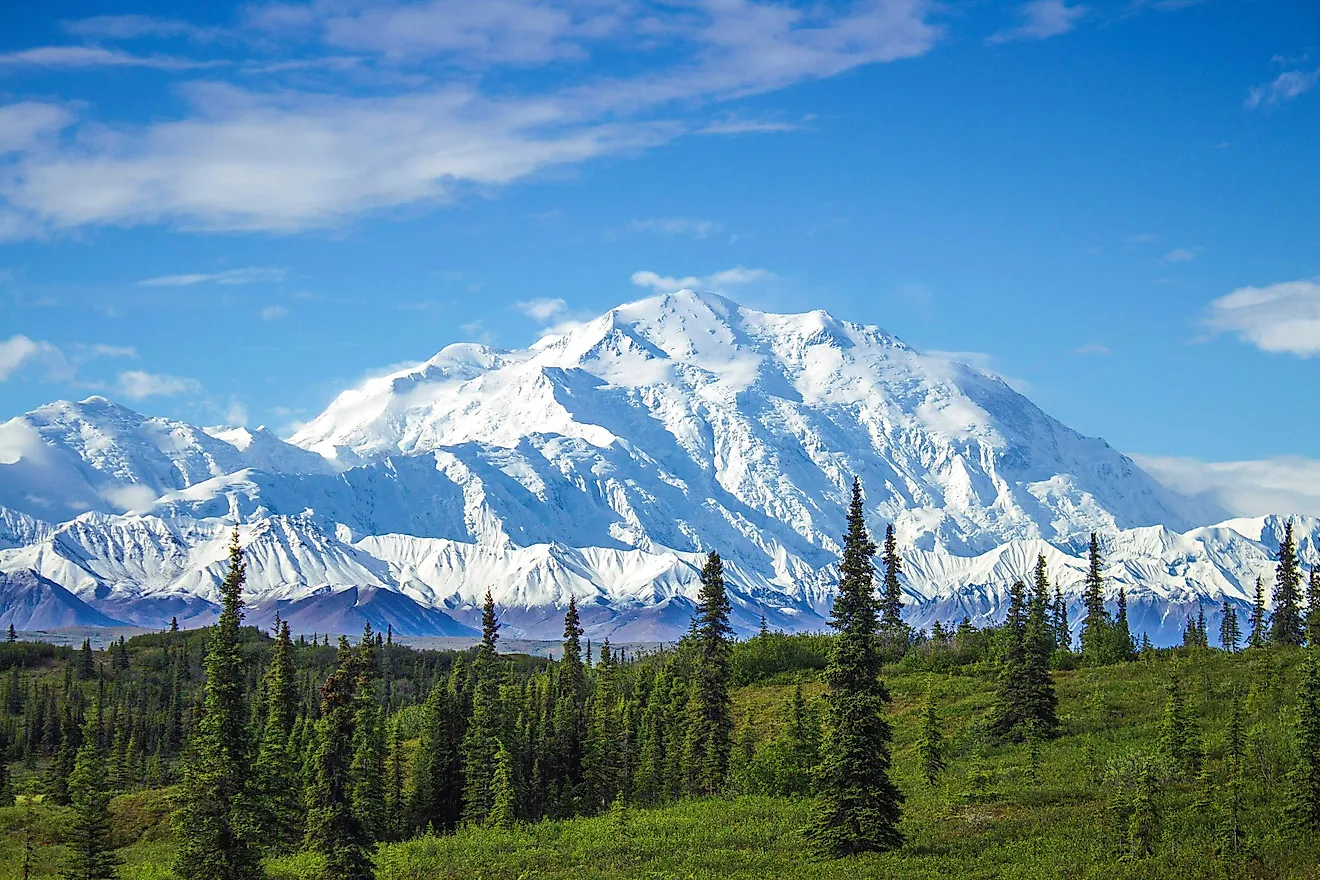
While these peaks are nothing to sneeze at, especially for those who hike up them, due to the elevation gain, the Rocky Mountains' tallest peaks are more than double the height. The tallest mountains in that range are Mount Elbert at 14,440 feet and Mount Massive at 14,421 feet. The Alaska Range has a mountain that is more than three times taller than Mount Mitchell: Mount McKinley (also known as Denali) which stands at 20,310 feet.
The reason the Appalachian Mountains are smaller is due to their ancient history.
How old are the Appalachians?

The Appalachian Mountains were formed over hundreds of millions of years ago in three separate orogenies (mountain building episodes). The first took place from 505 to 440 million years ago during the Taconic orogeny, as crustal blocks collided with the eastern coastline of North America, and would later fold over themselves.
The final Appalachian orogeny occurred when North America and Europe, which were combined into one continent known as Laurasia, collided with Gondwana, which included Africa and South America. Occurring around 320 to 290 million years ago, this collision created both Pangea, the one world supercontinent, and the Alleghanian orogeny, which lifted the Appalachian Mountains to the height of the Himalyas.
This orogeny faulted and folded over the remaining rocks from the Taconian and Acadian orogenies and even transformed rocks into other forms under the intense pressure, such as quartz sandstones into quartzite. This final stage of mountain building was caused by the direct impact of the African continent colliding with North America, unlike earlier stages of Appalachian history, which were probably caused by microplate collisions.
Unlike earlier stages of Appalachian history, which were driven by microplate collissions, this last orogeny was caused by the direct imnpact of the African continent colliding with North American.
Around 60 million years after this orogeny, Pangea broke apart, but evidence of that collision can still be seen in both the Appalachian Mountains, the Scottish Highlands and the Anti-Atlas Mountains of Morocco.
Erosion

At the time of their creation, the Appalachian Mountains could have been as tall as the Himalayas, but over hundreds of millions of years, erosion has worn them down, through a combination of wind, rain, and ice ages.
In the Great Smoky Mountains, the USGS estimates that the mountains erode by up to 88.58 feet every million years. As some of the sandstone and quartzite is eroded away, it eventually is broken down into sand, which can travel all the way to beaches on the Atlantic and Gulf of Mexico shoreline.
By comparison, the Rocky Mountains are much younger, and have thus had far less time to erode. According to an academic article on Laramide Sedimentary Basins and Sediment-Dispersal Systems, the Rocky Mountains formed around 75 to 30 million years ago during the Laramide orogeny.
Myths and Legends

One element of Appalachian culture is the legends of the mountains. Perhaps due to their ancient age, residents have long reported seeing strange creatures out in the woods, including cryptids, a term for unconfirmed or legendary creatures.
One of the most popular legends is that of Mothman, a 7 foot tall human like figure with white wings. He was allegedly spotted by two couples in Point Pleasant, West Virginia in 1966 and were chased by him in their car along the road. Today, there is a Mothman Statue and museum in Point Pleasant, West Virginia.
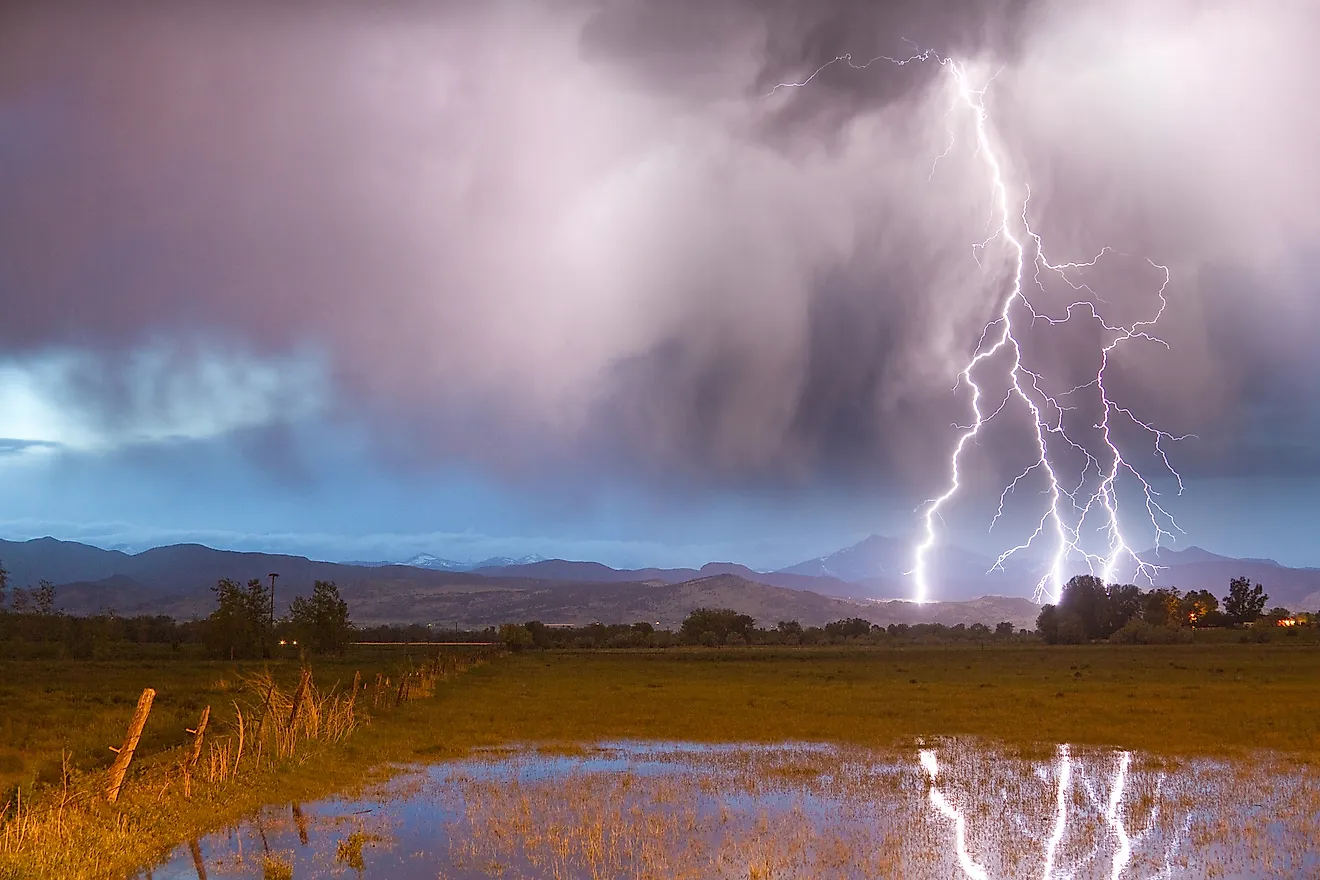
Other myths and legends point to strange lights, such as the Brown Mountain Lights, named after Brown Mountain in North Carolina. In 1913, fishermen claimed to see red lights moving in a strange pattern throughout the night sky. Although initially believed to have been the headlights of cars or trains, when a 1916 flood took out the power and the roads, the Brown Mountain Lights were still seen.
Scientists today believe that these lights could be some form of human activity (lights or fires), atmospheric refraction, or natural gas ignitions, but other residents believe they could be spirits.
Older than the Dinosaurs
The Appalachian Mountains are so ancient that they predate the dinosaurs by at least 100 million years, as dinosaurs didn't begin to evolve until 245 to 230 million years ago. Even if one doesn't know the history, the ancient feeling of these mountains is reflected in the many unsettling legends and myths of monsters and strange lights out in the forested mountain peaks. Their vast length across 17 states still invites exploration today, as determined hikers struggle on from Georgia through Tennessee and into the 100-mile wilderness of Maine to the very end of the Appalachian Trail, discovering stories of their own through this ancient mountain range.