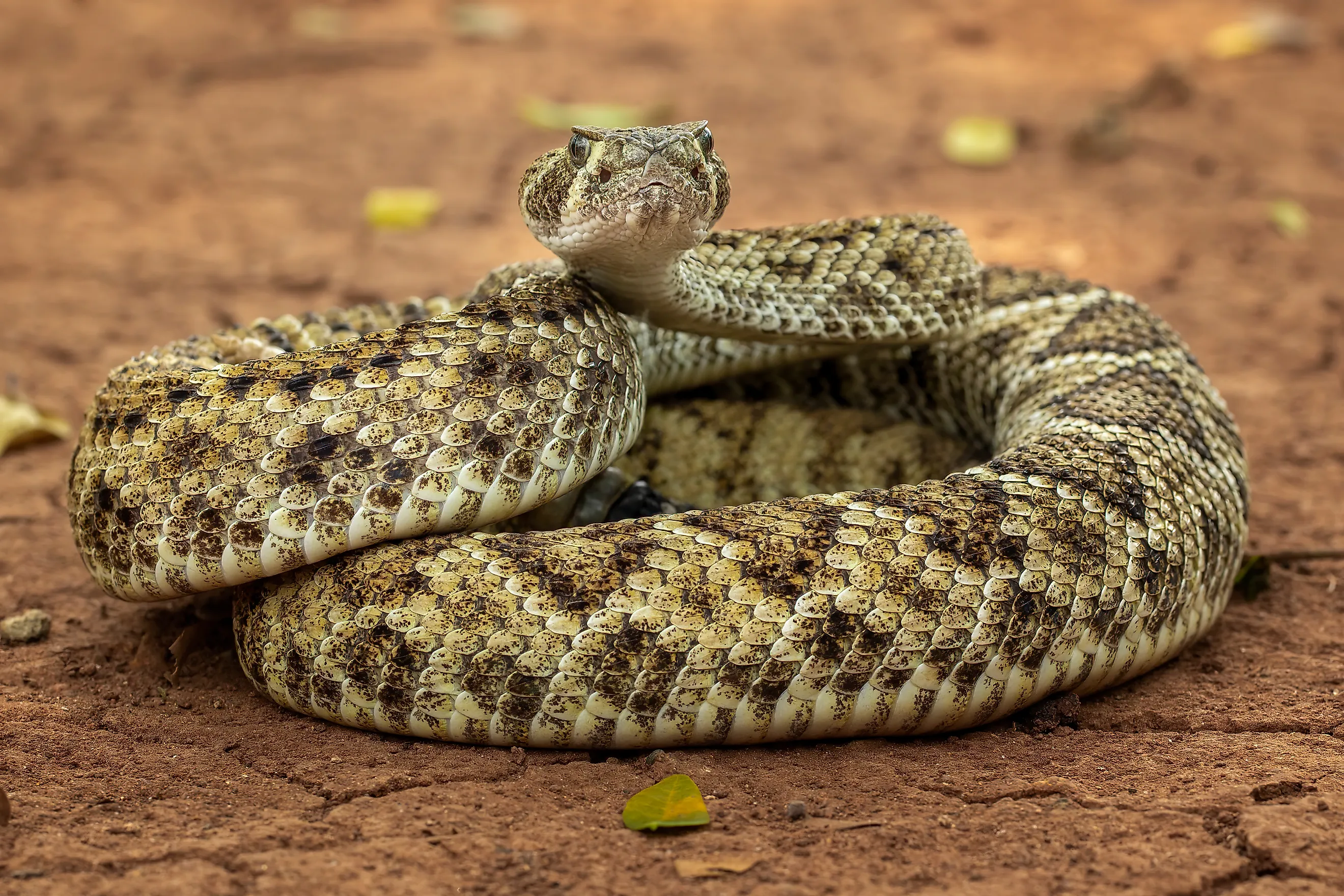
How High Up A Mountain Rattlesnakes Can Live
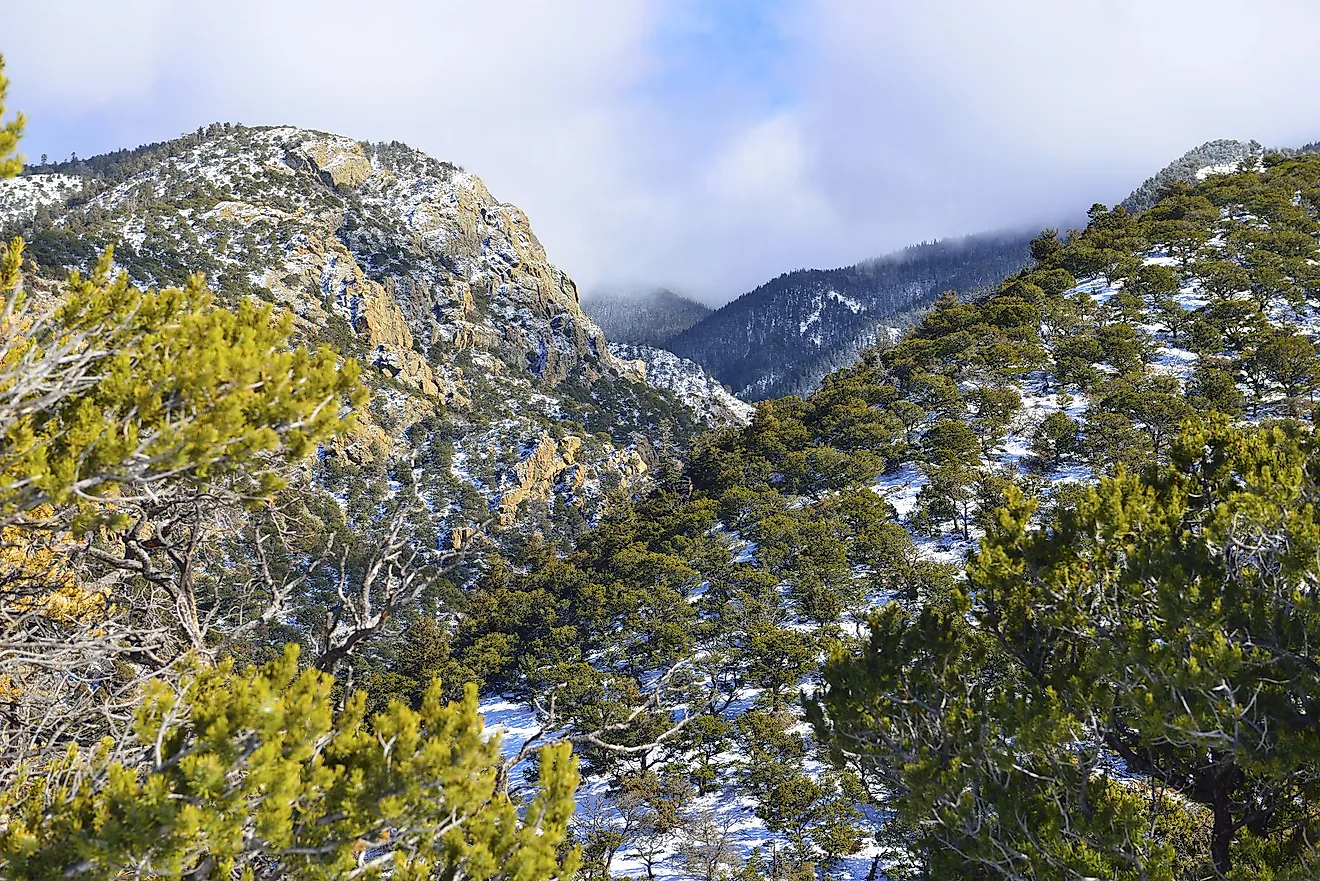
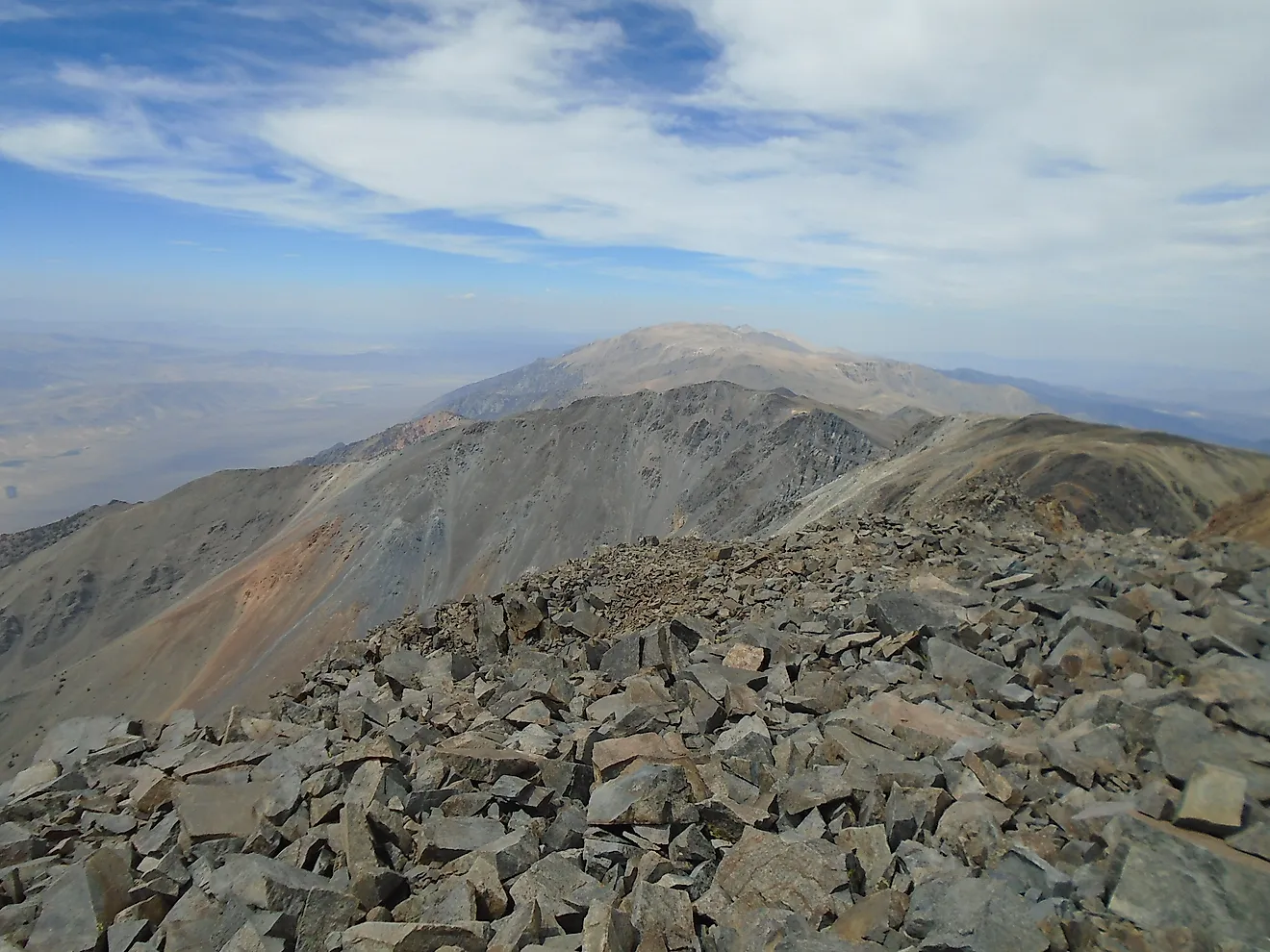
Most people picture a rattlesnake in the desert, stretched across warm sand or a sun-baked rock. That is where the reputation lives. But rattlesnakes also climb. In the mountains of the American West, they turn up far higher than most hikers expect, in cold, thin air where it seems a cold-blooded animal could not survive. A snake has no inner furnace. It runs on the heat around it, and that heat is scarce high up. So how high a rattlesnake can climb is not really about the snake at all. It is about the mountain, and whether the slope holds enough usable warmth and shelter. How high they manage to go, and how they get through the cold once they are up there, depends on the species and the peak.
Mexico's Dusky Rattlesnake Reaches About 15,000 Feet

On Pico de Orizaba, a volcano in eastern Mexico, the Mexican dusky rattlesnake, Crotalus triseriatus, has been reported at 4,572 meters, or 15,000 feet. Its range follows the volcanic highlands of central Mexico, where it occupies open pine-oak forest and grasslands. It also lives in alpine grassland above the tree line, so the disappearance of trees does not necessarily mark the end of rattlesnake habitat.
This is a relatively small rattlesnake, typically reaching about two feet long as an adult. Much of its mountain habitat contains clumps of bunchgrass, and field observations have found snakes basking or foraging among them. More usual elevations are roughly 9,200 to 11,800 feet. Lizards and small rodents supply food in its rocky, grassy habitat.
Western U.S. Rattlesnakes Can Reach 11,000 Feet

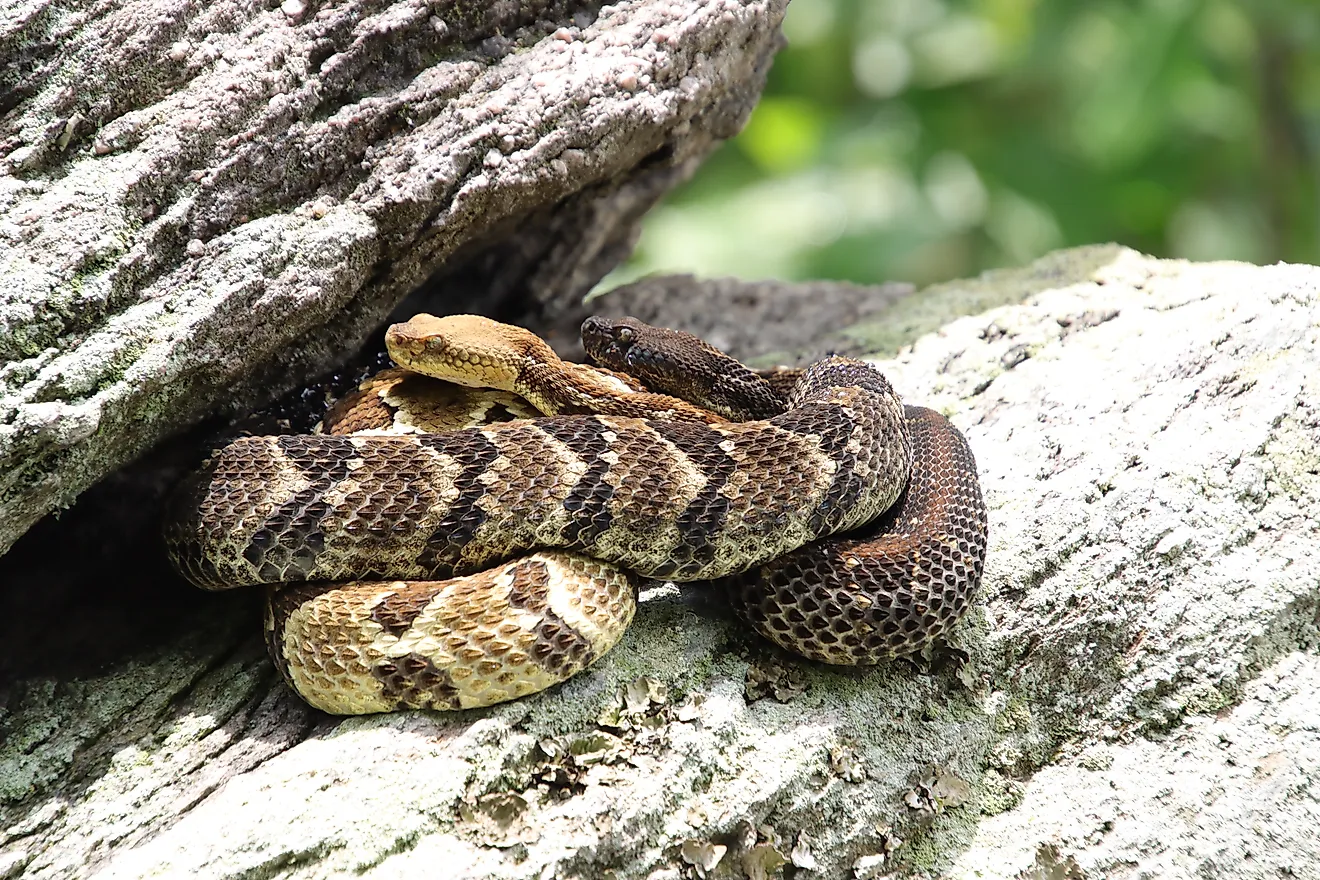
A rattlesnake photographed at about 7,500 feet in Tahoe National Forest prompted a hiker to ask California wildlife officials whether the encounter was unusual. Their answer was no. Western rattlesnakes occur as high as 11,000 feet in California, although they become much rarer above 7,000 feet.
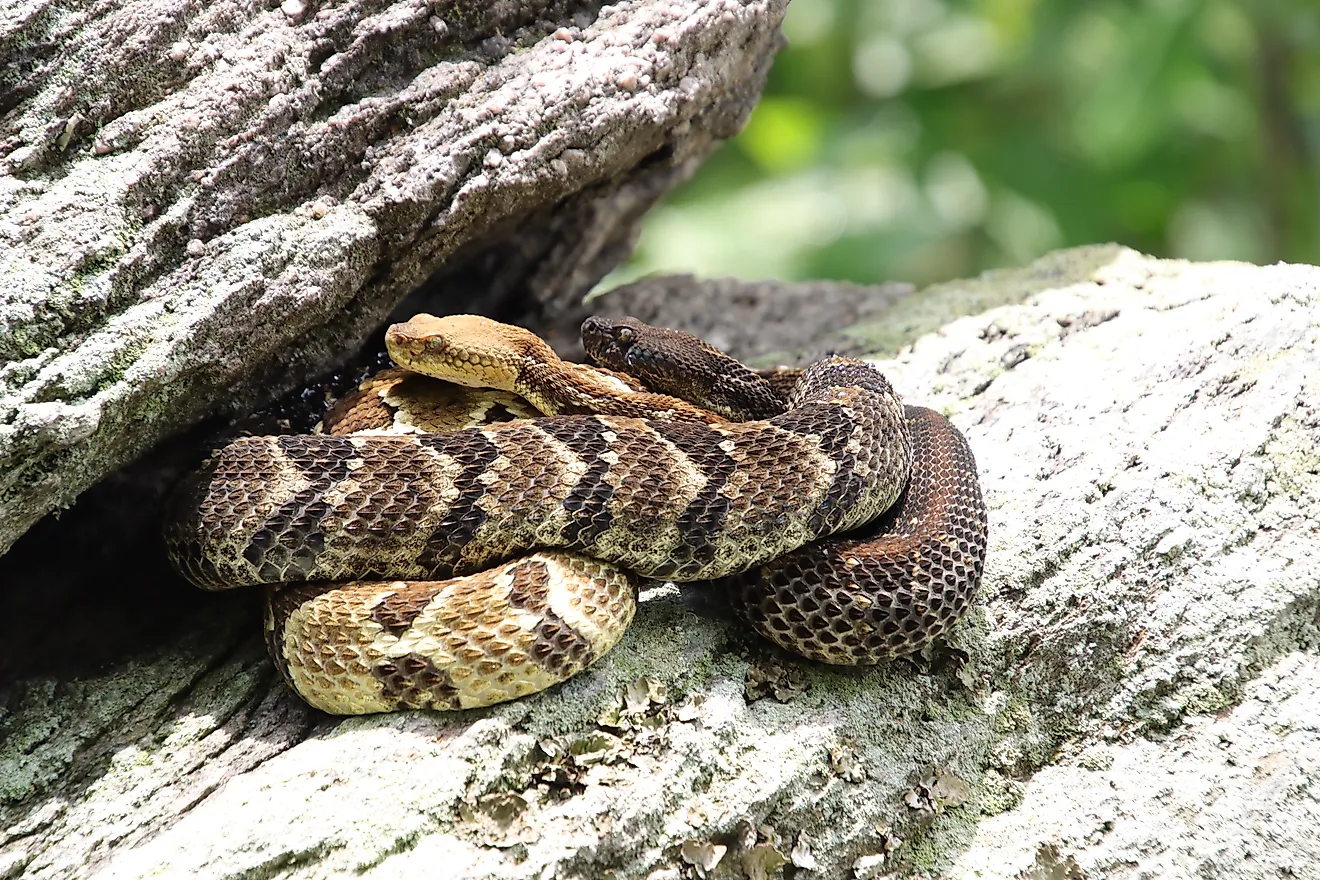
Yosemite places its northern Pacific rattlesnake's upper range at about 9,000 feet. In the Great Basin, rattlesnakes may reach 11,000 feet but are more common below 8,000 feet. Their habitat includes sagebrush country and conifer forest, with rock providing a recurring feature across those different settings. At Bryce Canyon, the species uses talus slopes and stony canyons, where broken rock provides cover.
Warm Patches Make A Cold Mountain Usable

A rattlesnake's temperature changes as it moves between exposed ground and shelter. California's rattlesnakes use rock piles and mammal burrows to help regulate body temperature, while dense vegetation provides additional cover. Mexico's dusky rattlesnake can also remain active at relatively low body temperatures. On three Mexican volcanoes, dusky rattlesnakes were most often found among bunchgrasses, basking or foraging. Their measured body temperatures averaged about 72 degrees Fahrenheit, and observations peaked between late morning and early afternoon. Basking allows these animals to use available sunshine during the day. Cold still limits the time available for activity: California wildlife officials note that high-elevation rattlesnakes are typically smaller because their growing season is shorter.
Winter Survival Depends On Shelter Underground

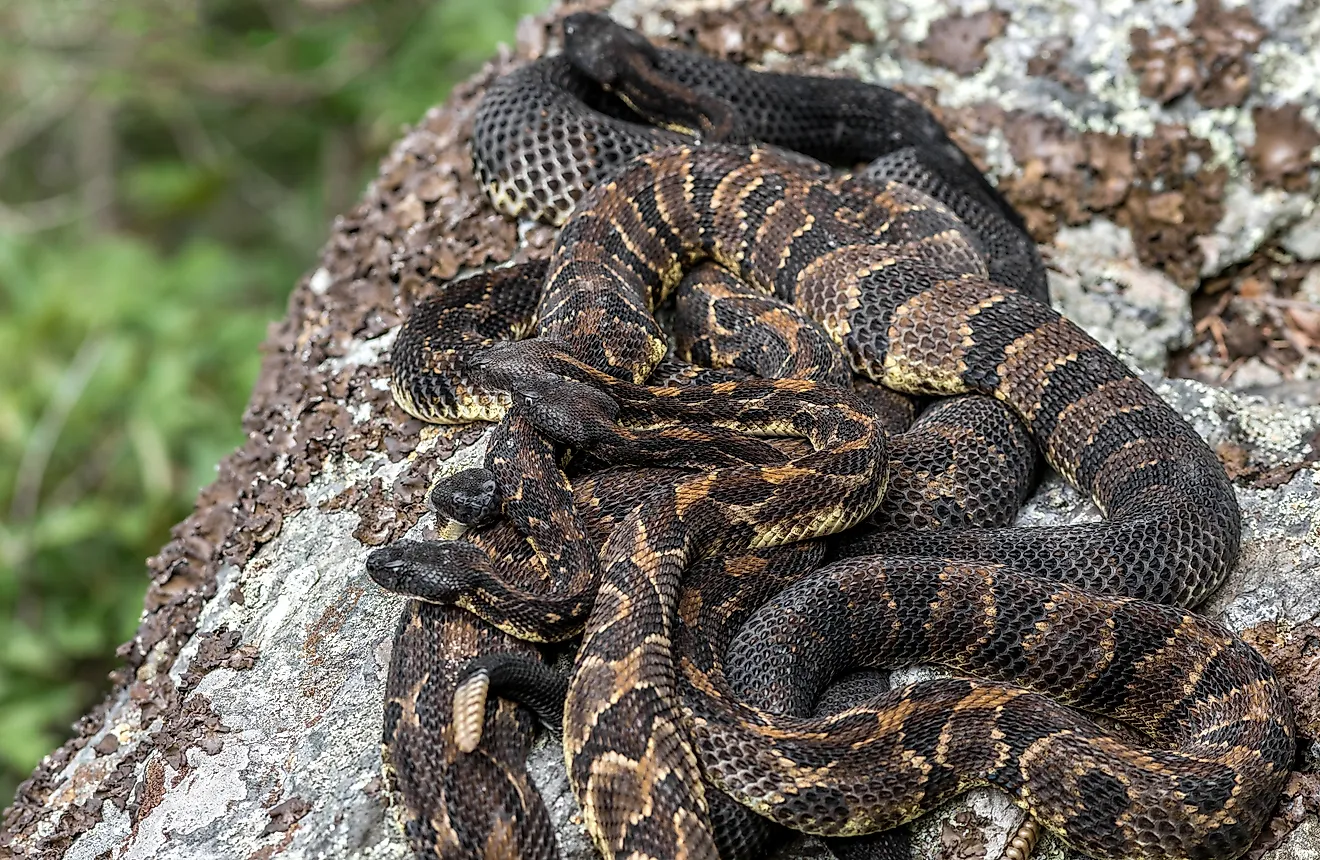
Great Basin rattlesnakes spend winter in dens associated with south-facing rock outcrops. The National Park Service describes a seasonal pattern of emergence in May and a return to den sites by late September. For much of the year, the snakes are underground, with their activity greatly reduced in the dormant period known as brumation.
A mature male may forage as far as 2.5 miles away. Pregnant females stay nearby and bask frequently, helping their young develop before birth. In the park service's seasonal account, births occur in mid- to late September. That account describes litters of five to eight live young, with females remaining beside them for seven to ten days.
Rocky Trails Still Need Attention At Higher Elevations

In Yosemite, the same ledges and rock crevices that provide shelter for rattlesnakes can sit beside a hiking or climbing route. Watch the ground before stepping over a log, and check a handhold before reaching into it. A silent snake can be easy to overlook: Yosemite's rattlesnakes often remain still instead of rattling when a potential predator approaches.
If a snake blocks the trail, stop and give it room to move away. Bryce Canyon's guidance recommends keeping at least five feet away and leaving rattlesnakes undisturbed. Trying to move one with a hiking pole creates an avoidable close encounter. Any suspected rattlesnake bite requires immediate medical attention; call 911 or use an emergency communication device to request help.
On a Yosemite trail, a fallen log can conceal a rattlesnake while nearby ground provides space for it to hunt. Adult northern Pacific rattlesnakes there feed primarily on California ground squirrels; smaller snakes take smaller mammals. Checking the far side of a fallen log before stepping across it keeps feet out of places concealed from view. Farther inland, a Great Basin snake's summer movements remain connected to the rocky den it will use again when temperatures fall. At a Great Basin den, south-facing rock provides a place to bask near winter shelter. Pregnant females can stay nearby through the warmer months while males travel farther away to find food.