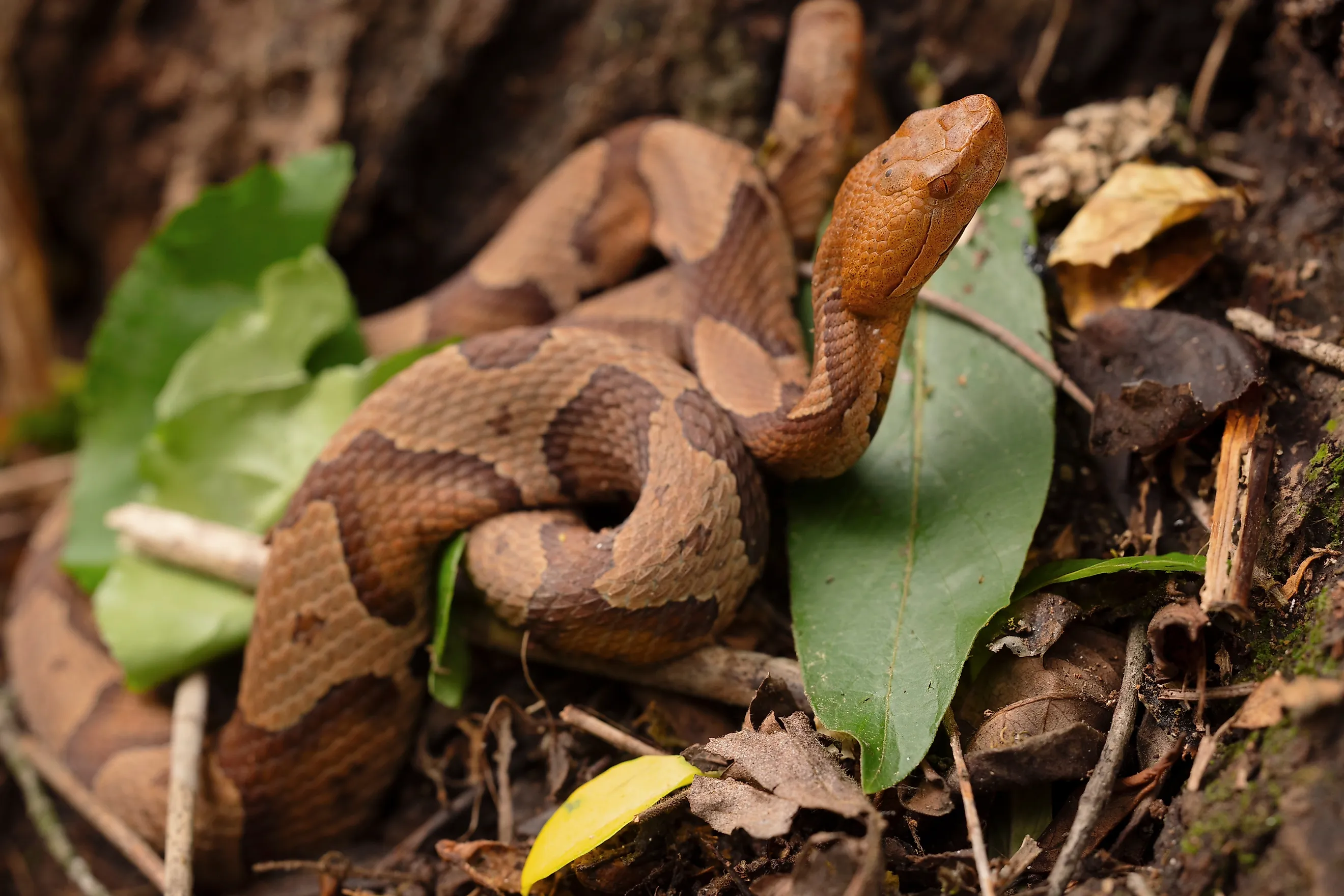
The American Mountains Where Copperheads Den For The Winter
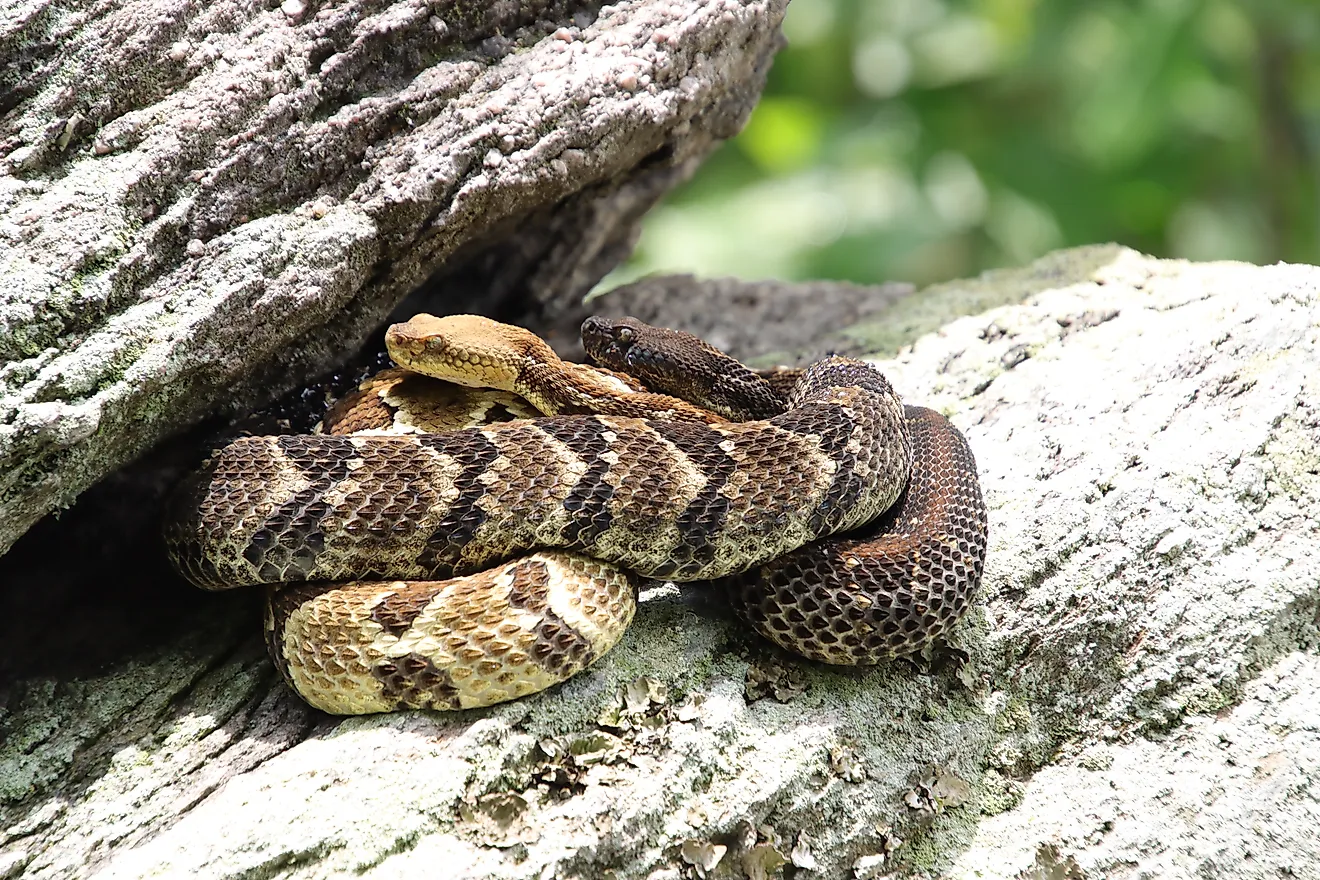
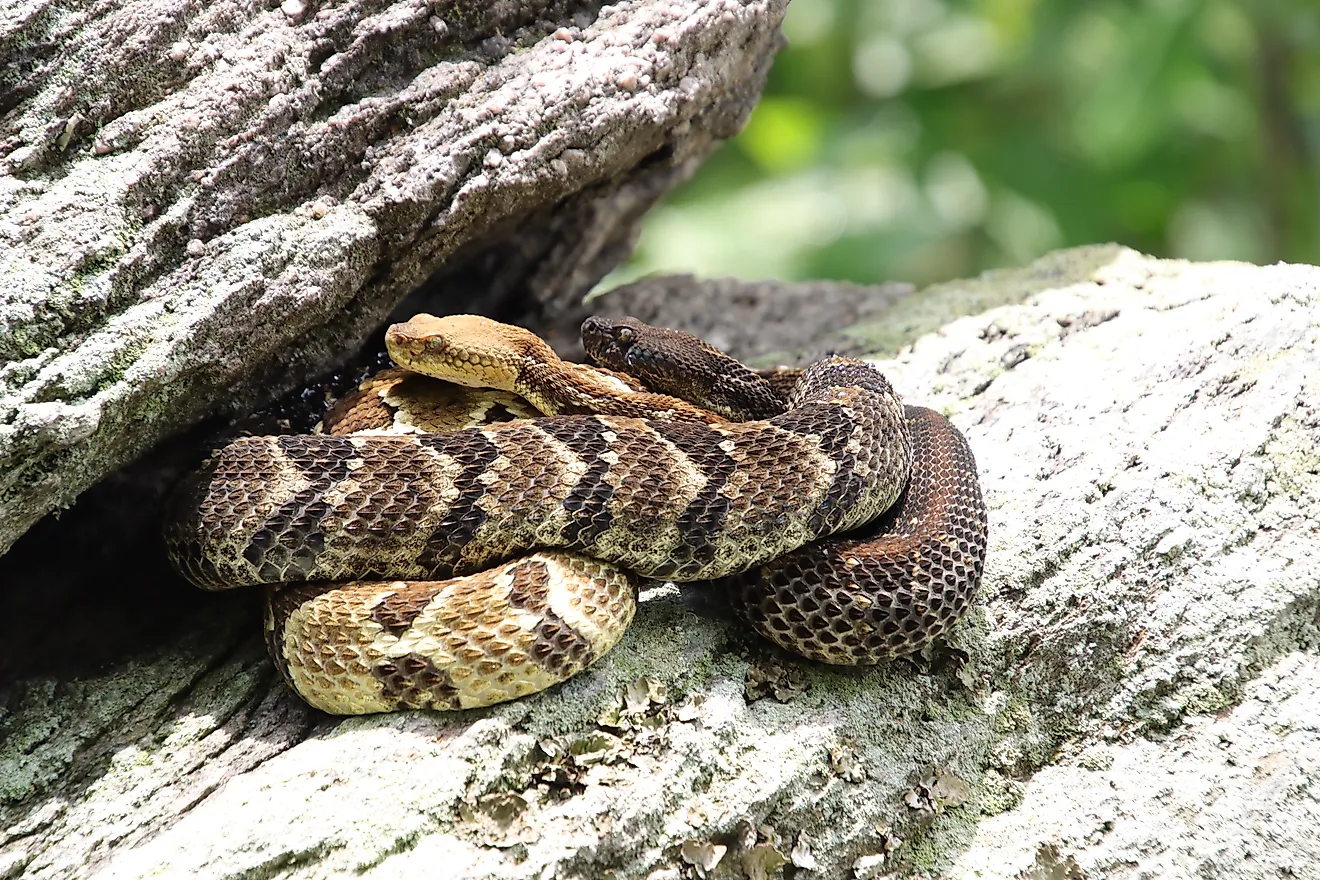
The copperheads still out in the first week of November are the stragglers, and most of their kind have already gone back into the rock they left in spring. In the eastern mountains, that rock is most often a pile of broken stone or a crack in a ledge on a sunny slope, with enough depth to reach below the frost line for the coldest months.
Some of those dens lie close to ground that people use heavily. On Connecticut's traprock ridges, radio-tracked copperheads spent the winter inside basalt rockslides of the kind that sit below the state's most popular climbing cliffs, and in southern Illinois a gravel road is closed to cars for two months every fall while snakes cross it to reach their limestone bluffs.
The Metacomet Ridge, Connecticut And Massachusetts

A northern copperhead once turned up on one of the classic climbing routes on Ragged Mountain, a basalt ridge about 500 feet above the Quinnipiac River valley and 3 miles west of New Britain. Ragged Mountain is Connecticut's most popular rock climbing destination, with high bluffs and lower ledges above slopes of basalt talus and the 51-mile Metacomet Trail running along the top, and copperheads are the state's most common venomous snake.
On traprock ridges in the central Connecticut River Valley, radio-tracked copperheads spent the winter inside basalt rockslides. In summer the snakes moved up into open deciduous forest at higher elevation to feed and breed, then returned to the same hibernation sites each fall. All eight births recorded in the field took place close to one of the two dens the tracked snakes used.
The ridge system continues north into Massachusetts, where copperheads are listed as endangered and survive in only two areas, the southern Connecticut River Valley and the Boston region. Some of the valley populations live on traprock ledges with rockslides below, and copperheads there head back to their dens between early September and late October before spending November through March in the rock.
The Kittatinny Ridge, New Jersey

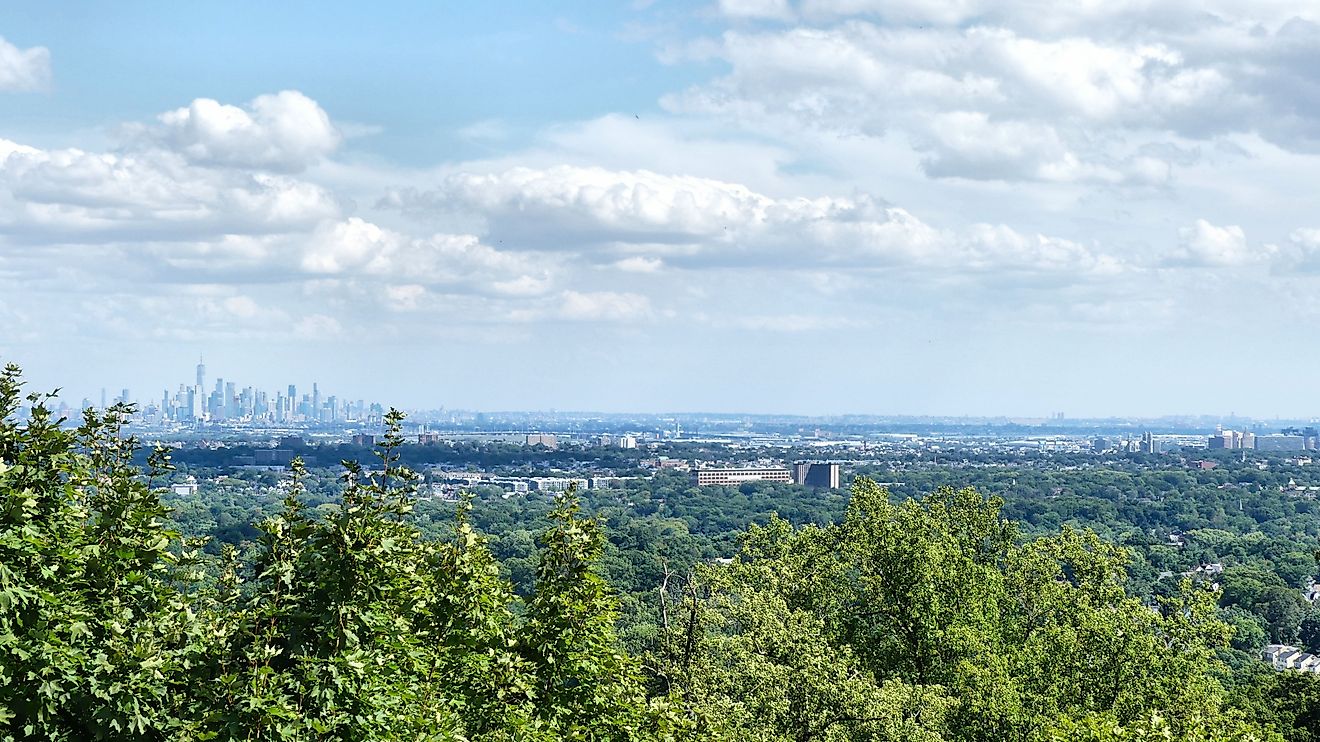
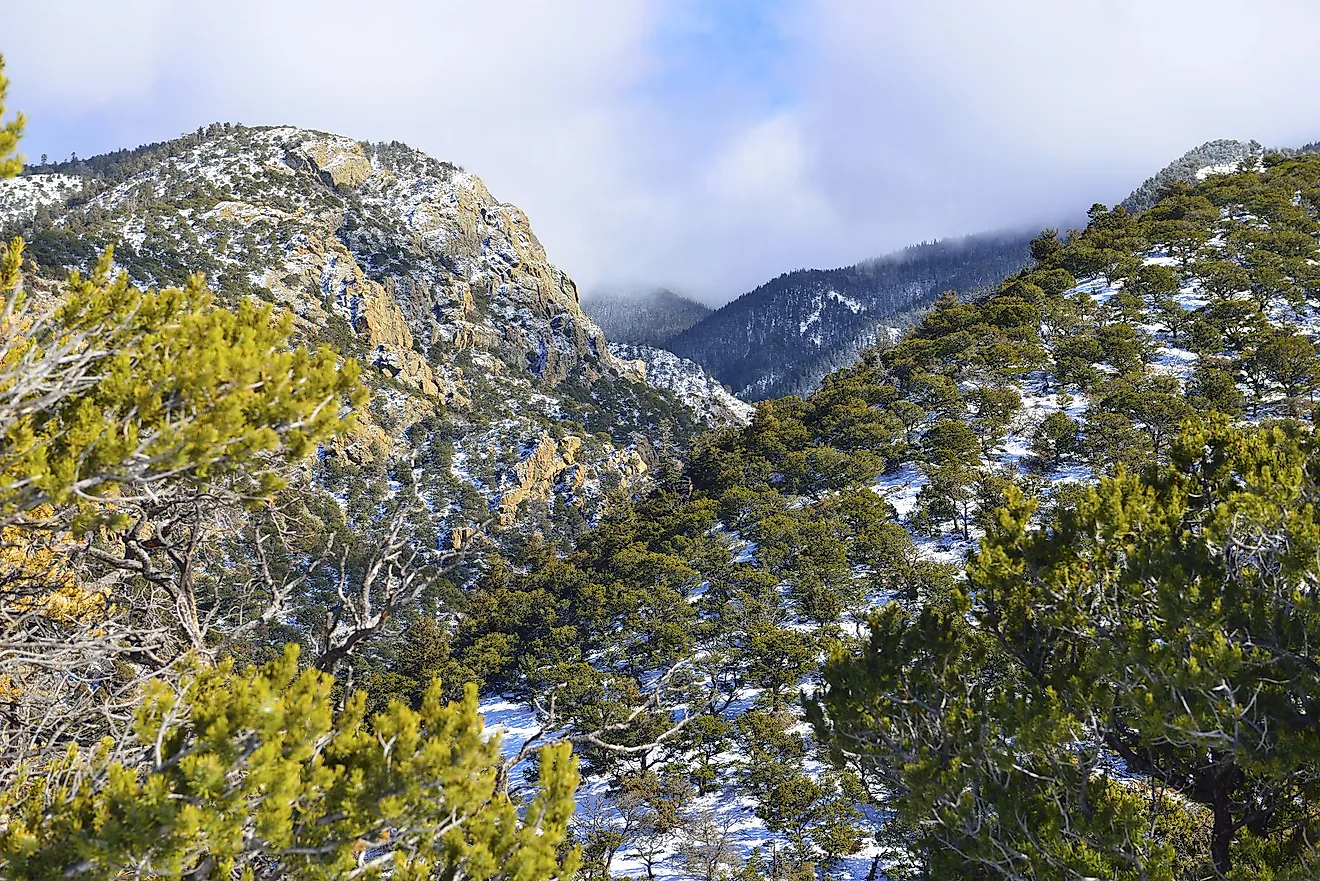
In northern New Jersey, the region that takes in the Kittatinny Ridge, the typical timber rattlesnake den is a fissure in a ledge or a spill of talus on a steep, rocky slope facing between southeast and southwest, with sparse to moderate tree cover. The Appalachian Trail follows the ridge through Delaware Water Gap National Recreation Area, where it crosses 1,489-foot Rattlesnake Mountain, and the recreation area had more than 4.2 million visits in 2023. Inside those slopes, the den openings lead down to voids beneath the frost line, where the state's northern timber rattlesnakes spend the winter alongside northern copperheads and black rat snakes.
The Blue Ridge At The Peaks Of Otter, Virginia

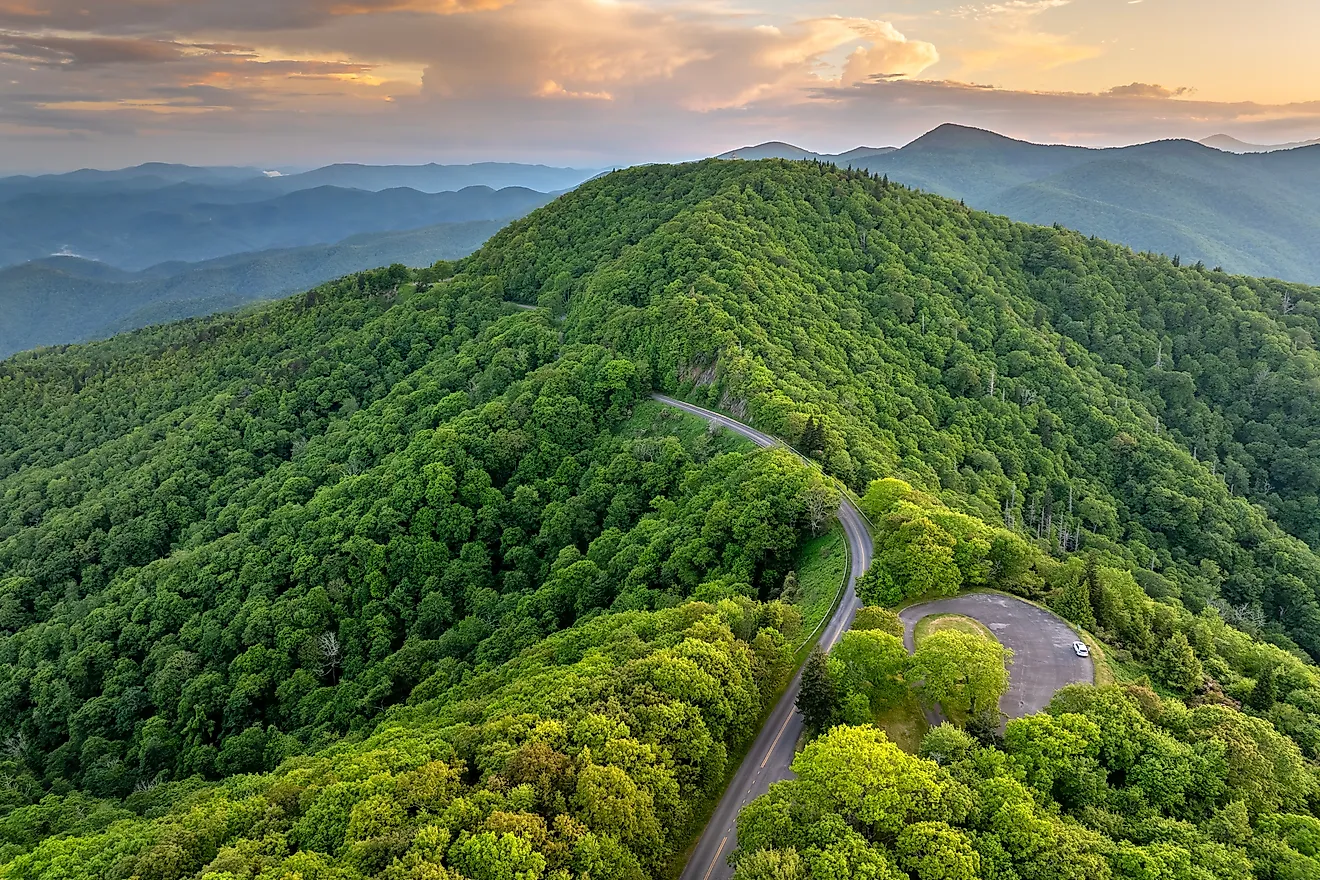
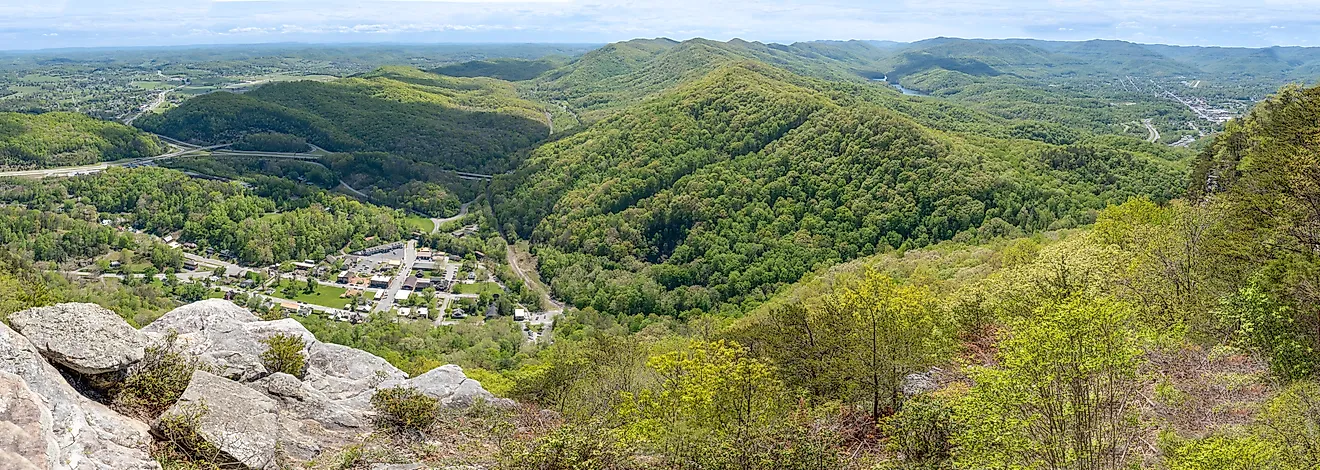
By late summer, copperheads and timber rattlesnakes at the Peaks of Otter could be found under the large rock piles beside the Blue Ridge Parkway's overlooks and vista clearings near milepost 86, where the parkway passes the cluster of summits around Abbott Lake that includes 3,875-foot Sharp Top. Along the road edges and on drippy, plant-covered rock outcrops, young copperheads turned up often.
Those records come from a park ranger and other parkway staff who logged venomous snakes along this stretch between spring 1981 and fall 1983. Plotted on a topographic map, the sightings clustered in particular pockets of favorable habitat beside the road, which herpetologist Robert Wright read as a sign of den sites close to the parkway.
The Great Smoky Mountains, Tennessee And North Carolina

In the Great Smoky Mountains, copperheads have been found above 4,000 feet, though they become less common above 2,500 feet, and timber rattlesnakes range higher, to around 6,000 feet. In a column on the region's venomous snakes, naturalist George Ellison wrote that black rat snakes, timber rattlesnakes, and copperheads sometimes share a winter den, and that as many as 100 snakes of mixed species have been reported from a single site.
The park lists 23 snake species, and the northern copperhead and the timber rattlesnake are its only venomous ones. Both spend much of their time hidden in leaf litter, and the park has no recorded human death from snakebite. On October 14, 2026, park staff warned that snakes blend into the forest floor at this time of year and asked hikers to stay on trail.
The Ozark Mountains, Missouri And Arkansas

Abandoned rock quarries and the rocky spillways of lakes count among the winter sites Missouri copperheads use, along with caves and hollow stumps. Across the state line in Arkansas, copperheads have been recorded in caves and in abandoned mine shafts, and the species ranges nearly statewide there, through damp woodlands and up onto dry, rocky hillsides.
The natural choice in the Ozarks, where copperheads are the most common venomous snake, is a south-facing rocky ledge. Most Missouri copperheads move into their winter sites during the second half of October, either alone or in groups at favored ledges.
The Pine Hills, Illinois

Snake Road, a 2.5-mile gravel lane in southern Illinois, runs between LaRue Swamp and the Pine Hills, and each fall thousands of reptiles and amphibians cross it on their way out of the swamp, where they feed in summer, and into the bluffs for winter. Copperheads are one of three venomous species among them, alongside cottonmouths and timber rattlesnakes. Until 1972 the road was open to traffic all year, and many animals died crossing it. It is now closed to cars between September 1 and October 30, with ground temperature as the main trigger for the migration, and people may still walk it as long as they leave the snakes alone.
The bluffs are siliceous limestone about 150 feet tall, running roughly 5 miles near Illinois Route 3 in the narrow band of southwestern Illinois that belongs to the Ozark uplift. Pine Hills Road leads to the top of them, with views across LaRue Swamp and the Mississippi River floodplain.
In spring the crossing at the Pine Hills runs the other way, and Snake Road is closed to cars again between March 15 and May 15 while the snakes leave the bluffs for LaRue Swamp. Farther north, Connecticut's copperheads come out of the rock in mid-April. Massachusetts copperheads emerge on a similar schedule and spend their first few weeks basking on ledges near the den, often in the same spots and with other snakes nearby, before dispersing in late April or May. Wildlife officials there count spring emergence among the copperhead's most vulnerable times, and the state's recommended protections include keeping den locations private and posting professional patrols while the snakes are still close to the rock.