The American Mountains Where Rattlesnakes Den For The Winter
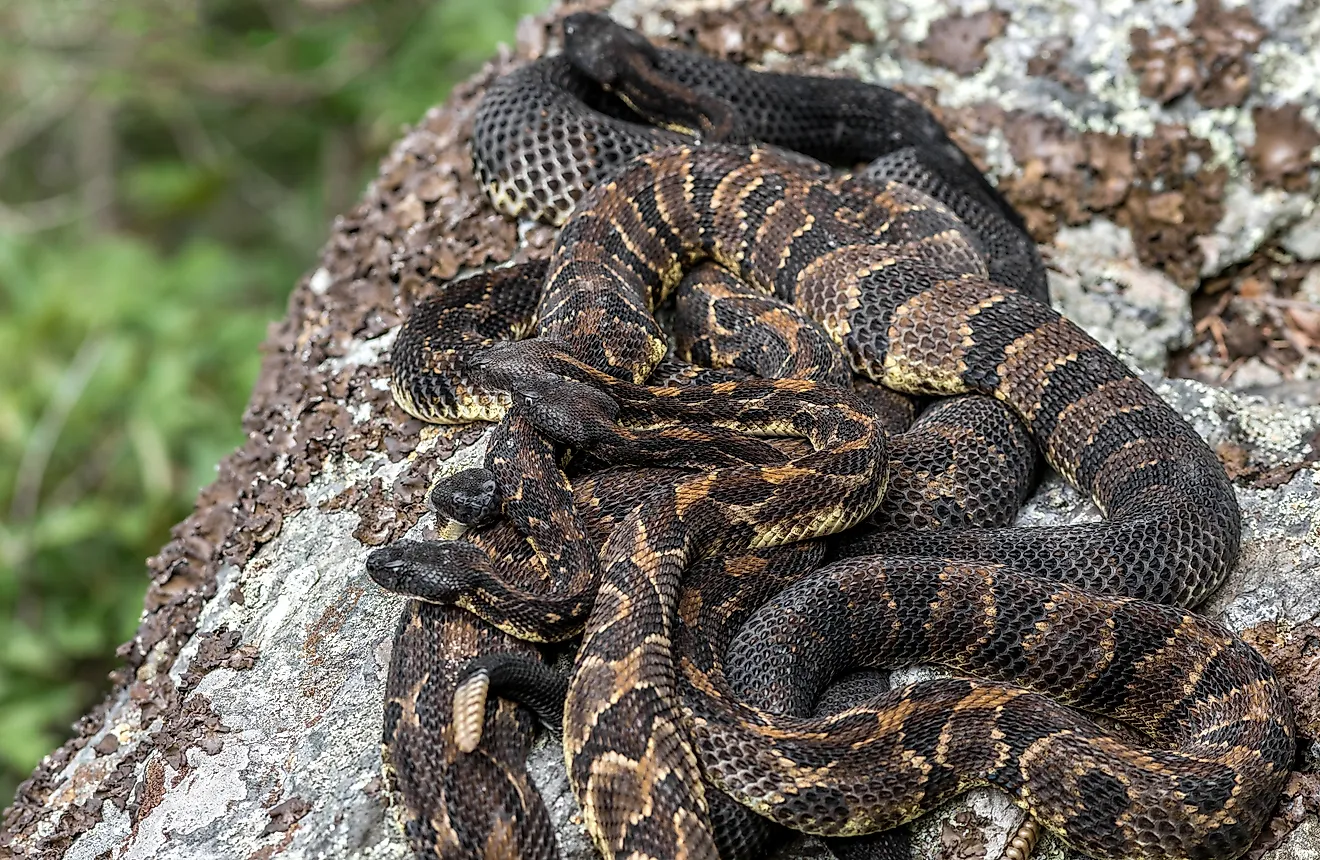
A rattlesnake born in late summer has only weeks to reach a winter den it has never seen. It finds the way by following the scent trails of adult snakes, down into a crevice where it will ride out the cold in a crowd. These shared dens, called hibernacula, sit in rocky mountains across the country, and the snakes return to the same ones year after year. That loyalty makes them easy to find, and easy to wipe out. From the Adirondacks to the desert Southwest, here is where they spend the winter.
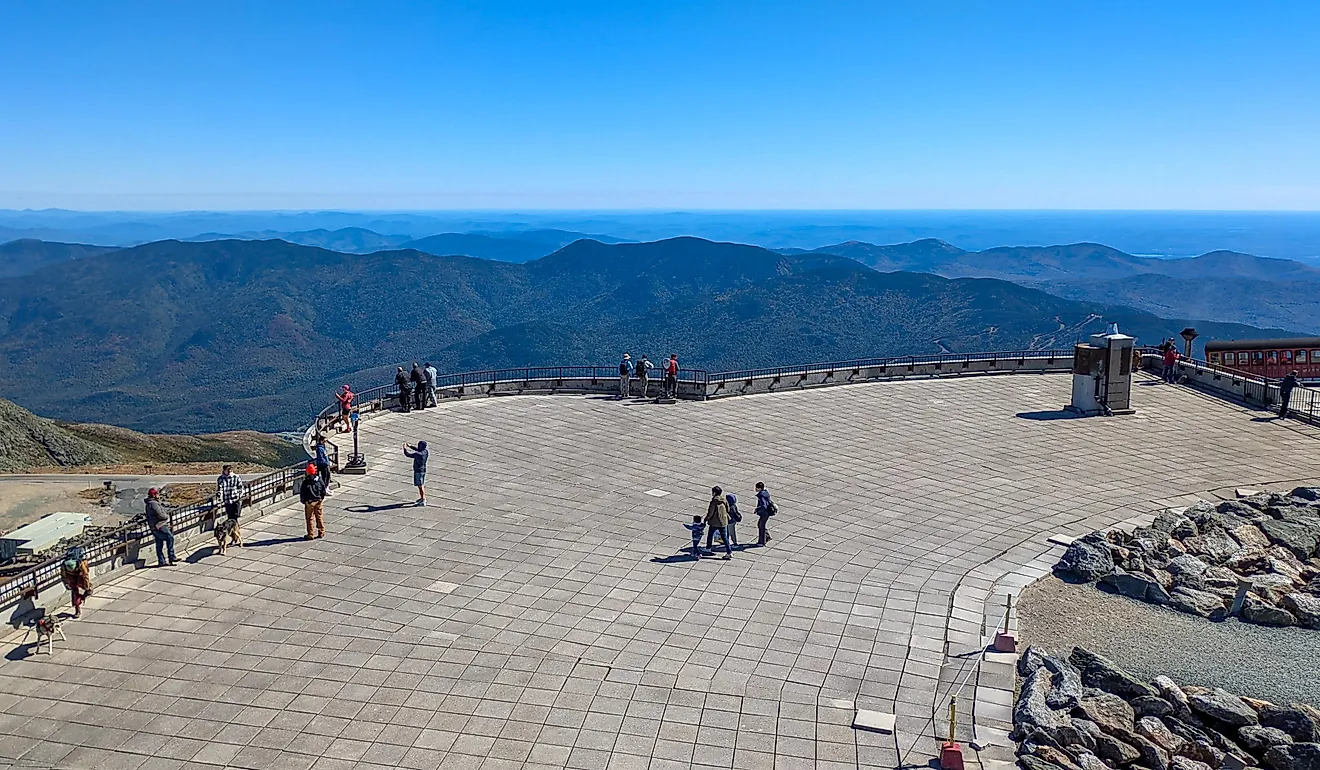
Adirondack Mountains, New York

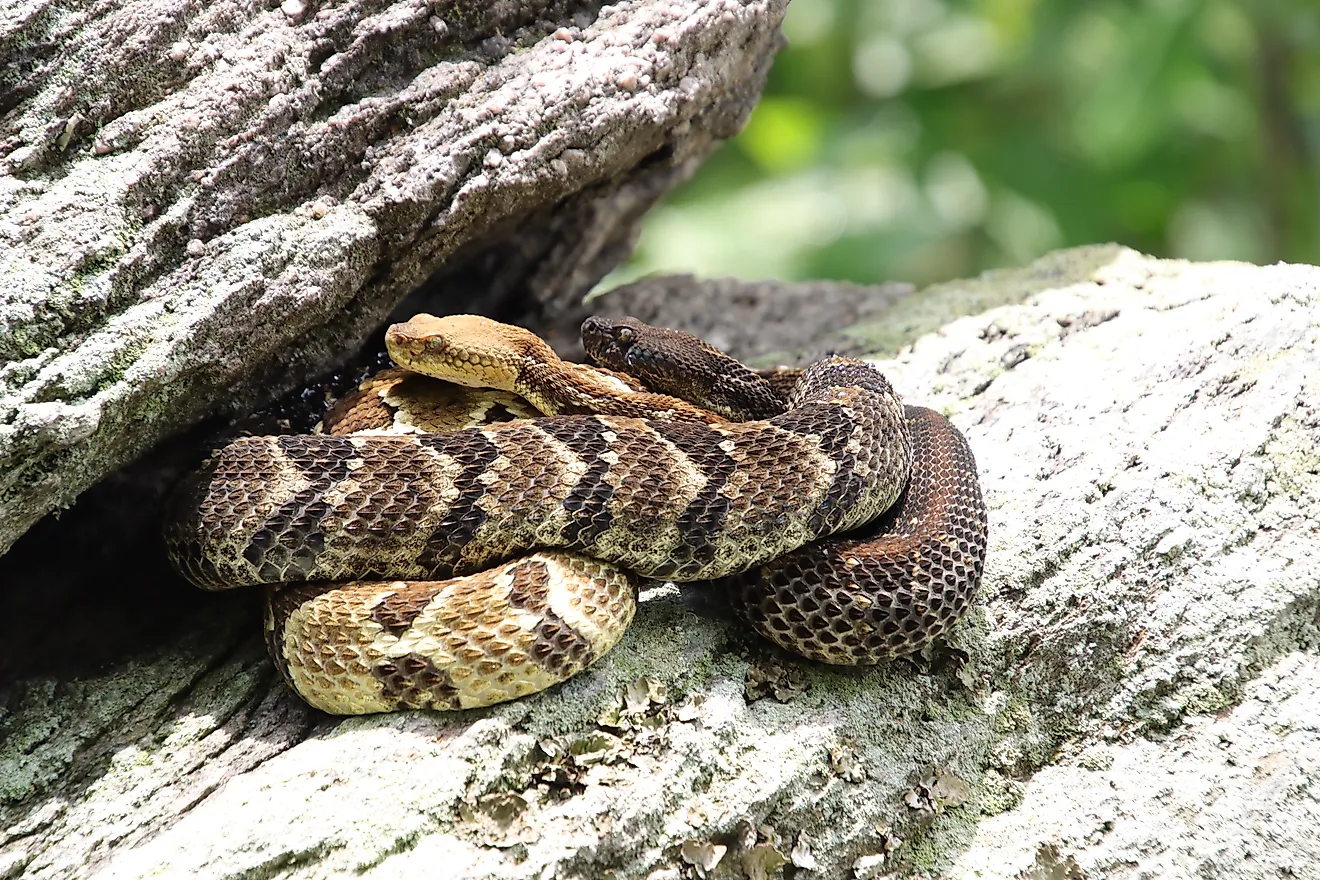
The Tongue Mountain Range projects into Lake George, placing timber rattlesnake habitat above one of the Adirondacks' best-known lakes. The setting is near the northern limit of their range, where the active season can be short. New York's Department of Environmental Conservation notes that northern populations may remain denned until mid-May.
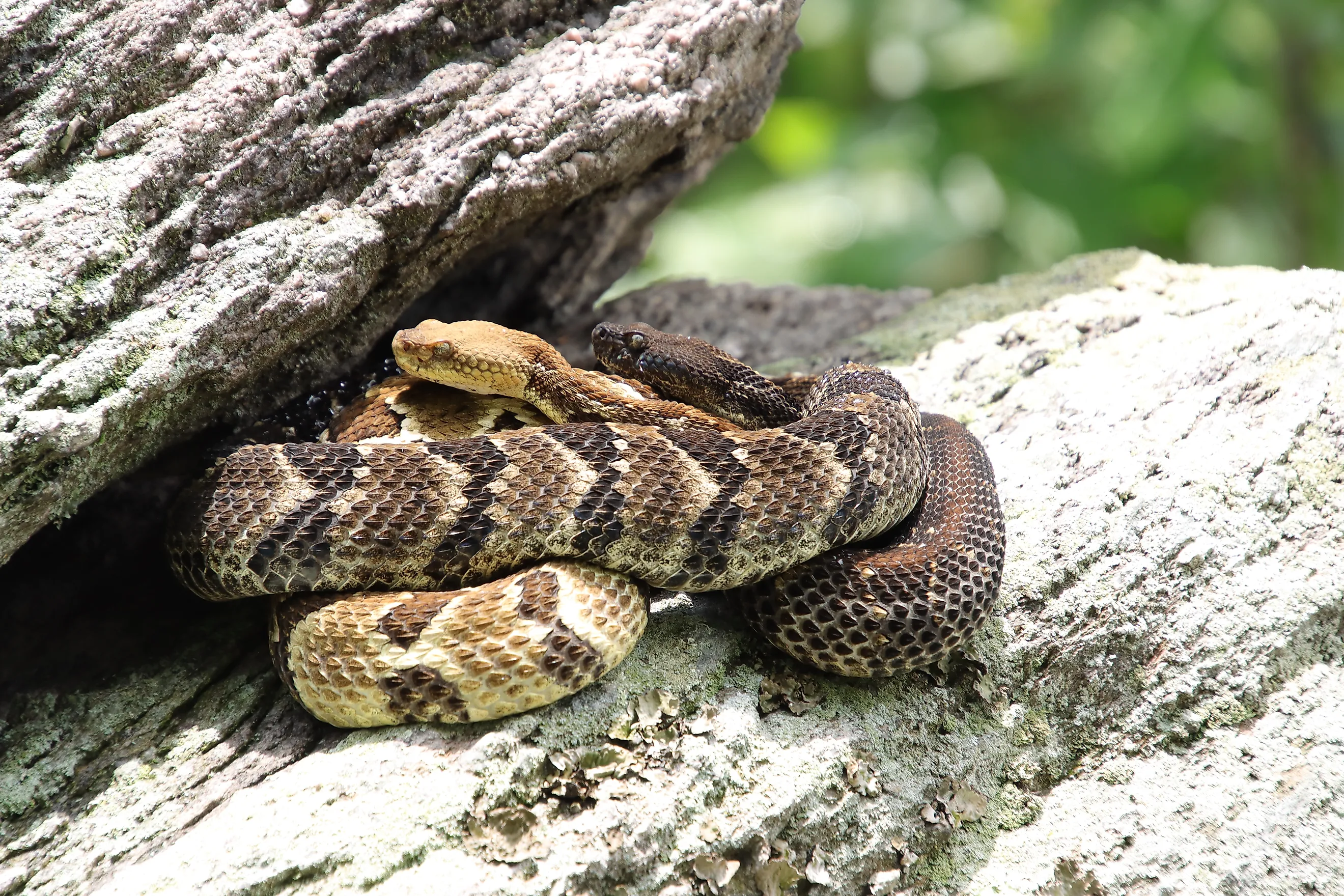
Within the Adirondacks, timber rattlesnakes occupy portions of the eastern margins; the high mountain interior lies outside their usual habitat. Their winter shelters occur in fractured rock faces and talus, the loose rock accumulated on slopes. Southern exposures provide sunlight around the entrances, and surrounding hardwood forest supplies summer hunting habitat. Young snakes face their first winter soon after birth in late summer. In fall, they can follow adult scent trails back to the underground shelter.
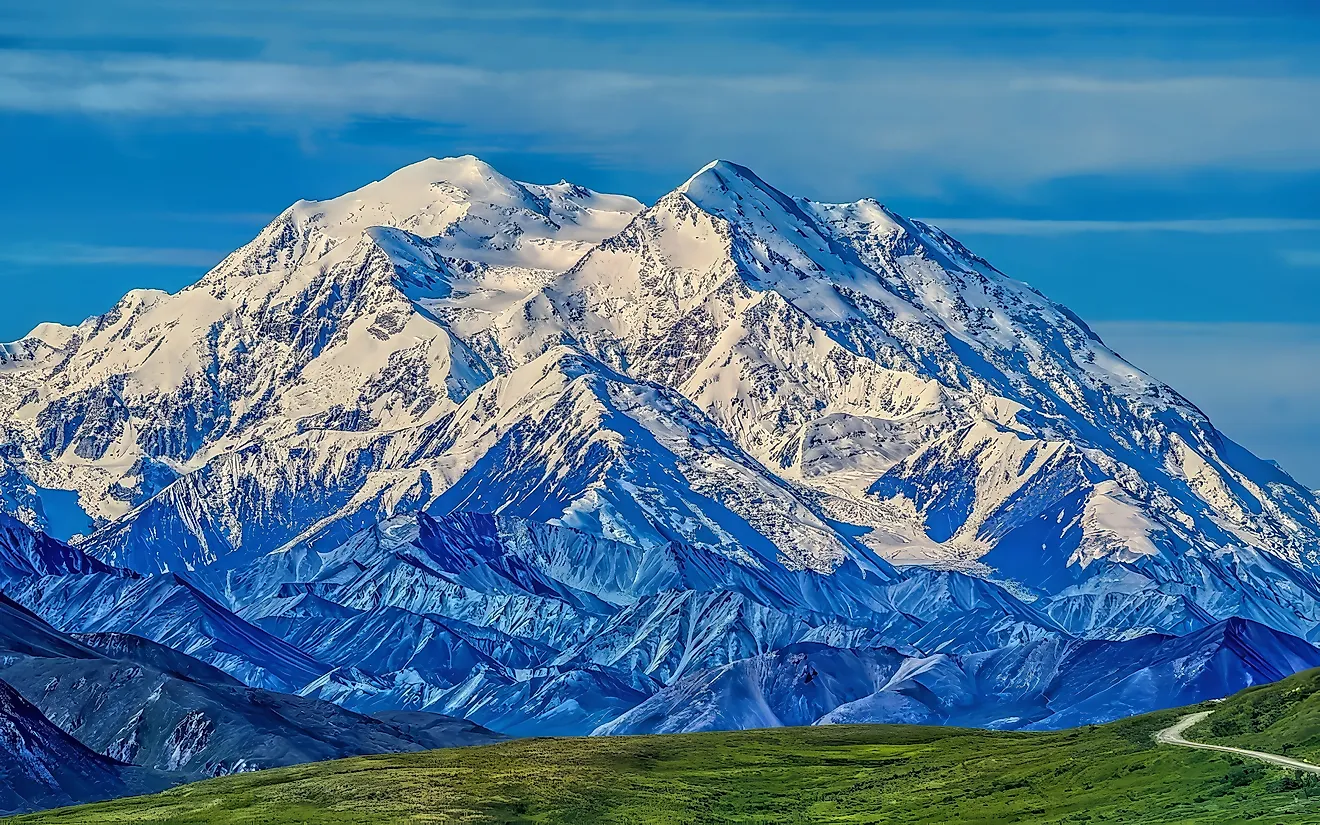
Blue Ridge Mountains, Virginia

A timber rattlesnake's winter den in the Blue Ridge can also shelter copperheads or nonvenomous snakes. Around Wintergreen in central Virginia, The Nature Foundation has documented numerous denning sites, including places where timber rattlesnakes gather in groups. The usable shelter may be a rock cave or a deep crevice near an opening in the forest. A southern exposure helps the snakes warm themselves outside, while the deeper recesses protect them from freezing conditions.
The local winter retreat can last about half the year, with entry around early October and emergence in April, depending on conditions. After emerging, snakes gradually disperse into feeding habitat; some males travel farther while searching for mates. At Wintergreen, these communal shelters occur in the mountains around a resort community, where forest trails and snake habitat share the same slopes.
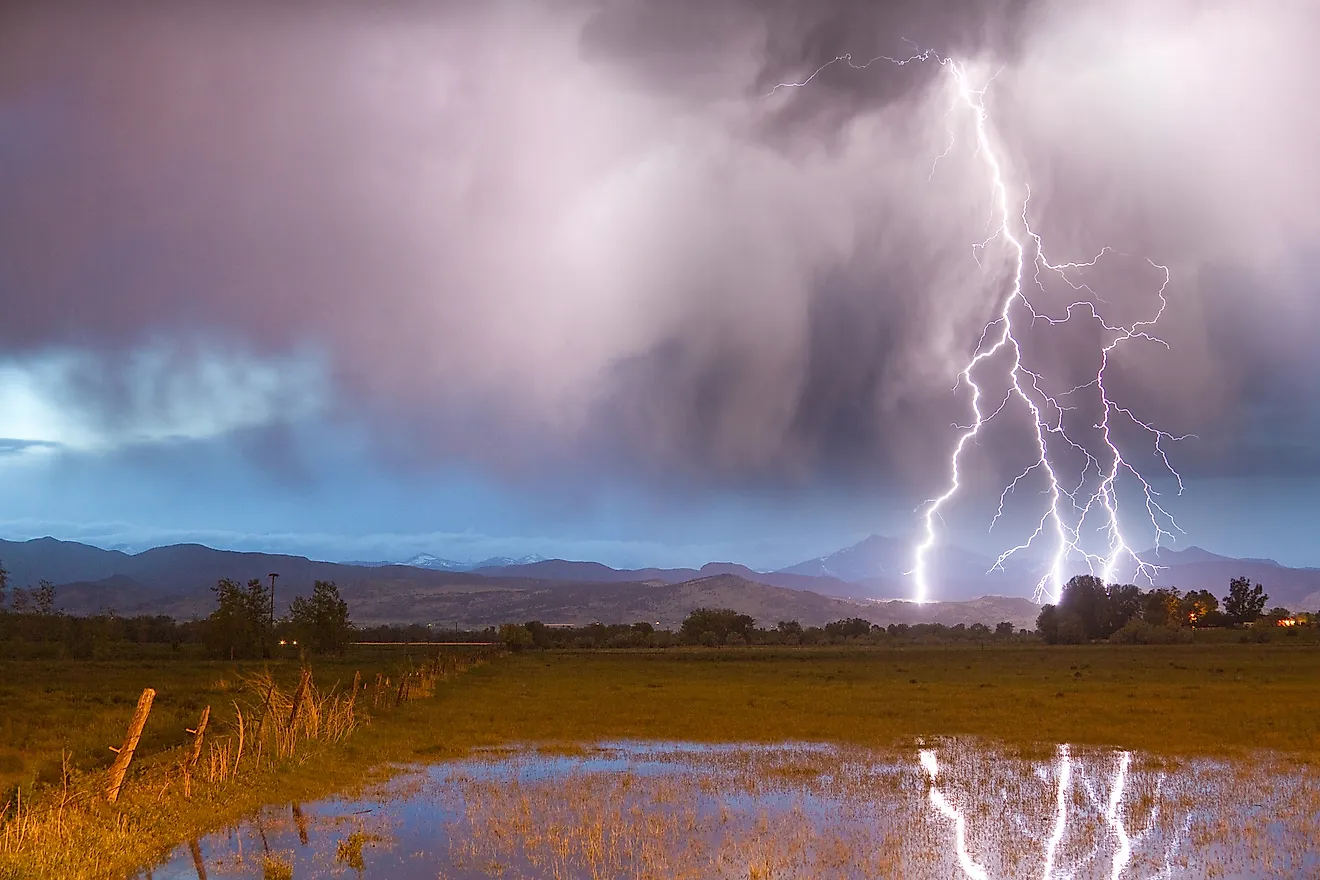
Front Range Foothills, Colorado

Prairie rattlesnakes overwinter at North Table Mountain near Golden, along the eastern edge of Colorado's Front Range. Lava flows about 60 million years ago formed the flat-topped mesa, and its slopes contain rock outcrops and broken stone. A 2017 tracking project identified three overwintering denning areas in the park, next to or near trails. Snakes were followed through their autumn movements until they retreated into dens in November.
Females used separate maternity dens. Two of the winter sites were in rock outcrops the researchers classified as human-made. Across the Front Range, prairie rattlesnakes also use rock outcrops on sunny ridges, and some overwinter in prairie dog burrows. During the active season at North Table Mountain, tracked snakes hunted rodents near seasonal wetlands on the mesa top.
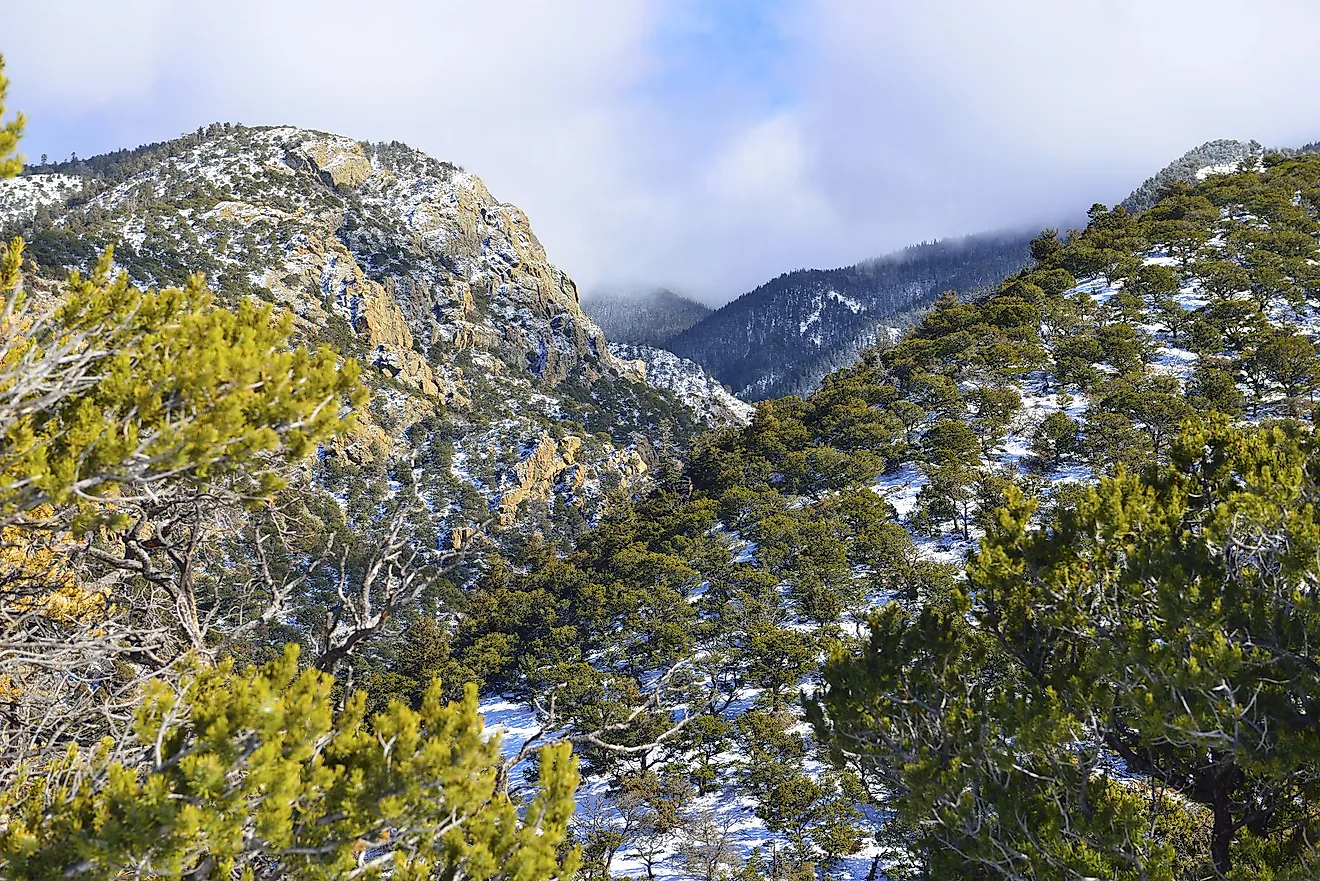
Snake Range, Nevada

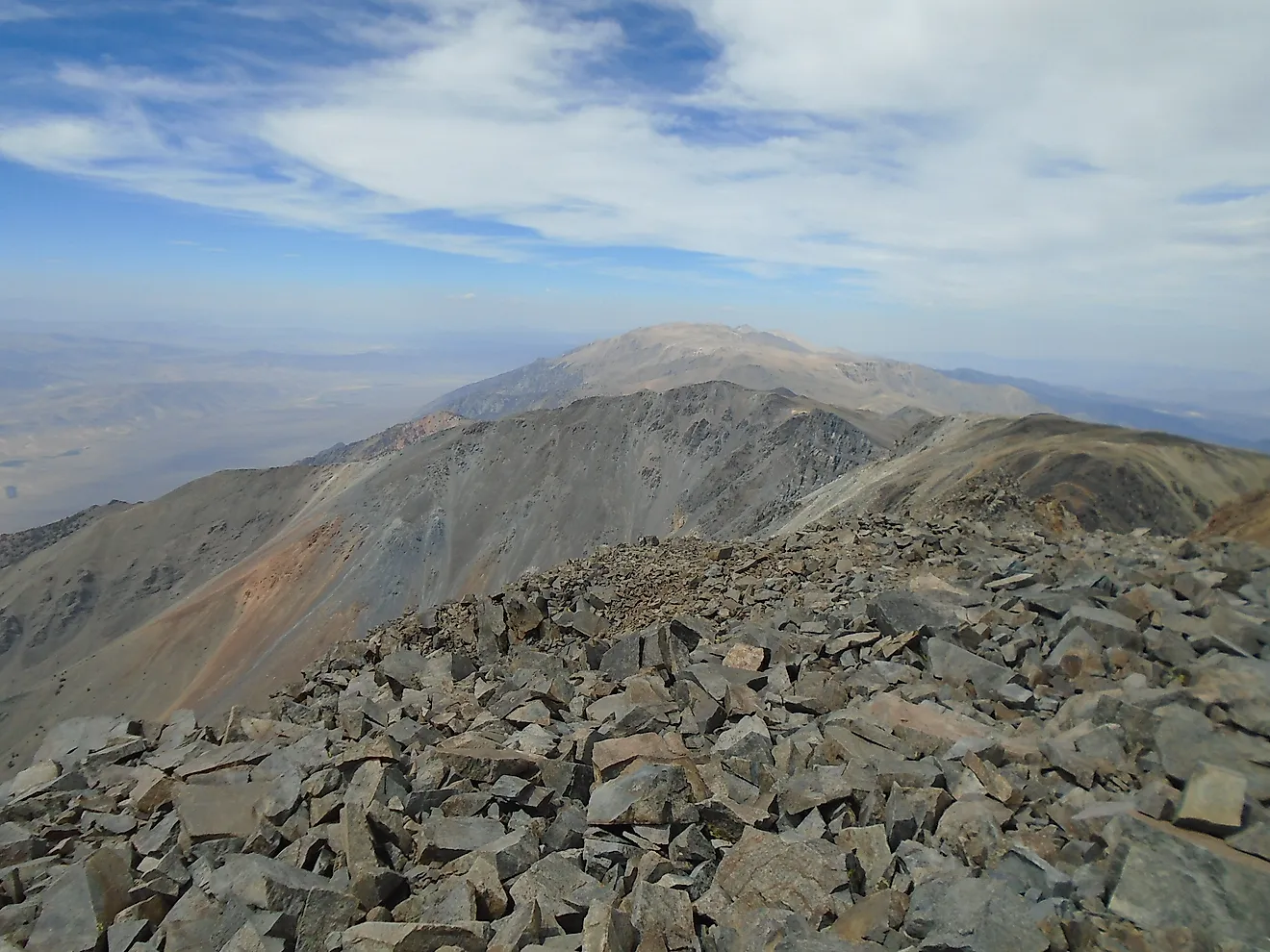
In Great Basin National Park, in the southern Snake Range, rattlesnakes spend winter inside rocky dens with southern exposure. Great Basin rattlesnakes occur across several vegetation zones, including sagebrush and pinyon-juniper woodland. They are more common below 8,000 feet, so their mountain habitat includes the lower slopes beneath the range's highest peaks.
In spring, snakes emerge to bask. Males and females that are not pregnant then spread out to hunt, with a mature male sometimes moving as far as 2.5 miles from the den. Pregnant females stay closer, basking to help their developing young. By late September, snakes gather around the winter sites again before moving underground as temperatures fall.
Great Basin rattlesnakes repeatedly return to their communal winter dens. Some survive long enough to make that seasonal journey for many years: a regional study in eastern Nevada and western Utah recorded two individuals with 13 years between captures.
Chiricahua Mountains, Arizona

Twin-spotted rattlesnakes occupy conifer forests and talus slopes high in the Chiricahua Mountains. This small rattlesnake has two rows of dark spots along its back. The loose stone provides shelter, and lizards living among the rocks supply much of its food. Yarrow's spiny lizard is an important prey species.
Winter does not always keep these snakes entirely below the surface. Arizona's wildlife field guide describes occasional basking near their winter shelters on sunny, unusually warm days. The Tucson Herpetological Society also records twin-spotted rattlesnakes basking in December and January with snow still on the ground. They can move short distances during winter. They are most often encountered during the summer monsoon, between late June or early July and early September. In a dry monsoon year, males studied in the Chiricahuas spent more time in woodland beside a talus slope than on the exposed rocks.
A rattlesnake den concentrates animals that spend much of the warmer season scattered across a mountain. That concentration has made timber rattlesnakes especially vulnerable to people who destroy dens or kill the snakes gathered there. New York still lists the species as threatened, and its slow reproduction makes replacing lost adults difficult. Females may take several years to mature and then produce young only every three to five years. Protecting a winter crevice also means keeping the surrounding feeding habitat and the routes back to it usable. The denning areas documented at North Table Mountain in 2017 lay beside or near trails, placing underground winter shelters close to recreation routes.