The Rare US Mountain Ranges That Runs East To West
Most American mountains march north to south across the map, like they're following orders. A few did not get the memo. The question of which major US mountain range runs east to west has a degree of nuance to it. Frequently, the Uinta Mountains are listed as the only range to run this direction, but others can also claim this title, including the Ouachita Mountains in Arkansas and the Transverse Ranges that run across California.
To know which mountain range claims the title as "the Only Mountain Range to Run East to West," one should have some background information.
Utah's Highest Peaks: Uinta Mountains

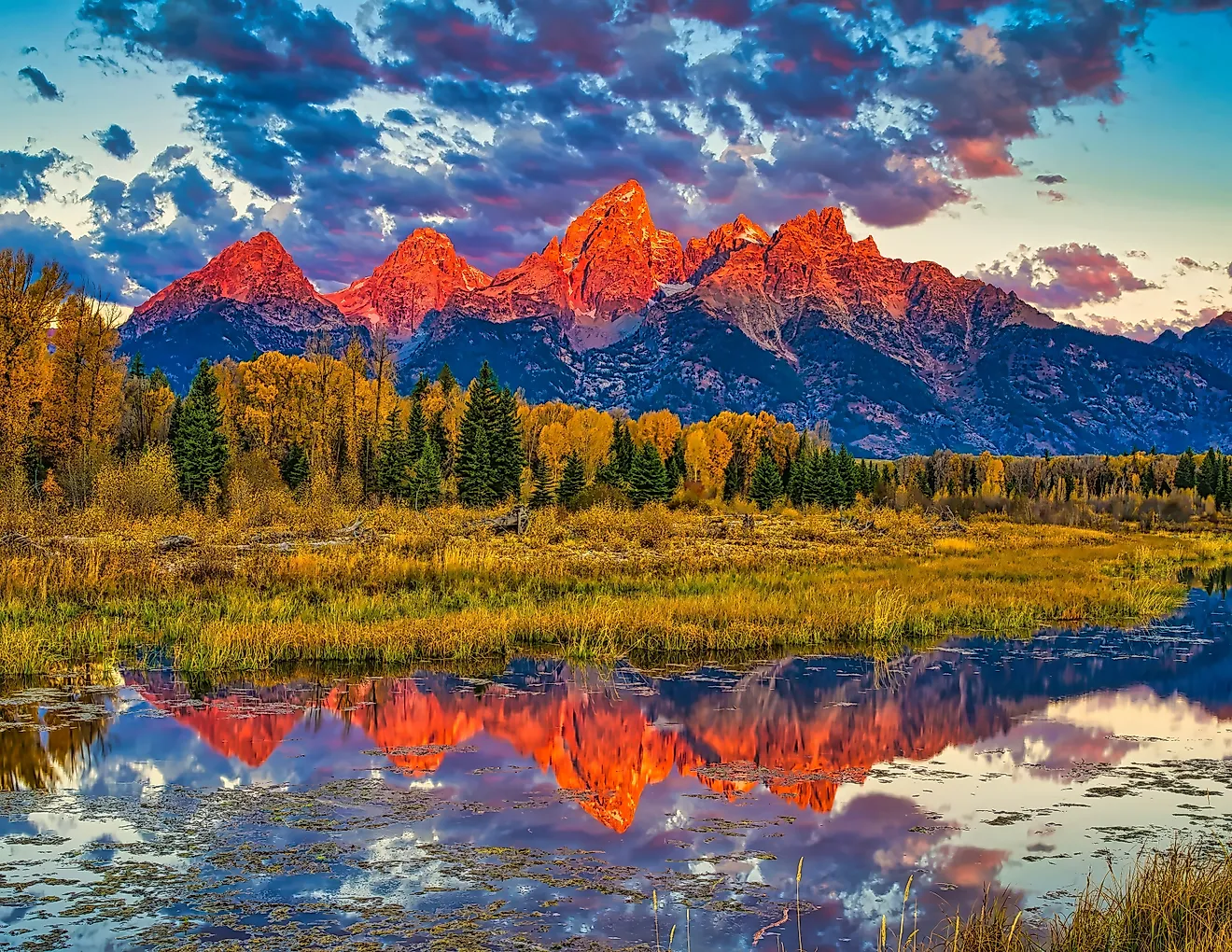
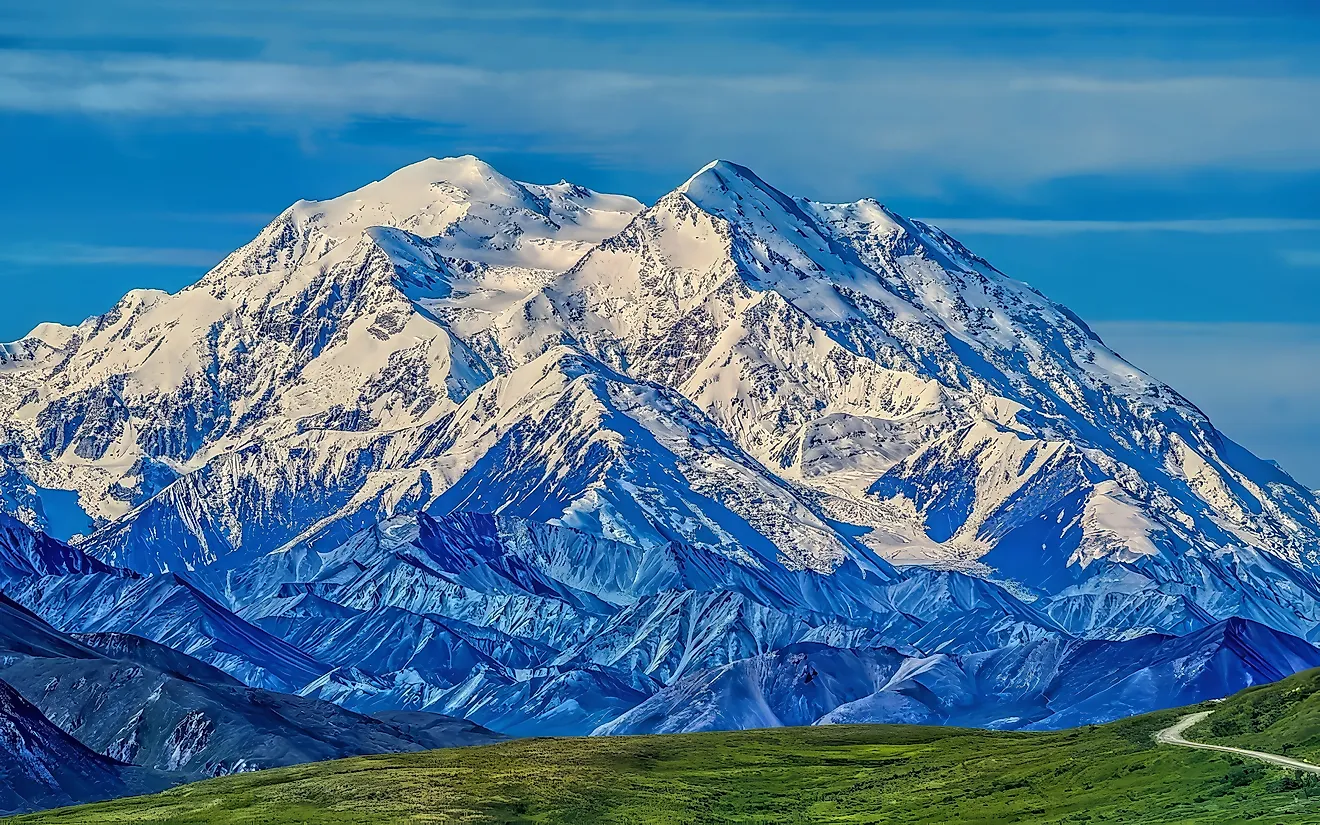
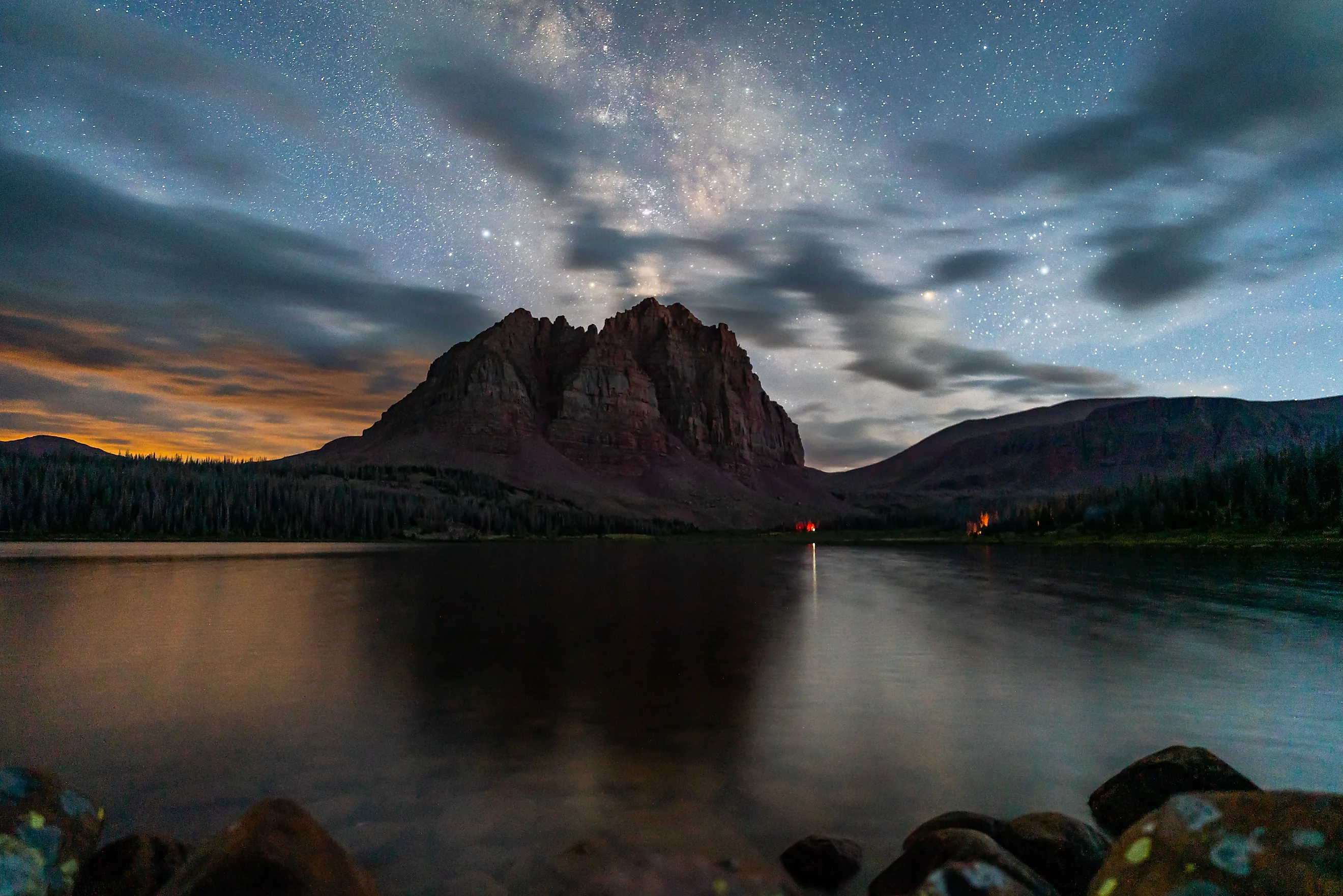
The Uinta Mountains are a segment of the Rocky Mountains, which stretch 150 miles through northeastern Utah and into Wyoming. What sets this range apart from the Ouachita Mountains and the Transverse Ranges is how high its mountains are, with its highest standing at 13,528 feet at Kings Peak.
Another thing that sets them apart is that they contain some of the oldest rocks in the region, with 1.7-billion-year-old metamorphic rocks that are found in the eastern section of the Uintas. The reason why these mountains run from east to west is due to a weakness in the crust called the Cheyenne Belt, which formed due to a tectonic plate collision dating back 1.7 billion years ago. It is known as a suture, where separate tectonic structures fuse together on a fault line.

Along this suture, a basin formed 770 million years ago, where sediments gradually drained into it, forming the building blocks of the Uinta Mountains. It also formed the geographic orientation that the Uinta Mountains are known for today.
The mountains were later influenced by two major orogenies (mountain-building episodes in geology). The first took place in the Sevier orogeny from 165 to 80 million years ago, which mainly impacted the western part of the Uinta Mountain range. The second was the Laramide Orogeny from 70 to 34 million years ago. Both of these were caused by the same tectonic event, the gradual subduction of the Farallon Plate under the North American plate.

The Laramide Orogeny took the existing folds of sedimentary rocks in the Uinta Mountains and raised them to their current height. It also produced the much larger Rocky Mountains, of which the Uinta Mountains are a subrange.
One reason these mountains are so far away from the coast is that the Farallon Plate went under the North American plate in what is known as a flat slab subduction, meaning it goes under at a shallower angle than normal, which in turn causes uplift much farther away from the initial impact at the coast.
California's Sideways Mountains: The Transverse Ranges

The Transverse Ranges are a mountain system that cuts across Southern California from east to west, with prominent peaks visible from the major metro area of Los Angeles. The tallest peak lies in the east at San Gorgonio Mountain, the 11,503-foot-tall mountain.
The Transverse Range is a mountain chain, consisting of several individual ranges, but is typically divided into eastern, central, and western sections. The eastern section has the highest peaks, with the central section having the San Gabriel Mountains, and the western section is made of marine sedimentary rocks. Their total length is 300 miles, with their width ranging from 10 to 50 miles.
This system's east-to-west orientation was caused by what scientists refer to as a "geological vise" caused by two tectonic plates and the San Andreas Fault system, which cuts through the ranges. To the northeast of this fault, the mountains are on the North American plate, while to the southwest, the mountains are sitting on the Pacific Plate, which is pushing up into the North American plate. Scientists estimate that this movement of plates has caused the Ranges to rotate close to 100 degrees clockwise.
Arkansas's Ancient Ridges: The Ouachita Mountains

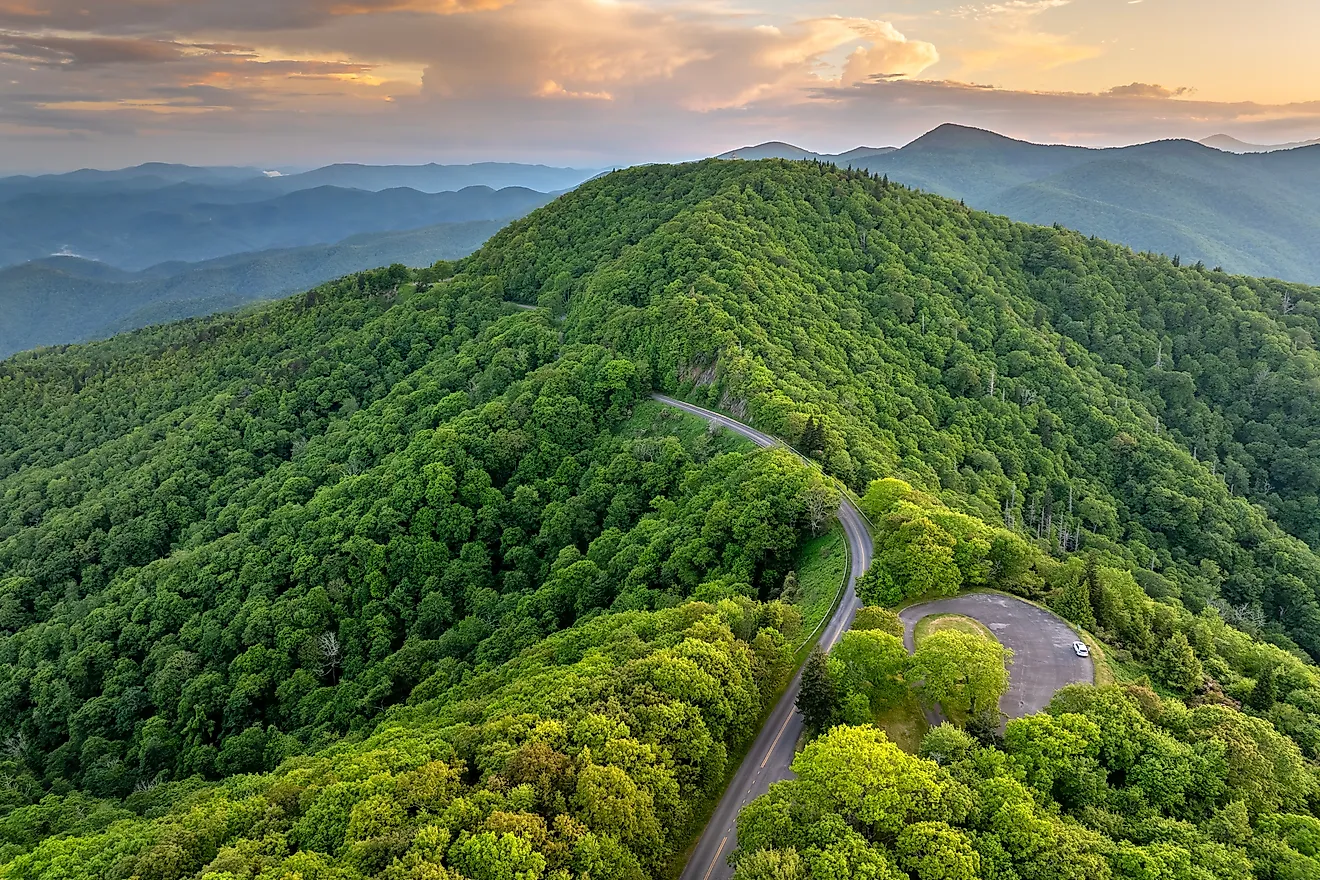
The Ouachita Mountains stretch west from central Arkansas into the southeastern sections of Oklahoma for 225 miles across, and around 50 to 60 miles from north to south. The ridges themselves also tend to face east to west. The reason for this orientation is that the Ouachita Mountains formed during a massive collision between two supercontinents.
These mountains sit south of the Ozark Mountains and tend to be very low in elevation, with their highest peak being 2,753 feet at Mount Magazine in Oklahoma. While the Ozarks are known for flat-topped plateaus, the Ouachita Mountains have consistent high ridges and valleys made up of sandstone rocks.
These mountains absorb a great amount of rain as warm winds from the Gulf of Mexico rise as they cross over, leaving the Arkansas River Valley to the north a much drier place. These short highlands likely formed at the same time as the Appalachian Mountains when Laurussia collided with Gondwanaland, forming the supercontinent Pangea 320 million years ago. It is possible that the Ouachita Mountains and the Ozarks are part of the same mountain-building belt (orogeny) as the Appalachian Mountains.
What Makes a Range "Major?"

The term major mountain range is not well defined, but typically most define it as being a very long series of mountains, formed by large tectonic events. In the US, for example, the Sierra Nevada, Appalachian, and Rocky Mountains are often listed as the three major mountain ranges.
If length is the primary consideration at play, then the Transverse Ranges would be the major mountain range that stretches from east to west, but the Transverse Ranges are not one single range but rather consist of a group of individual ranges that are close to each other.

The Ouachita Mountains could also be considered a major mountain range, as they run for 225 miles, which is longer than the Uinta Mountains, but their elevation tends to be much shorter, as their tallest point is still below 3,000 feet in elevation.
The Uinta Mountains are by far the tallest mountain range of these three, with 19 peaks of over 13,000 feet. However, the height of mountains is often determined by their age, as the more heavily eroded Appalachian Mountains only reach 6,684 feet at their highest point. In addition, the Uinta Mountains are connected to the major Rocky Mountains chain.
The Verdict

In the end, one could say that all three of these ranges qualify, but the Uinta Mountains do have a strong claim to that title due to their Rocky Mountains connections.
What is certain is that east-to-west ranges, while rare, are not limited to the Uinta Mountains, but can be formed through a variety of geological features, such as a weakness in the crust, a squeezing of fault lines and tectonic plates, and ancient remnants of continental collisions.