The States With The Cheapest Electricity
Electricity is easy to take for granted until the monthly bill arrives, and what a household pays for each kilowatt-hour depends heavily on the state it calls home. In August 2026, the average US residential rate was 18.16 cents per kilowatt-hour, according to the US Energy Information Administration (EIA), while the cheapest states paid roughly 20% to 30% less. Nevada led the country at 12.72 cents, drawing most of its power from natural gas plants and solar farms. Louisiana came in a close second, fueled by the large natural gas supply found within its borders. Tennessee ranked sixth, relying on two nuclear plants for more than 40% of its electricity. These 12 states had the lowest residential electricity rates in the country in August 2026, based on EIA figures that shift from month to month and exclude commercial and industrial prices.
Nevada - 12.72 ¢/kWh

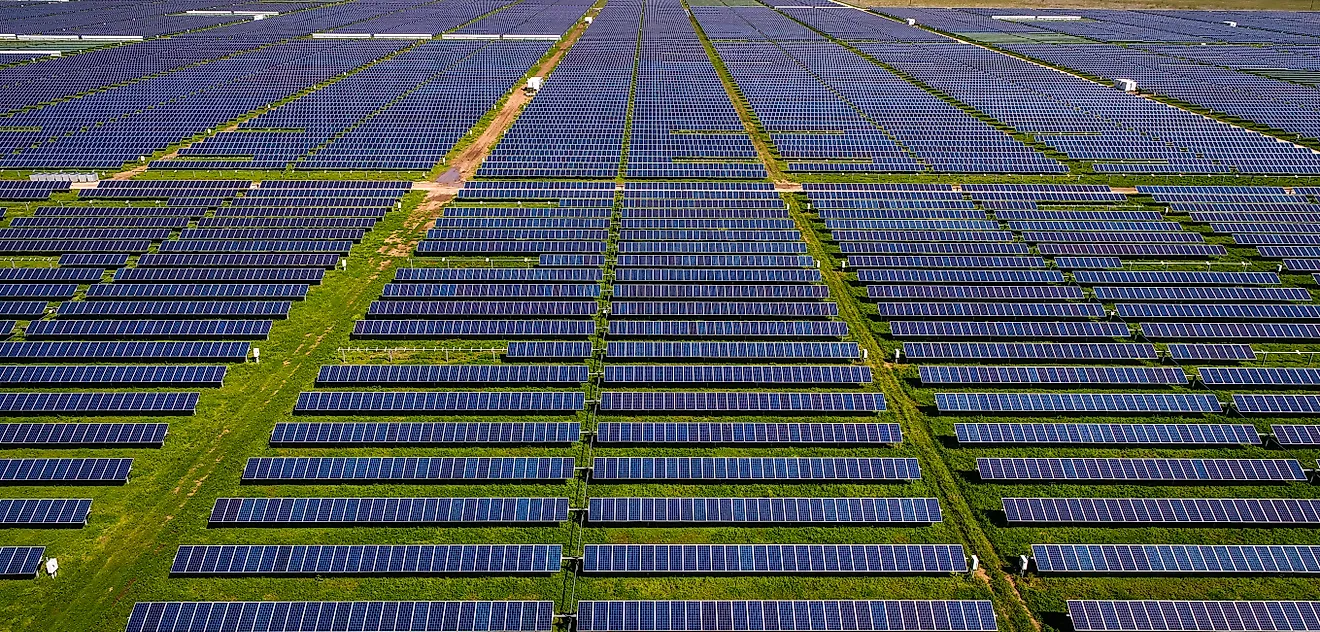
Nevada has all the essentials to supply its residents with affordable electricity. The state has been quick to take advantage of its sunny weather, and dozens of solar farms now send their power out to homes across the state. Solar generated about 27% of Nevada's electricity in 2024, but natural gas-fired power plants produced the largest share, at nearly 55%. Those gas plants provide steady power after the sun goes down, when solar output drops off.
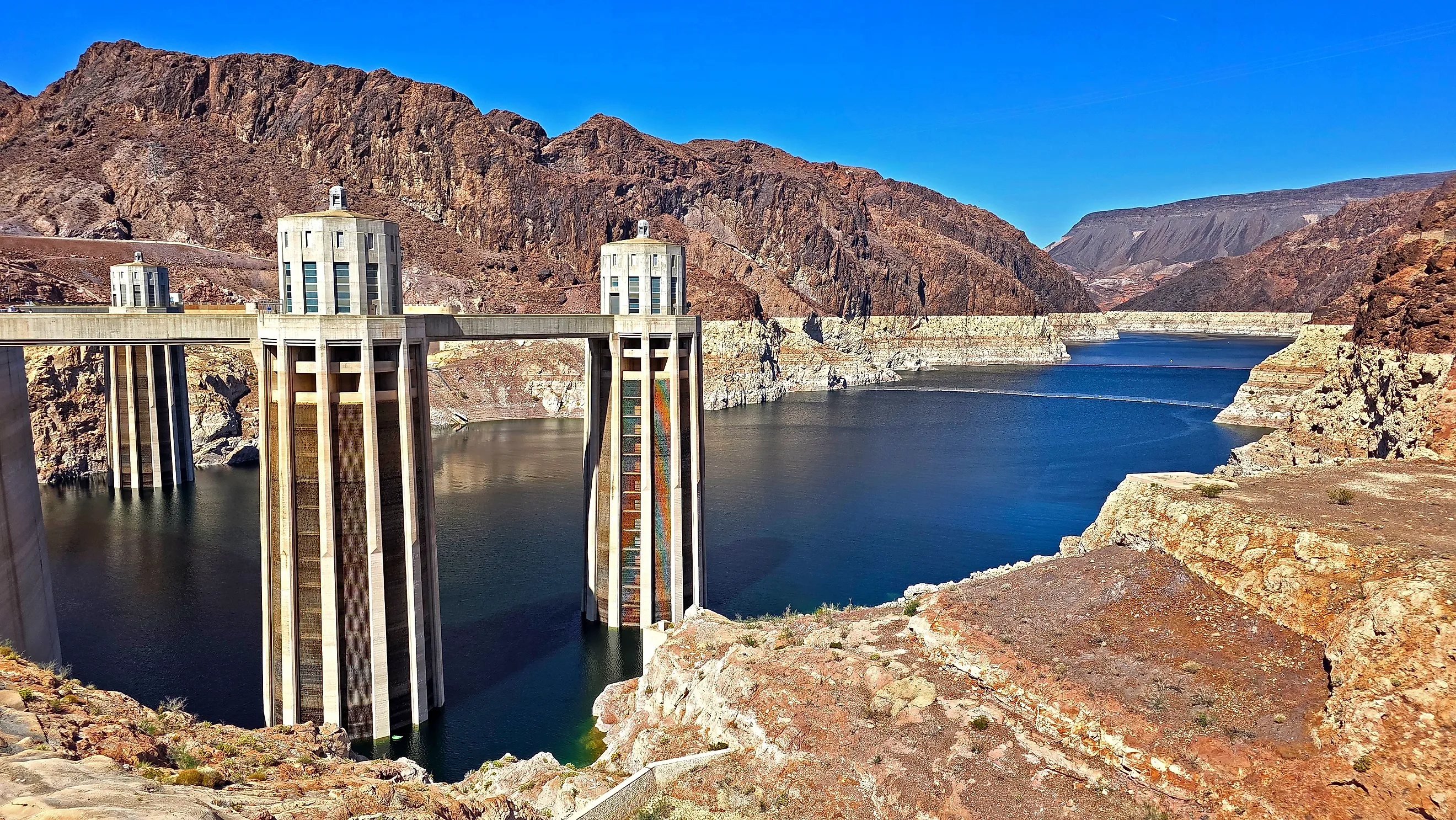
The Hoover Dam also contributes, though on a smaller scale than its fame suggests. Located on the Colorado River along the Arizona-Nevada border, the dam has historically generated about 4 billion kilowatt-hours of electricity per year. That power is siphoned across the American Southwest, and Nevada receives roughly a quarter of the dam's firm energy, with the rest going to California and Arizona. Hydroelectric power accounted for only about 3.5% of the electricity generated within Nevada in 2024.
Louisiana - 12.87 ¢/kWh

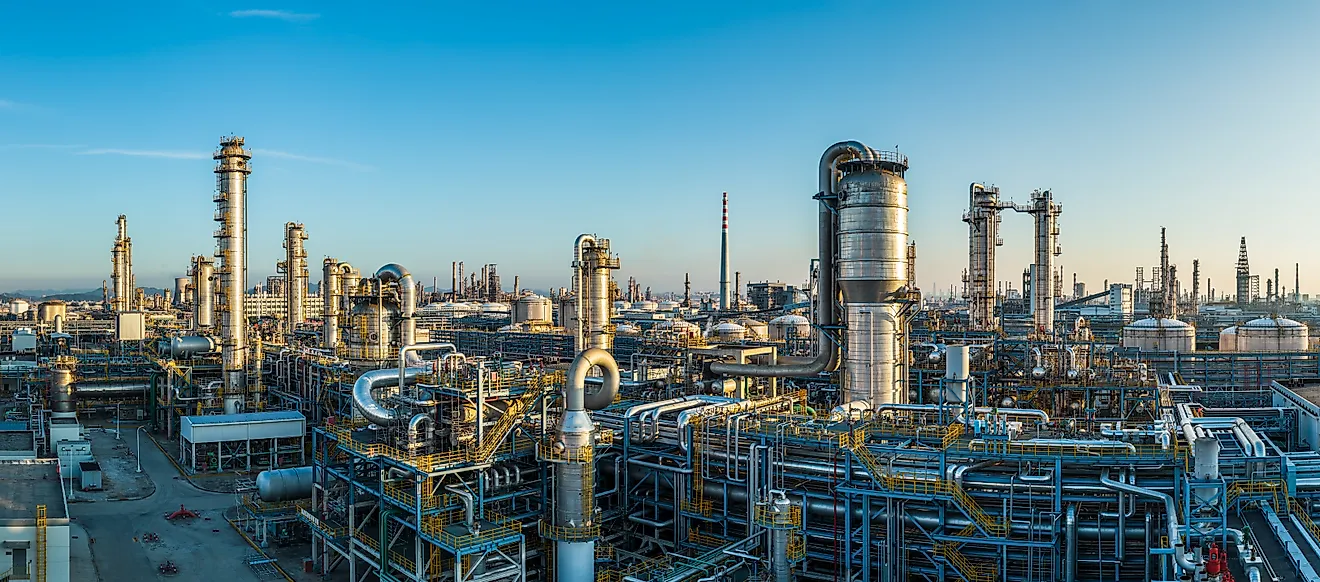
Louisiana has benefited greatly from access to abundant natural gas within the state. This makes transportation much cheaper than if it were shipped in from outside Louisiana. Louisiana is one of the largest natural gas producers in the United States and has plenty of natural gas that can be redirected to power plants. This has a knock-on effect, driving down the price of residential electricity. Louisiana has routinely ranked among the top 5 states with the lowest electricity prices in the United States for more than a decade, and it shows no signs of slowing. With a large supply of natural gas and ample infrastructure for exploiting this resource, electricity bills are likely to remain below the national average for the foreseeable future.
North Dakota - 13.31 ¢/kWh

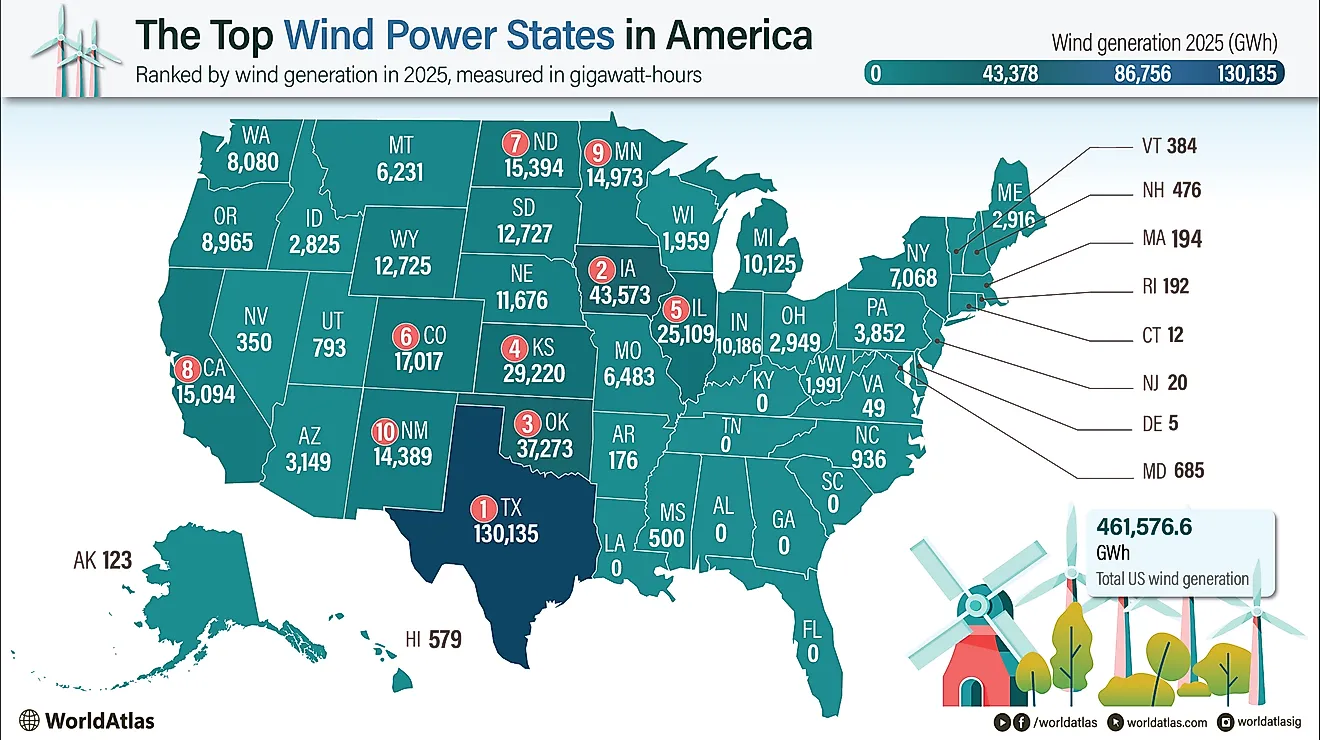
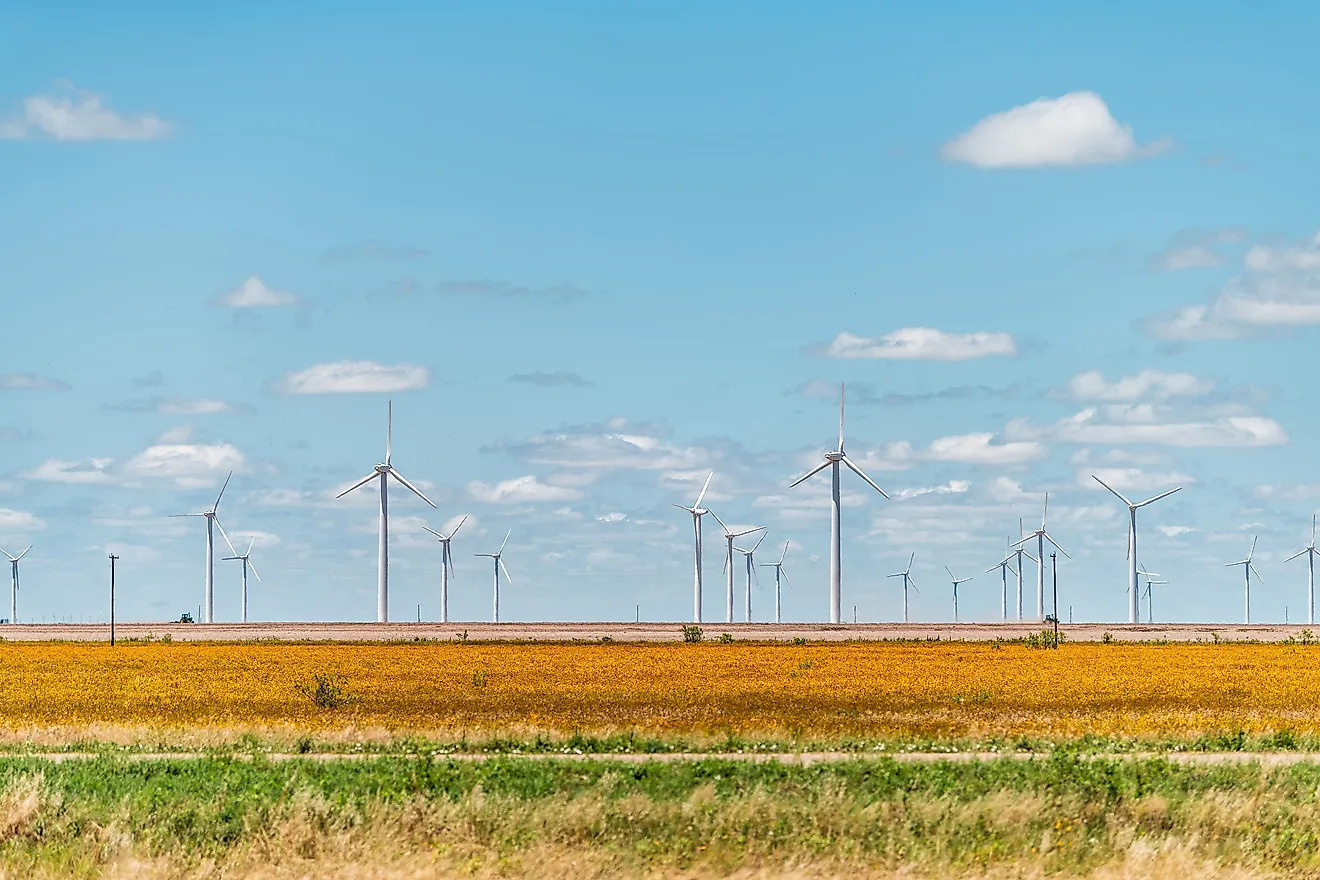
North Dakota generates much more energy than it consumes. The state is heavily invested in coal, natural gas, and wind power and often exports much of its energy to neighboring states. With such a surplus of power sources, it is no wonder that North Dakota consistently offers cheap electricity to its residents. While many states have made the wholesale switch over to natural gas, coal still leads the way in North Dakota. As of 2024, more than half of all power generated in the state was produced by coal power plants. The real outlier, however, is that North Dakota's second-largest power-sector source is wind, at around 35%. This is primarily due to the state's flat geography, making it the perfect place to set up wind farms to soak in strong wind currents that move across the Great Plains.
Utah - 13.31 ¢/kWh
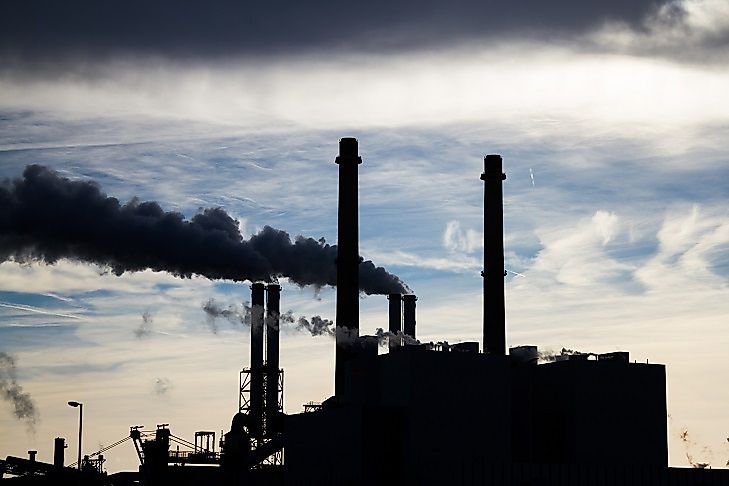
Utah has built up one of the most robust and reliable electricity systems in the United States over the past decade. Like many other states on this list, Utah has done well to diversify its power sources without relying too heavily on any single one. As of 2024, 45% of Utah's electricity came from coal, another 32% came from natural gas, and the remainder came from renewable sources such as wind and solar. Both coal and natural gas can be found in the state, making extraction and transportation easier. Recently, there has also been a considerable push to move towards nuclear energy. If this ever comes to fruition, there is no reason to believe that an already diverse and hardy electricity system would fail to provide cheap power to its residents.
Idaho - 13.37 ¢/kWh

Idaho can thank its abundance of rivers for its access to cheap electricity. Since the early 20th century, energy in Idaho has been inexpensive thanks to hydroelectric dams, which generated about 46% of the state's electricity in 2024. Idaho Power operates 17 hydroelectric plants on the Snake River and its tributaries, and the three dams of its Hells Canyon Complex supply about 70% of the company's hydroelectric output.
While there is no single massive structure like the Hoover Dam in Nevada, Idaho has made the most of its natural geography to deliver low-cost power to residential homes. The state does not generate all of the electricity it uses, however. In 2024, Idaho sourced about 29% of its electricity from other states, while natural gas plants and wind farms produced most of the in-state power that dams did not. Hydroelectric dams are a relatively clean, cheap, and reliable way to generate power, and that is reflected in the low rates Idaho residents pay.
Tennessee - 13.42 ¢/kWh

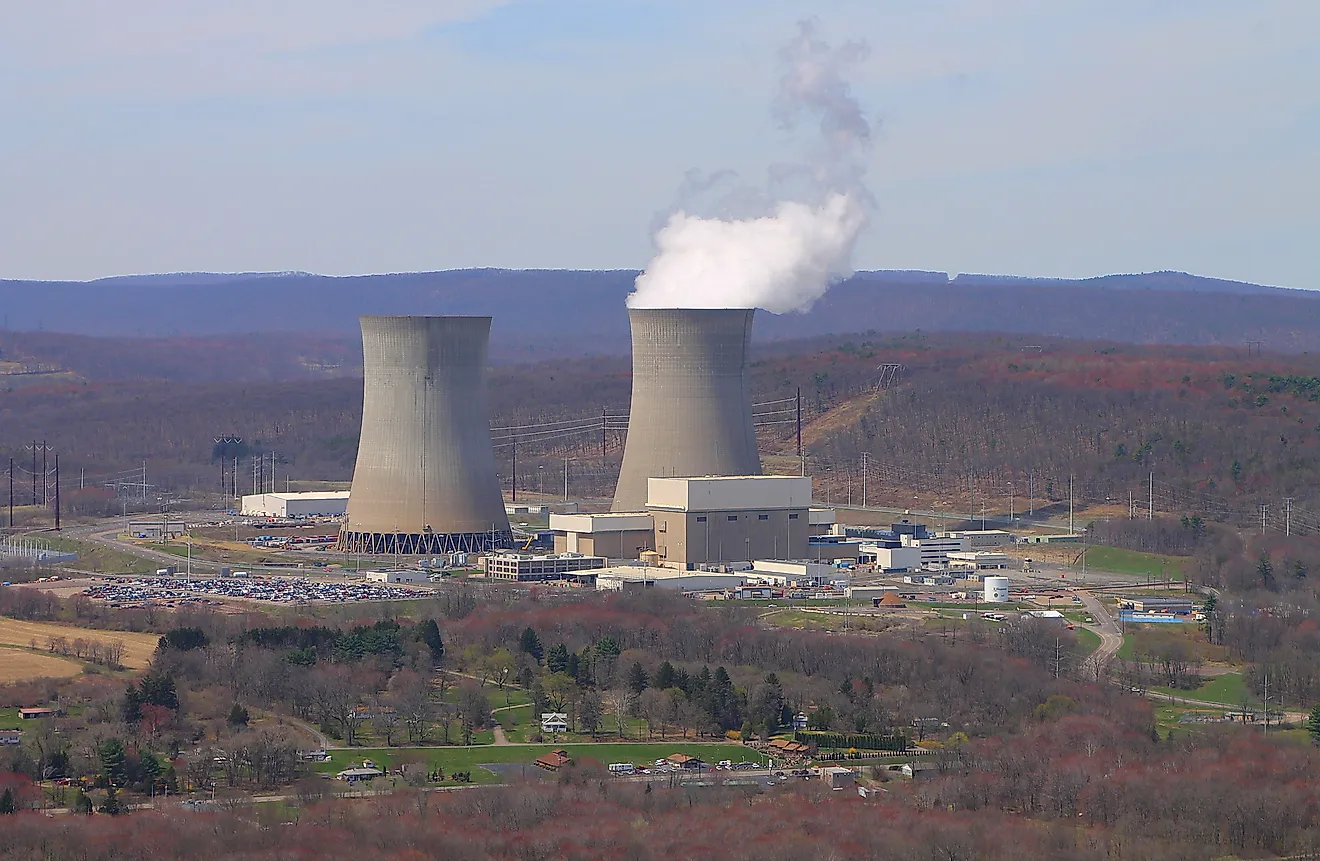
Tennessee generates more of its electricity from nuclear power than from any other source. Its two nuclear plants, Watts Bar and Sequoyah, produced about 42% of the state's electricity in 2024. Coal supplied more than half of Tennessee's power as recently as 2011, but its share has since fallen to about 23%, roughly level with natural gas. Tennessee has very little domestic coal production, so much of the coal it burns comes from states like West Virginia and Kentucky.
Tennessee also has a healthy hydroelectric component in its power supply, generating about 12% of its total power from dams. The Watts Bar Nuclear Plant is notable in its own right. Its first reactor began operating in 1996, and its second, which came online in 2016, was the newest reactor in the United States until Georgia's Vogtle Units 3 and 4 entered service in 2023 and 2024. Thanks to this diverse energy portfolio, Tennessee has significantly reduced electricity costs for the average person in the state.
Nebraska - 13.54 ¢/kWh

Nebraska is the only state in America that has a community-owned institution supply its residents with power. A true outlier, Nebraska's cheap electricity is largely due to the fact that there is little to no profit incentive in charging high rates to its customers. Not only is this true for residential electricity supply but also for commercial. Nebraskans owning their own power supply is a tradition that dates back to the early 1930s, when the first set of bills was introduced, eventually leading to total public ownership in 1949. The power that Nebraskans receive is a mix of coal, wind, and nuclear energy.
Kentucky - 13.80 ¢/kWh

Kentucky, a state with a long history of coal mining, has put this natural resource to good use. Coal generates about two-thirds of the state's electricity, the third-largest share of any state behind West Virginia and Wyoming. Much of that coal is no longer mined in Kentucky, however. In 2022, about 45% of the coal burned in the state came from Kentucky mines, and the rest was shipped in, mainly from Wyoming, Illinois, and West Virginia. Kentucky is not the largest coal-producing state, but it has more than enough coal in its reserves to reliably power the state for generations to come. As long as its energy infrastructure is centered around coal-burning power plants, the state should continue to provide cheap power to its residents.
Arkansas - 14.37 ¢/kWh

Arkansas sits well below the national average of residential electricity costs. It has achieved this through a mixture of natural gas, nuclear energy, and coal. While most of the coal is shipped in from states like Wyoming and other leading coal-producing states, the diversified approach helps lower costs for residents. Even though most of its coal is not extracted in-state, Arkansas has a large natural gas stockpile and a steady supply of nuclear energy from Arkansas Nuclear One, located just outside Russellville. Having easy access to these while perhaps paying for more expensive coal balances out and results in a cheap service in the long run.
Mississippi - 14.43 ¢/kWh

Like other states with cheap electricity, Mississippi uses multiple fuel sources, but natural gas does most of the work. In 2024, natural gas generated about 78% of the state's electricity, nuclear power about 14%, and coal about 4%. Mississippi produces very little natural gas of its own, roughly 0.1% of the national total, so most of the gas its power plants burn arrives through interstate pipelines from neighboring states, mainly Louisiana, Alabama, Arkansas, and Tennessee.
The state's nuclear power comes from the Grand Gulf Nuclear Station in Port Gibson, home to the largest single nuclear reactor in the United States, at about 1,400 megawatts. Mississippi generates more electricity than it uses and sends the surplus to other states over the regional grid, and that self-sufficiency allows it to charge less than the national average. Its market is also well regulated, which leads to predictable prices for customers.
Wyoming - 14.43 ¢/kWh

Wyoming is the largest coal-producing state in the country, accounting for about 41% of all US coal mined in 2022, and it has an enormous reserve of fuel to supply its power plants. The Powder River Basin, most of which lies in northeastern Wyoming, is one of the largest coal basins in the world and could be mined for generations before being depleted.
Despite sitting atop so much coal, Wyoming generated about 60% of its electricity from coal-fired power plants in 2024, down from more than 95% in 2000. Wind power supplied about 22% and natural gas about 13%, with hydroelectric dams and solar farms making up most of the rest. Wyoming also produces far more power than its residents use, and in 2024 it sent about half of the electricity it generated to other states.
Washington - 14.63 ¢/kWh
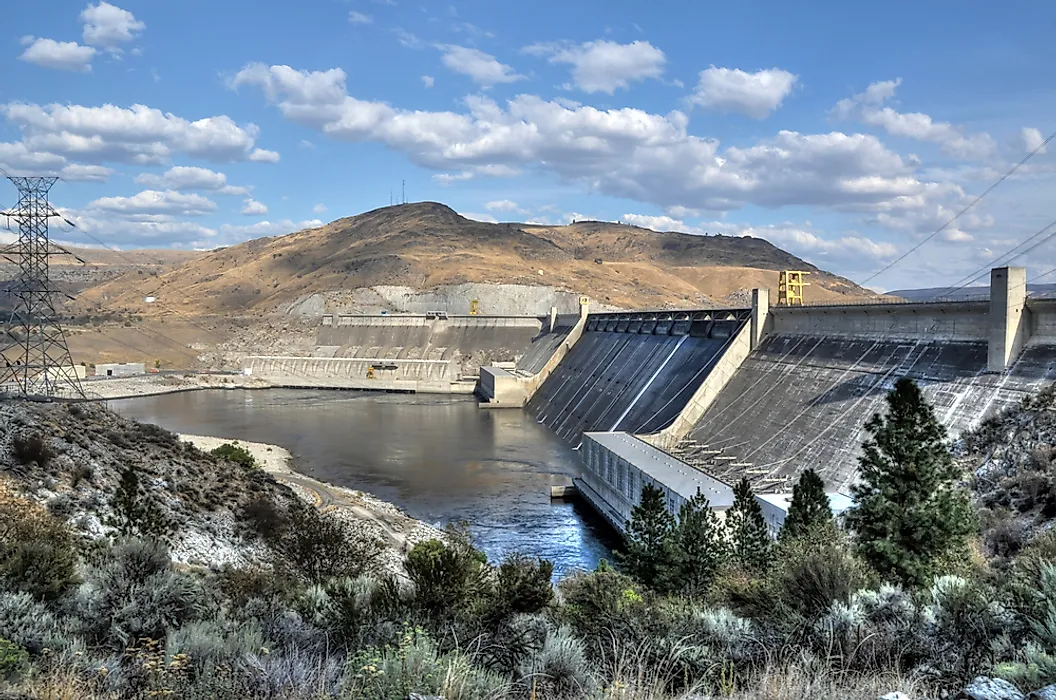
Washington State is home to countless rivers and cascades, many of which have been harnessed for hydroelectric power. The largest is Grand Coulee Dam on the Columbia River, the biggest hydroelectric plant in the United States, with a generating capacity of about 6,800 megawatts. Leveraging its favorable geography, Washington has turned its fast-flowing rivers into a clean and reliable power source, with dams generating about 59% of the state's electricity in 2024.
About 70% of Washington's electricity came from renewable sources in 2024, most of it hydroelectric, while nuclear power (about 10%) and natural gas (about 18%) supplied most of the remainder. Ditching high-carbon energy methods has been a priority of Washington's government for some time. Under the state's Clean Energy Transformation Act, utilities must stop using coal power by the end of 2025 and supply 100% of their electricity from renewable or non-emitting sources by 2045.
Many Paths to Cheap Power in the US
If you live in one of these 12 states, your low electricity rate likely traces back to how your state generates its power. Nevada leans on natural gas and solar farms, Washington and Idaho draw on the dams along their rivers, Tennessee relies on nuclear reactors, and North Dakota, Kentucky, and Wyoming still burn large amounts of coal. For anyone comparing what households pay around the country, these states show that cheap power comes from a fuel mix suited to each state rather than from any single source.